

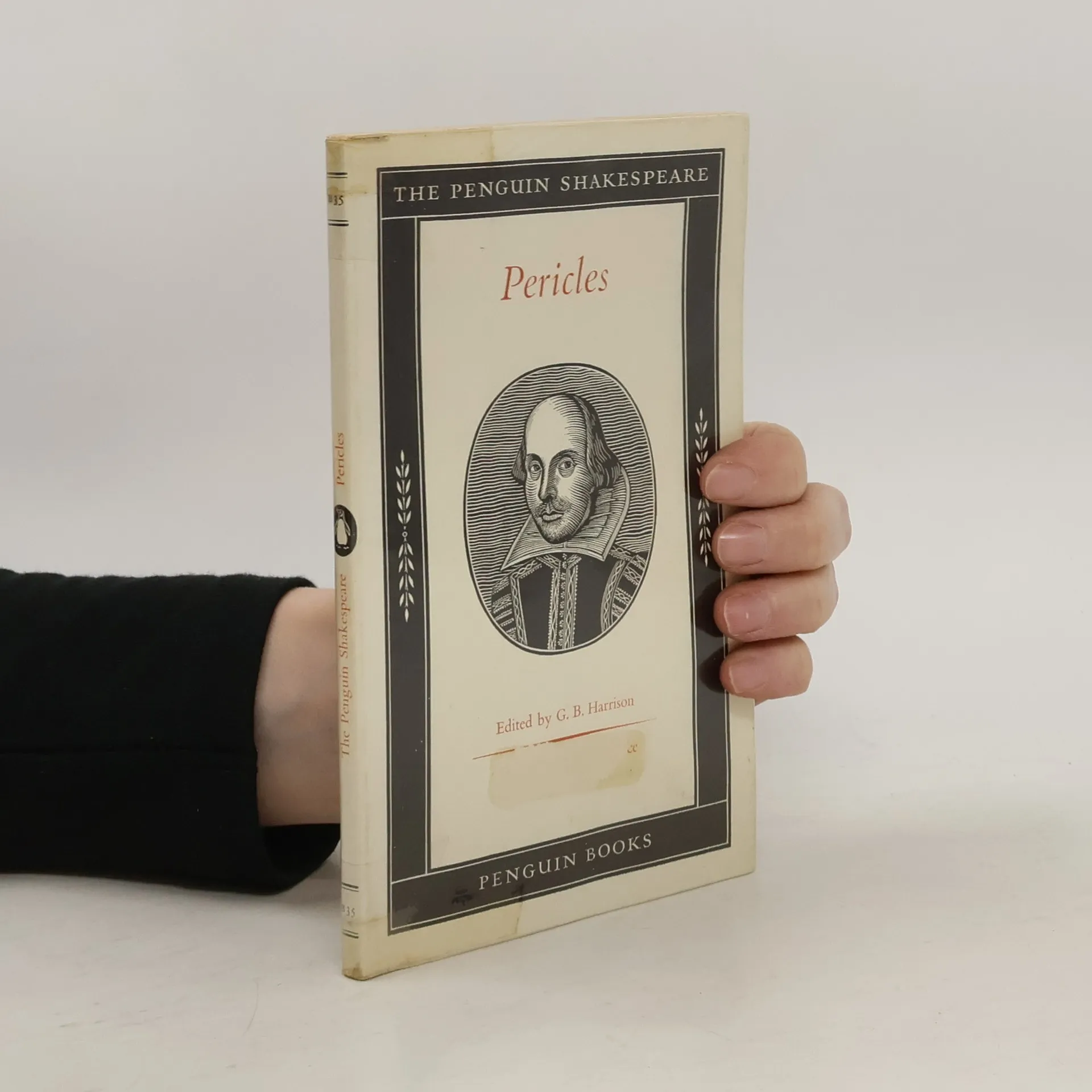
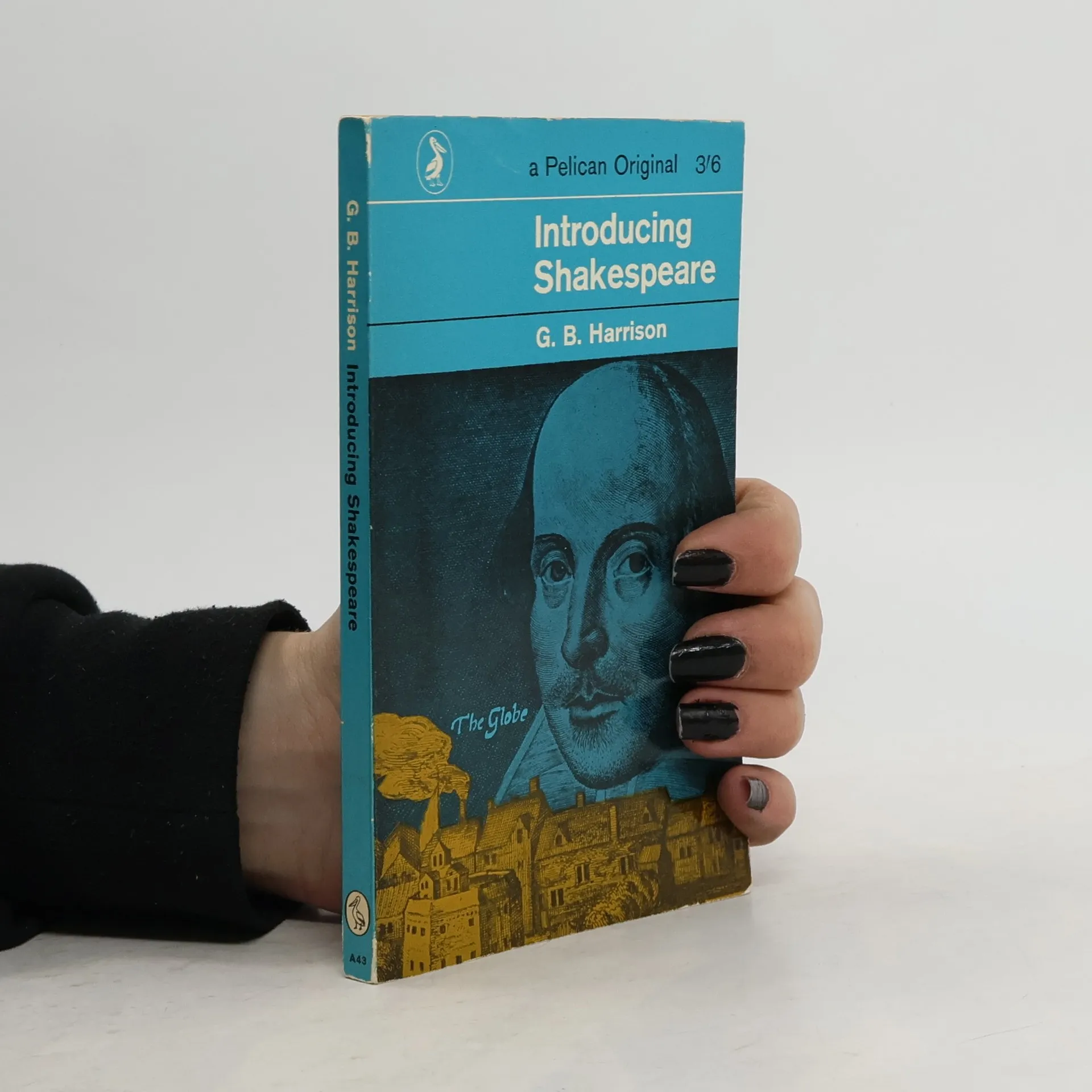
This work provides the background to Shakespeare's plays. The author shows how Shakespeare came to occupy his current position at the pinnacle of English literature, how little we know of his life and how recent scholarship has made immense strides in illuminating his works. Subsequent chapters consider what we know about the social and political scene in Shakespeare's day, the rival theatrical companies in an age of the plague, plagiarism and literary piracy and the actual design of Elizabethan playhouses. Dr Harrison concludes by looking at the established canon and its chronology, the development of Shakespeare's style and the techniques used by modern editors to turn Folios and Quartos into readable texts.
G. B. Harrison Reihenfolge der Bücher (Chronologisch)
Dieser britische Gelehrte und Kritiker tauchte in das literarische Leben und die zeitgenössischen Kontexte der elisabethanischen und jakobinischen Ära ein. Seine Werke untersuchten nicht nur William Shakespeare selbst und seine Zeitgenossen, sondern auch das breitere soziale und kulturelle Umfeld, das das damalige Drama prägte. Er widmete sich auch der Veröffentlichung von Dokumenten seiner Zeit, die das Leben und die Zeiten von Shakespeares Zeitgenossen beleuchten. Seine Schriften dienen als wertvolle Einführungen in das Studium von Shakespeares Zeitalter und bieten tiefe Einblicke in die Literaturkritik und ihre Entwicklung.
Tradition holds that Shakespeare wrote the comedy The Merry Wives of Windsor at the request of Queen Elizabeth, who was fond of the character Falstaff and wanted to see him in love on stage. However, Shakespeare cleverly subverts this expectation, as Falstaff is not in love with the two Windsor wives but rather with their husbands' money. His plan to acquire this wealth ultimately fails, and in the comedic conclusion of the play, he is ritually punished and ridiculed in Windsor Park. The Merry Wives of Windsor is unique as Shakespeare's only comedy set in England and his only middle-class comedy. It captivates with its bursts of linguistic wit, as each character possesses a distinct and individual speech. The Welsh priest Hugo Evans distorts English with his accent and comically twisted phrases, while Dr. Caius, a Frenchman, mangles English with his French pronunciation and idioms. Mistress Quickly speaks in her own unique manner, and of course, Sir John Falstaff stands out as one of Shakespeare's greatest comedic characters.
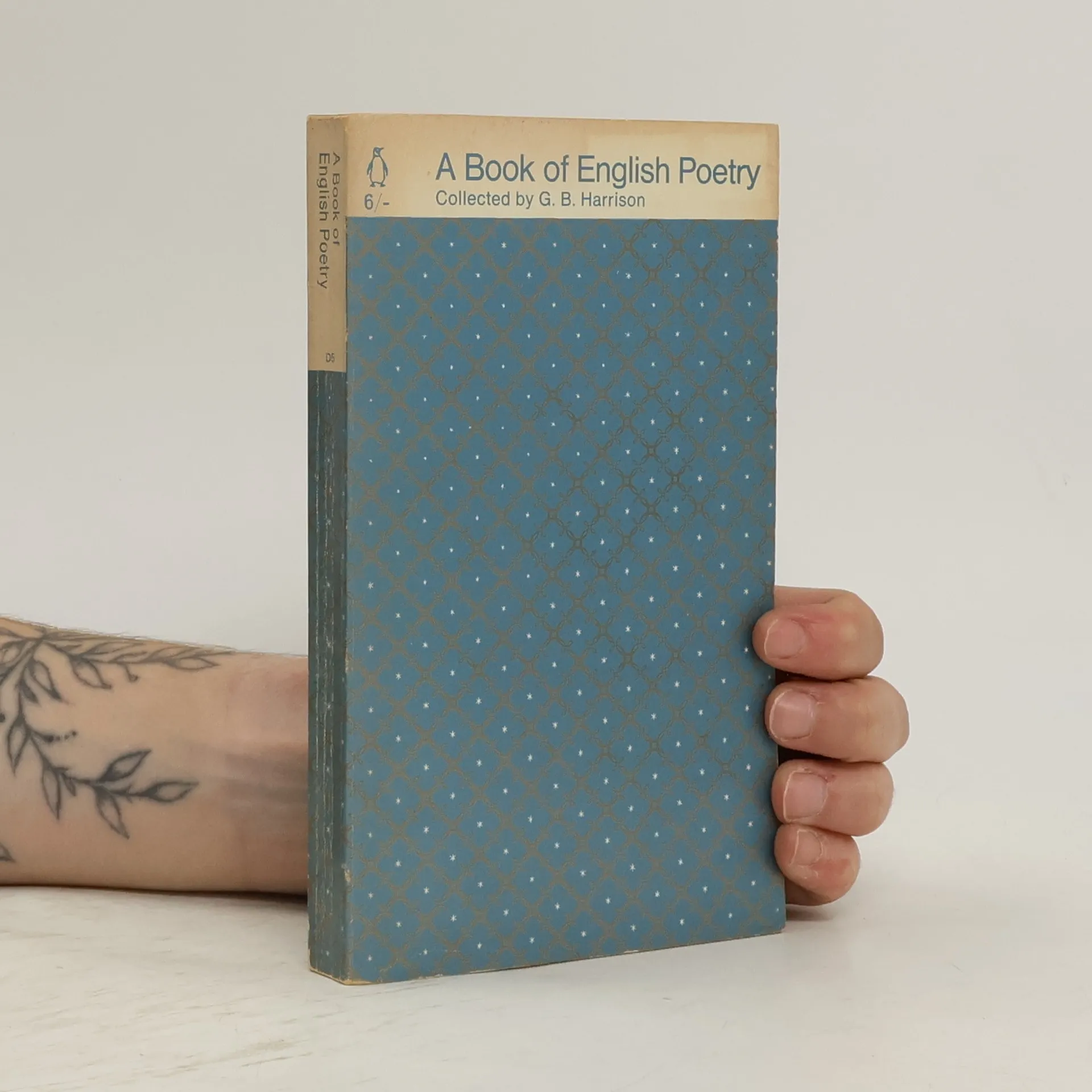
Representing English poets from the 14th to the 19th century, this anthology includes over 200 poems by over 60 poets. They are arranged chronologically and early English has been made accessible to the modern reader. Extracts are given, where necessary, so that longer works are not overlooked.