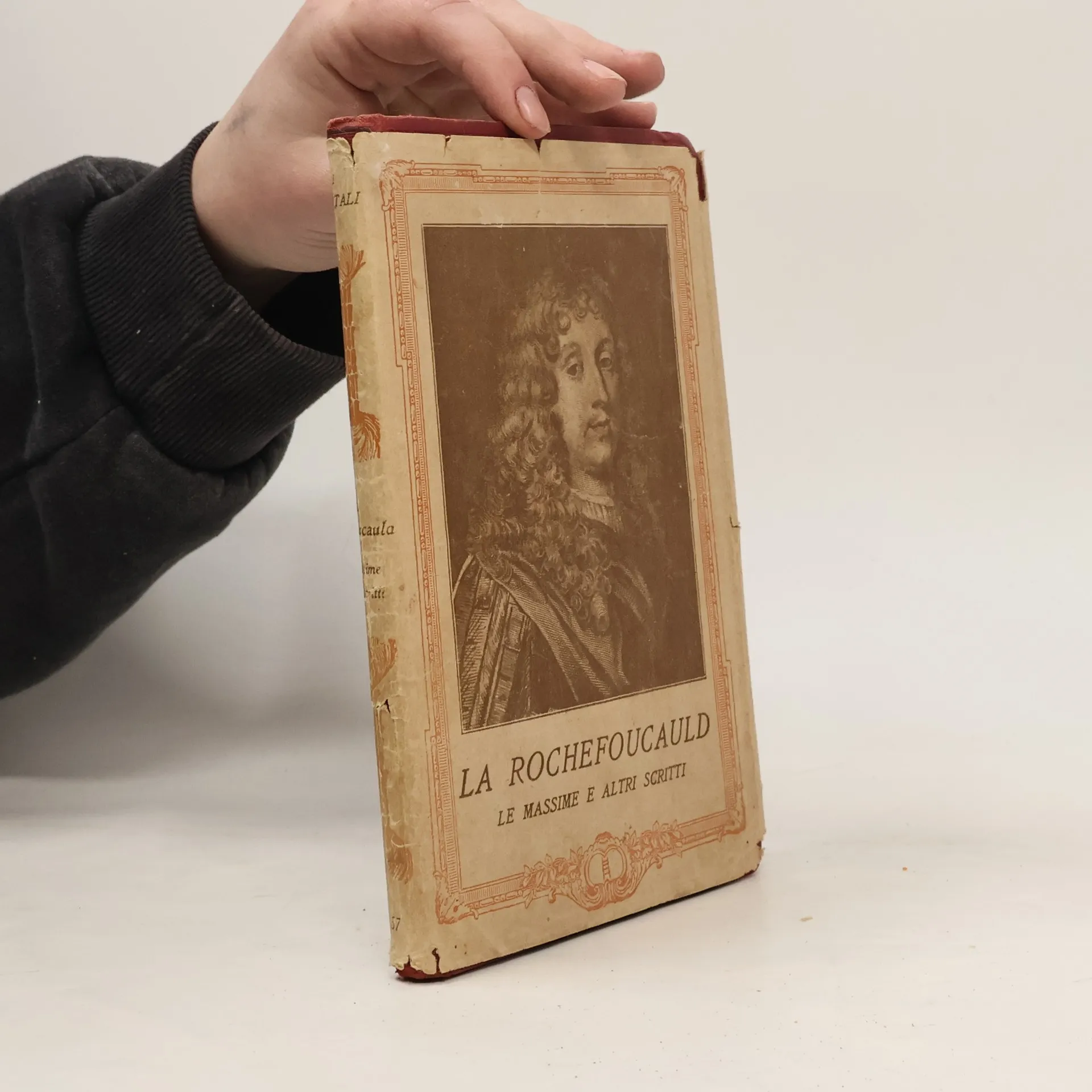
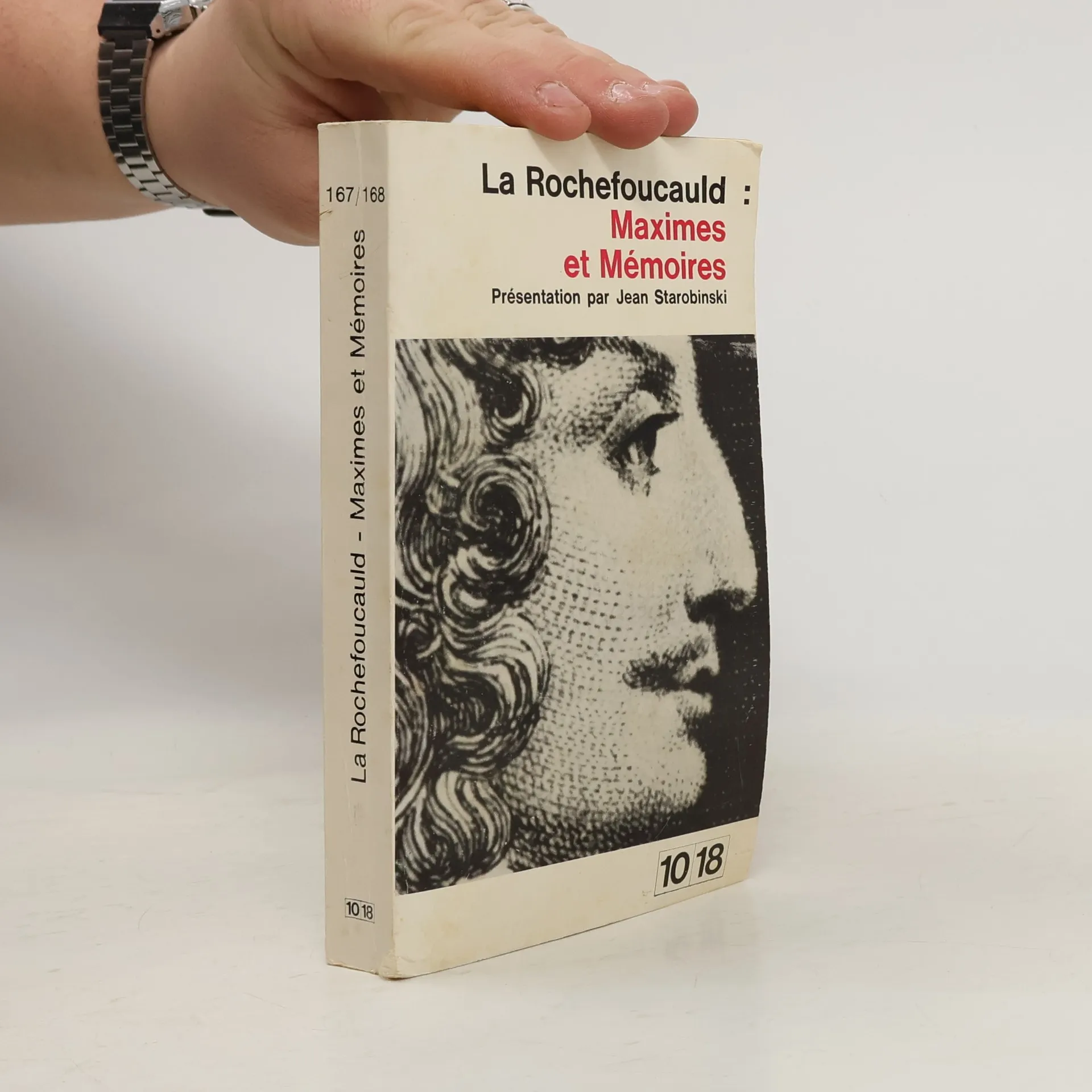
François de La Rochefoucauld Bücher
Der französische Autor des 17. Jahrhunderts, François VI. de La Rochefoucauld, ist bekannt für seine Maximen und Memoiren. Sein Werk bietet eine klare und weltgewandte Perspektive auf die Welt, die menschliches Verhalten weder verurteilt noch sentimental feiert. Seine nachdenklichen Beobachtungen spiegeln die komplexe Ära wider, in der er lebte, und bieten bleibende Einblicke in die menschliche Natur.
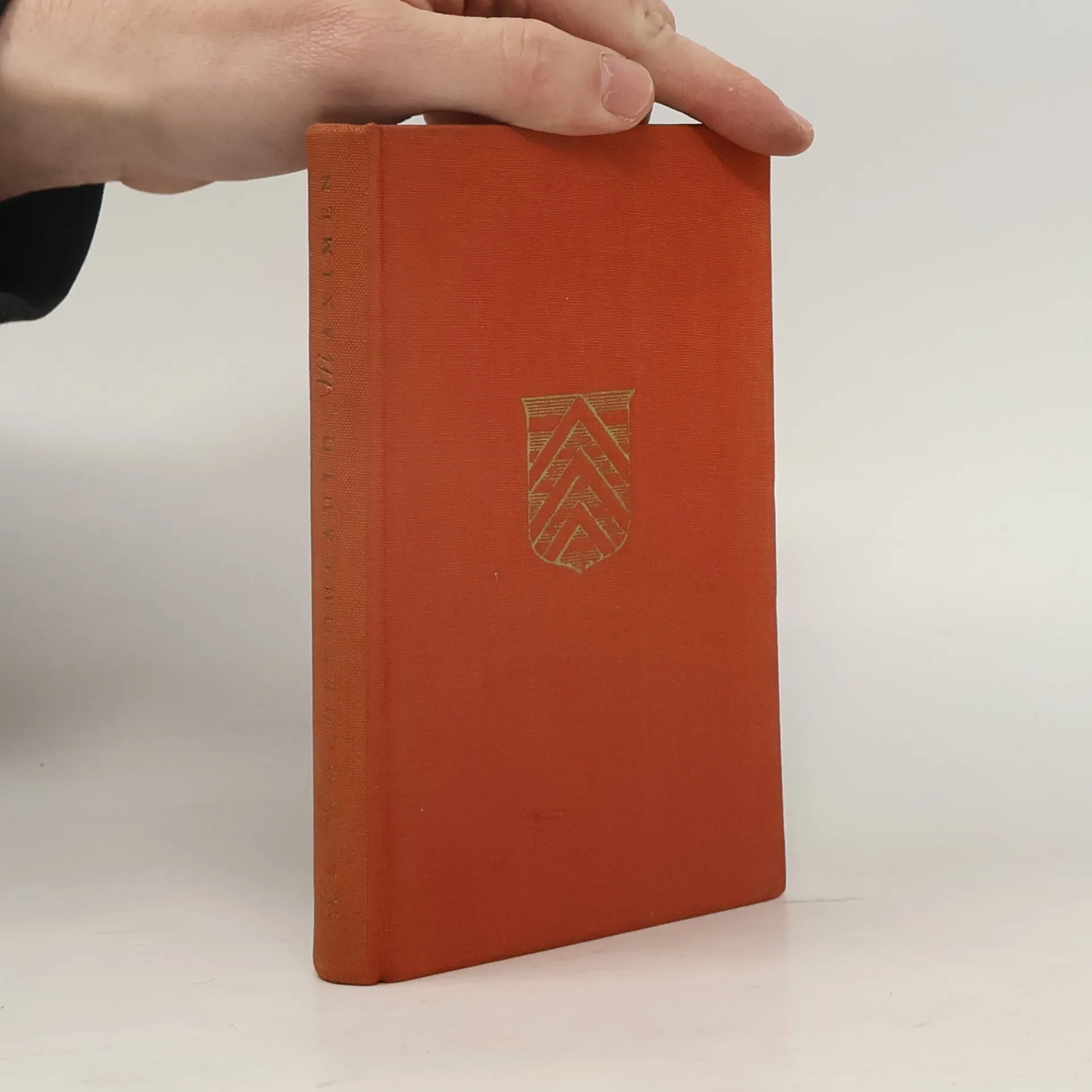
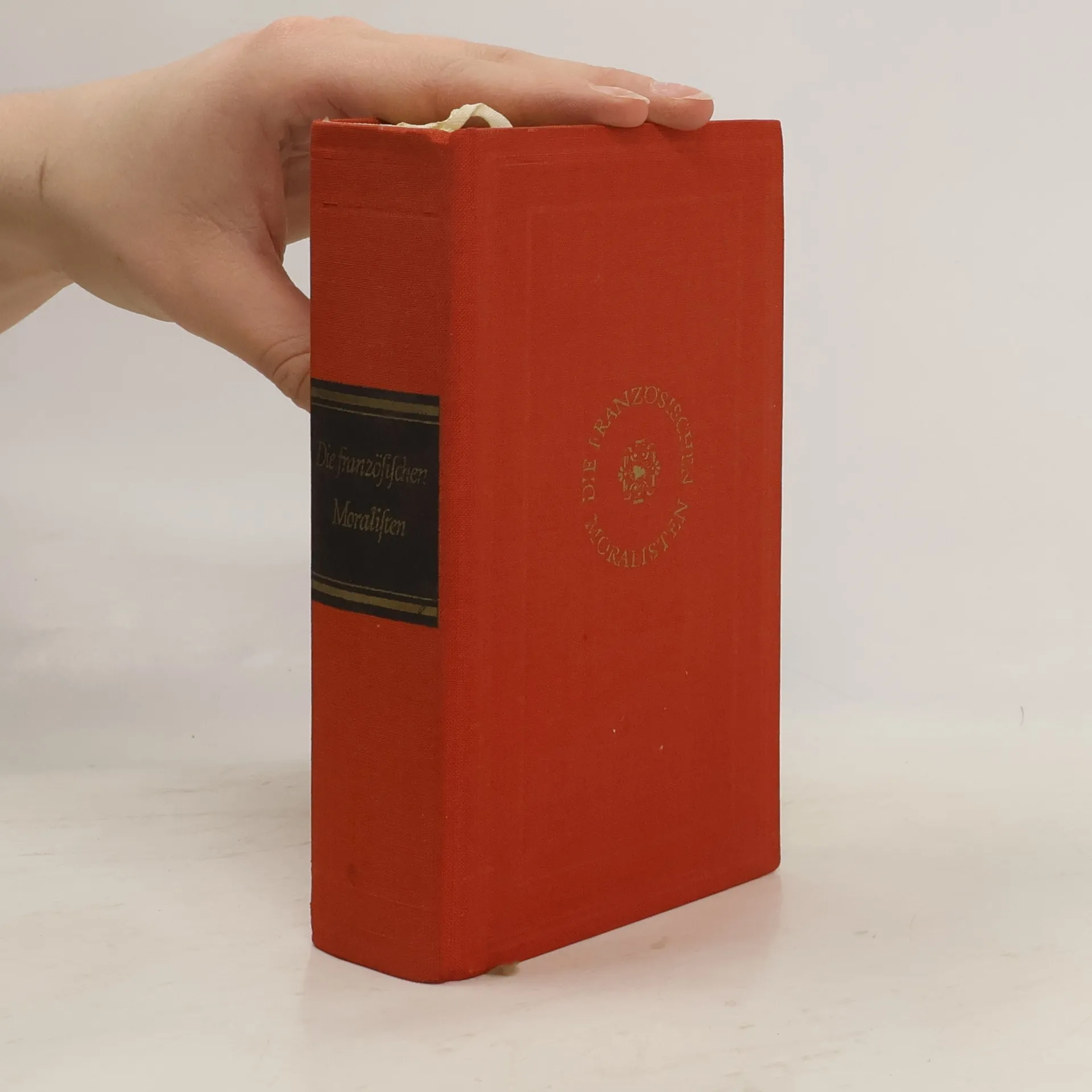
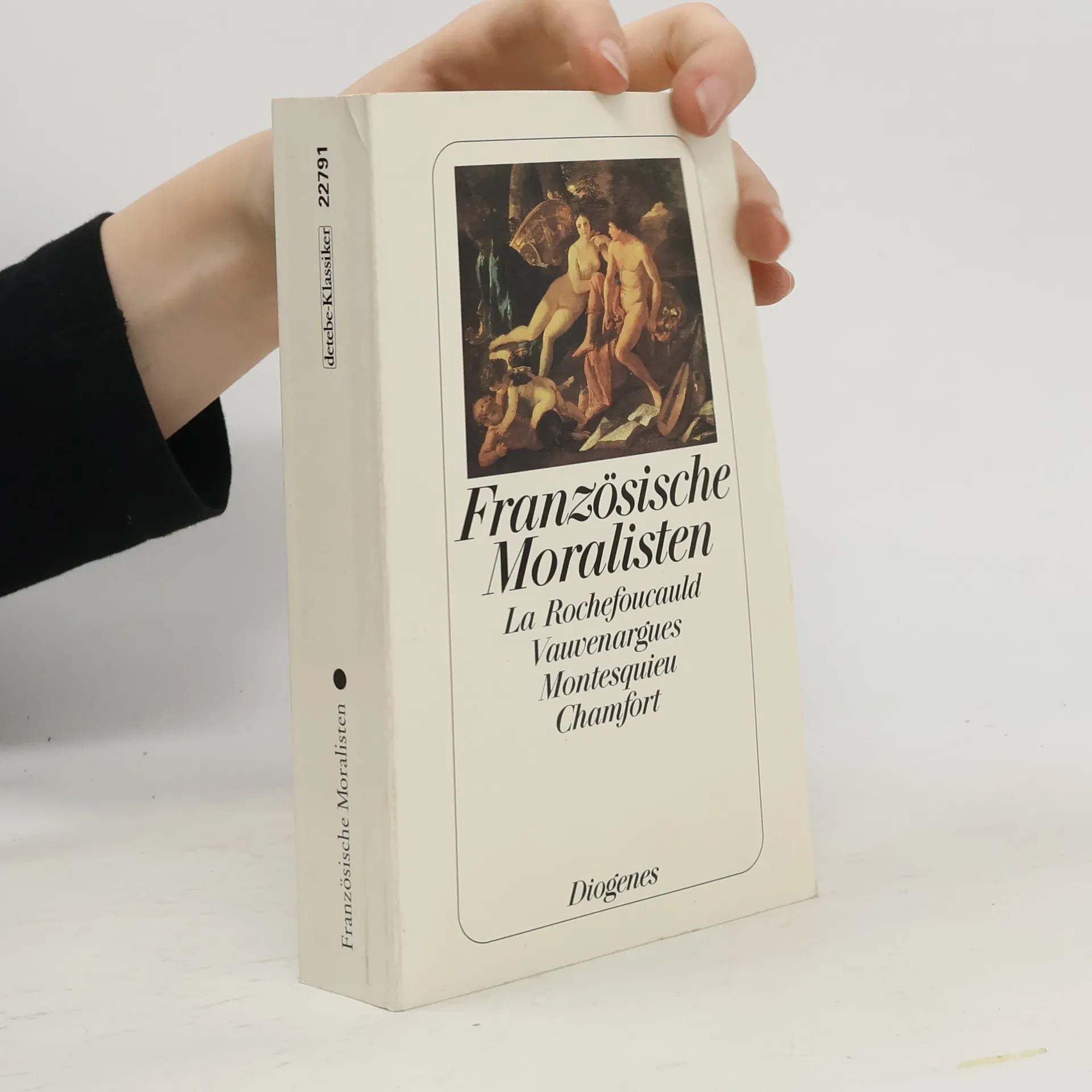

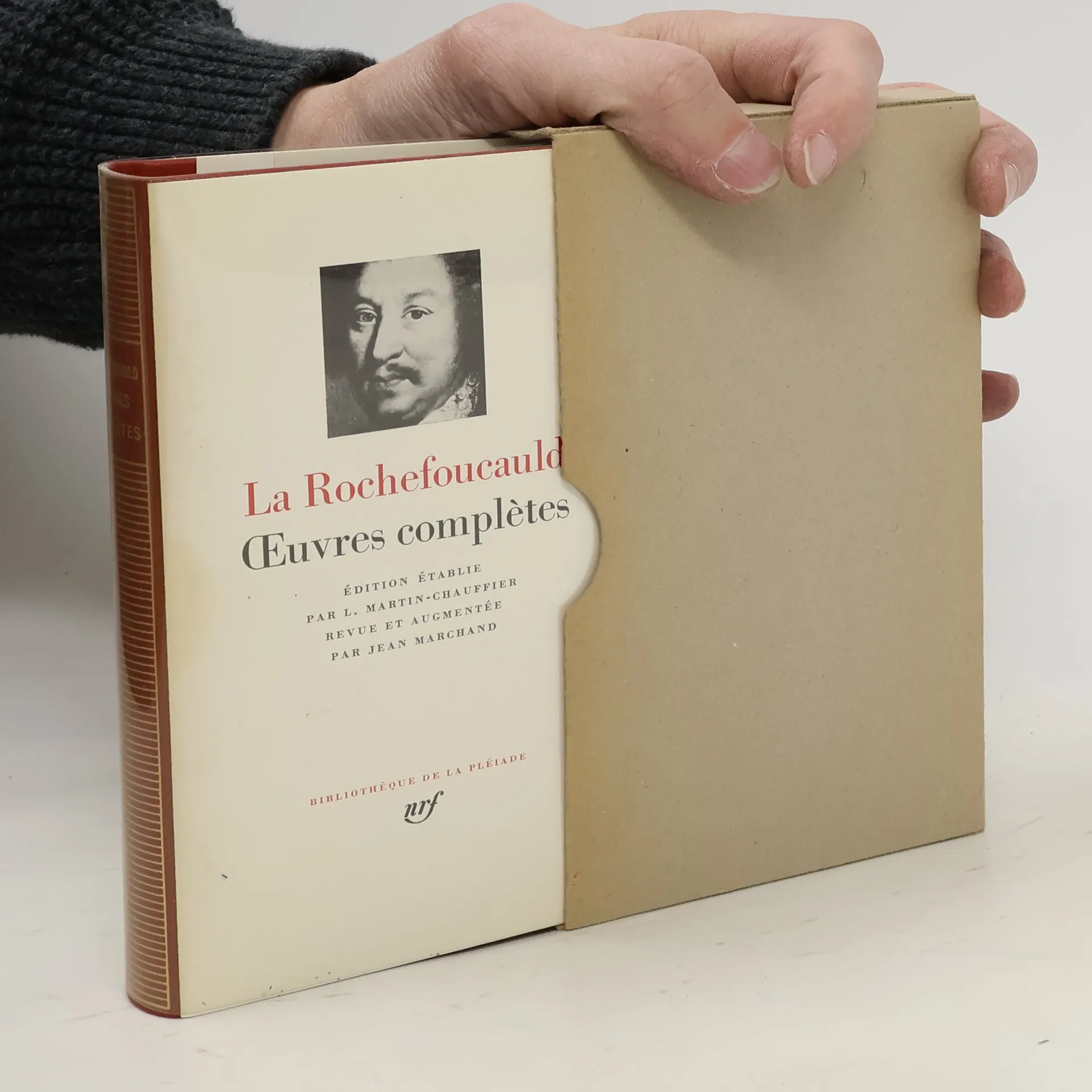
Französische Moralisten
- 714 Seiten
- 25 Lesestunden
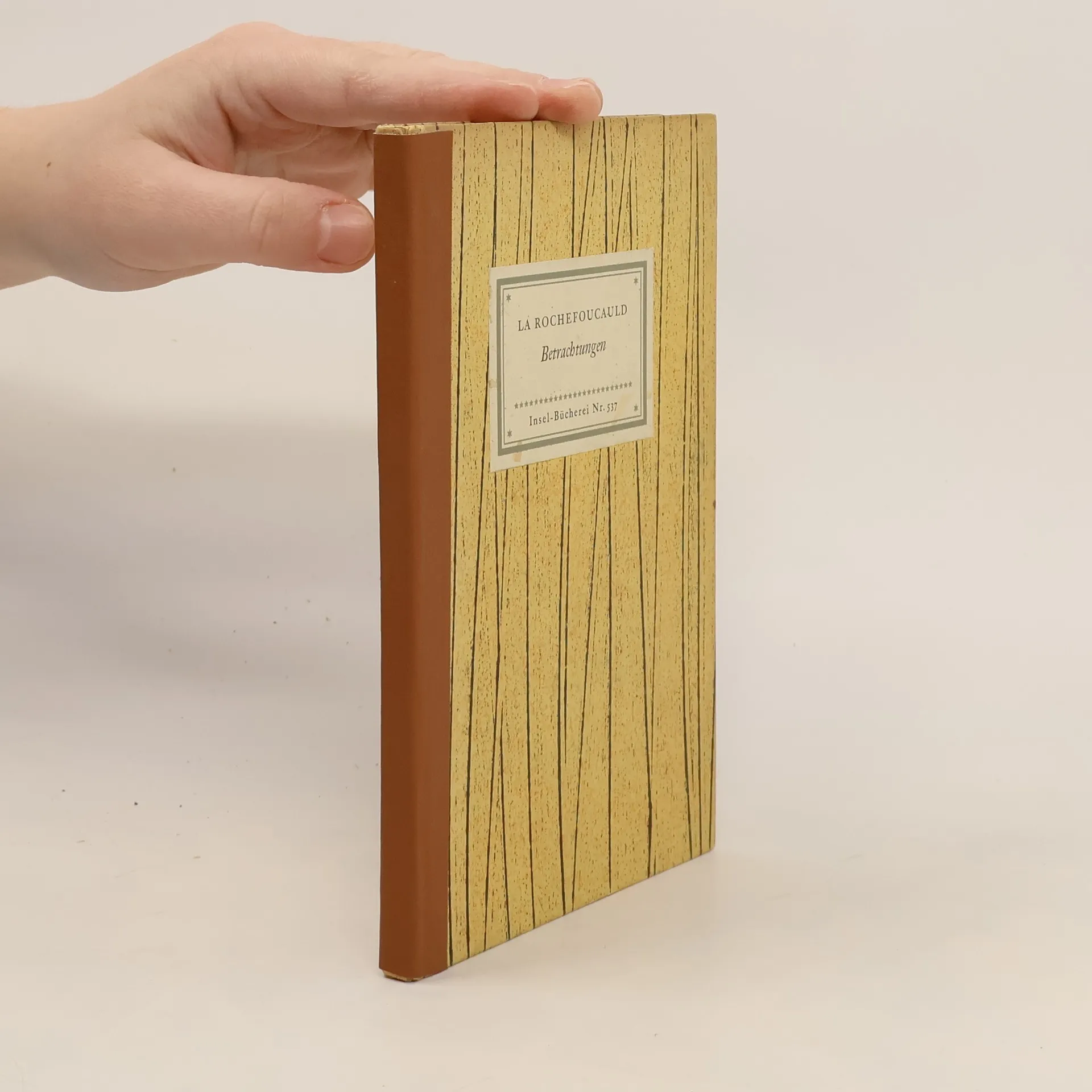
Schule des Herzens
- 92 Seiten
- 4 Lesestunden
Der Eigennutz, dem man alle unsere Vergehen aufbürdet, verdient oft das Lob für unsere guten Handlungen. Die Großmut ist durch ihren Namen hinlänglich bezeichnet; gleichwohl könnte man sagen, sie sei der Scharfsinn des Stolzes und das edelste Mittel, bewundert zu werden. Wir verzeihen oft denen, die uns langweilen, aber niemals denen, die wir langweilen.
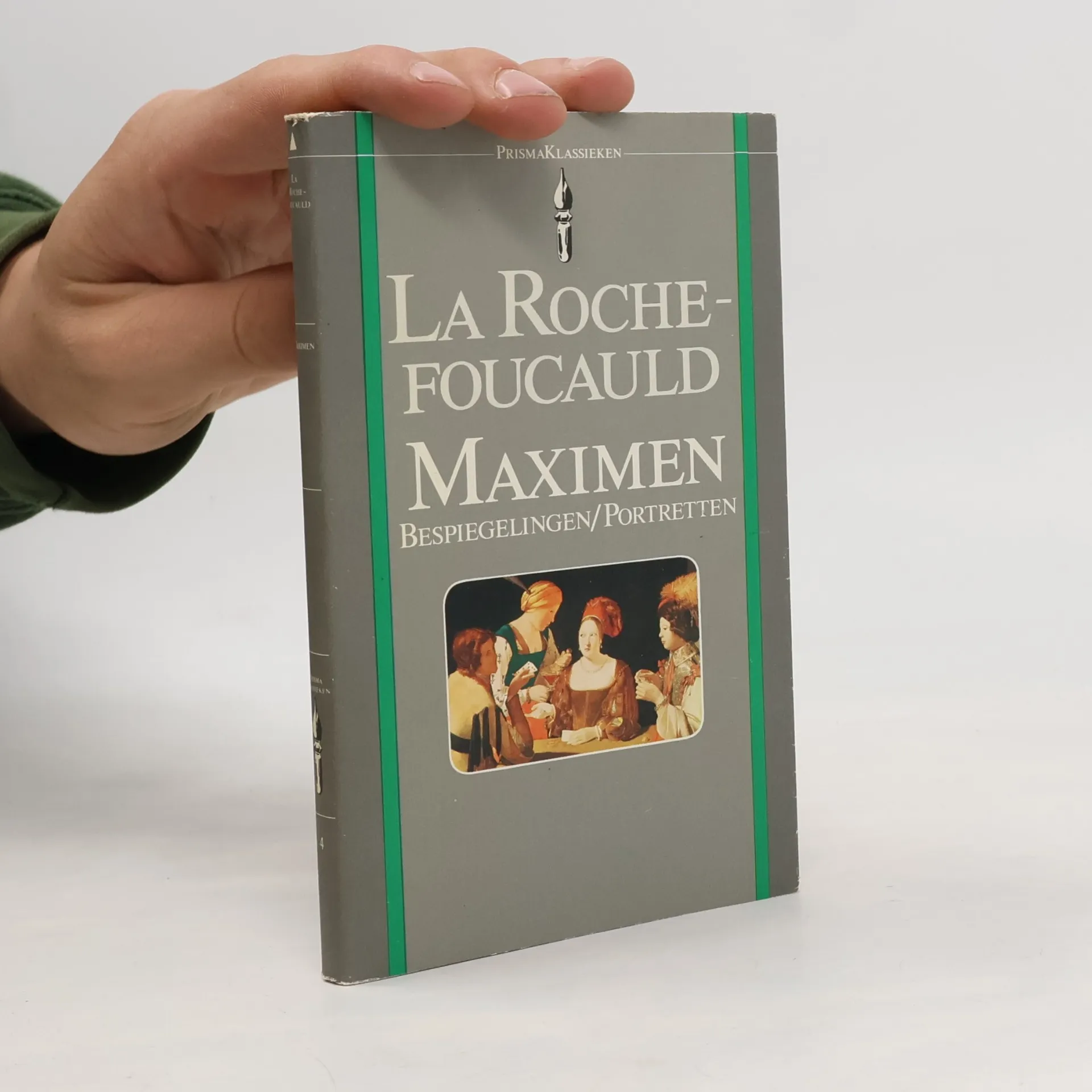
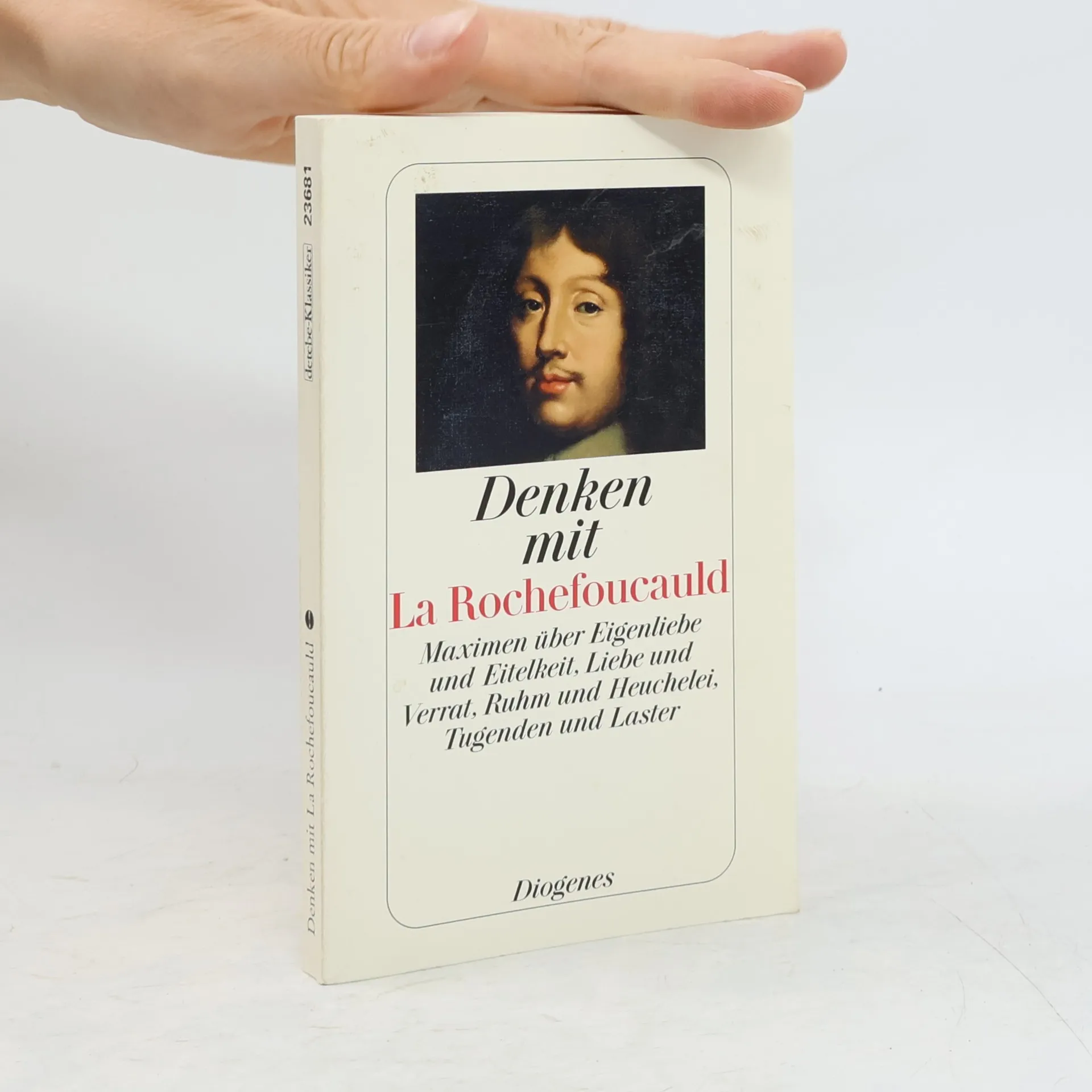
Denken mit La Rochefoucauld
Maximen über Eigenliebe und Eitelkeit, Liebe und Verrat, Ruhm und Heuchelei, Tugenden und Laster
La Rochefoucaulds Leben könnte einem Roman von Balzac entnommen sein; seine Wirkung als erster Aphoristiker unserer Kultur war nachhaltig: Lichtenberg wäre ohne ihn nicht zu denken, und Goethe schrieb seine Aphorismen unter dem Titel dieser Sentenzen-Sammlung.
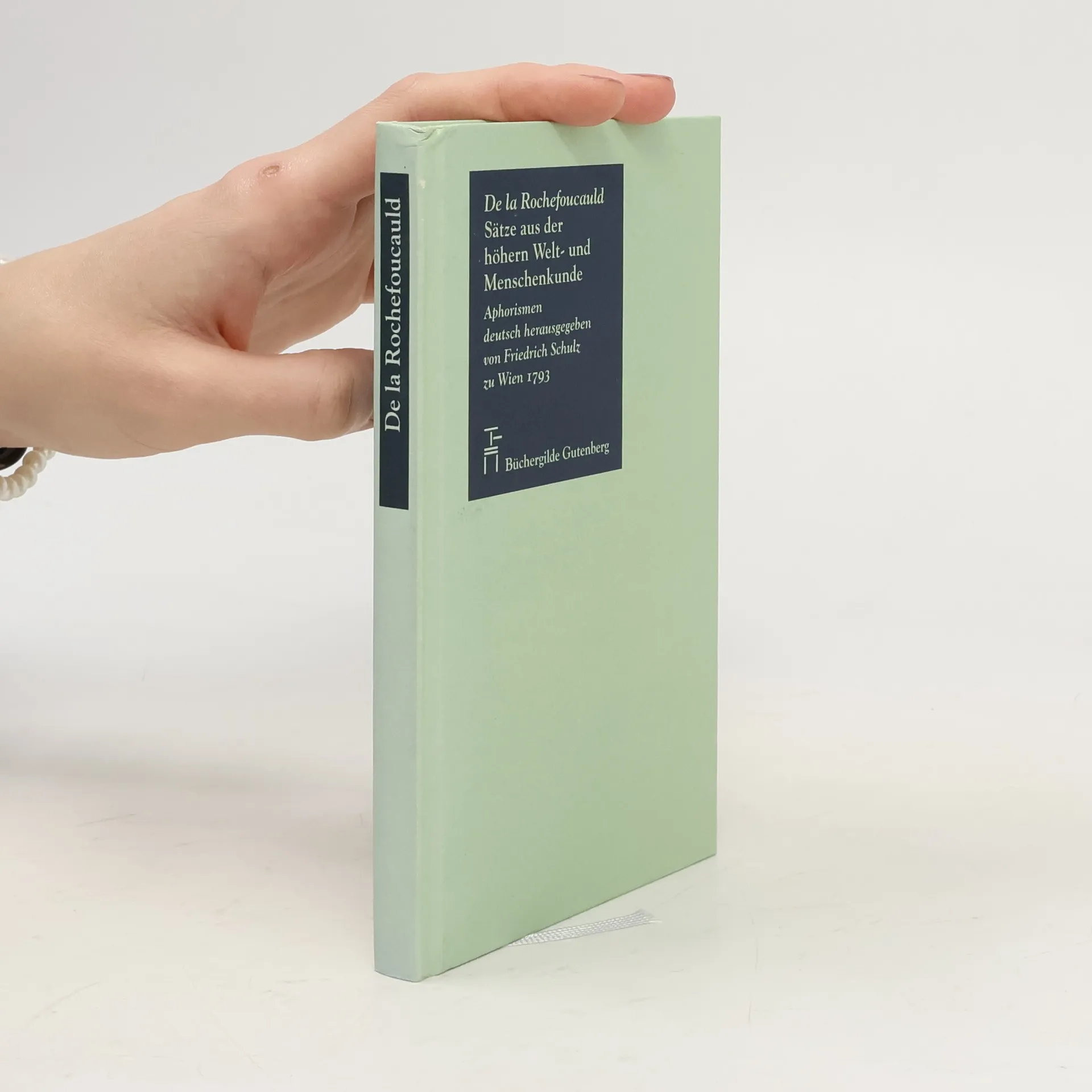
Sätze aus der höhern Welt- und Menschenkunde
- 95 Seiten
- 4 Lesestunden
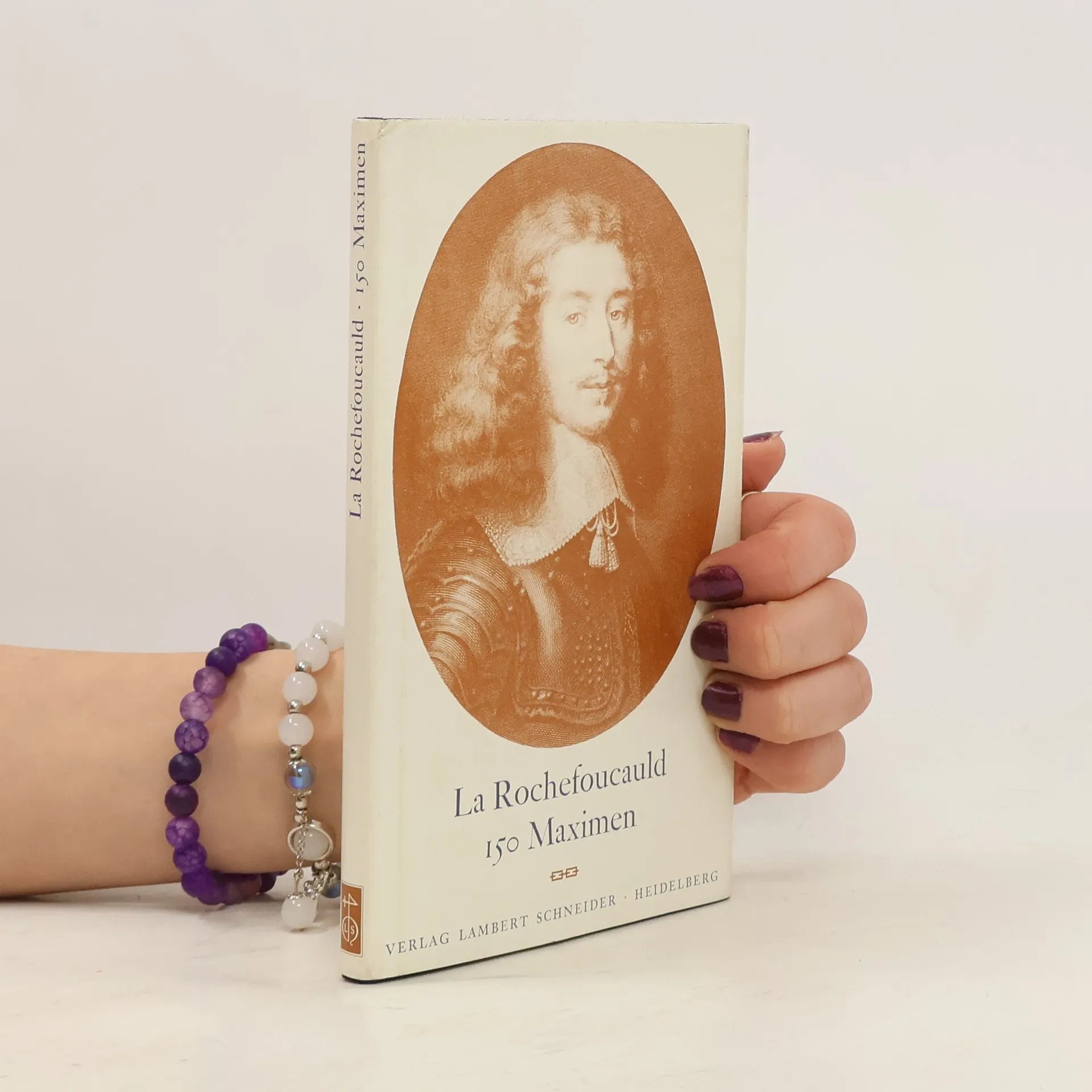
150 Maximen
- 71 Seiten
- 3 Lesestunden
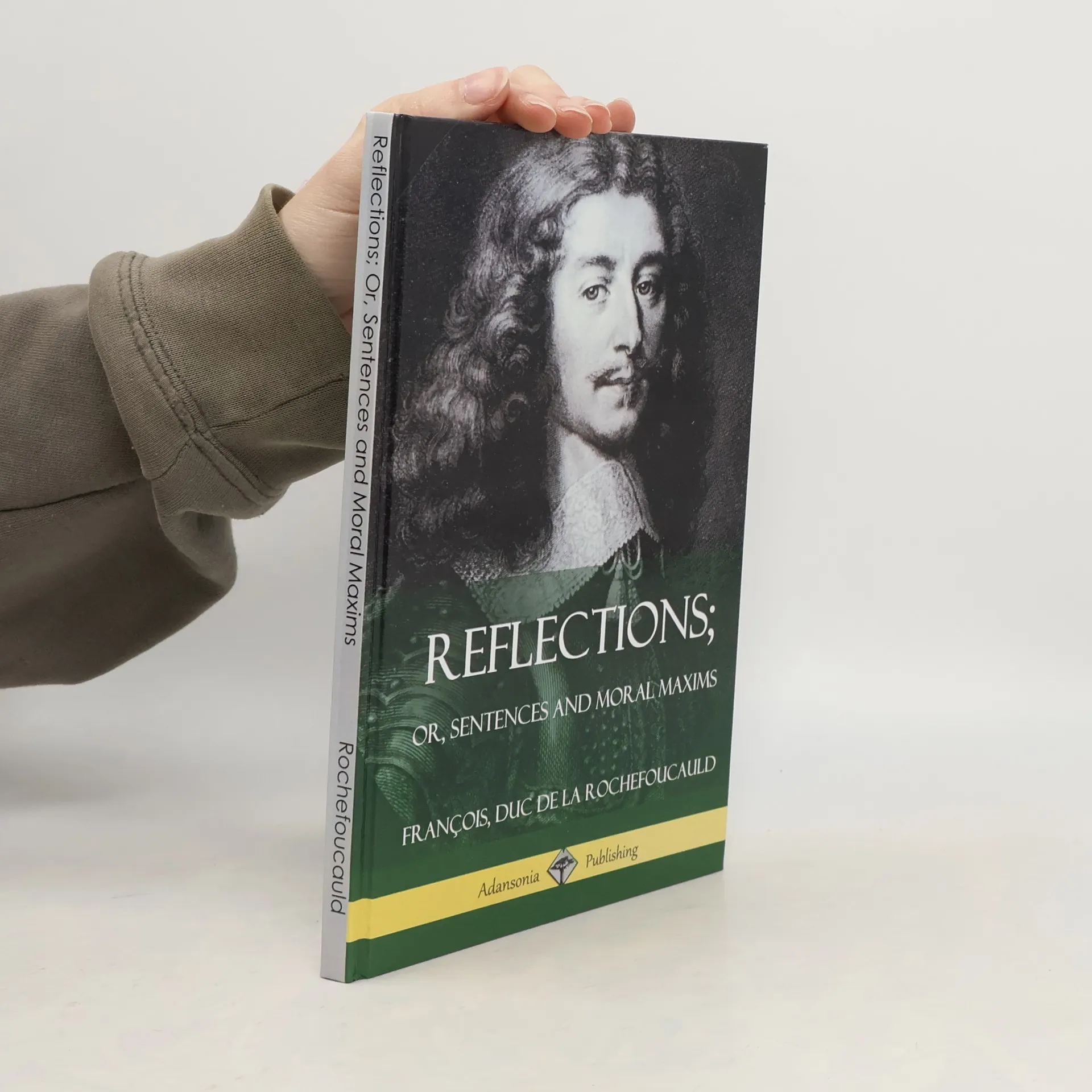
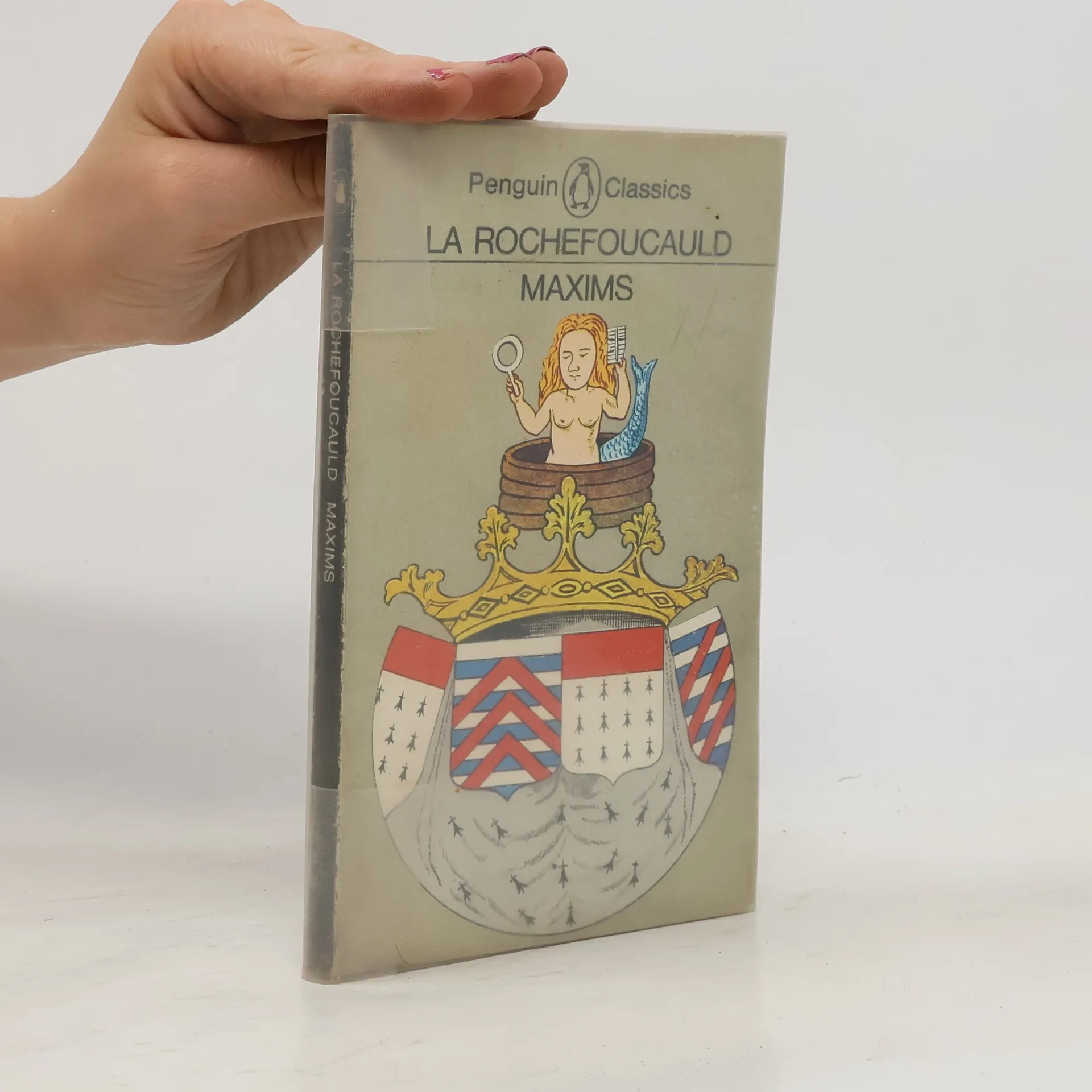
Reflections; Or, Sentences and Moral Maxims
- 80 Seiten
- 3 Lesestunden
The classic collection of wise phrases and advisory maxims by Rochefoucauld is published here in hardcover, complete with annotations. Originally written in the aftermath of decades spent in the lively and politically charged French court, Rochefoucauld had honed his wit and wisdom through having lived among and dealt with people. Admired in France for his shrewd conduct and opinions, Rochefoucauld neither praised humanity for its achievements and virtues nor condemned it for its flaws, excess pride and sins. His famous Reflections encapsulate an attitude cultivated by experience at a time of intellectual awakening in France. Rochefoucauld's even-handed nature receives due prominence in this book: his maxims are pithy and incisive, witty and occasionally profound. Something of a progenitor to Oscar Wilde for his sharp brevity, Rochefoucauld nevertheless carefully pruned and edited his maxims during his lifetime, while a few were added by admirers posthumously.
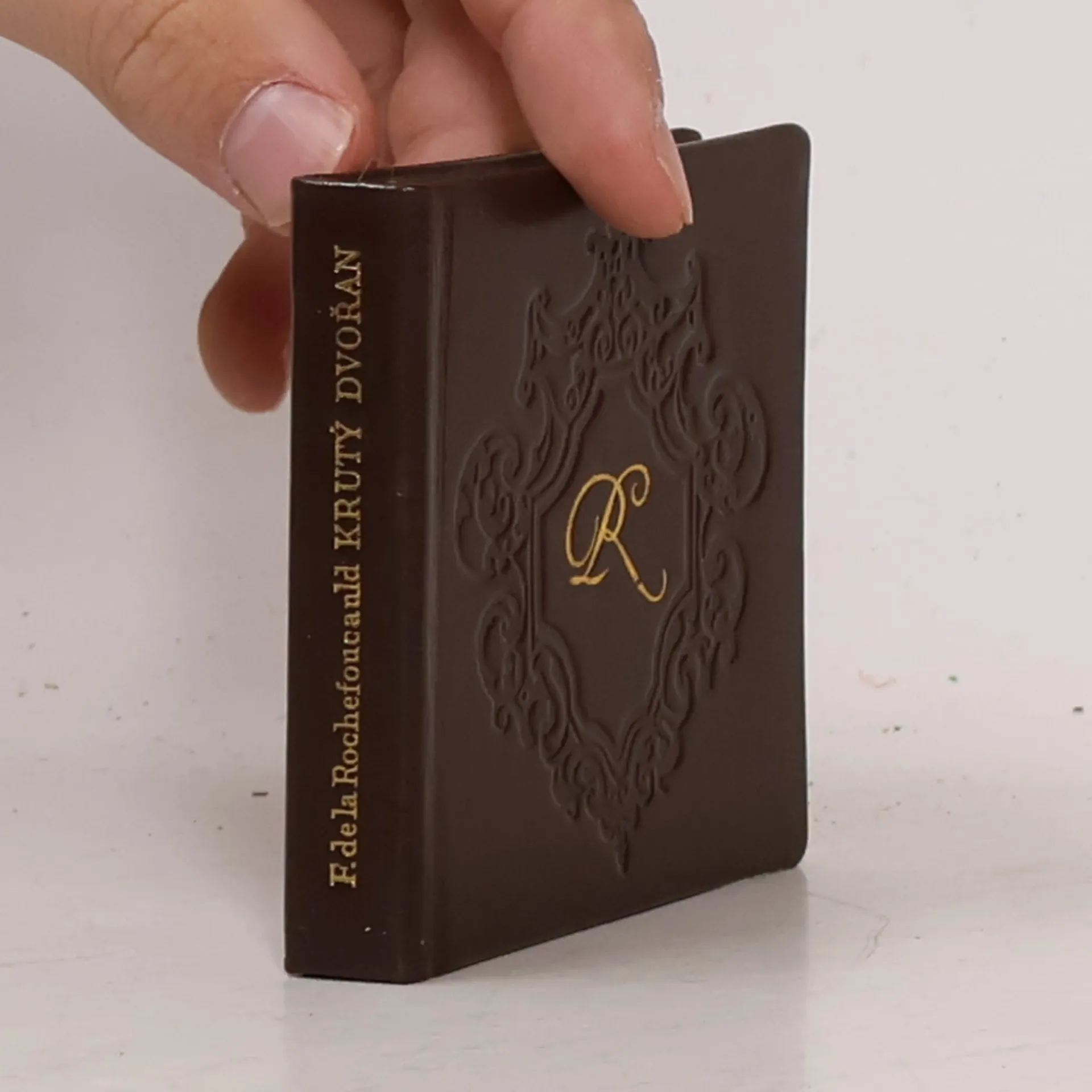
Výbor z pamětí, aforismů a korespondence. Kolibří vydání, kůže
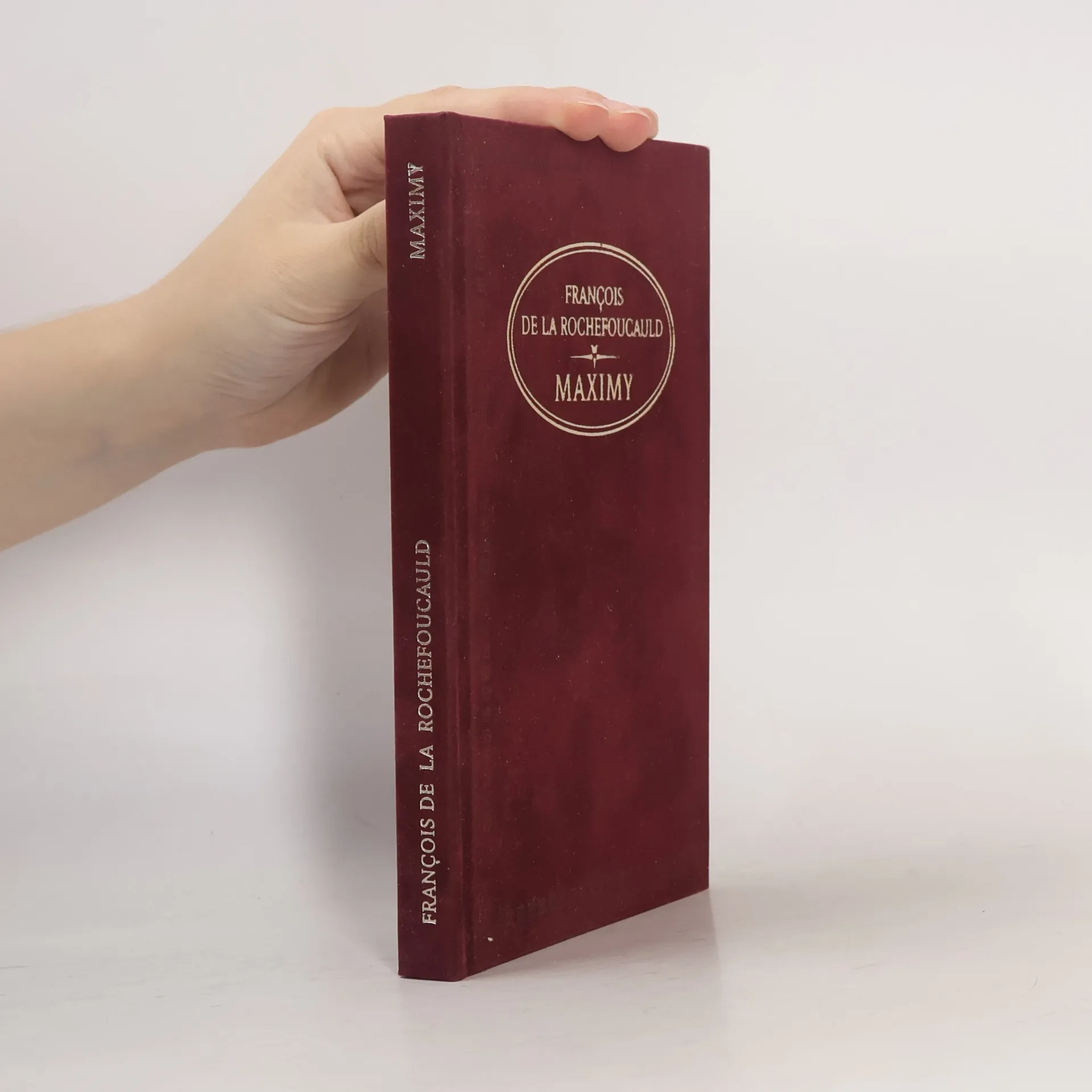
Maximy
- 125 Seiten
- 5 Lesestunden
Maximy vyšli počas La Rochefoucauldovho života v piatich vydaniach (1665, 1666, 1671,1674, 1678). Toto vydanie je prekladom posledného z nich. Okrem kompletného piateho vydania Maxím obsahuje tento súbor ešte Vyradené maximy a Posmrtné maximy. Vyradené maximy sú maximy, ktoré autor povyraďoval z jednotlivých vydaní a po prvý raz ich vydal Brotier v roku 1789. Posmrtné maximy sú maximy, ktoré autor nikdy nepublikoval a ktoré pochádzajú zo starších stavov textu Maxím (rukopisy, holandské vydanie a listy) a z dodatku Barbinovho vydania z roku 1693. V obidvoch prípadoch sú klasifikácie a číslovania, ako ho vo svojom vydaní ustanovil profesor Jacques Truchet, ktorý v 60-tych až 80-tych rokoch nášho storočia prednášal dejiny francúzskej literatúry na Fakulte filozofie a spoločenských vied v Paríži-Nanterre a na parížskej Sorbonne.
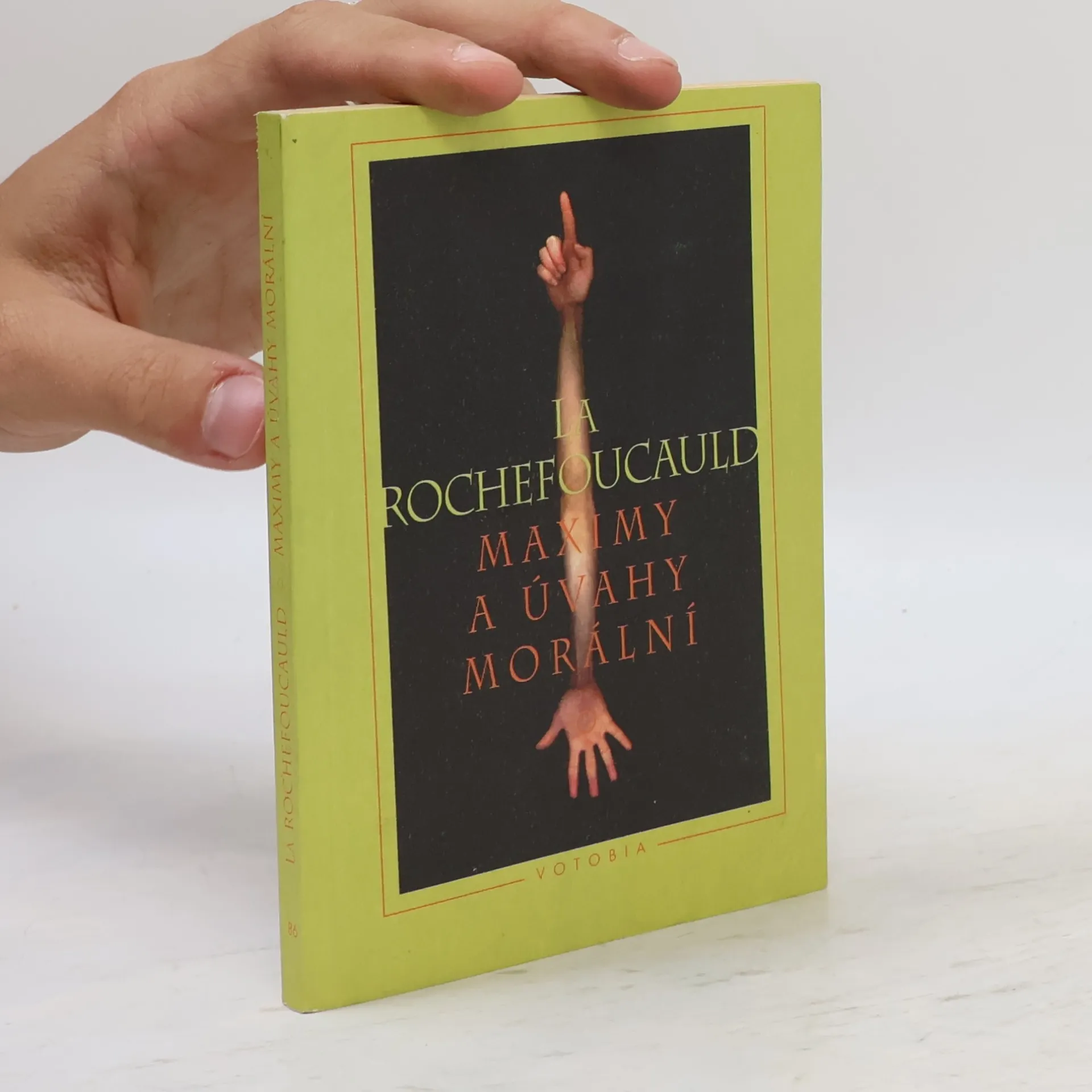
Maximy a úvahy morální
- 139 Seiten
- 5 Lesestunden
Aforismy, úvahy a postřehy k zamyšlení a lehkému filozofování o životě....
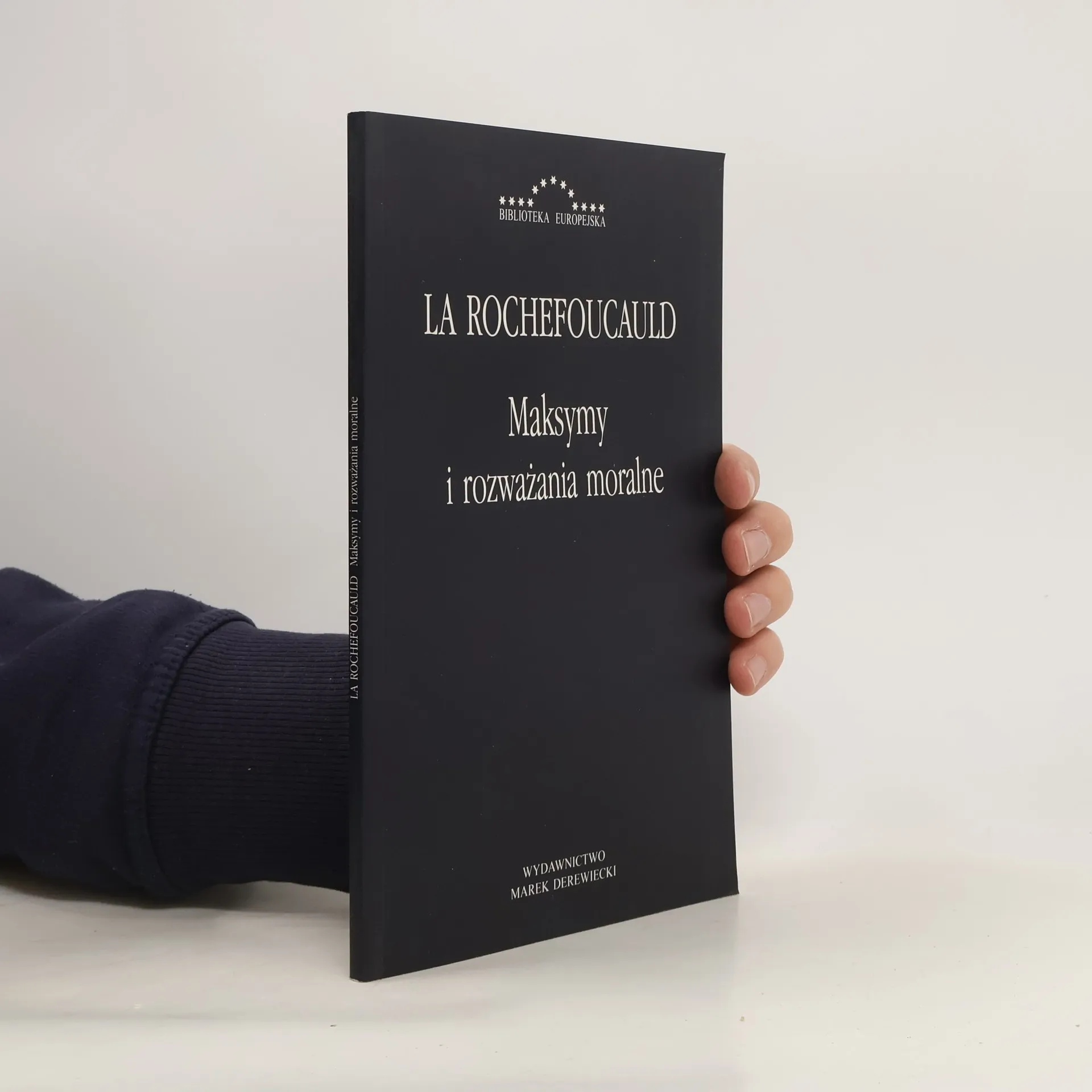
Maksymy i rozważania moralne
- 104 Seiten
- 4 Lesestunden
'Nasze cnoty są najczęściej jedynie przebranymi przywarami' oto motto jakie La Rochefoucauld daje swemu zbiorkowi i istotnie wyraża ono dobrze myśl autora. Głęboki pesymizm, niewiara w naturę ludzką, wieją z tej książeczki. Egoizm, miłość własna, lęk lub pragnienie korzyści, oto składniki, kt�re znajduje ilekroć rozbierze z osłonek jakąkolwiek czynność ludzką: oto co zostaje, gdy ją rozdziać z mniej lub więcej świetnych pozor�w. Z zadziwiającą przenikliwością i sztuką, z piekielnym iście upodobaniem, ściga autor nasze pobudki aż do najtajniejszych zaułk�w duszy; zarazem, zatapiając i obracając ten sztylet w sercu ludzkim, dba o to, aby jego rękojeść była najpiękniej rzeźbiona, aby forma każdego aforyzmu była najbardziej misterna, iżby tym okrutniej występowała na jak ironia treści.
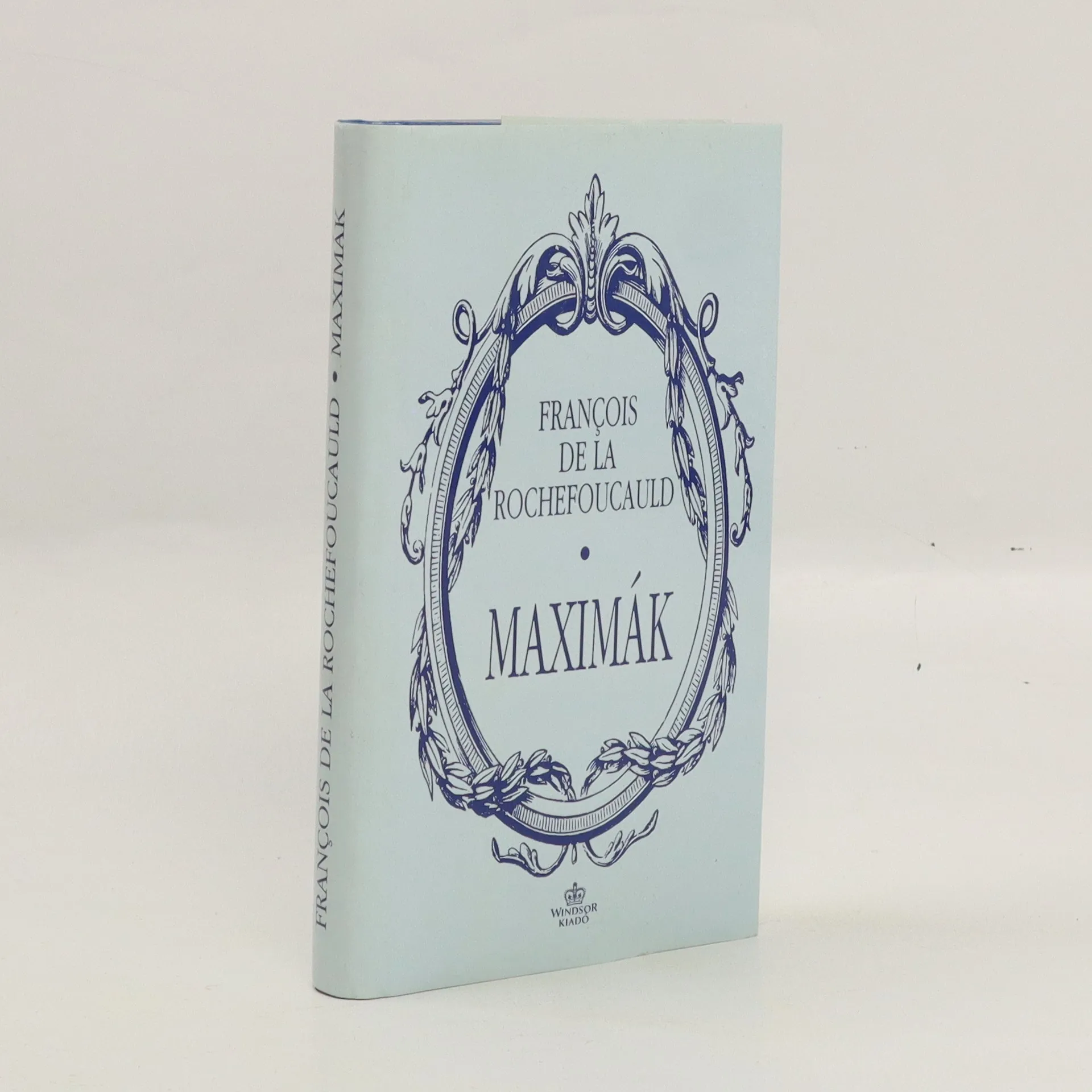
Maximák
- 181 Seiten
- 7 Lesestunden
A bölcs jobban jár, ha nem bocsátkozik harcba, mint hogyha győz. Mielőtt erősen vágyódnánk valamire, meg kell vizsgálnunk: milyen boldog az, akinek birtokában van. Sok ember akar istenes lenni, de alázatos senki. Az igazi önkínzás az, amiről nem tud senki; a többit a hiúság könnyűvé teszi. A szerelem legnagyobb csodája az, hogy kigyógyít a kacérságból.