

Gratis Versand in ganz Deutschland
Bookbot

Christoph Bluth

    The two Germanies and military security in Europe
    Britain, Germany, and western nuclear strategy
    Shadows of War
    Dilemmas of Human Rights and Security in Asia
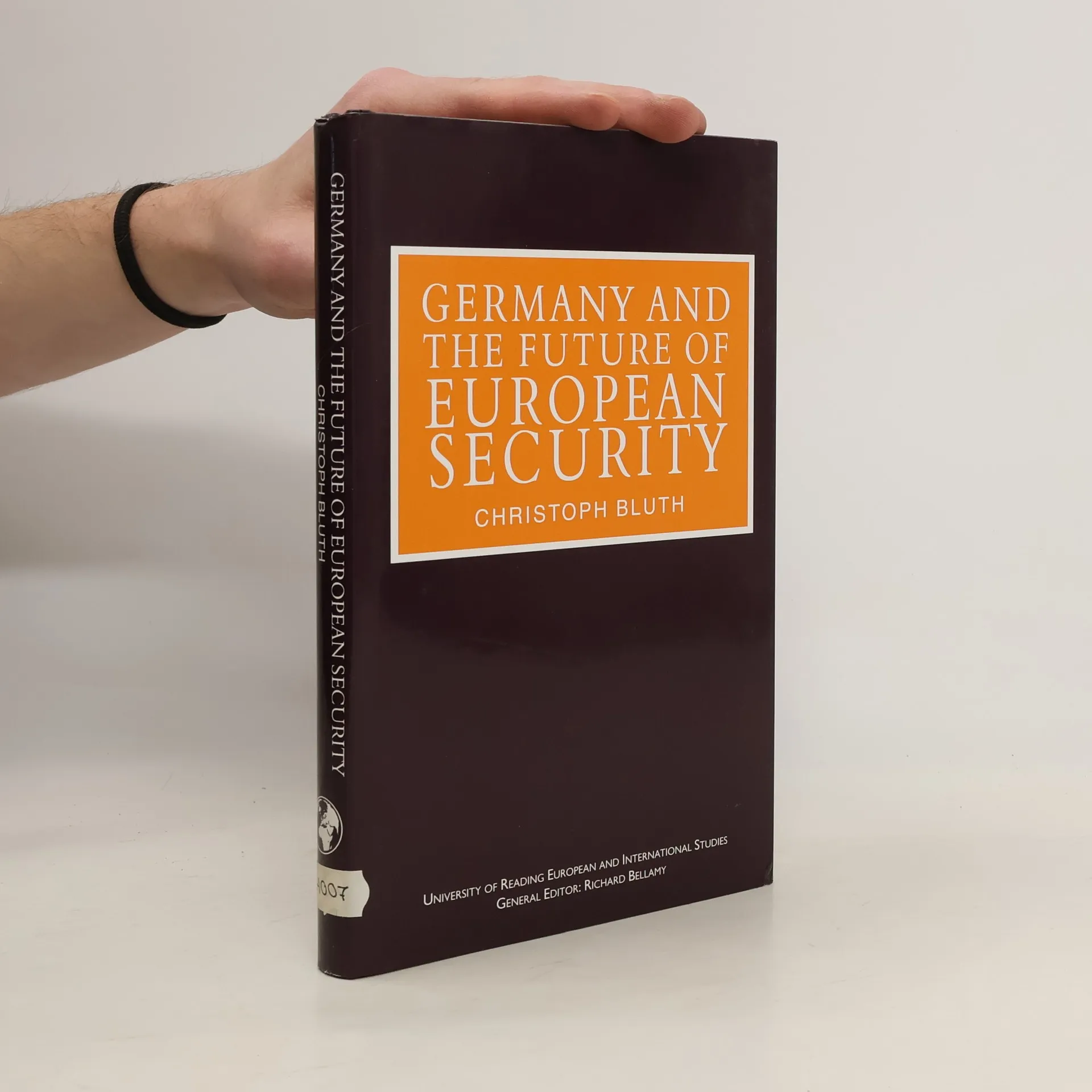
    Germany and the Future of European Security
    India-Pakistan Strategic Relations
    • India-Pakistan Strategic Relations

      The Nuclear Dilemma

      • 350 Seiten
      • 13 Lesestunden
      3,0(1)Abgeben

      India and Pakistan have experienced ongoing conflict since their creation post-decolonization, leading to multiple wars and armed clashes. The expectation was that their status as nuclear powers would alter their approach to warfare, as International Relations theory suggests that nuclear-armed states typically avoid direct conflict. However, the dynamics in South Asia challenge this assumption. India's conventional military advantage is countered by Pakistan's nuclear capabilities, which should theoretically reduce Pakistan's risk-taking behavior. Contrary to these expectations, the nuclear status has seemingly exacerbated tensions and increased the frequency of armed confrontations. Bluth and Mumtaz investigate this paradoxical effect of nuclearization on the India-Pakistan conflict, focusing on the stability of this unusual strategic relationship. They argue that the prevailing paradigms in International Relations literature fail to adequately explain the complexities of their interactions and aim to develop a more coherent framework. This analysis is essential for those interested in International Relations and conflict resolution research.

      India-Pakistan Strategic Relations
    • Germany and the Future of European Security examines the impact of unification on German foreign and security policy, providing the first comprehensive analysis of how the unified Germany has adapted to the post-Cold War security environment. The book considers the development of Germany's understanding of the European security environment, Germany's national interests, its role in Europe and the international system and the policy instruments at its disposal. This provides a context for testing various views about the future of European security more generally.

      Germany and the Future of European Security
    • The book explores the complex causes behind significant refugee flows to Europe and North America, highlighting regional conflicts, global warming, and political repression. It delves into the security situations in Asia and the impact of transnational crime, including trafficking and human slavery. Aimed at volunteers and professionals, it serves as a valuable resource for understanding the dynamics of refugee migration and offers essential background information for those supporting affected individuals.

      Dilemmas of Human Rights and Security in Asia
    • Shadows of War

      Arms Control and the Military Confrontation in Central Europe During the Cold War

      • 164 Seiten
      • 6 Lesestunden

      Focusing on the intricate negotiations of the Cold War, this book delves into the Mutual and Balanced Force Reductions (MBFR) aimed at mitigating the risk of war in Europe. Through groundbreaking archival research, it uncovers the true intentions and strategies of NATO and the Warsaw Pact during these discussions, revealing the underlying reasons for the eventual failure to reach an agreement. This work significantly enhances the understanding of the complexities surrounding Cold War history and the military dynamics at play.

      Shadows of War
    • This comprehensive account of post-World War II British and German policies towards nuclear weapons describes how these policies interacted in the context of alliance strategy.

      Britain, Germany, and western nuclear strategy
    • This original study based on documents, hitherto not discussed in literature of the Cold War, adds a significant new perspective to an important episode in Cold War History. The subject of this book is the policy of the two Germanies towards the talks on Mutual and Balanced Force Reductions (MBFR) in Europe during the 1970s. Negotiations on MBFR continued for a long time without progress. There has been much speculatuion about the motivations of the Eastern side. This book makes use of newly declassified files and, for the first time, reveals the true purposes and intentions of the Warsaw Pact in those negotiations.

      The two Germanies and military security in Europe