

Aaliya ist 72 Jahre alt und lebt allein in einer Wohnung in Beirut. Allein, seit sie mit Anfang zwanzig kinderlos von ihrem Mann geschieden wurde. Seitdem umgibt sie sich mit Büchern. Sie arbeitet als Buchhändlerin und übersetzt jedes Jahr eines ihrer Lieblingswerke ins Arabische. Wieder neigt sich das Jahr dem Ende zu und zum ersten Mal ist Aaliya unsicher, welches Buch sie als nächstes übersetzen soll. Sie beginnt ihr Alter zu spüren. Erinnerungen durchziehen ihre Gedanken. An ihre Familie. An das Leben in Beirut während des Bürgerkriegs. An Hannah, ihre einzige Freundin. „Großartig." (Rachel Kushner) Gewinner 2015 California Book Award.
Rabih Alameddine Bücher
Rabih Alameddine ist ein Autor, dessen Werk die Komplexität von Identität und Vertreibung durch eine einzigartige Mischung aus Humor und tiefgründiger Introspektion erforscht. Seine Erzählungen tauchen in die Schnittpunkte von Kultur, Kunst und persönlicher Geschichte ein und bieten den Lesern einen reichen Teppich an Erfahrungen.

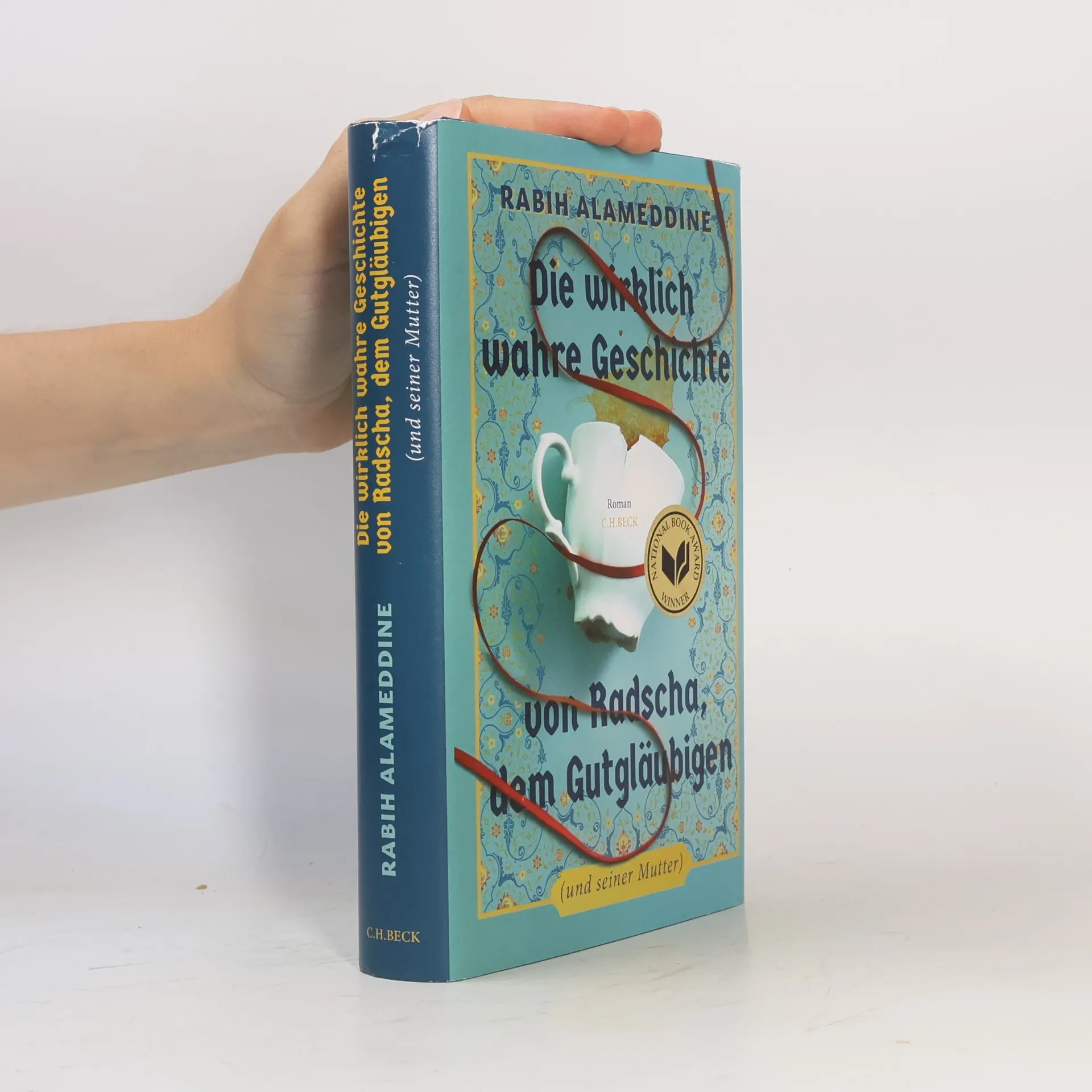
Die wirklich wahre Geschichte von Radscha, dem Gutgläubigen (und seiner Mutter)
Roman. National Book Award for Fiction 2025
- 351 Seiten
- 13 Lesestunden
The novel explores Sarah's journey of self-discovery amidst the complexities of her hybrid family and the backdrop of wartime Beirut. As she navigates her life in self-imposed exile in the United States, she sheds layers of pretension, revealing her authentic self. Supported by a close friend and her son, Sarah embraces both her dignity and the fragmented nature of her existence. The narrative is imbued with humor and heartache, presenting a poignant and memorable exploration of humanity. A reading group guide is also included.
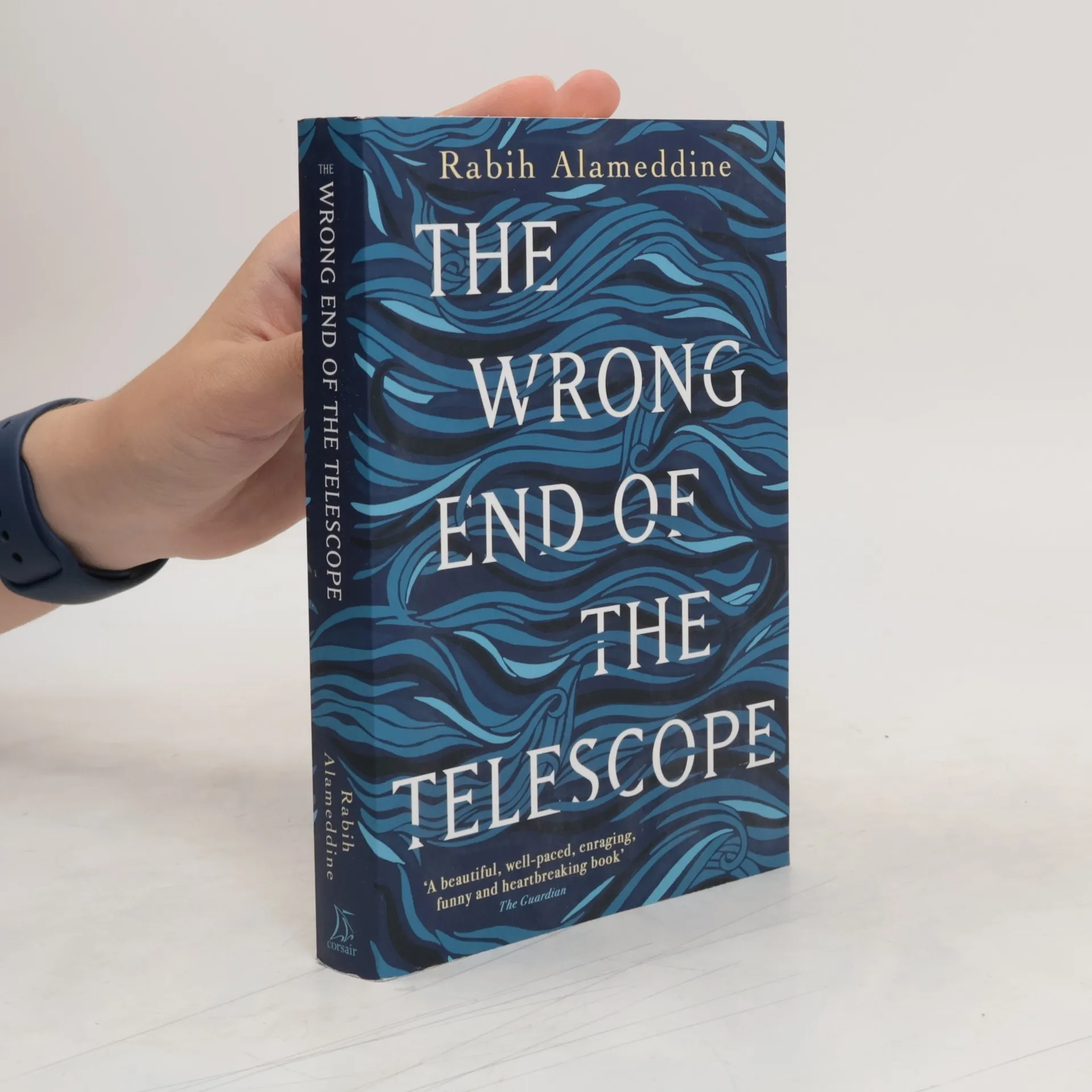
WINNER OF THE PEN/FAULKNER AWARD FOR FICTION 2022. 'A beautiful, well paced, enraging, funny and heartbreaking book' - The Guardian. 'Spectacular . . . deeply poignant' - New York Times. Mina Simpson, a Lebanese doctor, arrives at the Moria refugee camp in Lesbos, Greece, after being called by a friend who runs an NGO. Distanced from her family except for her brother, Mina has long avoided her homeland. With a week off work and separated from her wife of thirty years, she seeks to make a meaningful impact among the many Western volunteers. Soon, a boat arrives carrying Sumaiya, a determined Syrian matriarch battling terminal liver cancer. She hides her diagnosis from her family, fiercely protecting them. As Mina and Sumaiya bond over this secret, Mina prepares a treatment plan with limited resources while grappling with the broader issues of displacement and her own limitations in providing aid. This narrative introduces a compelling heroine, leading readers through one of today's most pressing humanitarian crises. Alameddine skillfully intertwines stories of other refugees, creating a vibrant tapestry of tragic yet humorous portraits of resilient spirits. 'Alameddine hits a distinctly contemporary note with this new book about refugees . . . it feels totally authentic' - Sunday Times.
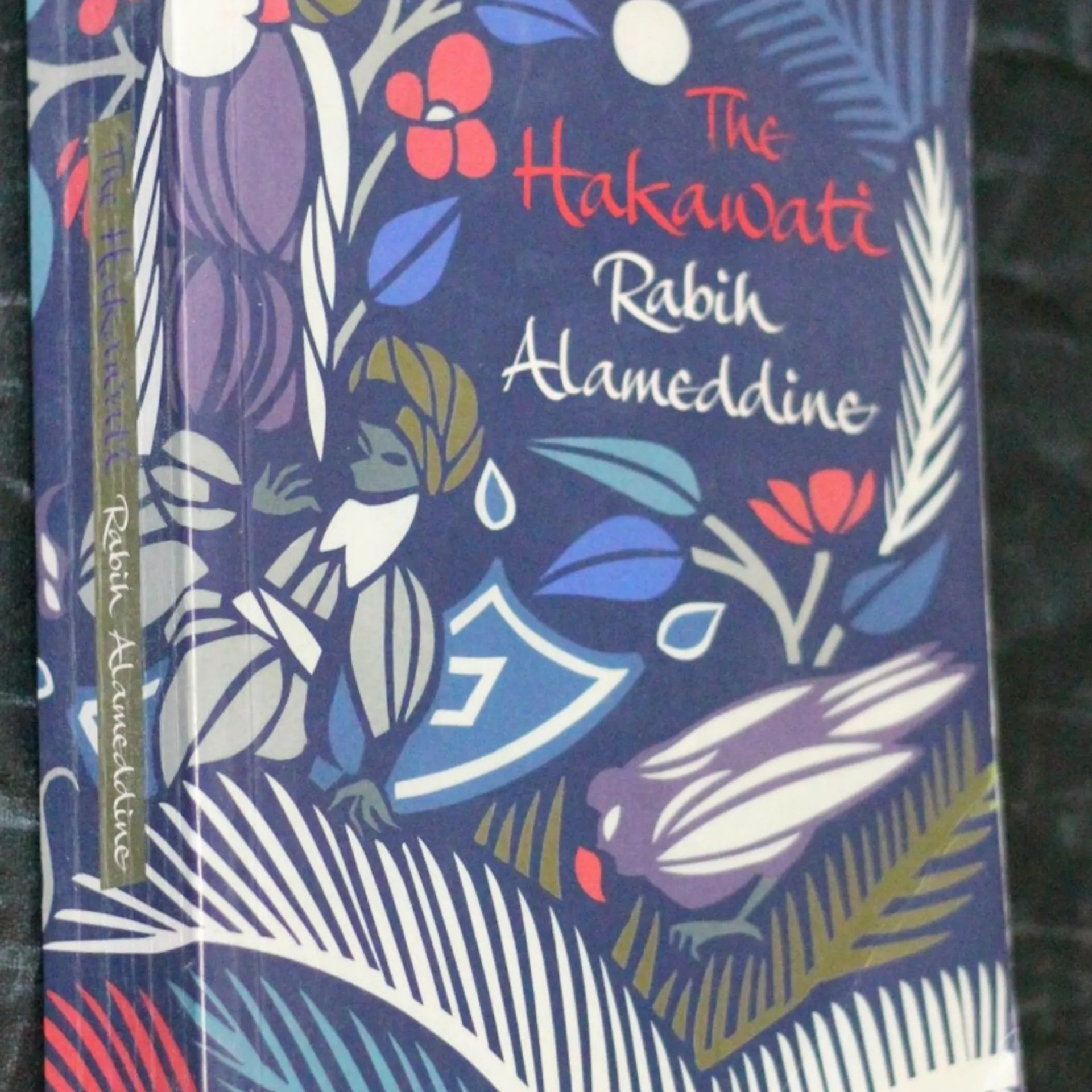
“Here is absolute beauty. One of the finest novels I’ve read in years.” —Junot DiazAn astonishingly inventive, wonderfully exuberant novel that takes us from the shimmering dunes of ancient Egypt to the war-torn streets of twenty-first-century Lebanon.In 2003, Osama al-Kharrat returns to Beirut after many years in America to stand vigil at his father’s deathbed. The city is a shell of the Beirut Osama remembers, but he and his friends and family take solace in the things that have always sustained gossip, laughter, and, above all, stories.Osama’s grandfather was a hakawati, or storyteller, and his bewitching stories—of his arrival in Lebanon, an orphan of the Turkish wars, and of how he earned the name al-Kharrat , the fibster—are interwoven with classic tales of the Middle East, stunningly reimagined. Here are Abraham and Isaac; Ishmael, father of the Arab tribes; the ancient, fabled Fatima; and Baybars, the slave prince who vanquished the Crusaders. Here, too, are contemporary Lebanese whose stories tell a larger, heartbreaking tale of seemingly endless war—and of survival.Like a true hakawati, Rabih Alameddine has given us an Arabian Nights for this century—a funny, captivating novel that enchants and dazzles from its very first “Listen. Let me take you on a journey beyond imagining. Let me tell you a story.”
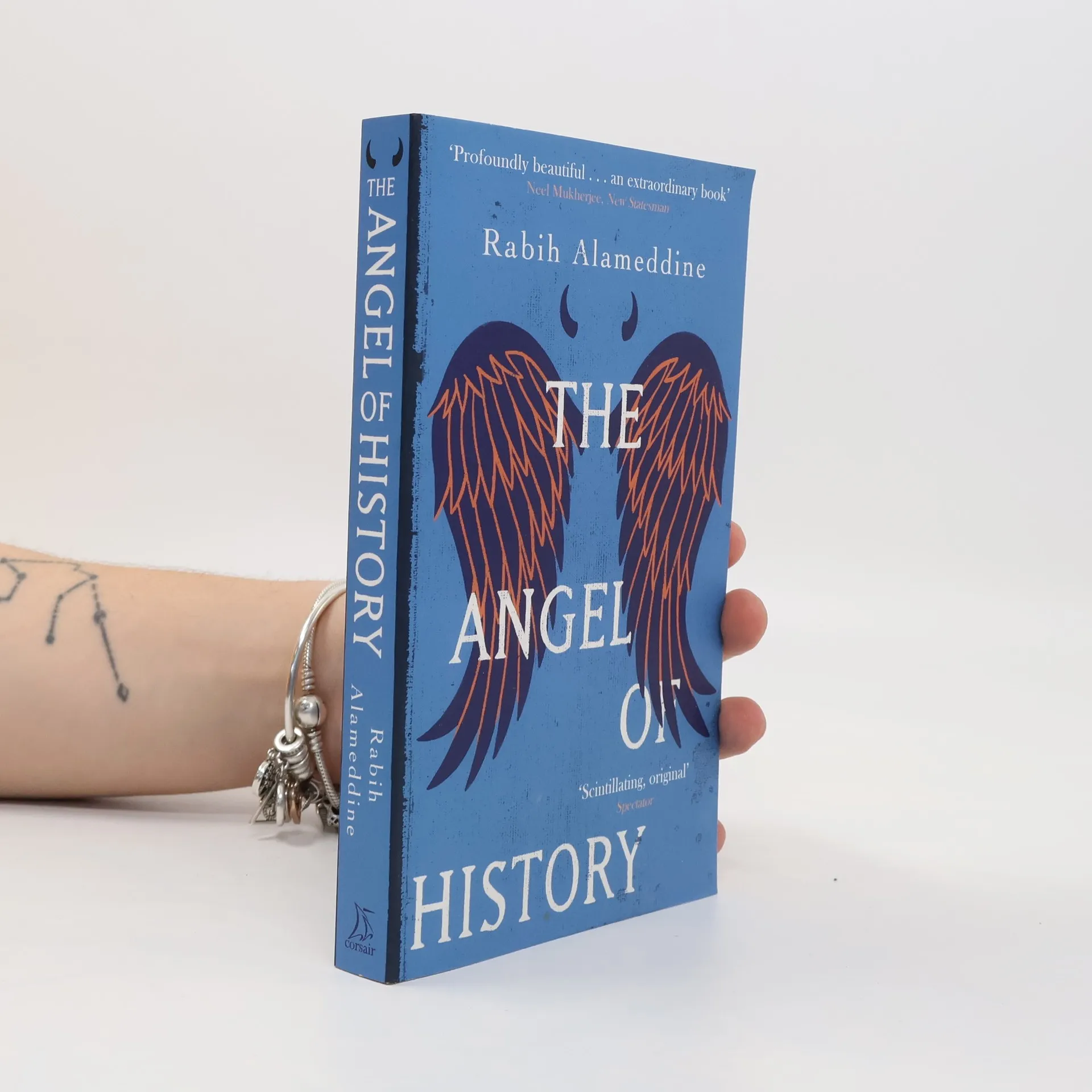
The Angel of History
- 304 Seiten
- 11 Lesestunden
Following the critical and commercial success of An Unnecessary Woman, Alameddine delivers a spectacular portrait of a man and an era of profound political and social upheaval.
Liebe Leserin, lieber Leser aus der westlichen Welt! Eine Warnung möchte ich vorwegschicken: Ich bin nicht gerade dafür bekannt, anderen das Leben leichter zu machen. Wer nach Wahrheiten sucht, die er (oder sie, das ist hier einerlei) bereits zu kennen glaubt, nach Beweisen, die er ohnehin in der Hand zu haben meint, wen es danach verlangt, orientalistische Sichtweisen bestätigt oder antiarabische Vorurteile gestärkt zu sehen, wer erwartet, einmal mehr das alte Schlaflied vom 'Kampf der Kulturen' vorgesungen zu bekommen, dem sei geraten, gleich hier und jetzt mit dem Lesen aufzuhören. Denn in diesem Buch werde ich alles daran setzen, Erwartungen zu enttäuschen. Ich werde Illusionen zerstören, Träume entzaubern, Schreckgespenster verjagen und vorgefertigte Meinungen demontieren. Wie? Ganz einfach, indem ich, und das nur für den Anfang, das Folgende erzähle.
