Gratisversand in ganz Deutschland!
Bookbot

Kishore Mahbubani

    24. Oktober 1948

    Kishore Mahbubani ist ein Akademiker und ehemaliger Diplomat, dessen Arbeit sich auf öffentliche Politik und internationale Beziehungen konzentriert. Seine Schriften analysieren globale Trends und die Dynamik des asiatisch-pazifischen Raums und bieten aufschlussreiche Perspektiven auf zeitgenössische Herausforderungen und Chancen. Er bietet eine einzigartige Sichtweise auf die Komplexität internationaler Diplomatie und die Rolle Asiens darin. Seine Analysen sind wertvoll für das Verständnis der sich entwickelnden globalen Landschaft.

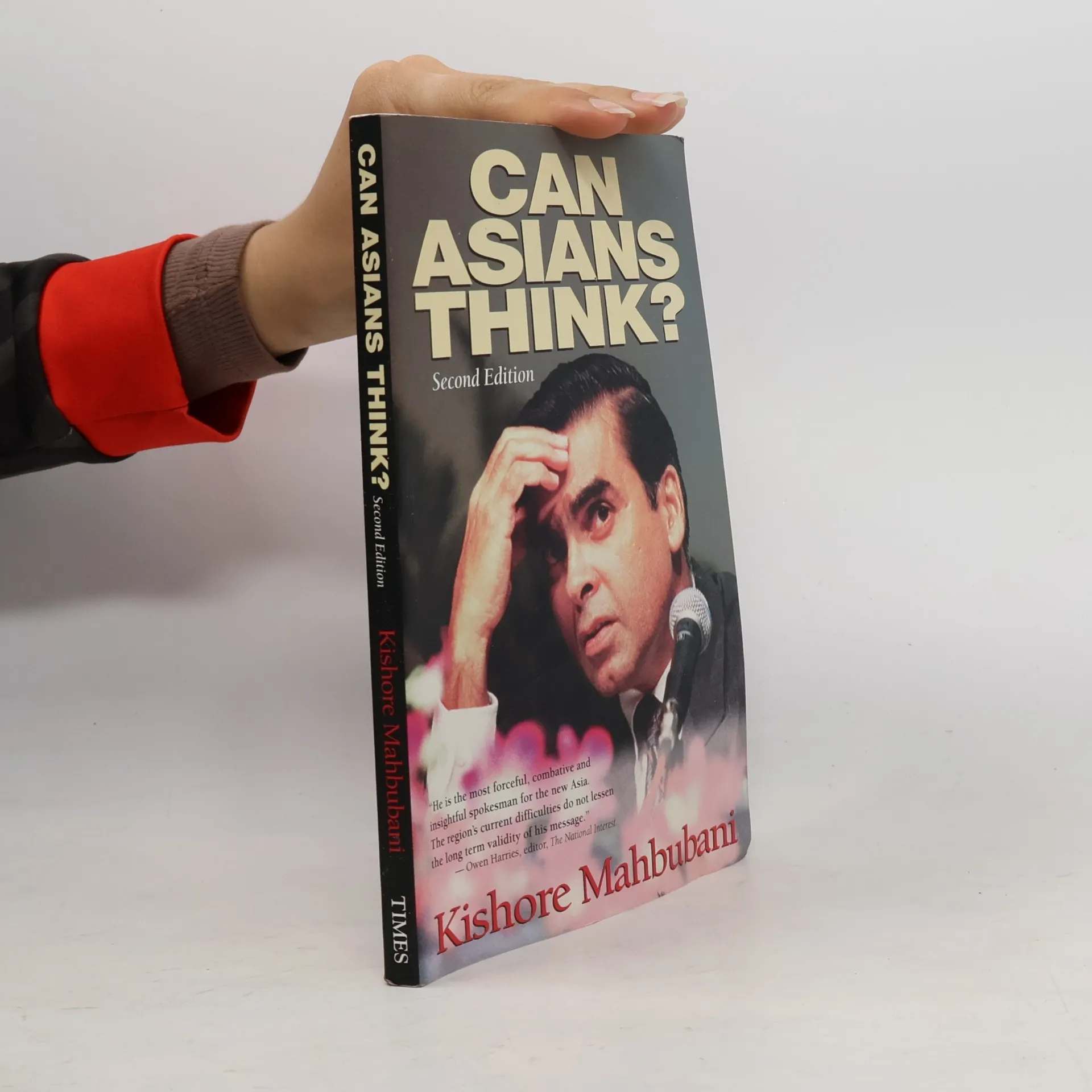
    The new Asian hemisphere
    Has China Won?
    The ASEAN Miracle
    Has China Won?: The Chinese Challenge to American Primacy
    The Asian 21st Century
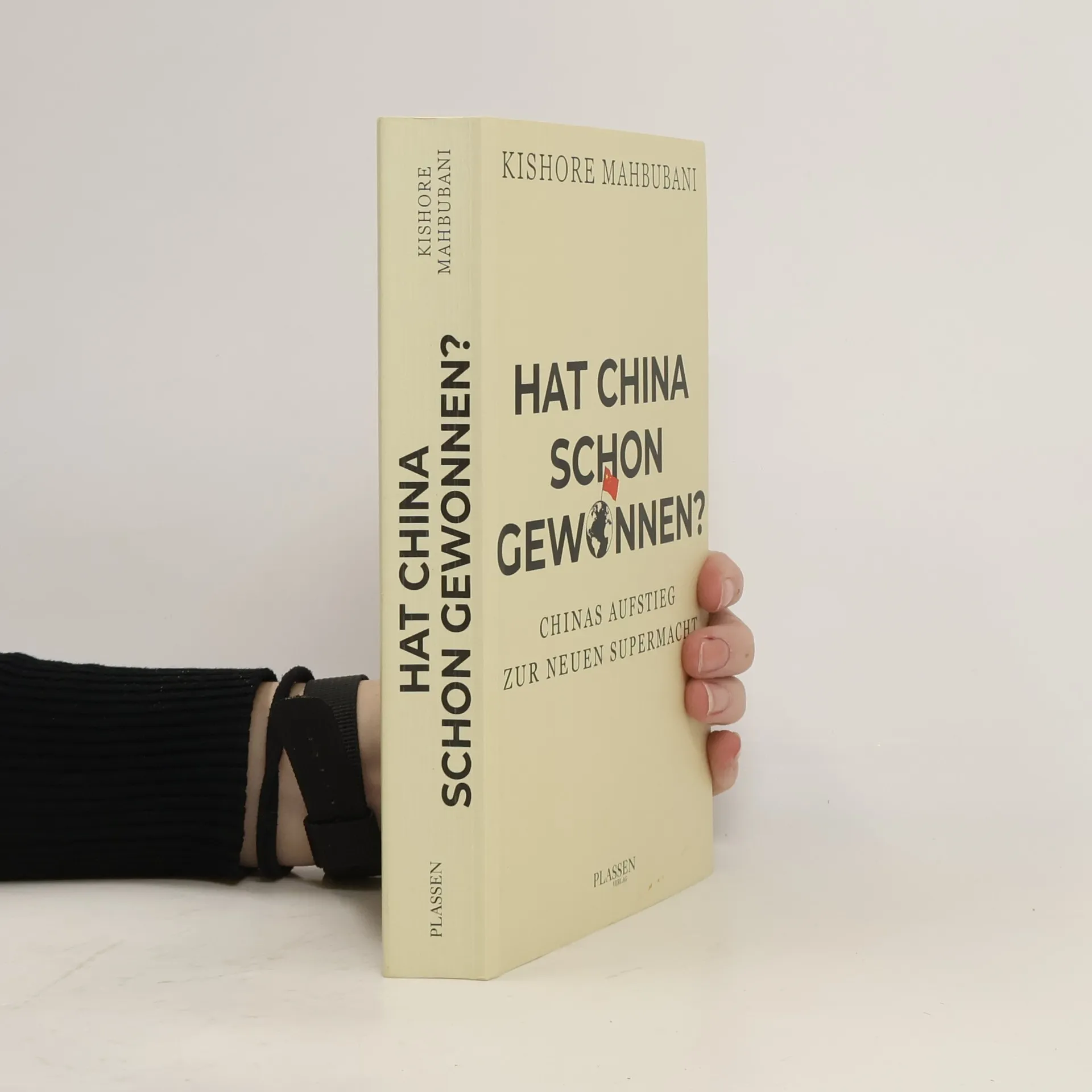
    Hat China schon gewonnen?
    • Hat China schon gewonnen?

      Chinas Aufstieg zur neuen Supermacht

      4,0(1)Abgeben

      Sie beobachten sich gegenseitig über den Pazifik hinweg mit Argusaugen und reden übereinander statt miteinander: Längst hat der entscheidende geopolitische Wettstreit des 21. Jahrhunderts zwischen China und den USA begonnen – beides Weltmächte ohne ernsthafte Rivalen. Kishore Mahbubani, renommierter und hervorragend vernetzter Diplomat und Gelehrter, analysiert die tiefen Verwerfungen in den Beziehungen zwischen Peking und Washington. Mit unverstelltem Blick erläutert er die Stärken, Schwächen, Fehler und Eigenheiten Chinas und der USA. In Zeiten schwelender Handelskriege und ständiger politischer Konflikte ist sein Buch ein unverzichtbarer Leitfaden für ein besseres Verständnis der beiden Supermächte – insbesondere des unaufhaltsamen Aufsteigers China.
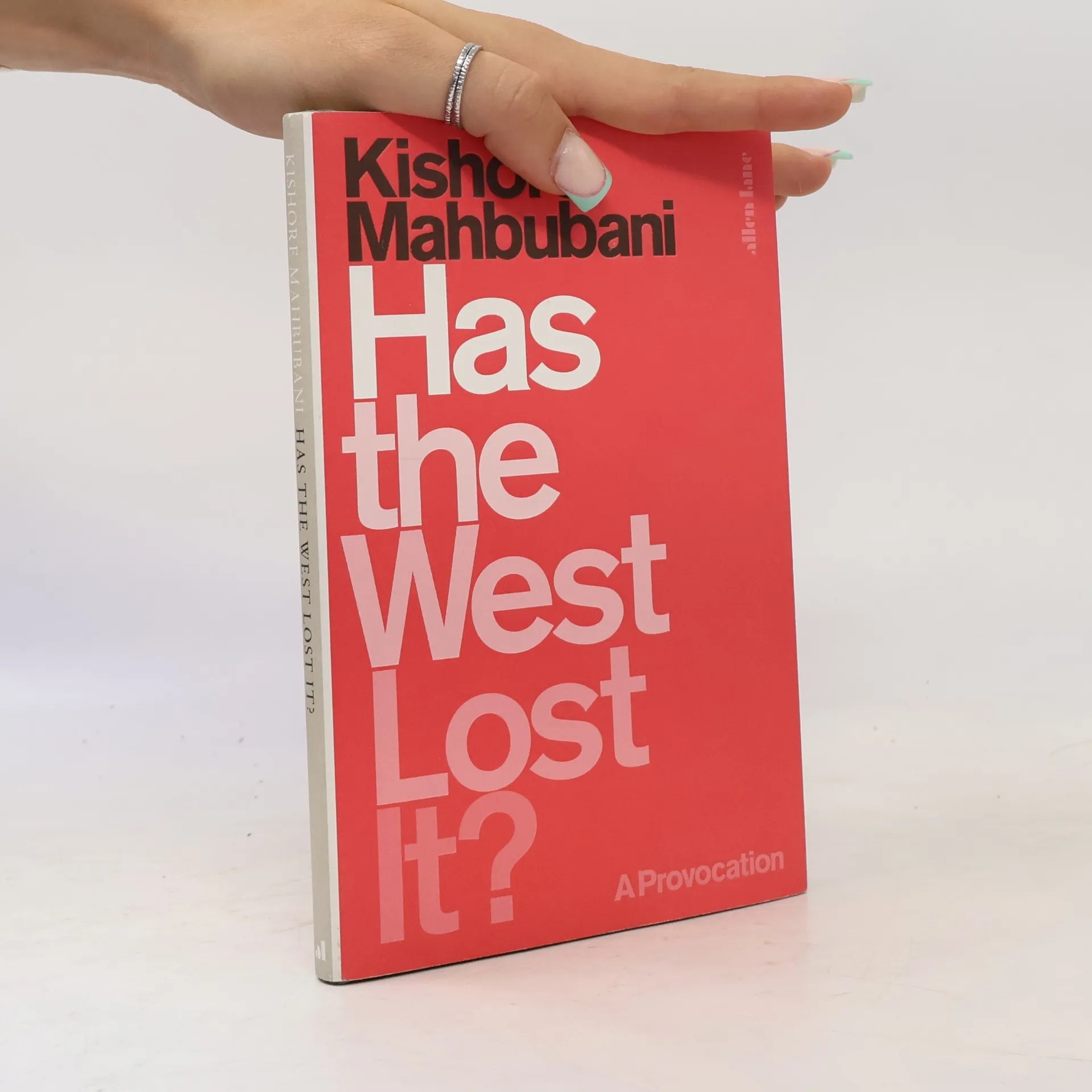
      Hat China schon gewonnen?
    • The Asian 21st Century

      • 280 Seiten
      • 10 Lesestunden
      3,0(2)Abgeben

      Kishore Mahbubani's essays delve into the complexities of Western and Asian relations amid growing global interdependence and heightened geopolitical rivalry. The book examines the unique challenges and dilemmas each region faces, offering insights into their interactions and the broader implications for international dynamics. Through thoughtful analysis, Mahbubani encourages readers to consider the future of global cooperation and competition in a rapidly changing world.

      The Asian 21st Century
    • "The twenty-first century's great geopolitical contest has begun. A major trade war has broken out. American and Chinese naval vessels are having close encounters in the South China Sea. American congressmen and businessmen are cheering their government's public attacks on China. China is standing firm and resolute. Who will win this contest? What is at stake? And who will judge the winner? In this book, Kishore Mahbubani evaluates the two sides, and shows how China has been thinking on a global scale, launching ambitious initiatives under some of the world's most pragmatic and competent leaders. Most critically, the Chinese people have regained their cultural confidence. Chinese society is now infused with innovation and dynamism. Meanwhile, America has seen the power of its economic model badly damaged by the 2008 financial crisis. To many it is no longer the indispensable nation but an awkward interloper. The global rise of China and the relative strategic decline of the US presents a political challenge that the US has never faced before. American policymakers must shake off their complacency and launch a major strategic reboot of both domestic and foreign policies that have weakened the nation's social foundations and global standing. Otherwise, the start-up nation, barely two hundred and fifty years old, with only a quarter of China's population, cannot expect to defeat the world's oldest continuous civilization. With his trademark candor, Mahbubani delivers impartial and incisive insights on the strategic stakes and mistakes in this new great game"-- Provided by publisher

      Has China Won?: The Chinese Challenge to American Primacy
    • The ASEAN Miracle

      • 264 Seiten
      • 10 Lesestunden
      3,9(116)Abgeben

      The Association of Southeast Asian Nations is a miracle. Why? In an era of growing cultural pessimism, many thoughtful individuals believe that different civilisations cannot live together in peace. The ten countries of ASEAN provide a thriving counter-example of civilizational co-existence. Here 625m people live together in peace. This miracle was delivered by ASEAN.

      The ASEAN Miracle
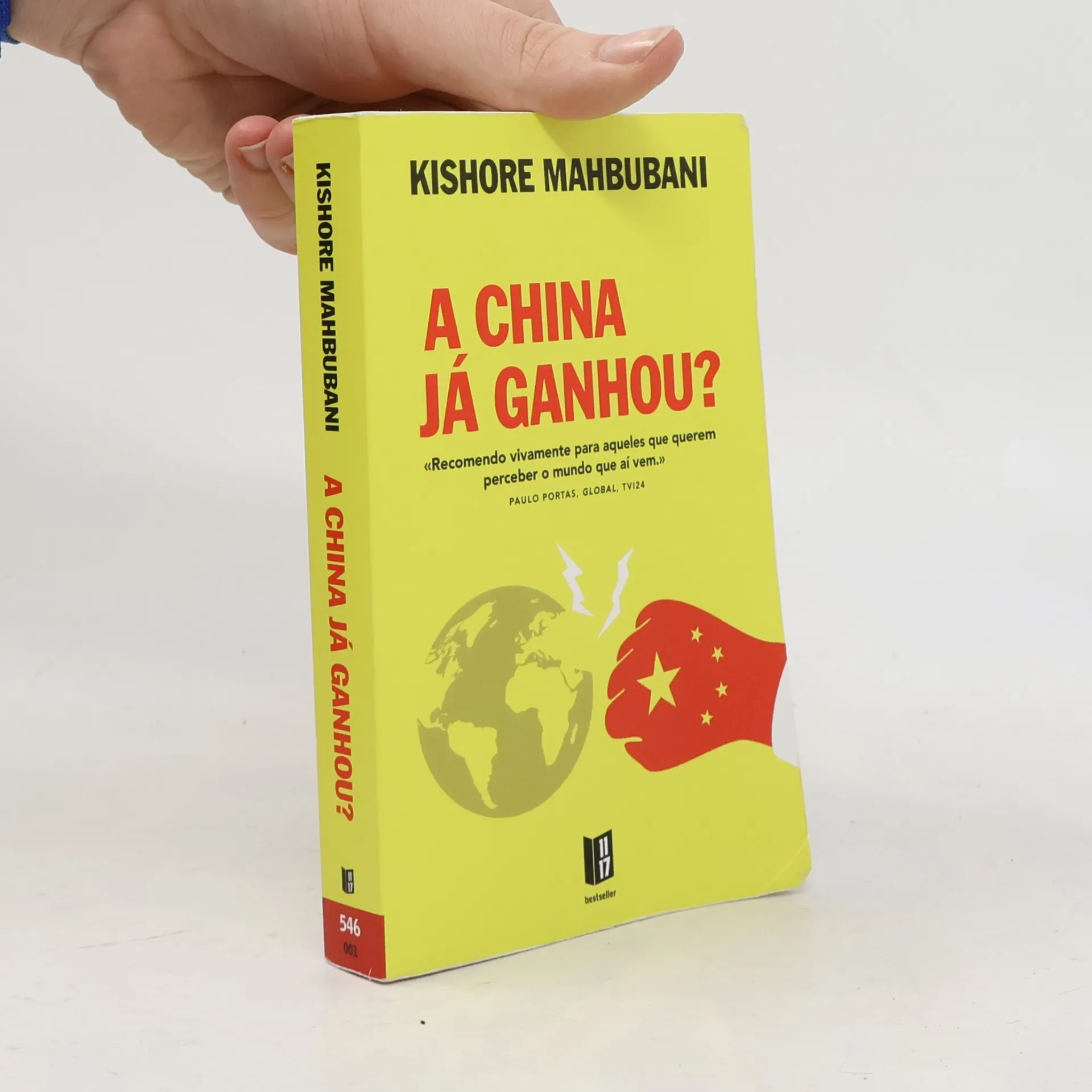
    • A leading global public intellectual explains how, while America became arrogant and distracted, a three-thousand-year-old civilization is well on the way to becoming the number one power in the world.

      Has China Won?
    • The new Asian hemisphere

      • 314 Seiten
      • 11 Lesestunden
      3,8(340)Abgeben

      For centuries, the Asians (Chinese, Indians, Muslims, and others) have been bystanders in world history. Now they are ready to become co-drivers. Asians have finally understood, absorbed, and implemented Western best practices in many from free-market economics to modern science and technology, from meritocracy to rule of law. They have also become innovative in their own way, creating new patterns of cooperation not seen in the West. Will the West resist the rise of Asia? The good news is that Asia wants to replicate, not dominate, the West. For a happy outcome to emerge, the West must gracefully give up its domination of global institutions, from the IMF to the World Bank, from the G7 to the UN Security Council. History teaches that tensions and conflicts are more likely when new powers emerge. This, too, may happen. But they can be avoided if the world accepts the key principles for a new global partnership spelled out in The New Asian Hemisphere.

      The new Asian hemisphere
    • Książka „Czy Chiny już wygrały?” opisuje obecny stan rywalizacji między Chinami a Stanami Zjednoczonymi, która stanowi jeden z najważniejszych czynników determinujących ład światowy w XXI wieku, wpływających także w dużym stopniu na obecną pozycję Polski. Przybliża podstawowe różnice polityczne i kulturowe między oboma wielkimi rywalami, ich słabe i mocne strony, wskazując na możliwe błędy w komunikacji. Zarówno naukowcy, jak i praktycy recenzowali książkę Mahbubaniego bardzo pozytywnie, np. Michael Spence, laureat nagrody nobla w zakresie ekonomii (2001) wskazuje: „Kishore Mahbubani posiada wielkie doświadczenie w dyplomacji i stosunkach międzynarodowych; wysoko rozwiniętą, stosunkowo rzadką umiejętność strategicznego myślenia w złożonych środowiskach oraz wyjątkową zdolność do zrozumienia i uszanowania różnych cywilizacji i ich wartości. Te umiejętności, spostrzeżenia i doświadczenie uwidaczniają się w pełni w jego nowej książce “Has China Won?”. Także polscy recenzenci wskazują jej bardzo wysoki poziom merytoryczny. Publikacja książki przyczyni się do wzrostu wiedzy i świadomości zwłaszcza w obszarze przemian ładu światowego. W świecie, w którym kraje Azji Południowo-Wschodniej, zwłaszcza Chiny, nabierają znaczenia i stanowią istotne wyzwanie dla świata zachodniego, niezbędny jest dostęp do wiedzy na temat tego wyzwania. Były rektor Uniwersytetu Harvarda, Lawrence Summers, stwierdza w recenzji „Czy Chiny już wygrały?”, iż “nie ma lepszego przewodnika dla ludzi Zachodu po azjatyckiej wizji świata niż Kishore Mahbubani”.

      Czy Chiny już wygrały?
    • 美中對峙,台海緊張情勢日益升高, 台灣該如何安全挺過這場世紀惡鬥? 在詭譎的地緣政治情境裡, 李光耀公共政策學院前院長暨全球地緣政治專家馬凱碩說: 「小國若要安然生存,就要知道地緣政治勢力正在發生哪些大轉變。」 中文版特別收錄—— 馬凱碩寫給台灣的「地緣政治三鐵律」 1、大國不會容許周邊有敵對勢力的存在。 2、大國的選擇,總是以自身國家利益為優先。 3、處在大國周邊的小國,必須掌握先機、時時保持敏感度。 未來十至二十年, 最重要且具有決定性關鍵的全球地緣政治競爭, 無疑是美中地緣政治角力。 美國不論誰當選總統,並不特別重要。 因為驅動地緣政治力量不是政治人物,而是深層的結構牽引, 本書對此有詳盡的討論。 中國崛起後,已開始牽動美中之間的深層結構力量, 可以預見它將會持續很長一段時間。 馬凱碩衷心希望台灣人民可以從本書受益, 並希望可以幫助台灣小心、 安全的挺過美中地緣政治角力必定掀起的險惡地緣政治浪潮。 全球專家好評推薦 美國瞄準中國,視為威脅其全球霸主地位的競爭對手。 馬凱碩比以往更尖銳的挑戰讀者一同思考: 如果競爭繼續毫無節制發展下去,將會帶來什麼後果? ——王賡武(新加坡國立大學教授) 這本書顛覆大多數讀者的既定觀念,書中有許多洞見, 作者認為美中長期鬥爭的結果, 將取決於雙方是否了解和尊重雙邊長期以來形成的深刻文明差異。 就馬凱碩看來,情勢很清楚, 最後要嘛人人都是贏家,要嘛都是輸家。 在歷史的關鍵時刻,這是一本很重要的書。 ――麥克.史賓賽(Michael Spence,二○○一年諾貝爾經濟學獎得主) 美中陷入國際霸主之爭,這場角力的結果, 將會影響未來好幾個世代的世界秩序。 馬凱碩以細膩的描述和清晰的見解, 掌握這場戰鬥的複雜性,千萬別錯過。 ――伊恩.布雷默(Ian Bremmer,歐亞集團總裁、Us vs. Them作者) 馬凱碩的《中國贏了嗎?》回顧從肯楠到甘迺迪的戰略智慧, 提出有關中國崛起的挑釁性、甚至是異端的問題, 並建議世界不要孤注一擲,應保有多元化的安全。 ――格雷厄姆.艾利森(Graham Allison,哈佛大學教授、《注定一戰?》作者) 美中關係將如何發展? 馬凱碩認為,如果持續對峙,美國有可能會處於劣勢, 其中最大的原因,不是因為中國比較優越, 而是由於美國的誤算,尤其是未能掌握中國現實面所造成的失誤。 ——馬汀・沃夫(Martin Wolf,《金融時報》首席經濟評論家) 本書是馬凱碩2020年出版的最新作品,他認為中美兩方如同陰陽兩極, 若雙方能專注提升人民的生活福利,彼此加強合作,結果是整個人類都會贏。 面對當前錯綜複雜而又危險的美中關係, 這本著作是給國人一個及時的禮物,能夠幫助我們了解一部分的時局, 至於其中許多警告的字句,對於我國目前的狀況是很好的提醒。 ——胡為真(國安會前祕書長、前駐新加坡代表) 無論我們將中國視為友人、對手或是亦敵亦友, 都必須知道中國如何思考和看待自己的世界地位。 西方人若想了解亞洲人的世界觀,沒有比馬凱碩更好的嚮導了。 他在這本至關重要的書中,把自己豐富的知識和經驗分享給大家。 ——勞倫斯.桑默斯(Lawrence H. Summers,前美國財政部長、前哈佛大學校長) 作者用大量有趣又令人震撼的數據和事實, 對於美中兩國的優勢及弱點深入分析, 這兩個國家的較量才剛開始,千萬別錯過這本難得的好書。 ——單偉建(太盟投資集團董事長暨首席執行官、《走出戈壁》作者) 《中國贏了嗎?》指出正在破壞美中、乃至世界關係的迷思和錯誤, 它對美中兩國提出坦率、明確的建議, 北京和華府的領導人也許不愛聽他的忠告。 不過,如果兩國密切注意他的建議,將會做得更好,您也應該如此。 ——史蒂芬.華特(Stephen M. Walt,哈佛大學國際事務教授) 在這本具有啟發性的新書中,馬凱碩呼籲兩大強國要有更深刻的理性, 並提醒當今最大的挑戰是回答「人類是否贏了?」這個問題。 兩國的讀者都將從馬凱碩的智慧中受益。 ——楊榮文(新加坡前任外交部長) 華府應該採取以平衡與合作為基礎的長期國際戰略, 重新建立健全的內部領導和治理; 在國外爭取朋友,而不是趕走盟國。 軍事力量並不是民主軍火庫中最重要的武器。 ——大衛.藍普頓(David Lampton,霍普金斯大學高等國際研究院榮譽教授、史丹福大學亞太研究中心研究員) 作者簡介 馬凱碩 Kishore Mahbubani 新加坡國立大學李光耀公共政策學院前院長、 全球地緣政治專家、新加坡國立大學亞洲研究中心傑出研究員。 他曾是任職三十三年的資深外交官, 在成為李光耀公共政策學院創院院長後, 又埋首學術研究工作十五年, 在外交及學術領域都有優異亮眼的資歷。 擔任新加坡駐聯合國大使期間,曾在紐約居住十餘年。 二〇一九年入選為美國人文暨科學院院士,是全球公認的亞洲重要公共知識份子。 著作包括《亞洲人會思考嗎?》( Can Asians Think? )、 《西方輸了嗎?》( Has the West Lost It? )、 《亞半球大國崛起》( The New Asian Hemisphere )、 《大匯流》(The Great Convergence) 以及 《超越純真年代》(Beyond the Age of Innocence)等。 經常在各地旅行的他,目前定居於新加坡。 譯者簡介 林添貴 政大外交系、臺大政治系及研究所畢業, 歷任企業高階主管及新聞媒體資深編譯。 一直以透過國外觀點啟發臺灣的心情來從事翻譯。 譯作超過百本, 包括《強權者的道德:從小羅斯福到川普,十四位美國總統如何影響世界》、 《被遺忘的盟友》、《棉花帝國:資本主義全球化的過去與未來》、 《核爆邊緣:美國前國防部長培里的核戰危機之旅》、 《恐懼:川普入主白宮》、 《南海:21世紀的亞洲火藥庫與中國稱霸亞洲的第一步?》、 《躁動的帝國:從乾隆到鄧小平的中國與世界》等。

      Has China Won? The Chinese Challenge to American Primacy
    • De eeuw van Azië

      Een onafwendbare mondiale machtsverschuiving

      • 336 Seiten
      • 12 Lesestunden

      Eeuwenlang stonden Aziaten (Chinezen, Indiërs, moslims en anderen) langs de zijlijn van de wereldgeschiedenis. Nu zijn ze er klaar voor om hun deel op te eisen van de wereldmacht. Het Oosten moderniseert in een rap tempo, heeft de snelst groeiende economieën en de grootste financiële reserves. Ook op sociaal en cultureel gebied verandert er veel. Maar hoe reageren Europa en de VS op de stormachtige opkomst van Azië? Volgens de Singaporese intellectueel Kishore Mahbubani lijkt alleen de westerse zakenwereld te anticiperen op veranderingen in het Oosten. De westerse overheden daarentegen steken hun kop in het zand en weigeren te aanvaarden dat de verschuiving van economische macht ook een verschuiving van politieke en culturele macht met zich mee zal brengen. Mahbubani vertelt in De eeuw van Azië waarom het Westen optimistisch zou moeten zijn en de transformatie van Azië zou moeten verwelkomen. Met dit boek daagt hij de lezer uit de zelfgenoegzame interne dialoog te stappen en te begrijpen hoe de rest van de wereld tegen Europa en de VS aankijkt en wat dat kan betekenen voor de toekomst.

      De eeuw van Azië