


Bookbot

Thomas Paine

    9. Februar 1737 – 8. Juni 1809

    Thomas Paine war ein englisch-amerikanischer politischer Aktivist und Denker, dessen Schriften revolutionäre Bewegungen befeuerten. Als Autor zweier äußerst einflussreicher Pamphlete zu Beginn der Amerikanischen Revolution inspirierte er die Kolonien zur Unabhängigkeitserklärung von Großbritannien. Seine Ideen, die in der Rhetorik der Aufklärung verwurzelt waren, betonten transnationale Menschenrechte. Paine wird oft als Journalist und Propagandist beschrieben, dessen Feder die Geschichte mitgestaltete.

    Thomas Paine
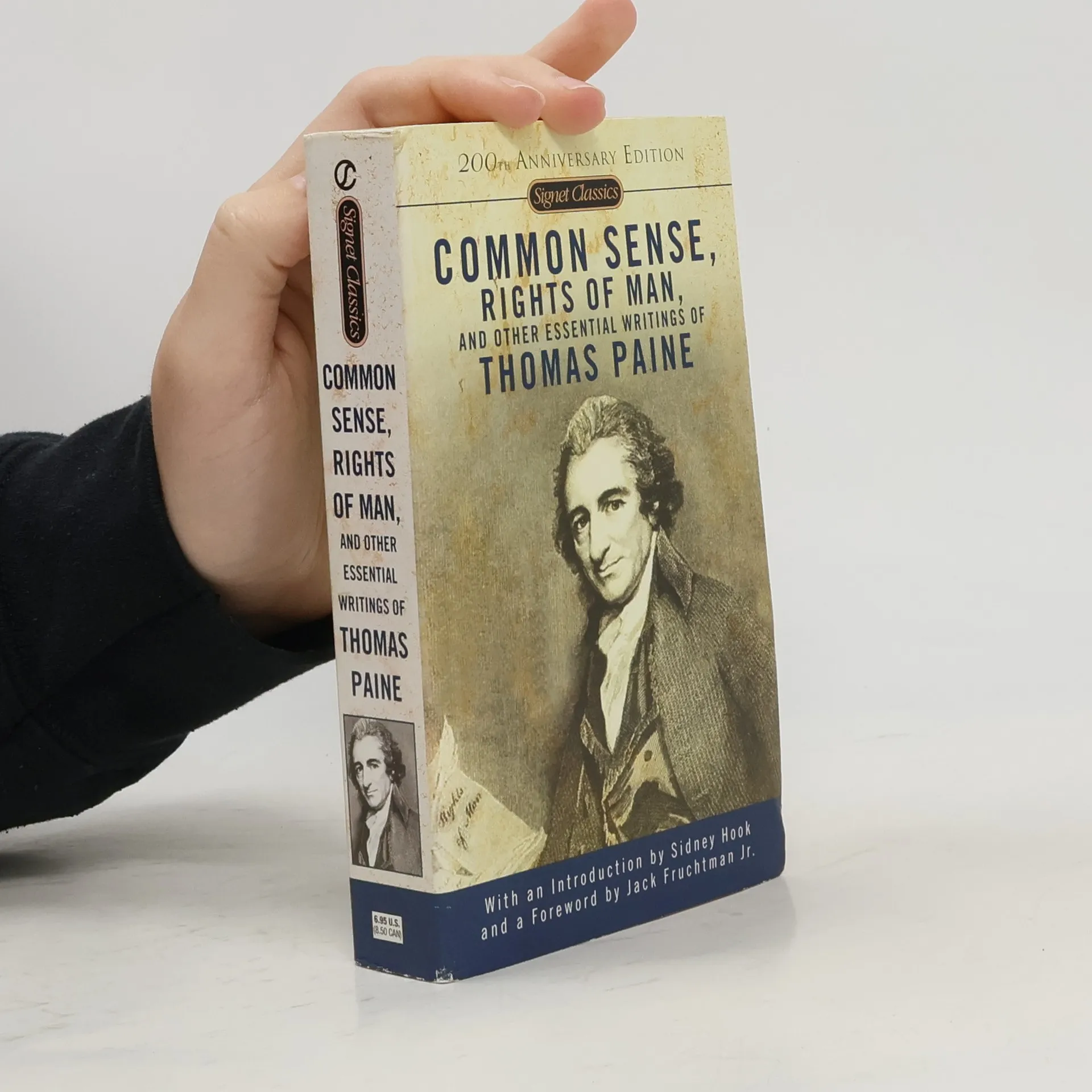
    Common Sense, The Rights of Man and Other Essential Writings of Thomas Paine
    Thomas Paine Collection
    The Constitution of the United States of America
    The American Crisis
    Die Rechte des Menschen
    Common sense
    • Jacob Taubes (1923-1987) war zuletzt Professor für Judaistik und Hermeneutik an der Freien Universität Berlin sowie ständiger Gastdozent an der Maison des Sciences de l' Homme in Paris. Jürgen Habermas wurde am 18. Juni 1929 in Düsseldorf geboren. Von 1949 bis 1954 studierte er in Göttingen, Zürich und Bonn die Fächer Philosophie, Geschichte, Psychologie, Deutsche Literatur und Ökonomie. Er lehrte unter anderem an den Universitäten Heidelberg und Frankfurt am Main sowie der University of California in Berkeley und war Direktor des Max-Planck-Instituts zur Erforschung der Lebensbedingungen der wissenschaftlich-technischen Welt in Starnberg. Jürgen Habermas erhielt zahlreiche Ehrendoktorwürden und Preise, darunter den Friedenspreis des Deutschen Buchhandels (2001) und den Kyoto-Preis (2004). Geboren am 5. Januar 1927 in Marburg, studierte Dieter Henrich von 1946 bis 1950 in Marburg, Frankfurt und Heidelberg (u. a. bei Hans-Georg Gadamer) Philosophie. 1950 Dissertation: Die Grundlagen der Wissenschaftslehre Max Webers . Nach der Habilitation 1955/56 Lehrtätigkeiten als ordentlicher Professor in Berlin (ab 1960) und Heidelberg (ab 1965), Gastprofessuren in den USA ( Harvard, Columbia, University of Michigan, Yale); 1981 Berufung an die Ludwig-Maximilians-Universität in München, Ordinarius für Philosophie bis zur Emeritierung 1994. Seit 1997 Honorarprofessor an der Berliner Humboldt-Universität.

      Die Rechte des Menschen
      3,9
    • The American Crisis

      • 234 Seiten
      • 9 Lesestunden

      The pamphlet series, written by Thomas Paine during the American Revolution, consists of thirteen numbered issues published between 1776 and 1777, followed by three more from 1777 to 1783. The first pamphlet appeared in The Pennsylvania Journal in December 1776, where Paine used the pseudonym "Common Sense." The series addresses the struggles and motivations of the time, aiming to inspire support for the revolutionary cause and articulate the philosophical underpinnings of American independence.

      The American Crisis
      4,8
    • The Constitution of the United States of America

      The Declaration of Independence, The Bill of Rights, Common Sense, and The Federalist Papers (Royal Collector's Edition) (Case Laminate Hardcover with Jacket)

      • 600 Seiten
      • 21 Lesestunden

      This collection features foundational texts of American democracy, including the Declaration of Independence and the Bill of Rights, which outline the nation's core principles and individual rights. It also includes all amendments to the Constitution, providing a comprehensive view of legal evolution. Additionally, The Federalist Papers offer insights into the intentions behind the Constitution, while Common Sense presents a compelling argument for independence. Together, these documents encapsulate the philosophical and legal framework of the United States.

      The Constitution of the United States of America
      5,0
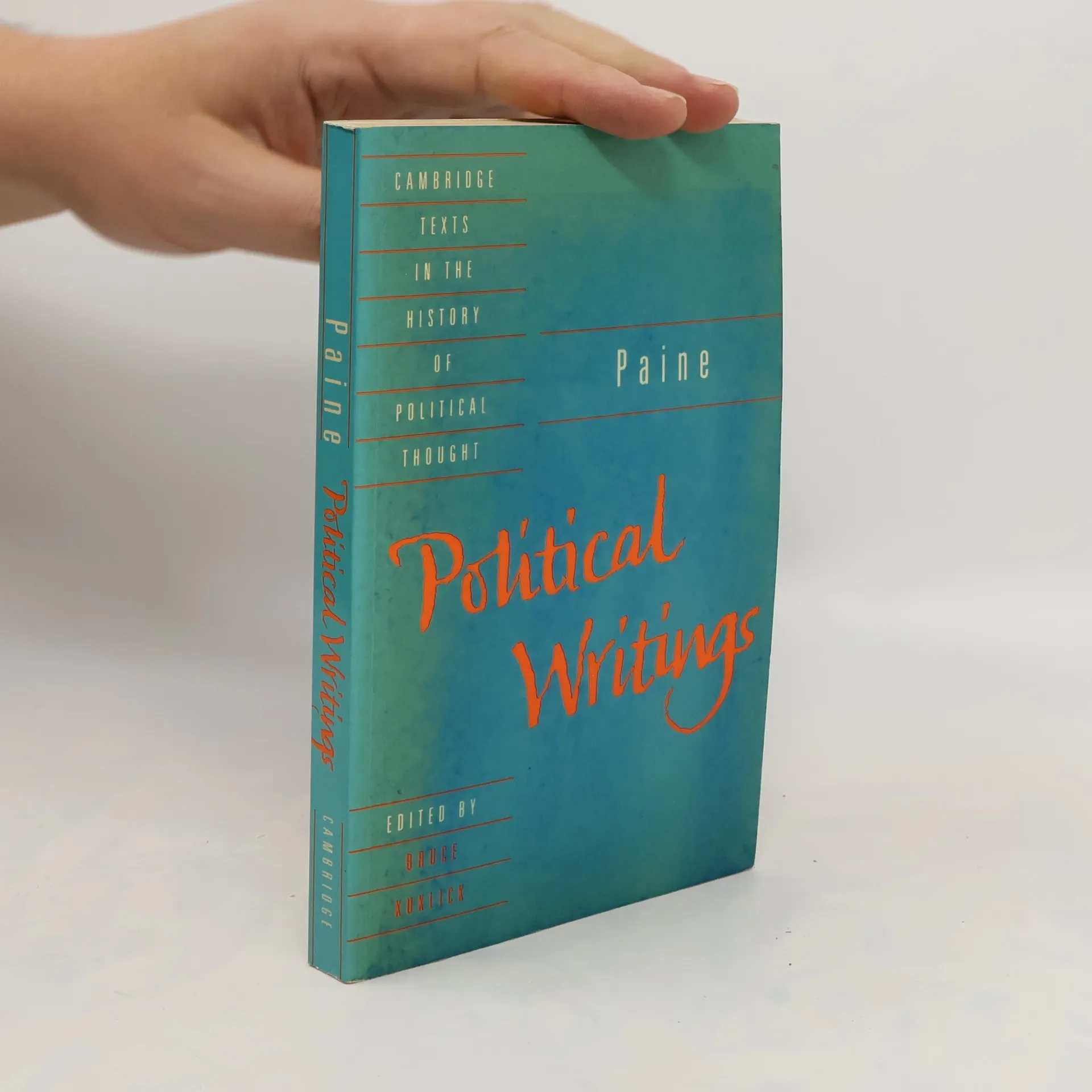
    • Thomas Paine was arguably the single most influential political writer in the English-speaking world during the great upheavals of the American and French Revolutions. For presentation in the Cambridge Texts in the History of Political Thought series Bruce Kuklick brings together all the classic Paine texts - Common Sense, The Rights of Man and The Age of Reason - as well as the first of Paine's papers on The Crisis of 1776. The customary series features - a brief chronology, notes for further reading, and a succinct introduction to the principal themes of each text - are all appended. This selection will appeal to students in a variety of disciplines from political theory to American history and enable further generations to engage at first hand with one of the most gifted and popular expositors of radical ideas ever to generate mass support.

      Political Writings
      3,5
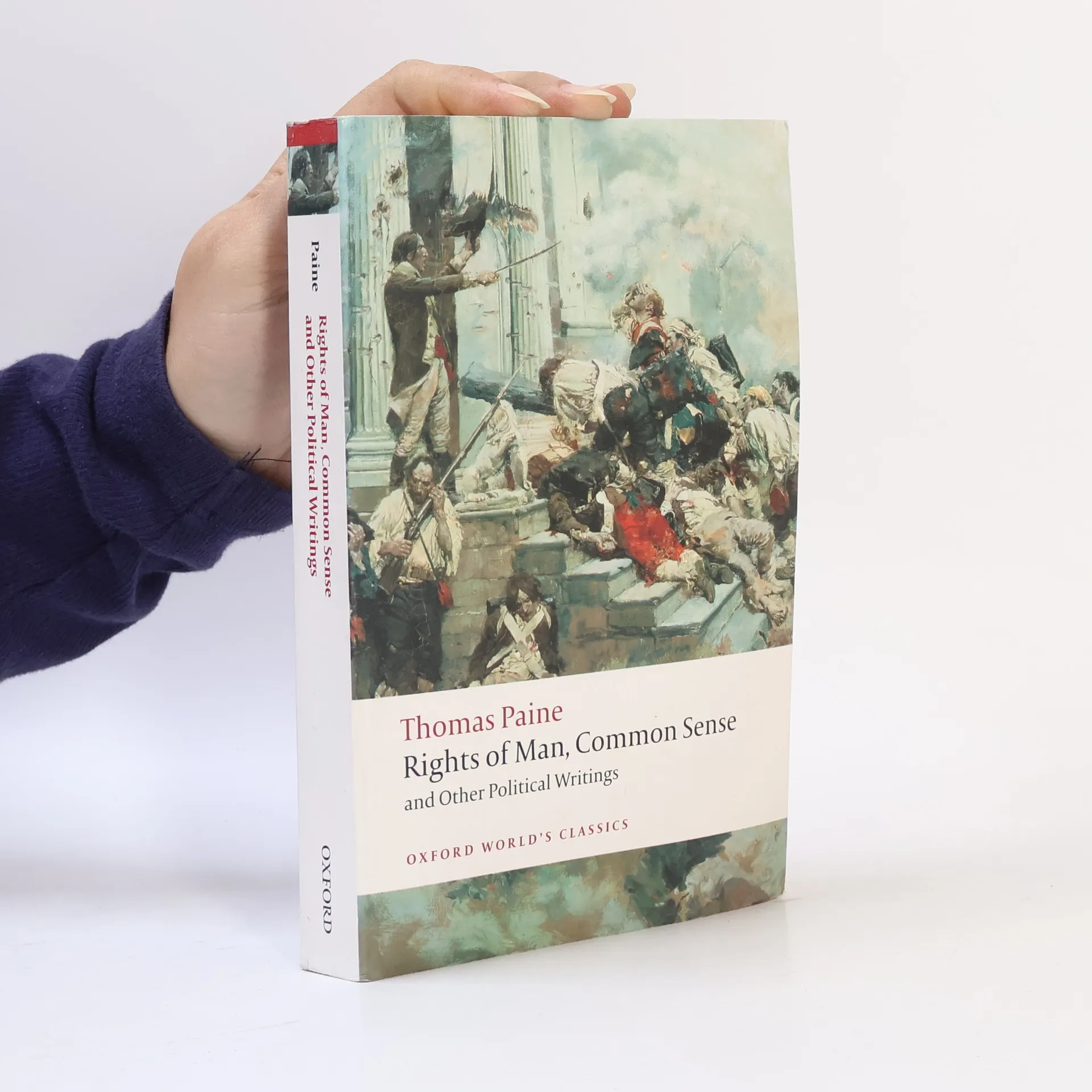
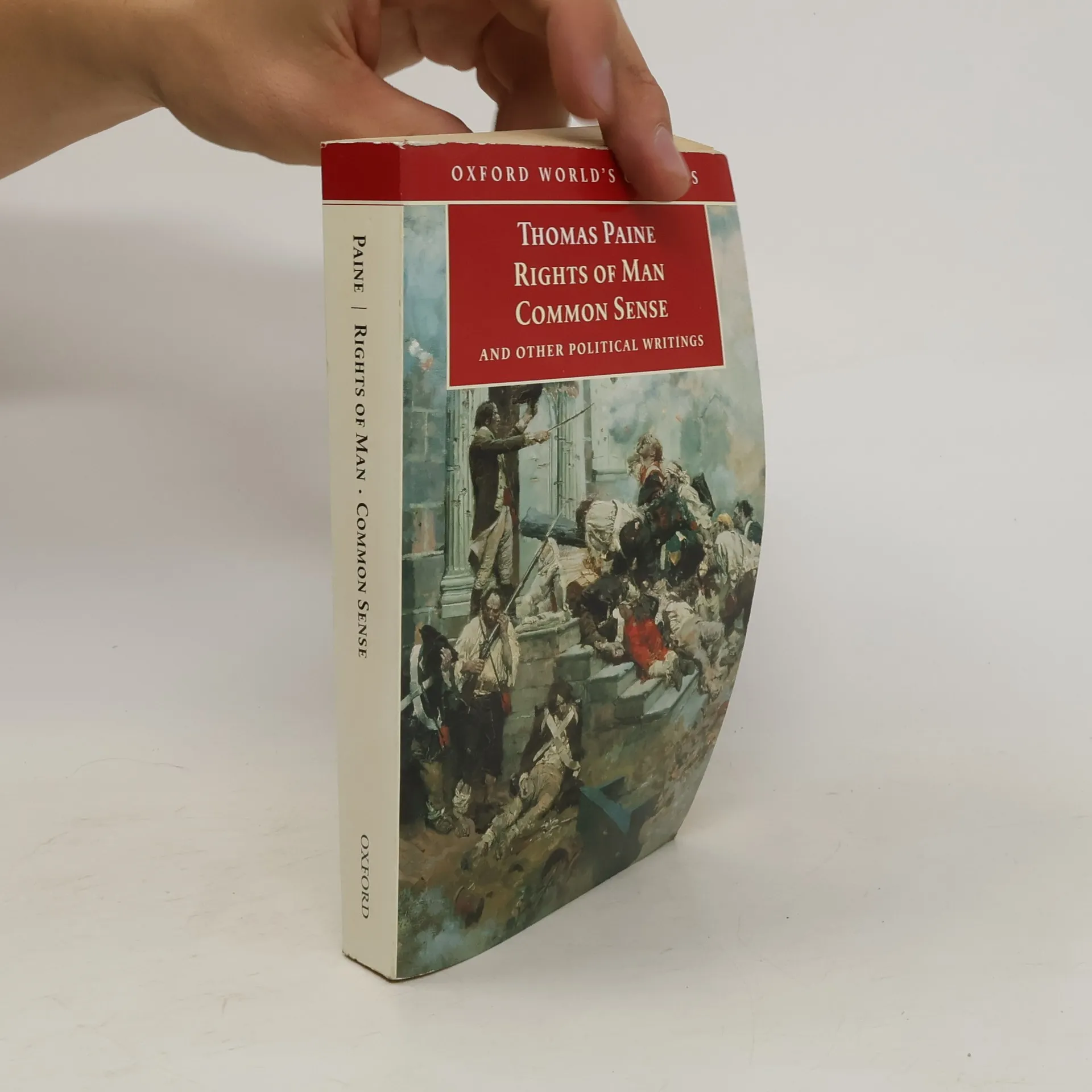
    • Thomas Paine was the first international revolutionary. His Common Sense was the most widely read pamphlet of the American Revolution, while his Rights of Man sent out a clarion call for revolution throughout the world. This collection brings together Paine's most powerful political writings in the first fully annotated edition of these works.

      Rights of Man, Common Sense, and Other Political Writings
      4,1
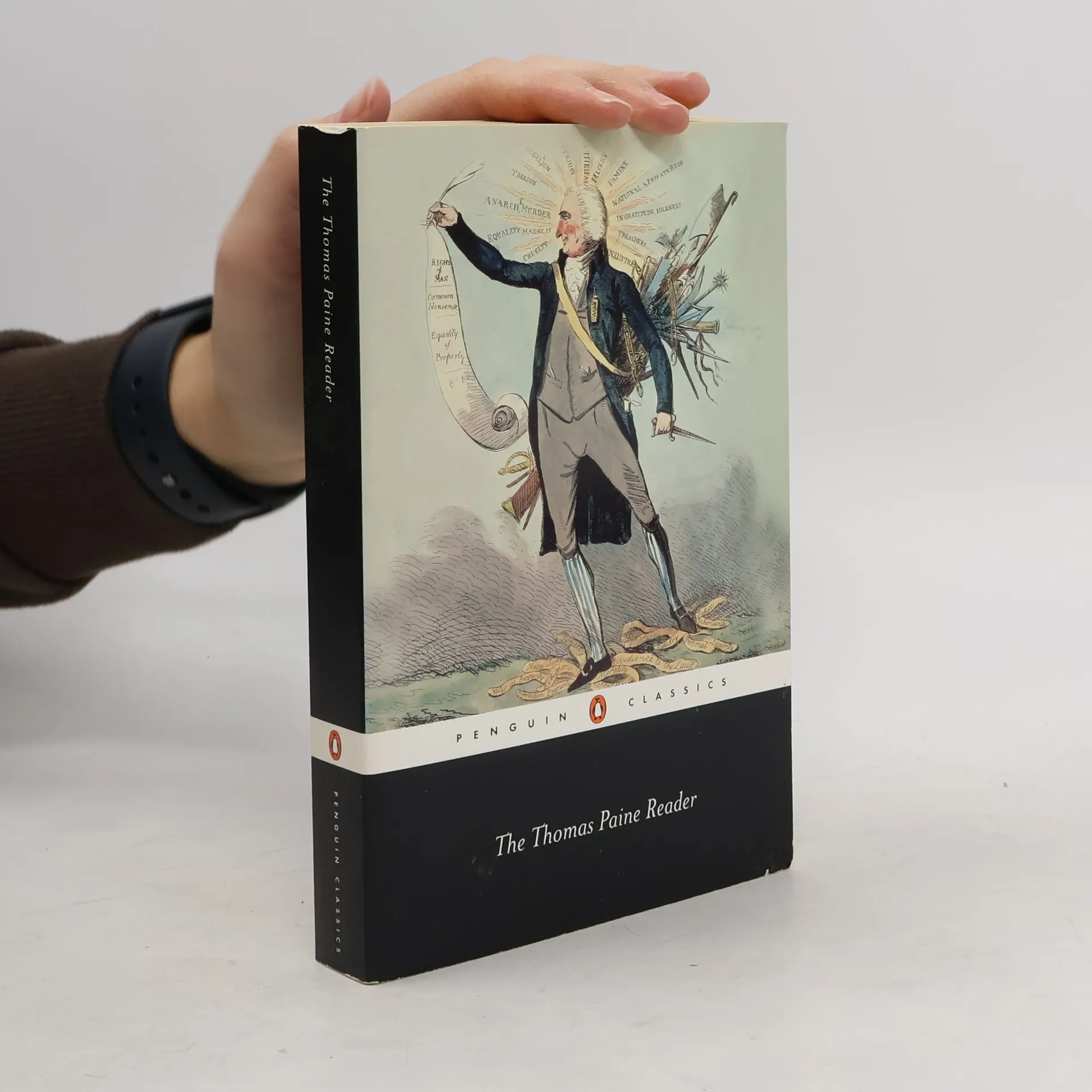
    • Demonstrates the extent to which Thomas Paine was an inspiration to Americans in their struggle for independence. This book contains Paine's major works including The Rights of Man, Common Sense, and the first part of The Age of Reason.

      Thomas Paine Reader
      4,1
    • Rights of Man. Common Sense

      • 544 Seiten
      • 20 Lesestunden

      Thomas Paine was the first international revolutionary. His Common Sense (1776) was the most widely read pamphlet of the American Revolution and his Rights of Man (1791-2), the most famous defense of the French Revolution, sent out a clarion call for revolution throughout the world. Paine paid the price for his principles: he was outlawed in Britain, narrowly escaped execution in France, and was vilified as an atheist and a Jacobin on his return to America.This new edition contains the complete texts of both Rights of Man and Common Sense, as well as six other powerfully political writings - American Crisis I, American Crisis XIII, Agrarian Justice, Letter to Jefferson, Letter Addressed to the Addressers on the Late Proclamation and Dissertation on the First Principles of Government - all of which illustrate why Paine's ideas still resonate in the modern welfare states of today.

      Rights of Man. Common Sense
      4,1