
Gratis Versand in ganz Deutschland
Bookbot

Derek Sayer

    1. Januar 1950
    Derek Sayer
    Rank Hypocrisies
    The coasts of Bohemia: A Czech history
    Prague, capital of the twentieth century : a surrealist history
    Capitalism and Modernity
    Prague, Capital of the Twentieth Century
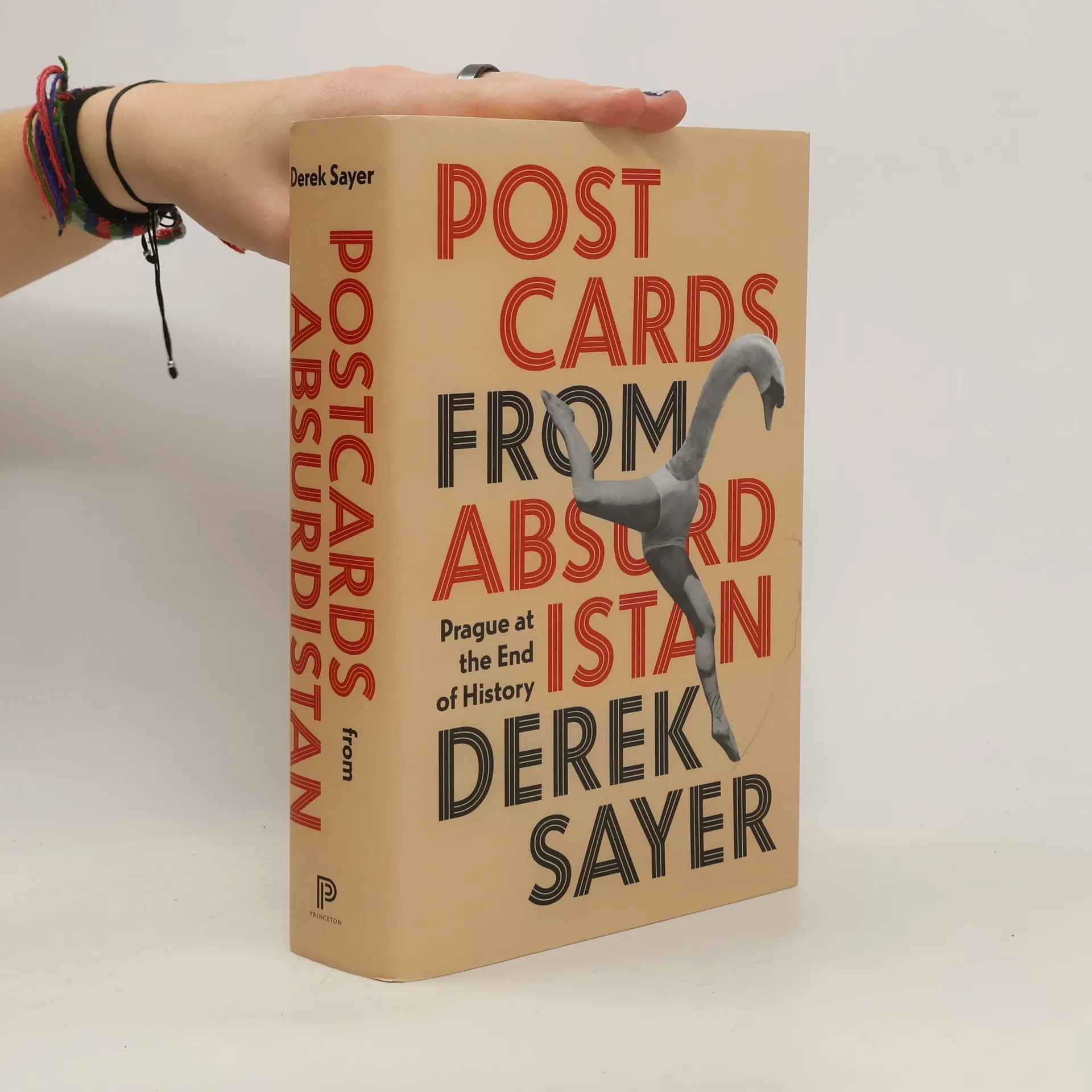
    Postcards from Absurdistan : Prague at the end of history
    • 2022

      This book, the final installment of a trilogy, examines Prague's cultural history to explore competing concepts of European modernity, including the Reformation, Counter-Reformation, and various political ideologies. Beginning in 1938, just before the Third Reich's invasion and the dismemberment of Czechoslovakia, it extends to the present, reflecting on the rise of right-wing populism. Like its predecessors, it portrays Prague as a palimpsest of cultures vying to impose their visions of modernity. The author identifies three key "modernities": the totalitarianism of the Third Reich, the evolving nature of Soviet communism, and the freedoms associated with Western capitalist democracy. Each of these ideologies mistakenly believed Prague had reached the pinnacle of governance, only to be proven wrong. As these regimes collapsed, the city entered a state of "Absurdistan," a term coined by Czech dissidents in the 1960s. The narrative centers on artists and their works, which critique the absurdity of modernity and its notions of progress. The author delves into the contributions of figures like Milan Kundera and Václav Havel, tracing a tradition of absurdist comedy that highlights moral ambiguity. Ultimately, the book argues that Prague's cultural history reveals modernity as a fluid and complex concept shaped by various ideologies, resulting in a rich tapestry of ambiguity and absurdity.

      Postcards from Absurdistan : Prague at the end of history
    • 2021

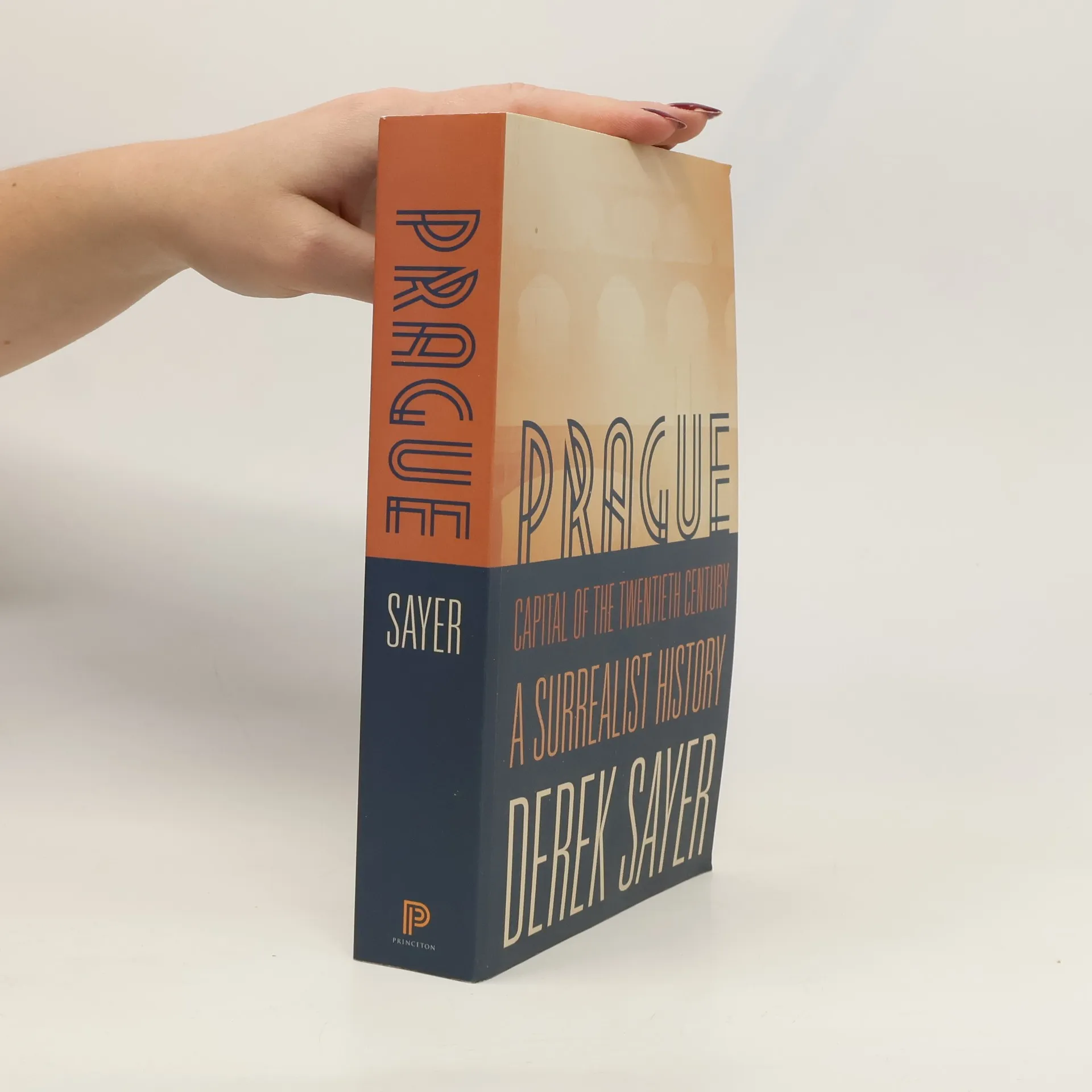
      Derek Sayer ve své monumentální knize skládá střípky kulturních dějin Prahy a Československa mezi dvěma světovými válkami, aby ukázal, jak zapadají do mozaiky evropských dějin. Autor se zaměřuje na kontakty surrealistů jako Guillaume Apollinaire, André Breton a Paul Éluard s českými umělci jako Vítězslav Nezval a Toyen. Dějiny umění se zde odrážejí v meziválečné situaci, kde události v Praze připomínají prorocké sny, jež předznamenávají významné evropské události. Sayer ukazuje, jak se sny avantgardy snadno mění v noční můry dvacátého století, a jak se kruté žerty historie jeví jako příklady černého humoru. Praha byla svědkem revolucí, invazí, holocaustu a snů o „socialismu s lidskou tváří“. V době, kdy byla hlavním městem východní parlamentní demokracie, byla také centrem umělecké a architektonické moderny, hned za Paříží. Sayer zkoumá moderní budovy, památky, obrazy, knihy, filmy a výstavy, přičemž Praha byla místem, kde se utopické fantazie století opakovaně rozplývaly. Město produkovalo znalce ponuré komedie, od Franze Kafky po Václava Havla, a jako takové bylo šité na míru surrealistickému „černému humoru“ André Bretona.

      Praha, hlavní město 20. století: Surrealistická historie
    • 2018

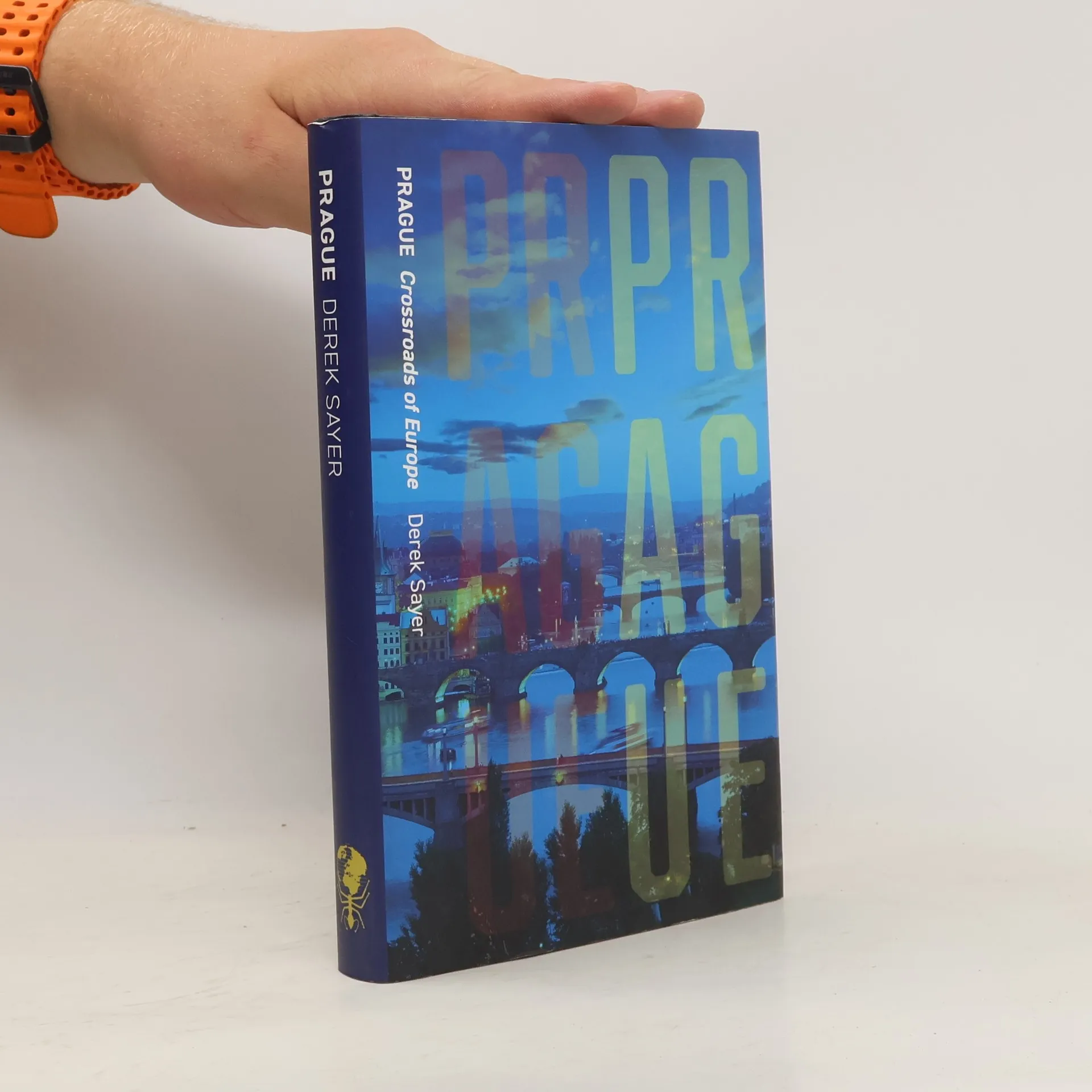
      Prague : crossroads of Europe

      • 280 Seiten
      • 10 Lesestunden

      Thirty years ago, Prague was a closed book to most travelers. Today, it is Europe’s fifth-most-visited city, surpassed only by London, Paris, Istanbul, and Rome. With a stunning natural setting on the Vltava river and featuring a spectacular architectural potpourri of everything from Romanesque rotundas to gothic towers, Renaissance palaces, Baroque churches, art nouveau cafés, and cubist apartment buildings, Prague may well be Europe’s most beautiful capital city. But behind this beauty lies a turbulent and often violent history, and in this book, Derek Sayer explores both. Located at the uneasy center of the continent, Prague has been a crossroads of cultures for more than a millennium. From the religious wars of the middle ages and the nationalist struggles of the nineteenth century to the modern conflicts of fascism, communism, and democracy, Prague’s history is the history of the forces that have shaped Europe. Sayer also goes beyond the complexities of Prague’s colorful past: his expert, very readable, and exquisitely illustrated guide helps us to see what Prague is today. He not only provides listings of what to see, hear, and do and where to eat, drink, and shop, but also offers deep personal reflection on the sides of Prague tourists seldom see, from a model interwar modernist villa colony to Europe’s biggest Vietnamese market.

      Prague : crossroads of Europe
    • 2015

      Rank Hypocrisies

      The Insult of the Ref

      • 128 Seiten
      • 5 Lesestunden

      The book critiques the Research Excellence Framework (REF), arguing that it fails to meet the standards of genuine scholarly peer review. Through a detailed examination of university and national REF processes compared to established practices in academic publishing and tenure in North America, the author presents a compelling analysis of the REF's legitimacy. This raises critical questions about the role of academics and universities in a flawed system and the implications of government reliance on REF rankings for public policy decisions.

      Rank Hypocrisies
    • 2015

      Setting out to recover the roots of modernity in the boulevards, interiors, and arcades of the "city of light," Walter Benjamin dubbed Paris "the capital of the nineteenth century." In this eagerly anticipated sequel to his acclaimed Coasts of Bohemia: A Czech History, Derek Sayer argues that Prague could well be seen as the capital of the much dar

      Prague, Capital of the Twentieth Century
    • 2013
    • 1998

      A cultural history of the Czech people, examining the significance of the small central European nation's artistic, literary, and political developments from its origins through approximately 1960.

      The coasts of Bohemia: A Czech history
    • 1991

      Capitalism and Modernity

      An Excursus on Marx and Weber

      • 184 Seiten
      • 7 Lesestunden
      4,0(23)Abgeben

      A re-assessment of the opinions of Karl Marx and Max Weber on modernity, this book reveals a remarkable agreement between their sociologies of the modern condition. The author suggests that they produced a critique of the nature of power and subjectivity in modern society.

      Capitalism and Modernity