
Gratisversand in ganz Deutschland!
Bookbot

Tim Rieniets

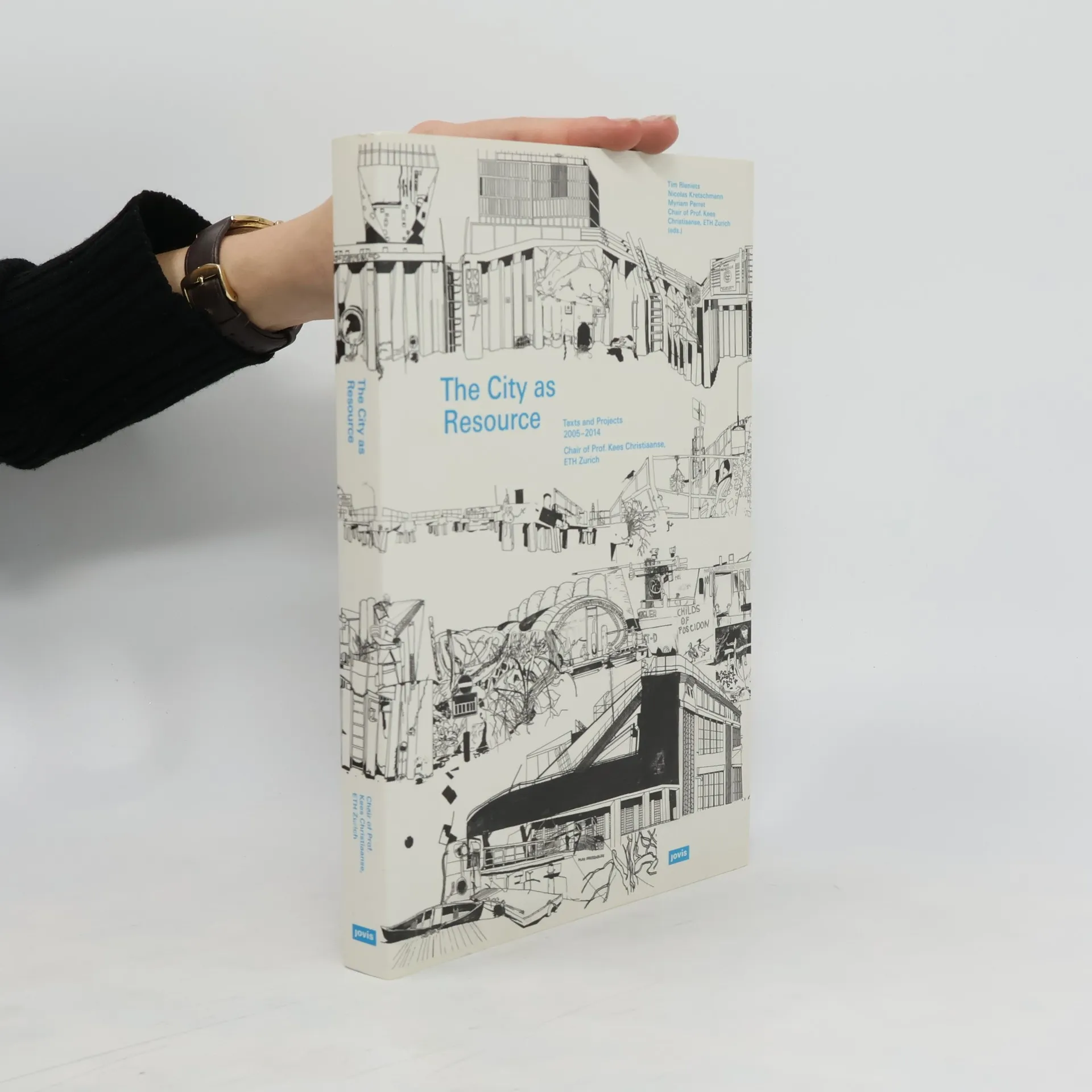
    The city as resource
    urbainable/stadthaltig
    • urbainable/stadthaltig

      Positions on the European City for the 21st Century

      Constant change is what marks the history of the European city. Over centuries, architecture’s reactions to social disruptions―natural disaster, plague, or war―have fashioned the city into an engine of civilization. And bound up with this has been the promise of economic independence, social cohesion, and individual freedom. Now fundamental challenges, such as climate change, are bringing cities face to face with new transformations that call into question the continuity and sustainability of the ethical foundations underpinning urban ways of life. Bold and decisive steps are needed. How far can urban planning, landscape planning, and architecture foster the vital processes of change? How can the city offset possible losses caused by altered lifestyles, integrate new technologies, or rehearse new forms of behaviour and ultimately sublimate them into a functioning culture? In this volume, the members of the Architecture Section of the Akademie der Künste Berlin and their invited guests from all over Europe introduce their positions by means of projects, visions, and manifestos. Essays by selected authors with different viewpoints supplement the practical discourse. Published by Tim Rieniets, Matthias Sauerbruch, and Jörn Walter on behalf of the Akademie der Künste, Berlin. With a photoessay by Erik-Jan Ouwerkerk.

      urbainable/stadthaltig
    • The city as resource

      • 288 Seiten
      • 11 Lesestunden

      Resources are what the future will be made from. And the city is a resource too, one that opens up a wealth of whole new possibilities to every individual and to society as a whole. However, the city is not an inexhaustible resource. It will only be able to meet the needs of future generations if it is handled sustainably and not with an eye to short-term, partisan interests. Hence the greatest challenge will surely be to conceive the city as a regenerative circuit, that is not only the design of spatial and aesthetic qualities, but also its development over time. This book uses texts, projects and typical examples to present urban planning methods and strategies for handling cities as a resource. In doing so, it gives the idea of sustainable urban design a new meaning.

      The city as resource