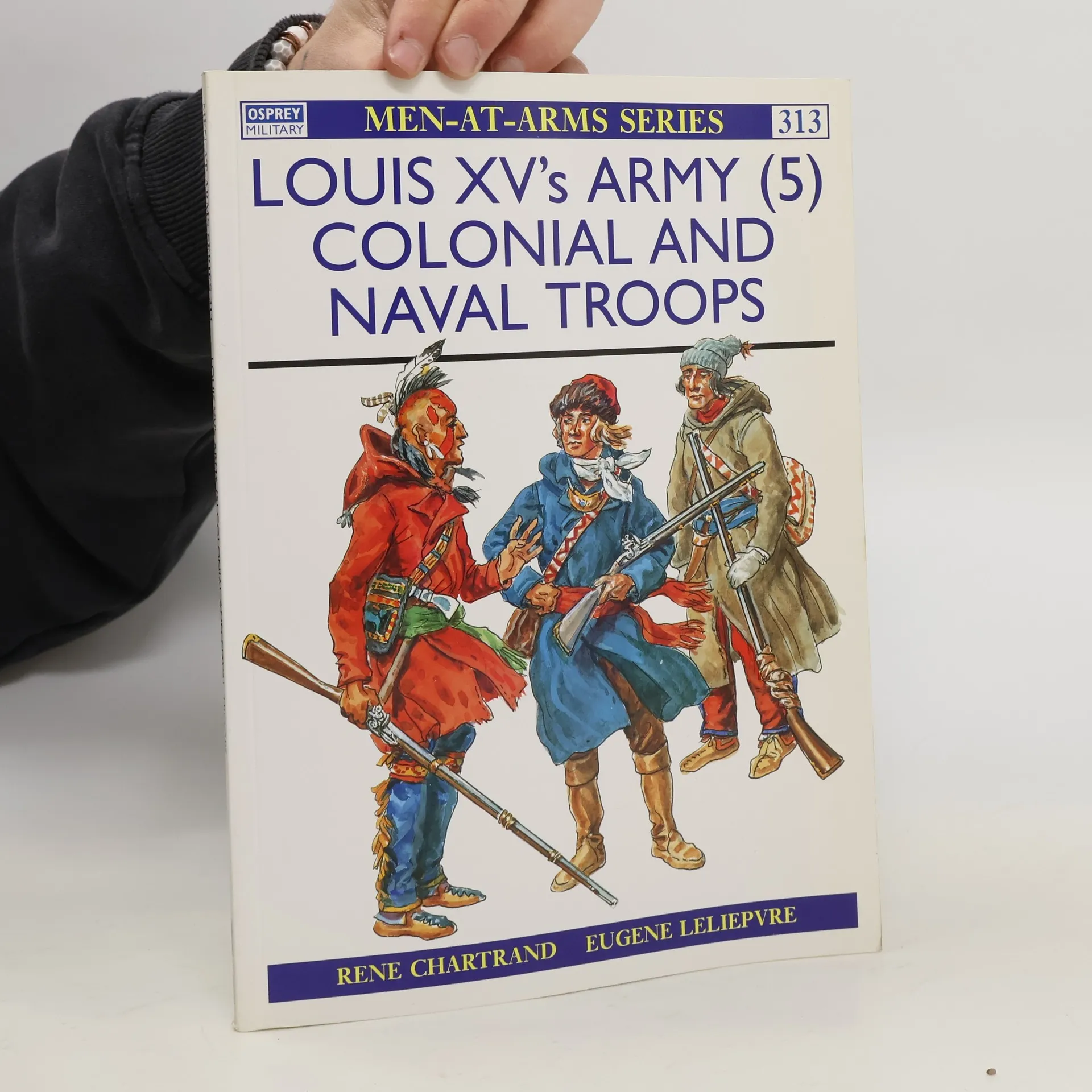
In 1715 France had a sizeable overseas empire in America, Africa and Asia, its colonies garrisoned by thousands of regular officers and soldiers who belonged to the Navy's colonial establishment or by the French East India Company's troops. Though these troops are not usually covered in histories of the French forces, since the end of the 17th century, they saw considerable action against the enemy overseas. This last volume in a series of five (Men-at-Arms 296, 302, 304, 308 and 313) details the uniforms, arms and accoutrements of Louis XV's colonial and naval troops. The text is accompanied by numerous photographs and illustrations, including eight full colour plates.
René Chartrand Bücher

British Forces in North America 1793–1815
- 48 Seiten
- 2 Lesestunden
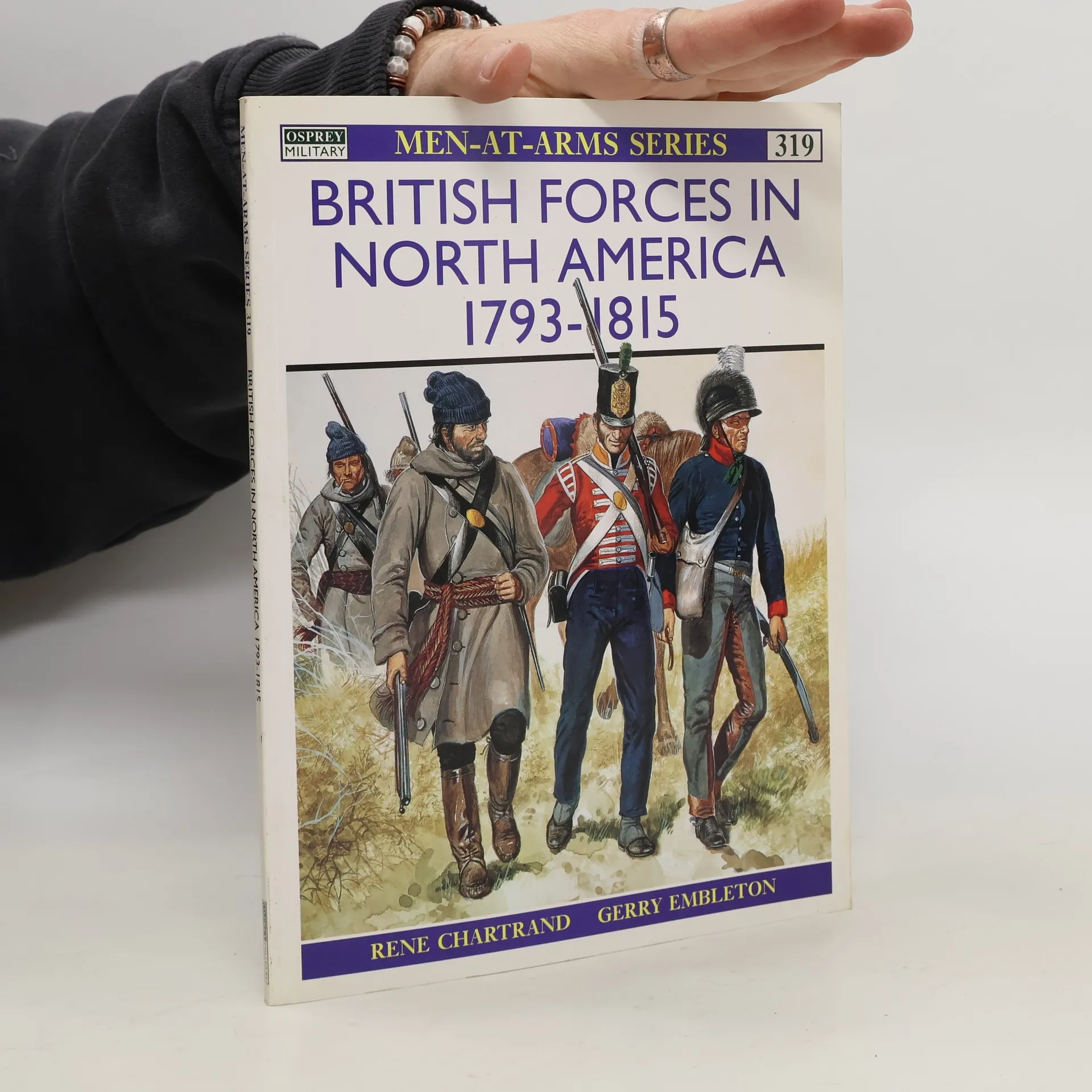
The end of the American Revolution in 1783 confirmed the independence of the republic of the United States of America from Great Britain. Britain, however, still managed to make its presence felt in North America. Britain's Orders in Council concerning trade were a major irritant which, added to other issues including the sale of Louisiana and the impressment of American soldiers by the Royal Navy, finally caused the United States to declare war on 19 June 1812. This volume examines in detail the organisation, tactics and equipment of the British forces between 1793 and 1815.
Louis XV's Army (1)
- 48 Seiten
- 2 Lesestunden
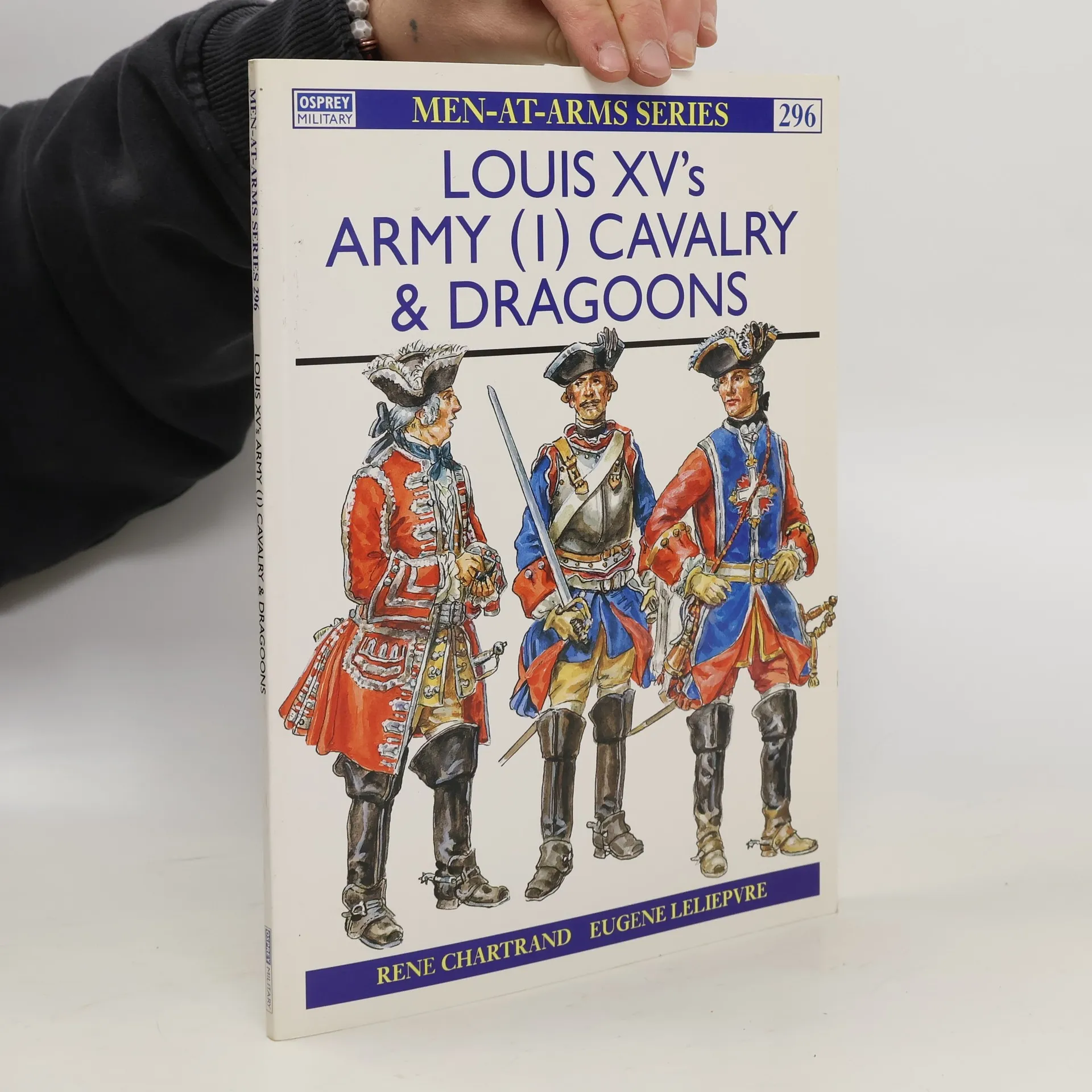
France had a population of between 22 and 25 million at this time, and maintained the largest standing army in Europe. In peacetime it might have amounted to about 200,000 men; in times of war, it could be anything up to half a million. A substantial part of Louis XV's army consisted of numerous regiments of guard cavalry, heavy cavalry and dragoon regiments, which were considered the best and noblest part. These many units form the subject matter in this first of five fascinating volumes [Men-at-Arms 296, 302, 304, 308 & 313] by René Chartrand covering the army of Louis XV's.
Men-at-Arms - 439: The Canadian Corps in World War I
- 48 Seiten
- 2 Lesestunden
In 1914, Canada, with a regular army of just 3,110 men, was unprepared for World War I. Yet, thousands of young Canadians volunteered to support the Allied cause, resulting in nearly 700,000 Canadians serving, a remarkable effort for a nation of 8 million. Tragically, nearly one in ten who fought did not return. Canadians participated in all major battles on the Western Front, enduring the first gas attack in 1915 and fighting at Ypres and the Somme. The Canadian Corps is notably remembered for its victory at Vimy Ridge, marking a significant national milestone as all four divisions attacked together for the first time, solidifying a distinct Canadian identity. This identity was further reinforced by their unique uniforms, insignia, and equipment, all beautifully illustrated in this book. Additionally, it features a comprehensive listing of units, detailing their proud service records throughout the war, including contributions on land, at sea, and in the air. The poignant photographs, commissioned artwork, and detailed service records provide a unique insight into the experiences of Canadian soldiers, ultimately fostering a deeper sense of Canadian national identity.
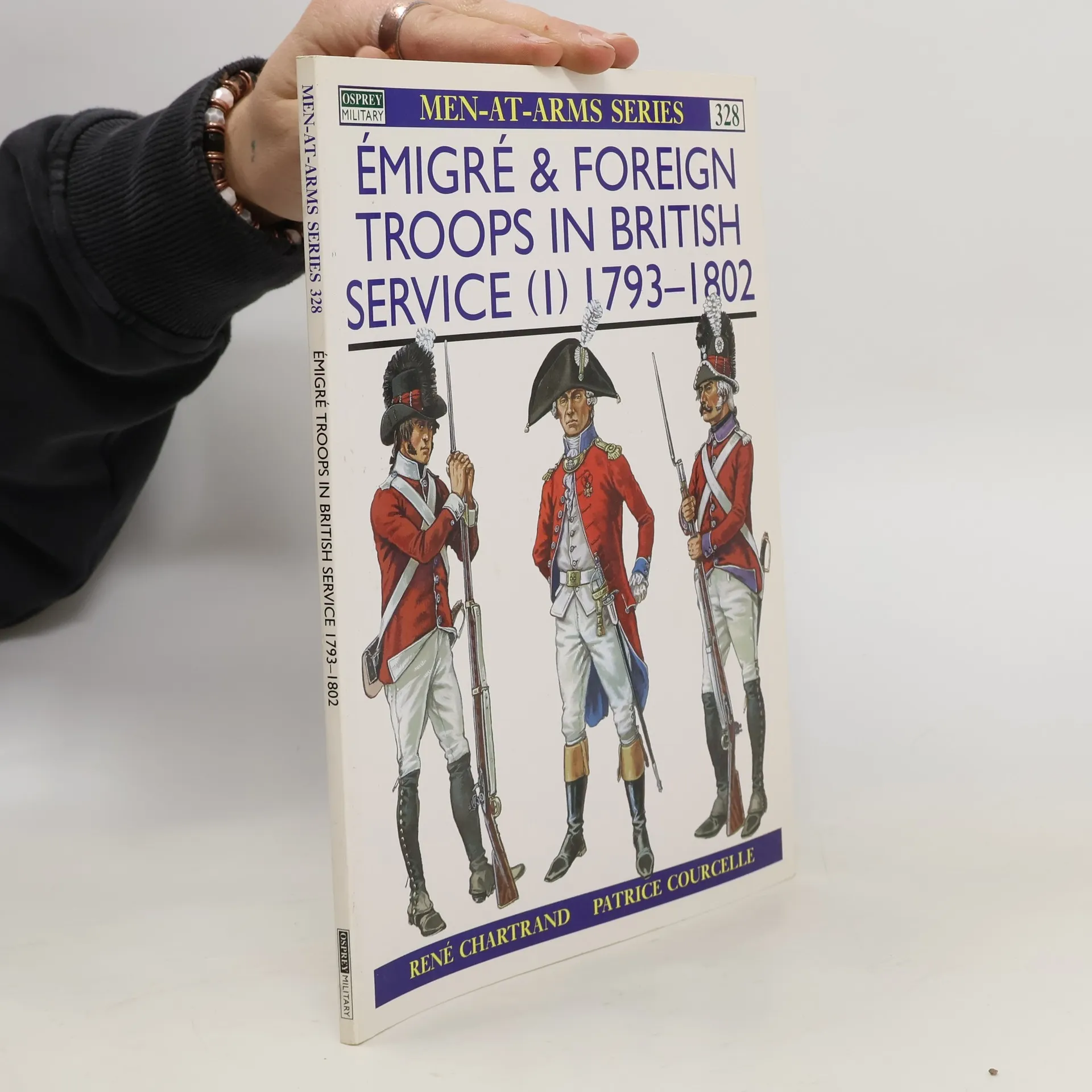
Following the Revolution in 1789, members of the aristocracy were increasingly persecuted, and many of them fled abroad. These exiles became known collectively as 'émigrés', and despite initial confusions and indecision, many of them were taken into British service. This fine text by René Chartrand examines the organisation, uniforms and insignia of the Émigré troops in British service from 1793 to 1802, accompanied by plenty of illustrations including eight full page colour plates by Patrice Courcelle.
British Forces in the West Indies 1793–1815
- 48 Seiten
- 2 Lesestunden
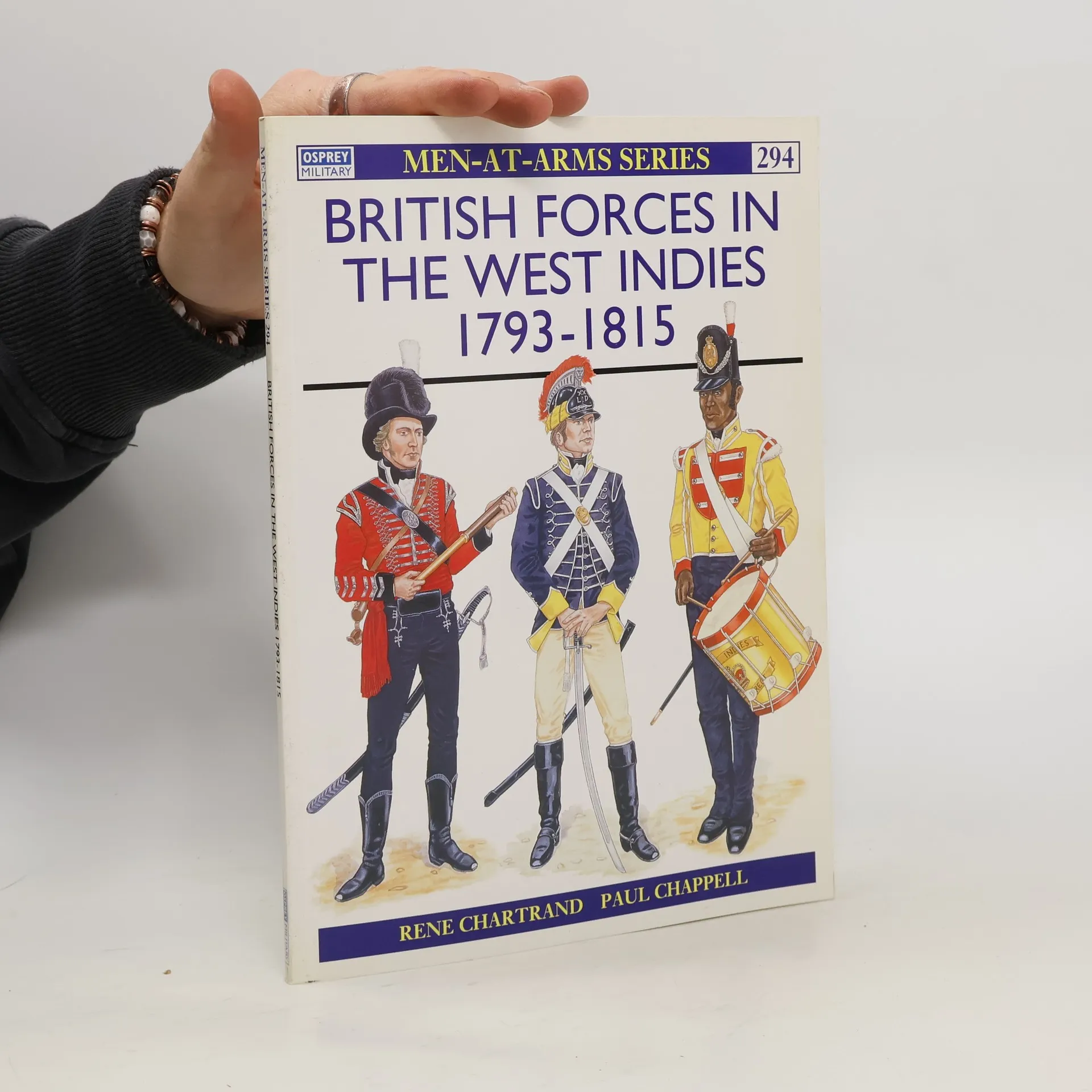
Two centuries ago, the West Indies were a booming set of islands where vast fortunes were made. By the late 1790s, the West Indies attracted four-fifths of British overseas capital investments and provided over one-eight of the government's £31.5 million total net revenue to the Treasury. These figures explain the tremendous numbers of naval and military forces deployed to protect these valuable Caribbean territories during the French Revolutionary Wars (1792-1802) and beyond. This fascinating volume by Réne Chartrand examines these forces, including a wealth of illustrations and photographs and eight full page colour plates by Paul Chappell.
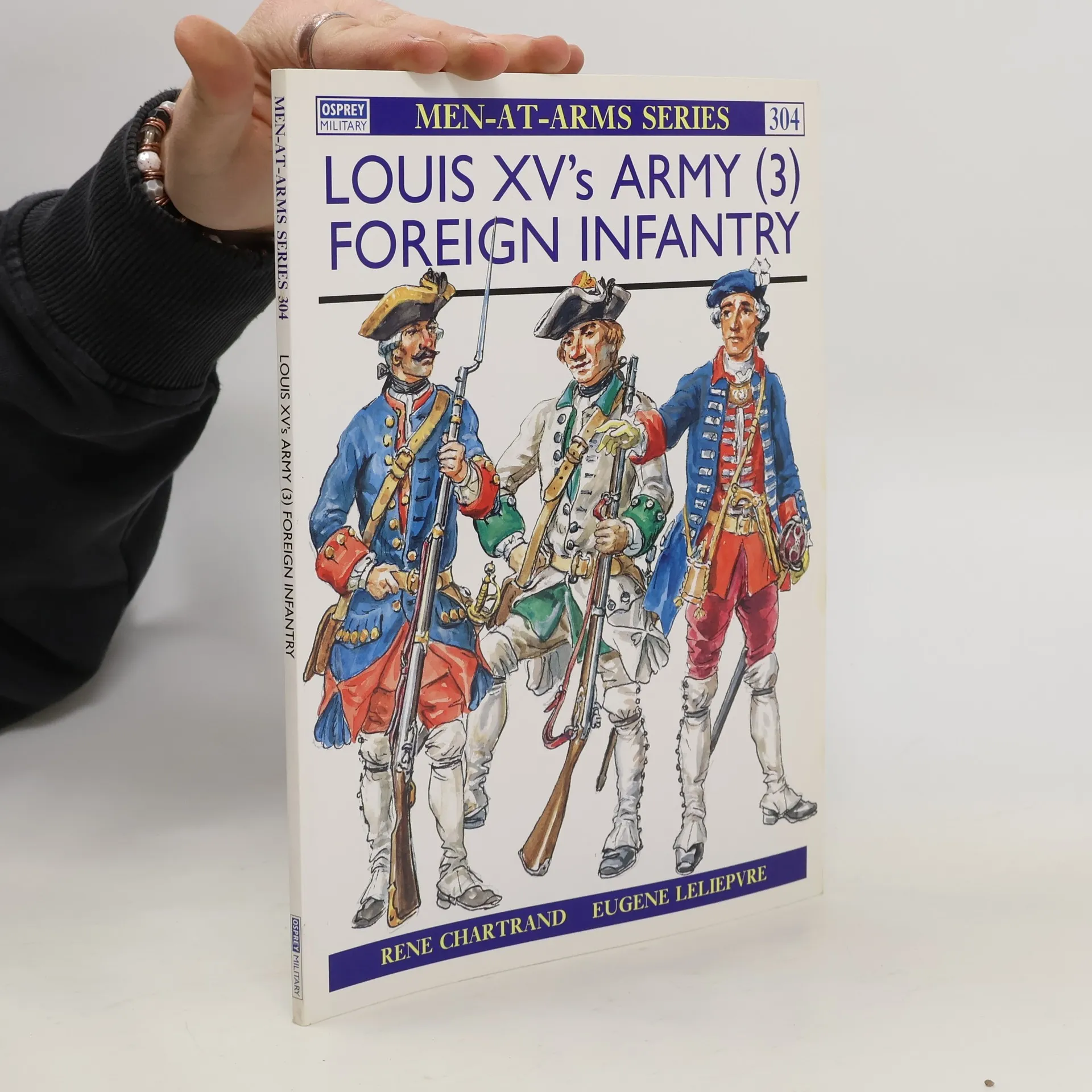
Louis XV's Army (3): Foreign Infantry
- 48 Seiten
- 2 Lesestunden
On account of long-standing tradition as well as sheer numbers, the importance of foreign regiments in the French army had become considerable by the time of Louis XV. Since the Middle Ages, the rulers of France had called upon mercenaries from various neighbouring nations to form units which were often among the finest in the army. In this third of five volumes covering the army of Louis XV [Men-at-Arms 296, 302, 304, 308 & 313], René Chartrand examines the organisation and uniforms of the foreign infantry and artillery troops in a text containing a wealth of illustrations including eight full page colour plates by Eugène Lelièpvre.
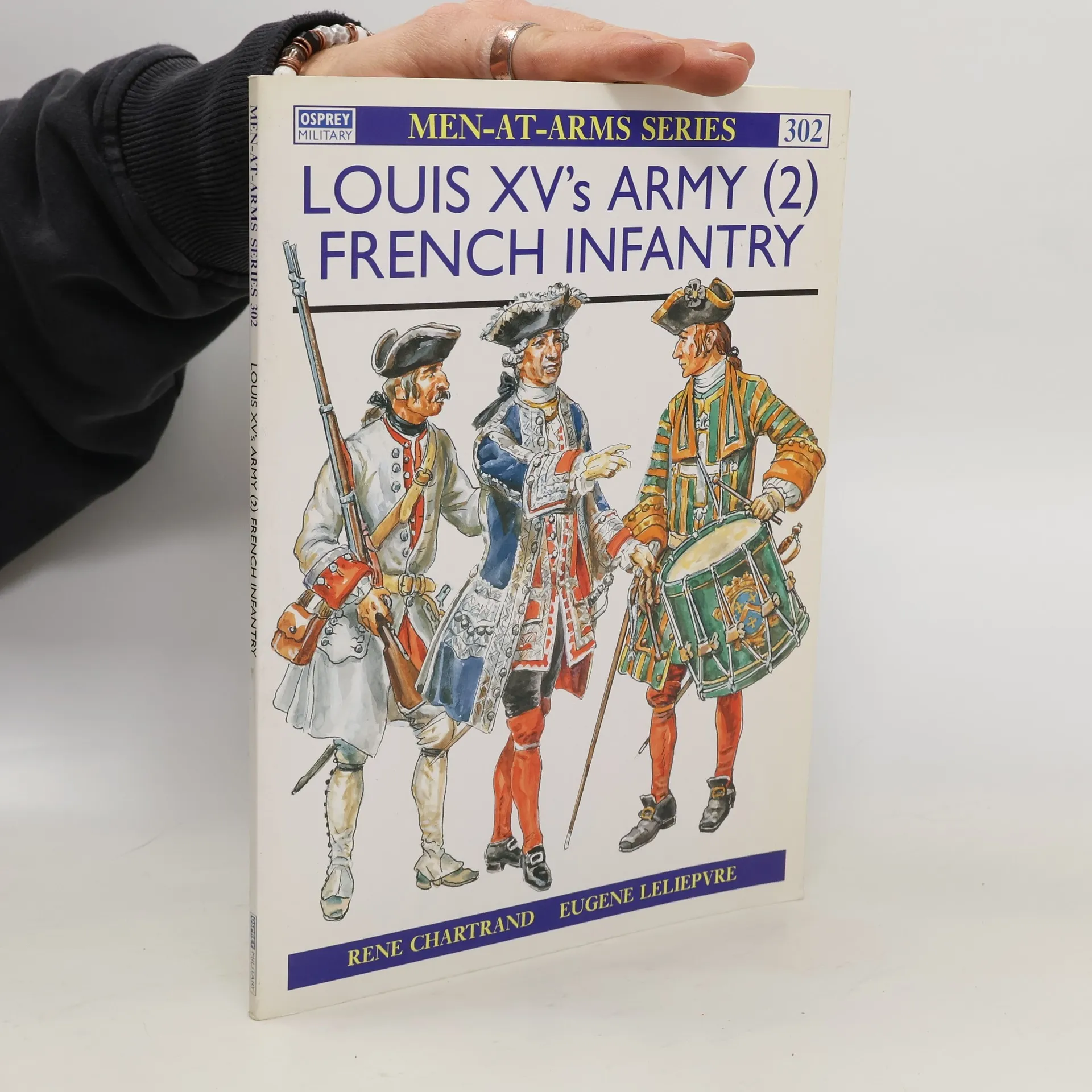
Louis XV's Army (2)
- 48 Seiten
- 2 Lesestunden
In Louis XV's army the classification of 'French' infantry denoted troops recruited from men born and raised in France. These regiments were called, naturally enough, infanterie francaise as opposed to the mercenary 'foreign' infantry recruited elsewhere. Making up the bulk of the army, all officers and men were to be of the Roman Catholic faith, the official state religion. Regimental recruiting parties went to towns and villages looking for likely young volunteers, inducing them to enlist with the usual promises – quick money, fast women, good wines and great glory.
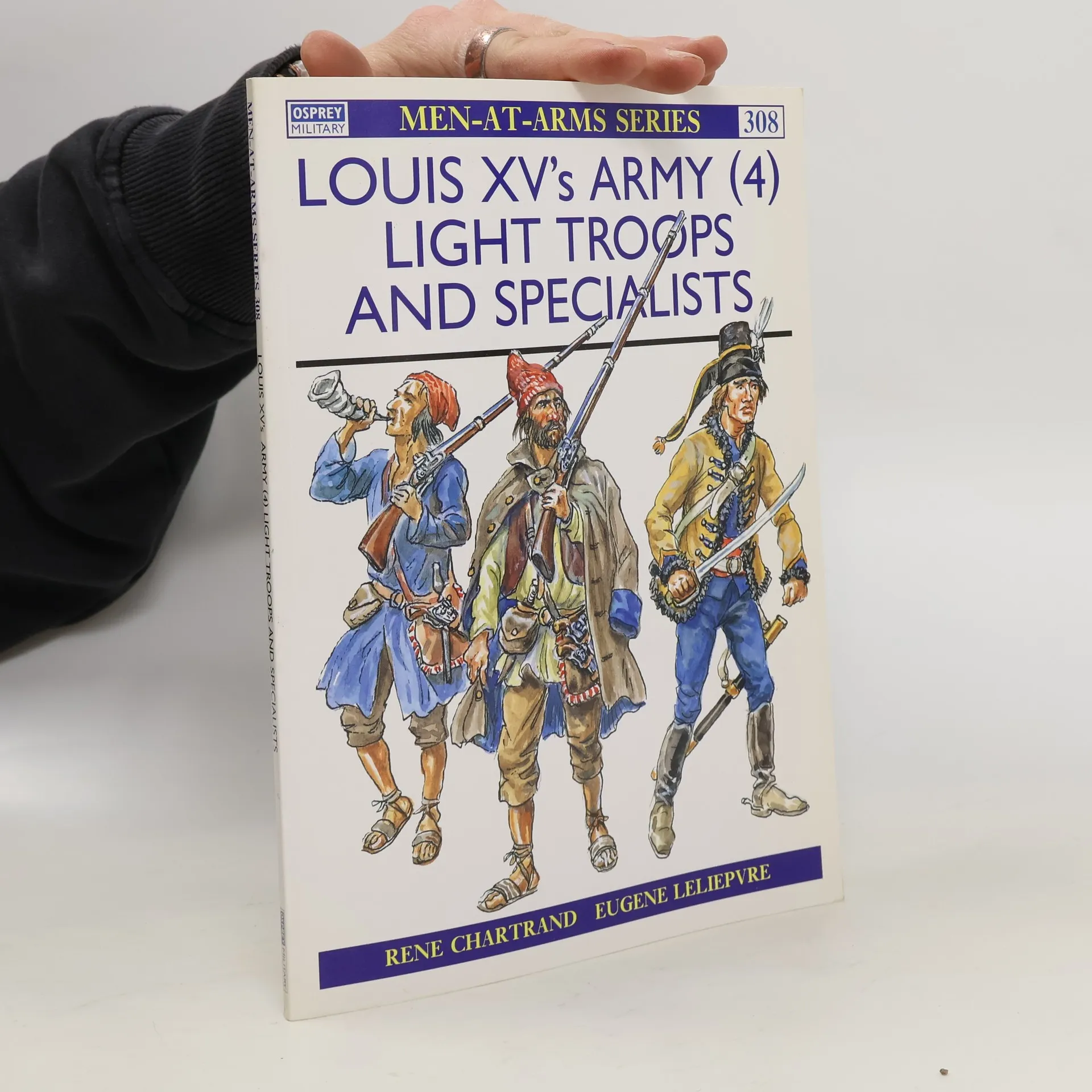
Louis XV's Army 4
- 48 Seiten
- 2 Lesestunden
The emergence of light troops at the time of Louis XV's reign (1715-1774) is a sign of the search for better intelligence of the enemy and rapid tactical moves on battlefields. This fourth instalment of René Chartrand's review of Louis XV's army reveals an extraordinary variety of units, most now long forgotten, who had a dazzling assortment of uniforms, equipment and weapons, as is revealed by this interesting text and its numerous accompanying illustrations, which include eight full page colour plates by Eugène Lelièpvre.
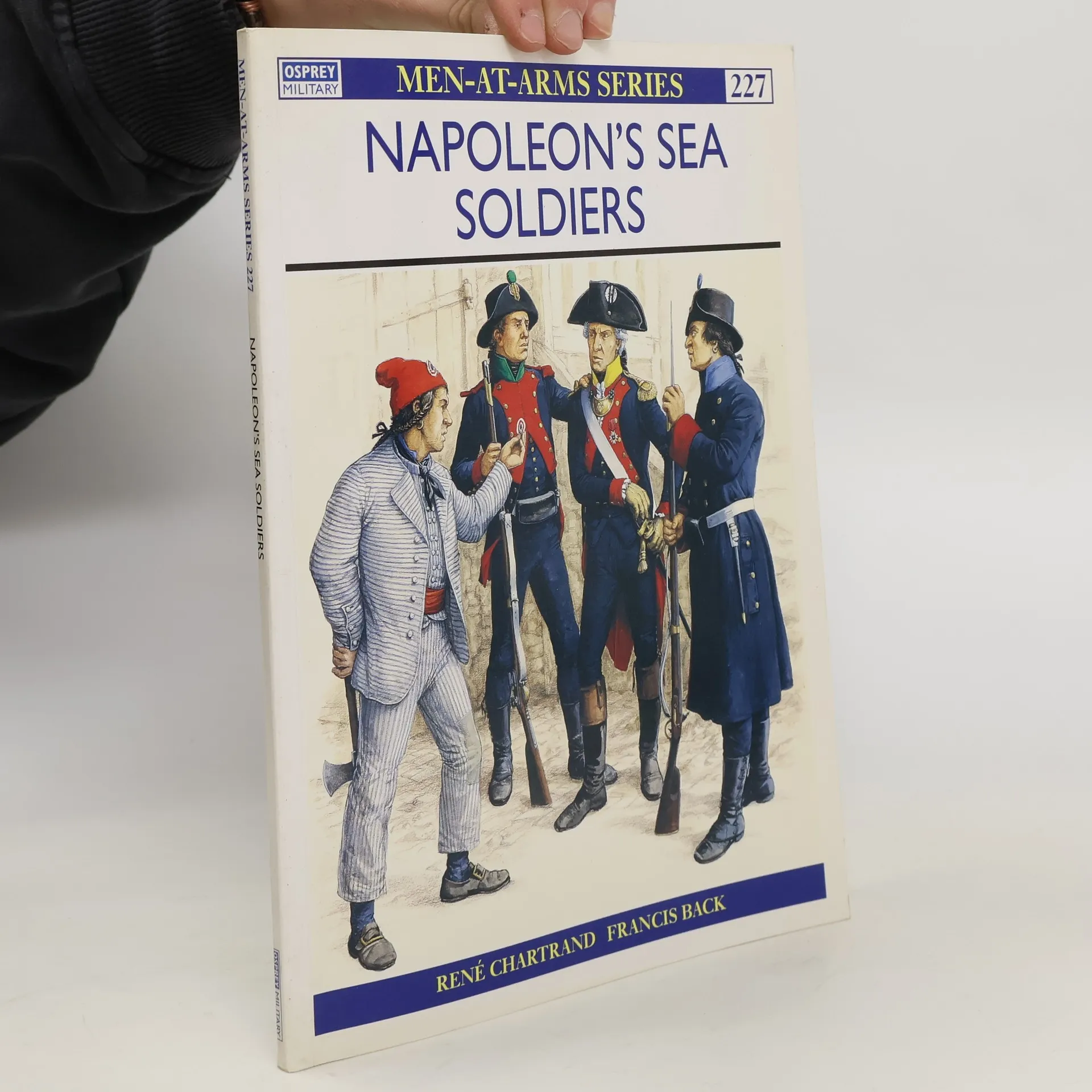
Napoleon's Sea Soldiers
- 48 Seiten
- 2 Lesestunden
Napoleon has often been considered to misunderstand the navy. Being an artillery officer, he was given to precise calculations and never quite accepted that the wind was more important to ships than his orders. However, thanks to the Emperor's pragmatic measures during 1800-1801, the French navy emerged from chaos for the first time in over a decade. The history and uniform of Napoleon's sea soldiers is here explored by René Chartrand, in this worthy edition to Osprey's Men-at-Arms series, with a wealth of illustrations including eight full page colour plates by Francis Back.
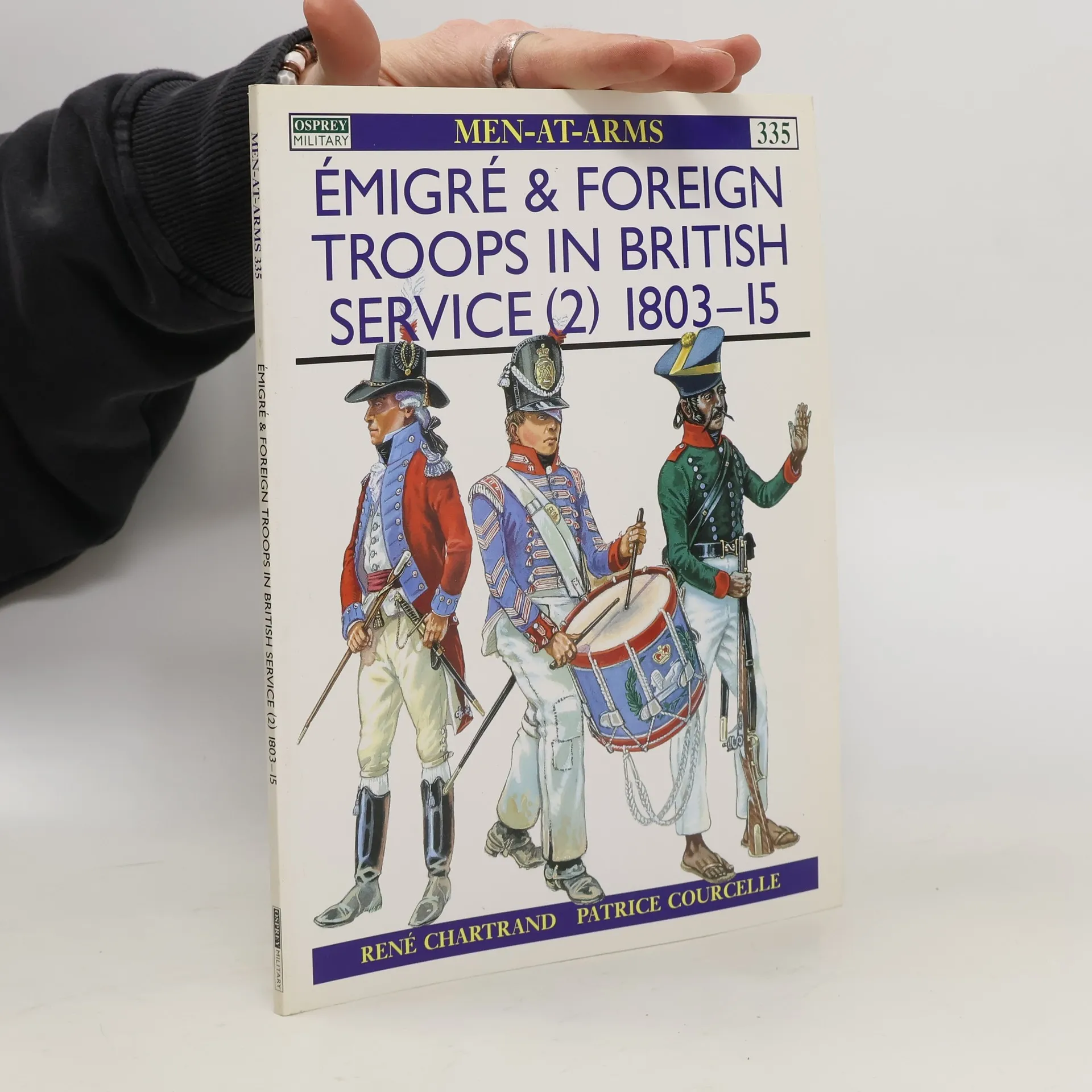
Émigré and Foreign Troops in British Service (2)
- 48 Seiten
- 2 Lesestunden
Following his study of the astonishing range of French Royalist and foreign mercenary units employed by Britain in the period 1793–1802 of the French Revolutionary Wars (Men-at-Arms 328), the author describes - often for the first time in an English language publication - the part played by their successors during the crucial years of the Napoleonic Wars. He covers not only relatively well-recorded units, such as Roll’s, Meuron’s and Watteville’s Swiss corps, but also the unjustly neglected Italians, Corsicans and Greeks, and such exotica as the African and Ceylon regiments. Uniform details of nearly 40 corps are based on impressive primary research, and this book and its companion volume make a genuinely new contribution to Napoleonic studies.
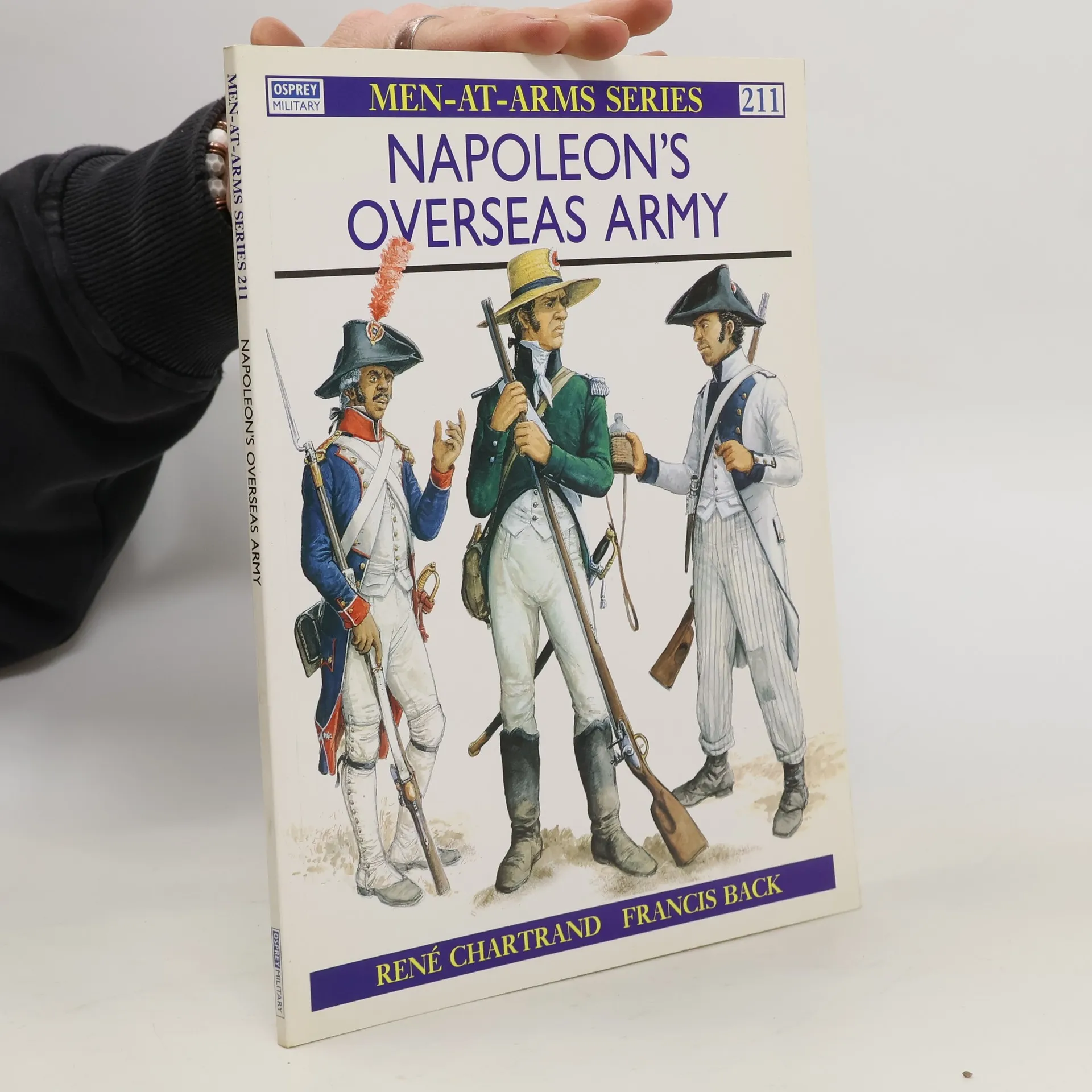
Napoleon's Overseas Army
- 48 Seiten
- 2 Lesestunden
When the French Revolution broke out in 1789, France possessed numerous colonies spread over three continents. To defend and keep the peace in these territories, a small army of colonial troops, distinct from the metropolitan line regiments or marines, had existed since the days of Louis XIV. This book examines the history and uniforms of the often-overlooked French armies in Saint-Domingue, Guadeloupe, Martinique, St Lucia, Tobago, Ile-de-France, La Réunion, Pondichéry, Guiana, Senegal and Saint-Pierre-et-Miquelon. The text is backed by numerous illustrations offering a rare glimpse into dress and equipment of Napoleon's overseas army.
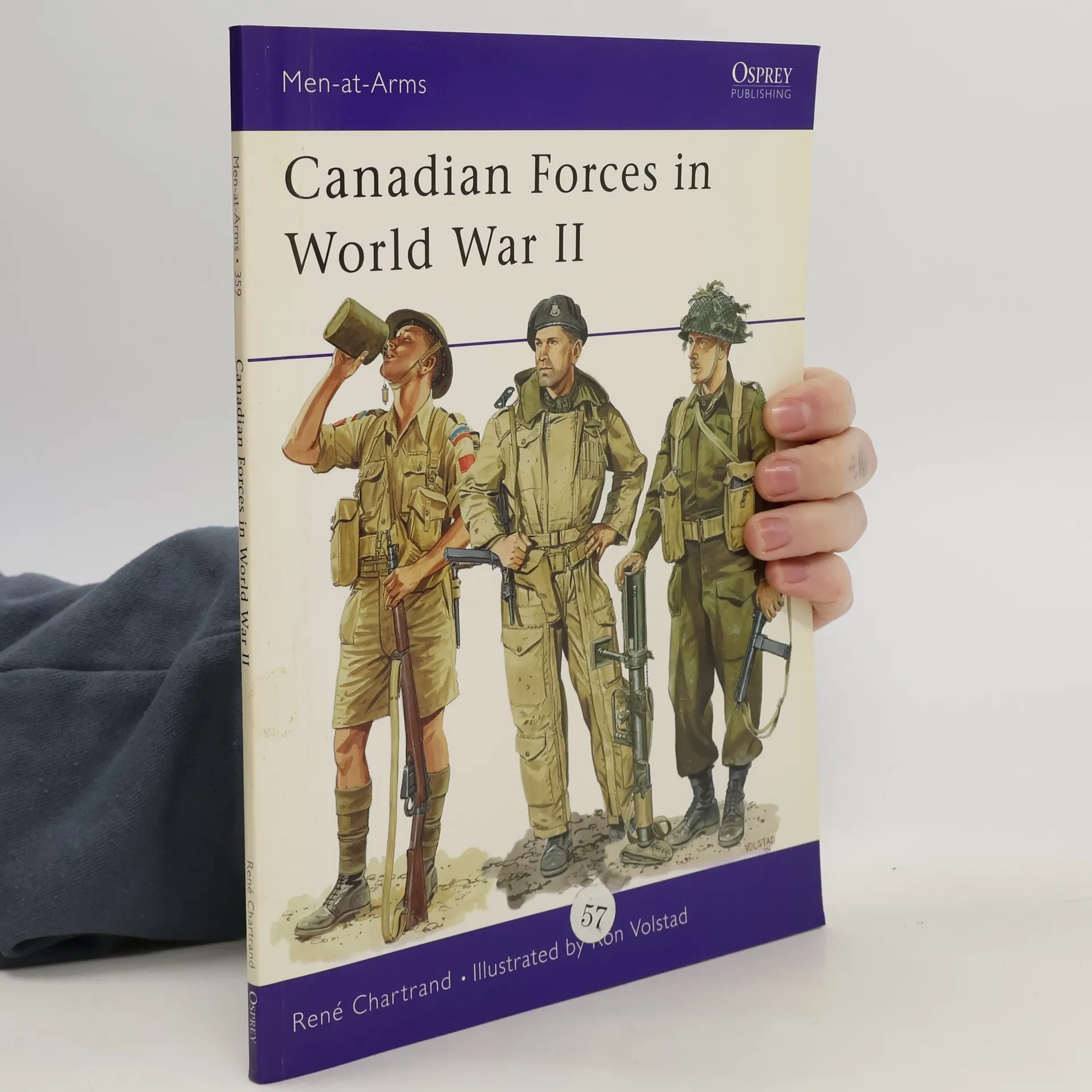
Canadian Forces in World War II
- 48 Seiten
- 2 Lesestunden
Canada was the first Commonwealth country to send troops to Britain in 1939. During 1939-45 hundreds of thousands of Canadians - more than 40 per cent of the male population between the ages of 18 and 45, and virtually all of them volunteers - enlisted. Canadians fought with tragic courage at Hong Kong and Dieppe; with growing strength and confidence in Sicily, Italy and Normandy; and finally provided an entire Army for the liberation of NW Europe. This concise account of an extraordinary national effort in the cause of freedom is supported by data tables, photos, and eight colour plates by Canada's most knowledgeable military illustrator.
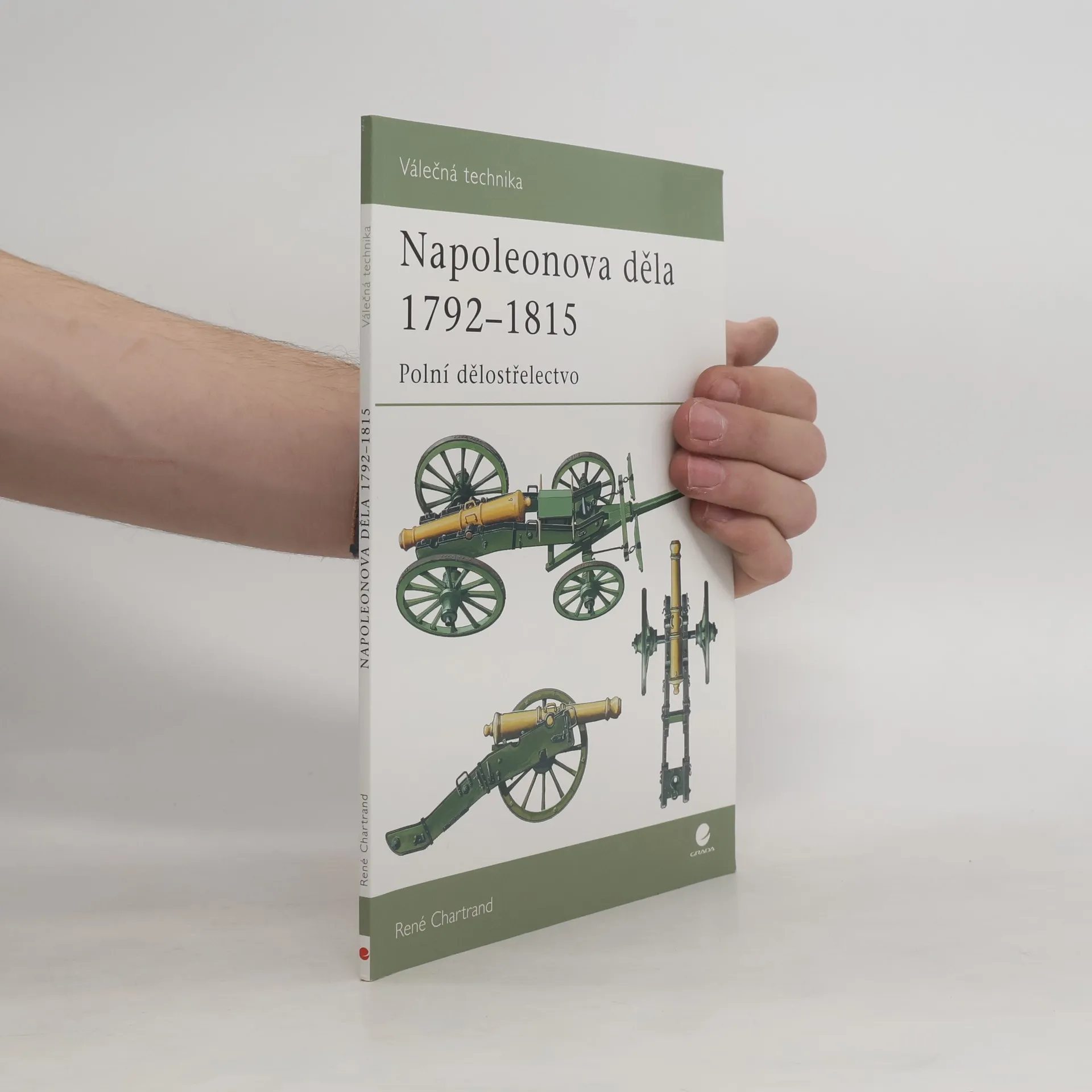
Napoleonova děla 1792-1815. Polní dělostřelectvo.
- 48 Seiten
- 2 Lesestunden
V publikaci se zájemci o válečnou techniku dozvědí podstatné informace o reformě dělostřeleckého systému, jež se začala uvádět do praxe zrovna v době, kdy svou kariéru dělostřeleckého důstojníka zahájil Napoleon Bonaparte. Ten při své závratné kariéře vojevůdce dokázal taktických možností nového systému maximálně využít. Francouzskému dělostřelectvu dodala reforma jednotnost a pružnost, jež neměly v Evropě konkurenci a umožnily Napoleonovi převzít a rozvinout sílu, jež mohla ovládnout bojiště. (polní dělostřelectvo)
Napoleon's Guns 1792–1815 (1): Field Artillery
- 48 Seiten
- 2 Lesestunden
As a young gunner, Napoleon Bonaparte was trained in one of Europe's finest artillery arms. Both the technological sophistication of their weaponry and the skill of their gunners was largely the result of the adoption of the system devised by one man, Jean-Baptiste Vaquette de Gribeauval. Gribeauval's standardised system of parts and calibres allowed a degree of uniformity and sophistication in the French artillery that was unmatched throughout Europe, and allowed Napoleon to inherit and develop an arm that could dominate the battlefield. This volume covers the field artillery pieces of the system: the 4-, 8- and 12-pdr guns; light 1-pdr guns and mountain guns; and later innovations such as the 6-pdr gun.