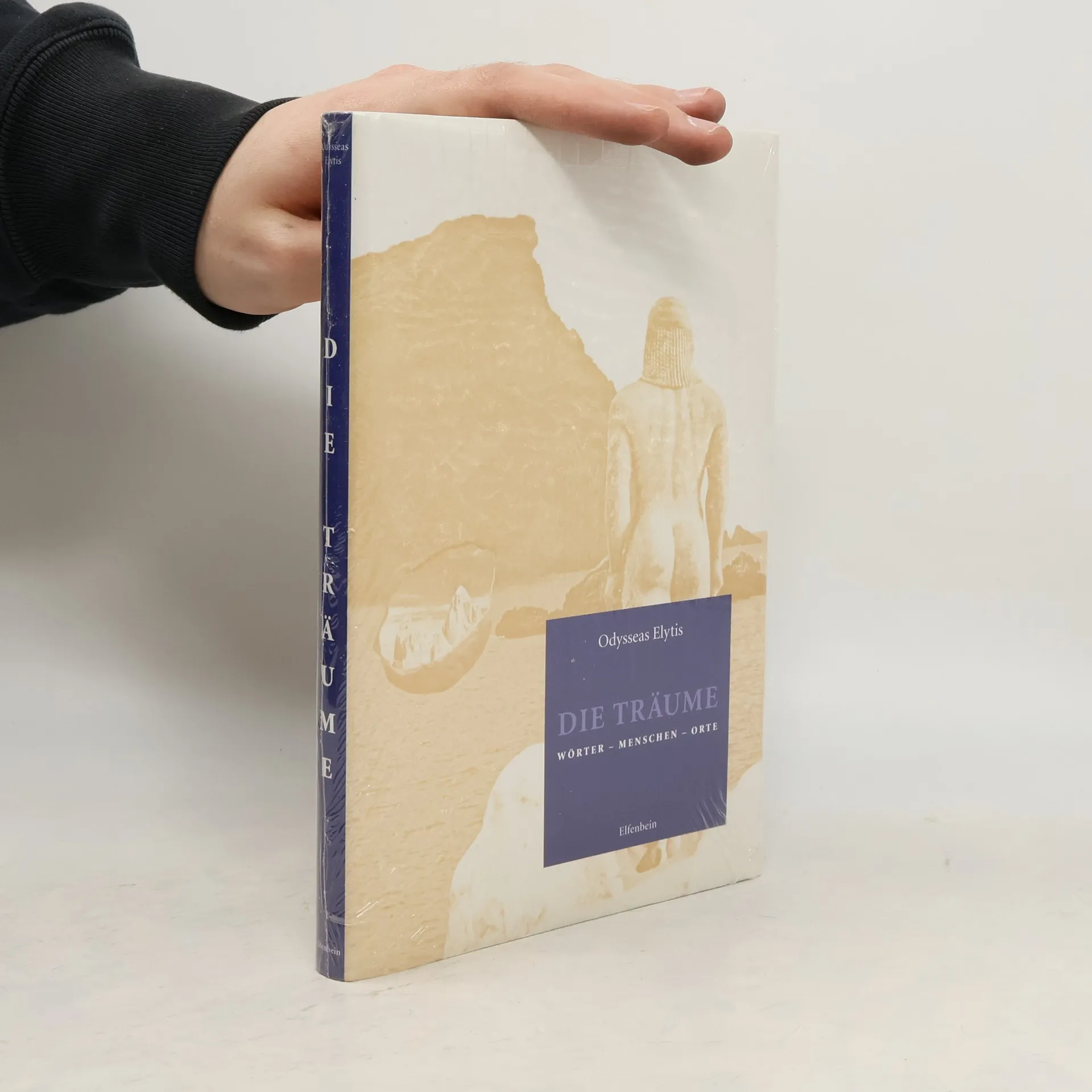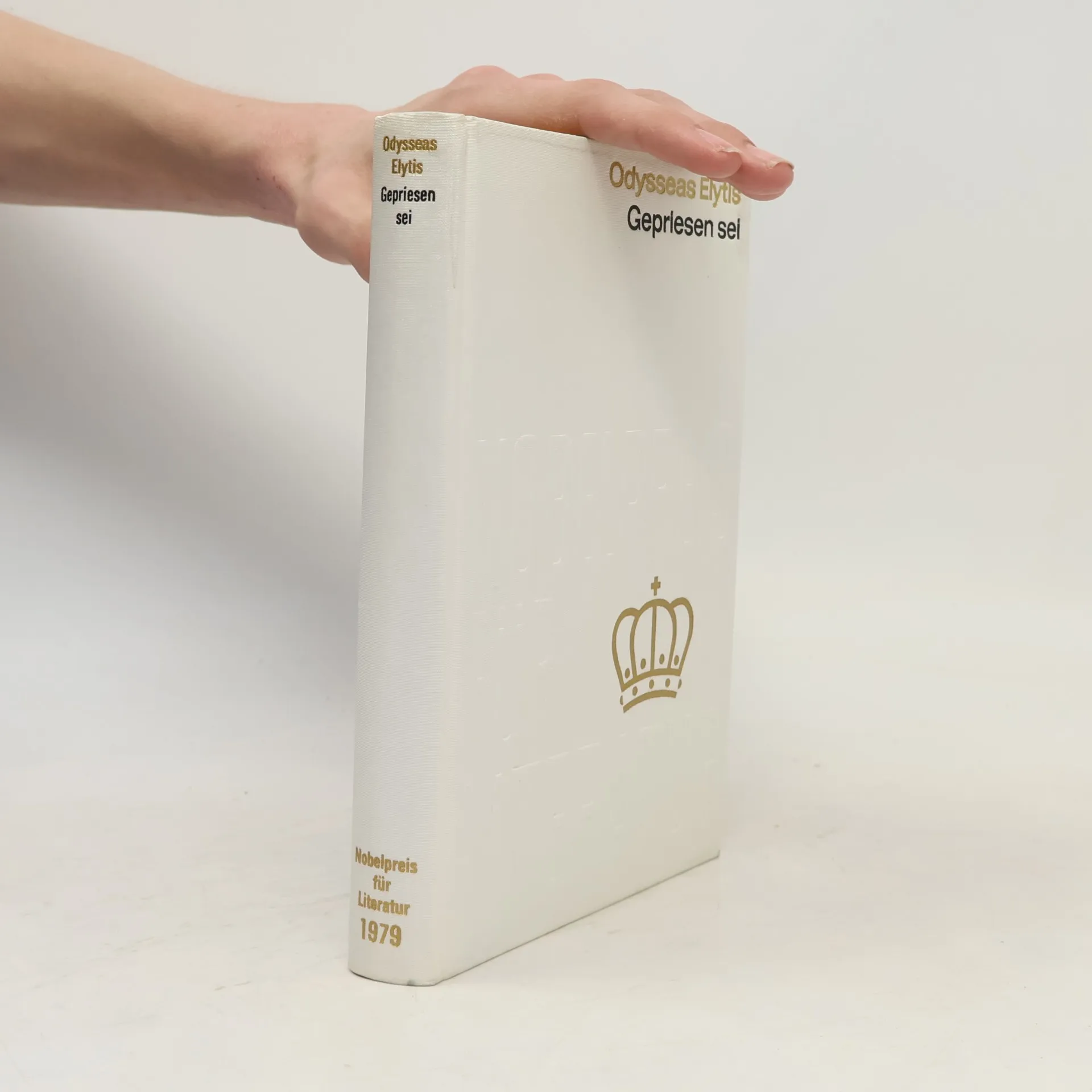

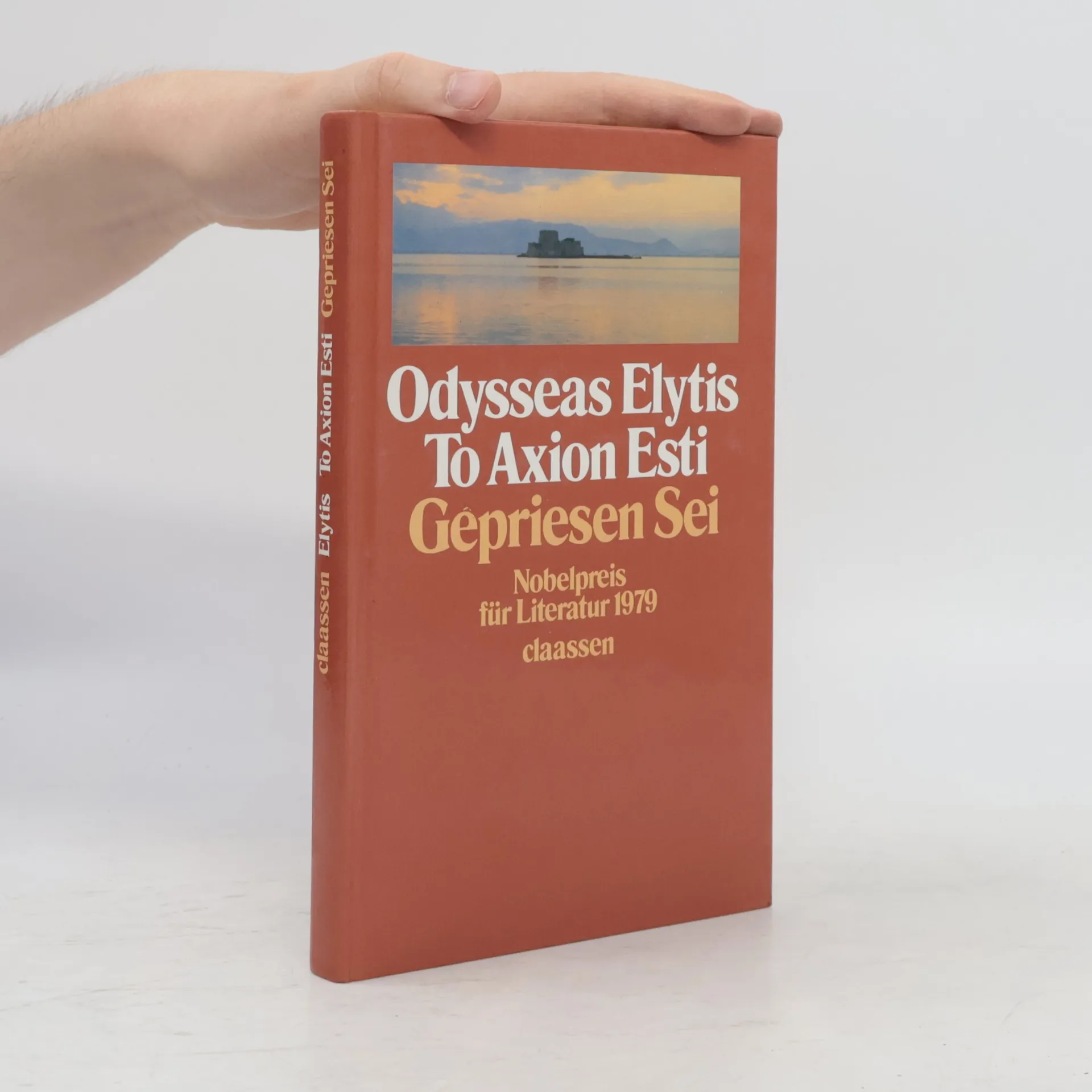
'To Axion Esti', das Hauptwerk von Odysseas Elytis, ist ein Himmelsstürmer: In dieser 'Bibel der griechischen Nation' – so Mikis Theodorakis, der große Teile davon vertonte – stellt der Dichter das Schicksal seines Landes und den Weg zu einer neuen Freiheit dar. Er greift dabei auf keine geringeren Quellen zurück als die Dichtung der Antike, die Psalmen der Bibel, die orthodoxe Liturgie und die melische Dichtung der Byzantiner. Er schafft damit eine religiöse, ja mystische Atmosphäre. 'To Axion Esti', das 'Gepriesen Sei', mit dem das Loblied der Gottesmutter eingeleitet wird, durchzieht wie ein roter Faden dieses monumental anmutende Werk. Elytis gelingt es, traditionellen Bildern neues Leben einzuhauchen und sie mit Elementen aus der balkanischen Volksdichtung und der westeuropäischen Moderne zu einem geheimnisvollen Mosaik zusammenzusetzen – so geheimnisvoll und neu wie die Welt, in die das lyrische Ich des Textes seine Zuhörer einlädt. Die dunklen Wolken von Krieg und Frieden in seinem Land sind vorübergezogen – was bleibt, ist das klärende und verlockende Licht des Neubeginns.
Odysseas Elytis Bücher
- Οδυσσέας Ελύτης


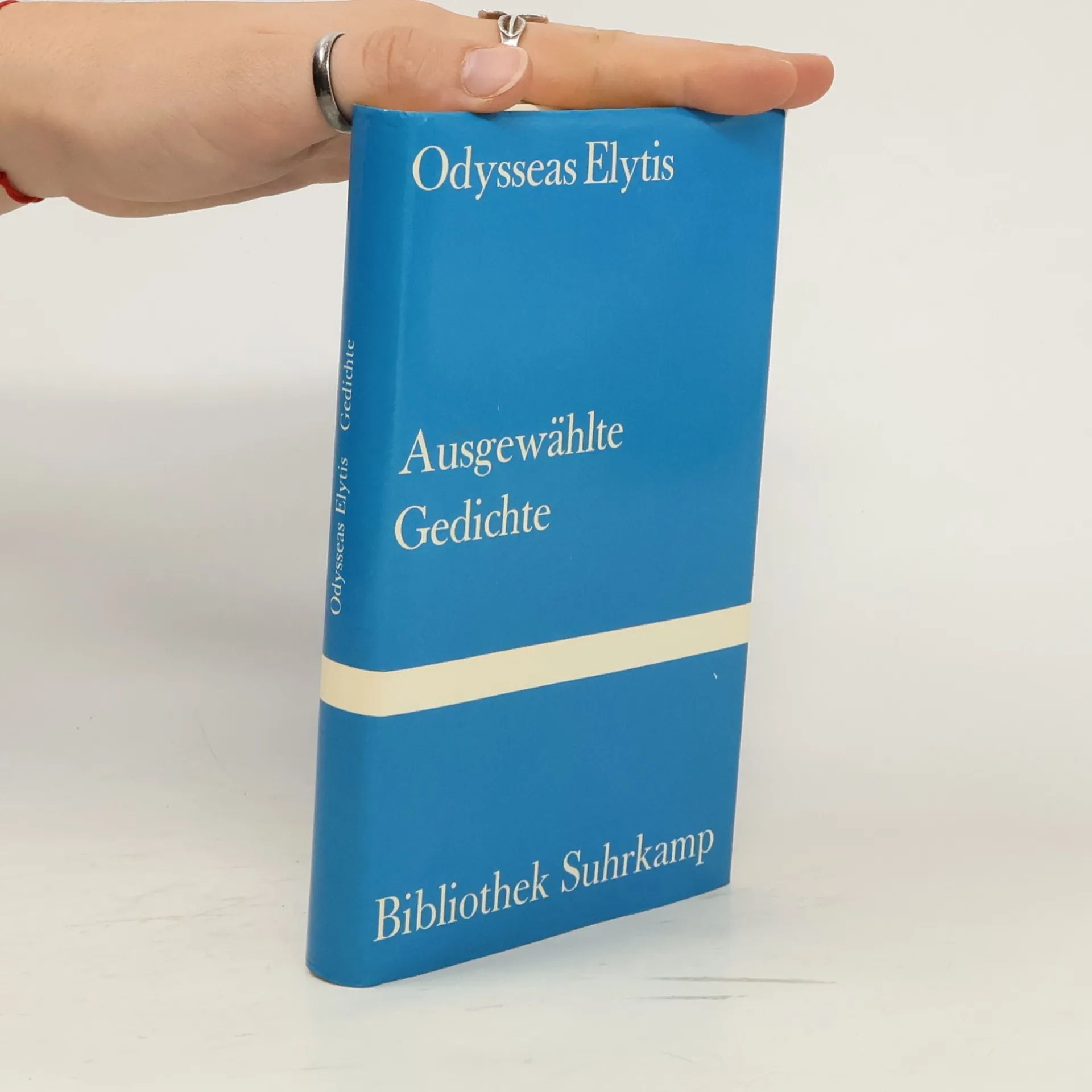
Ausgewählte Gedichte
- 195 Seiten
- 7 Lesestunden
Neugriechisch und deutsch Erste Auflage. 1997 195 S. Hardcover/Pappeinband Suhrkamp, ERSTAUSGABE
The Collected Poems of Odysseus Elytis
- 768 Seiten
- 27 Lesestunden
In awarding the 1979 Nobel Prize in literature to Odysseus Elytis, the Swedish Academy recognized his poetry for its sensuous strength and intellectual clarity, depicting modern man's quest for freedom and creativity against the backdrop of Greek tradition. Elytis (1911--1996) remained committed to a vision of poetry that explores the power of language, linking Greece's history and mythology to contemporary realities. His work is celebrated for its lyricism and optimism, capturing Greece's natural beauty while voicing both the contemporary Greek experience and universal human themes. The Collected Poems of Odysseus Elytis, first published in 1997 and translated by Jeffrey Carson and Nikos Sarris, was the first complete collection of his poetry in any language. This landmark volume includes Elytis's early works, influenced by surrealism and nature, his epic poem connecting Greece's Second World War experience to the myth of the eternal hero, and his mature poetry. The expanded edition adds sixty free verse and prose poems from the 1998 posthumous volume From Close By, along with previously omitted song lyrics and a cantata. All translations maintain the elegance and richness of Elytis's lyrical voice.
A selection from the work of one of modern Greece's poets. It is drawn from various periods of his career and traces his development from early surrealism, in which he transforms French influence into a distinct personal voice and mythology, through the dramatic style of The Axion Esti with its blend of spirituality and earthiness.
"Odysseus Elytis is a pure and dedicated poet, whose work is abundant, original, and thrilling", wrote Peter Levi when Elytis (1911-96) was awarded the Nobel Prize in 1979. This is a representative selection of his poems, drawn from all periods of his distinguished career, tracing his development from early surrealism, through the dramatic style of The Axion Esti with its blend of spirituality and earthiness, up to his later work.
The Aegean
The Epicenter of Greek Civilization
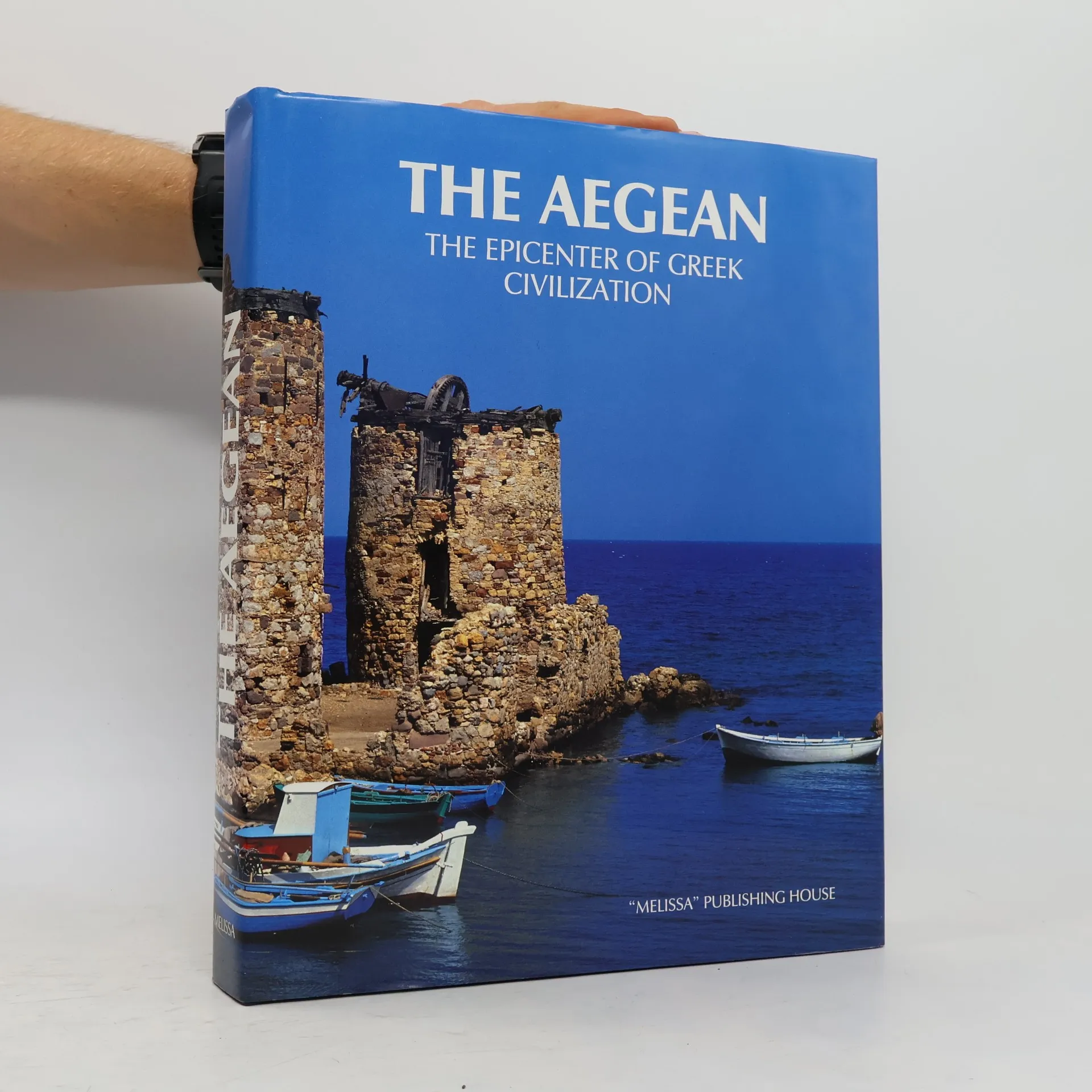
A collection of eleven essays provides an assessment of the influence the Aegean world has exerted upon Greek art and civilization throughout the ages. The eleven authors, all leading experts in their fields of history, literature and art, highlight important aspects of the Aegean world in texts that combine up-to-date scholarship with a lively re-evaluation of philosophy, architecture, sculpture painting, etc. The book's most engaging quality, however, is the manner in which it attempts to convey a vivid image of the Aegean Sea and the civilization that flourished on its islands. Illustrated throughout with unique, often full page aerial photographs and drawings, the volume brilliantly captures the essence of Greek civilization and constitutes a lively introduction to the history of the Aegean world. It also provides a comprehensive study and evaluation of its many aspects and succeeds in establishing it as a point of reference for Western culture.