

Bookbot

William D. Nordhaus

    William Nordhaus ist ein amerikanischer Ökonom, der für seine bahnbrechende Arbeit zur Integration des Klimawandels in die ökonomische Analyse bekannt ist. Seine Forschung konzentriert sich auf die Entwicklung quantitativer Modelle, die die komplexen Wechselwirkungen zwischen menschlicher Gesellschaft, Wirtschaft und klimatischen Auswirkungen untersuchen. Durch seine Amtszeit an der Yale University und die Schaffung innovativer Analysewerkzeuge hat er zu einem tieferen Verständnis der wirtschaftlichen Folgen des Klimawandels und politischer Interventionen, wie z. B. Kohlenstoffsteuern, beigetragen. Sein Einfluss reicht von der akademischen Welt bis zur Gestaltung der Wirtschaftspolitik.

    Ekonómia
    The Climate Casino
    Microeconomics : a version of economics
    The Spirit of Green
    Macroecononics : a version of econonocs
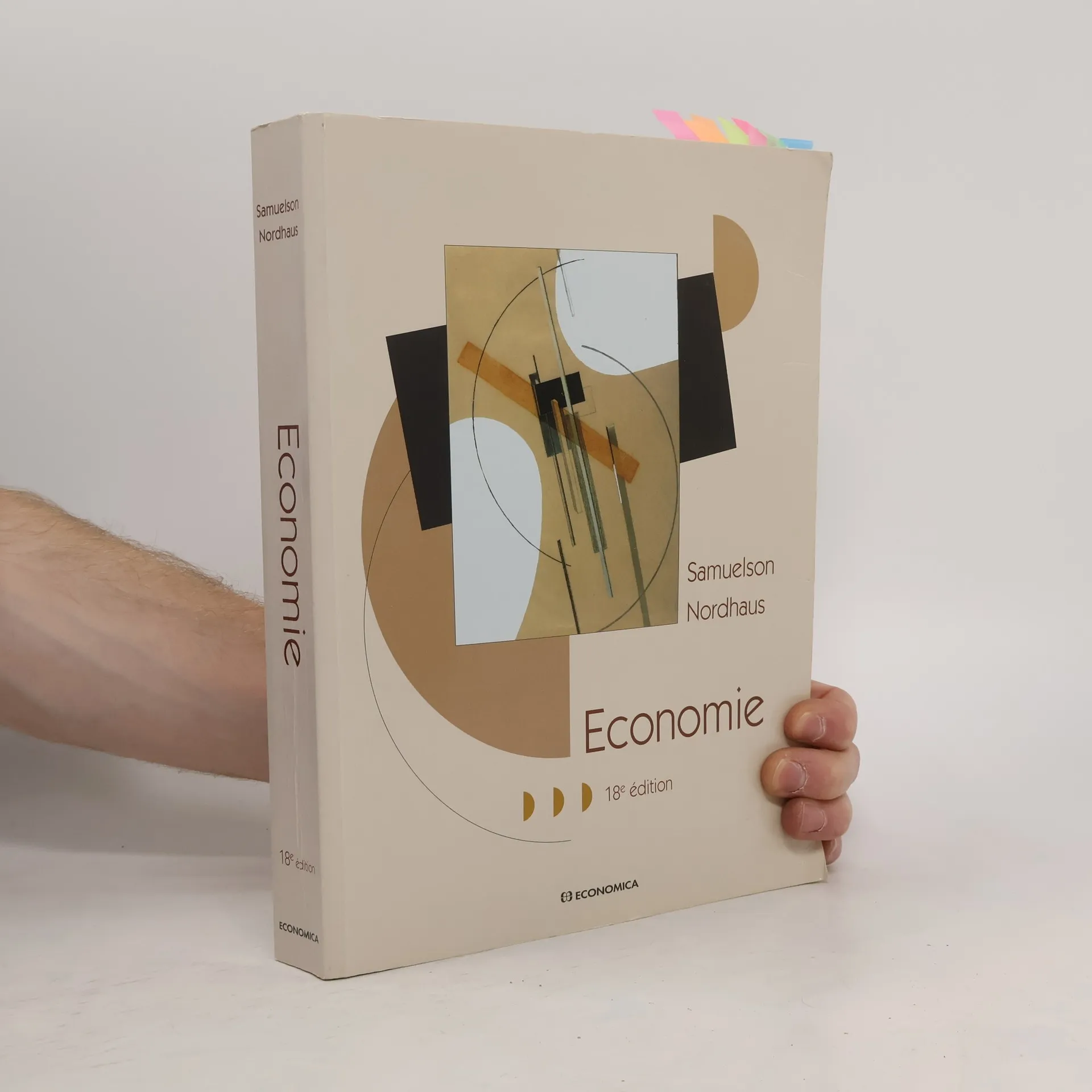
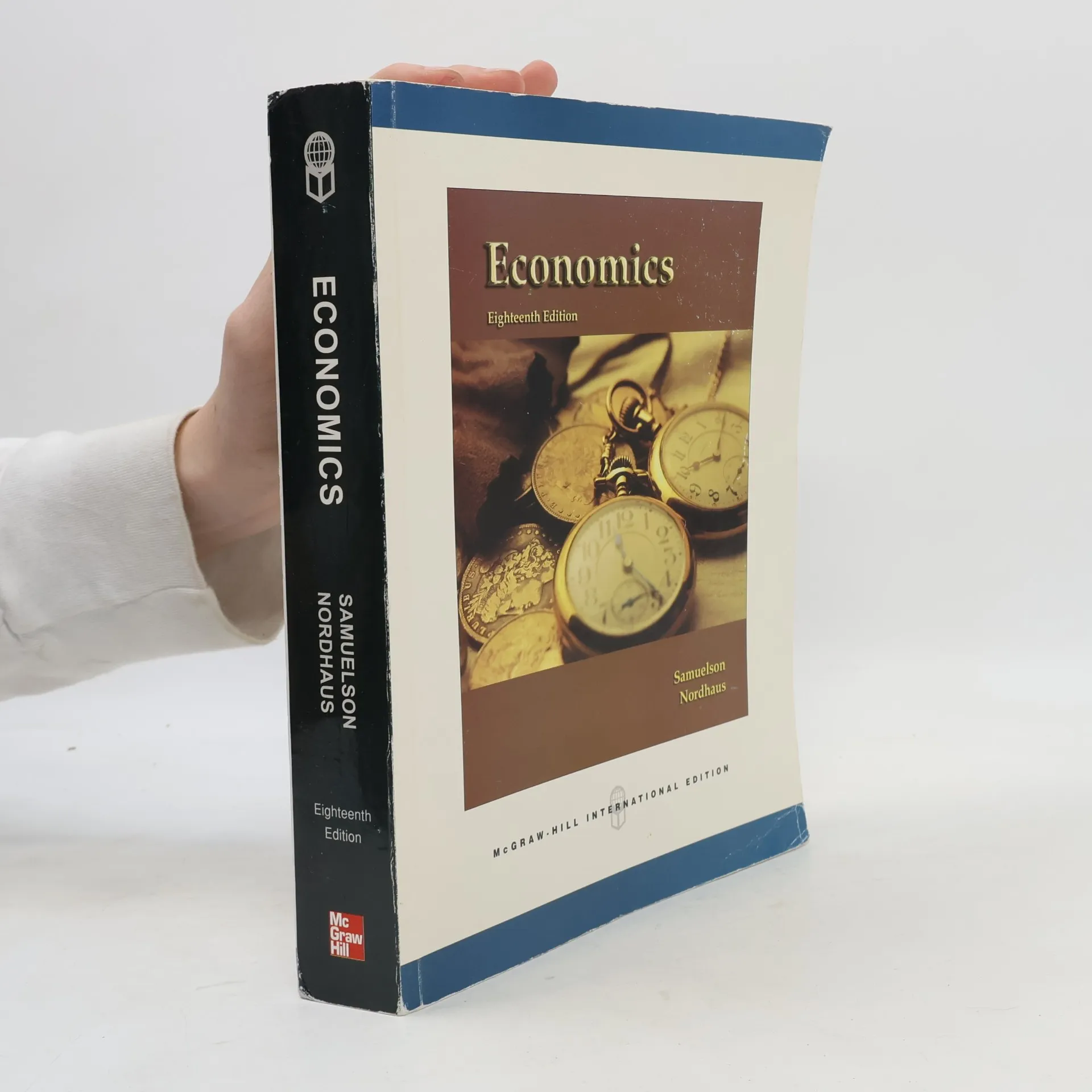
    Volkswirtschaftslehre
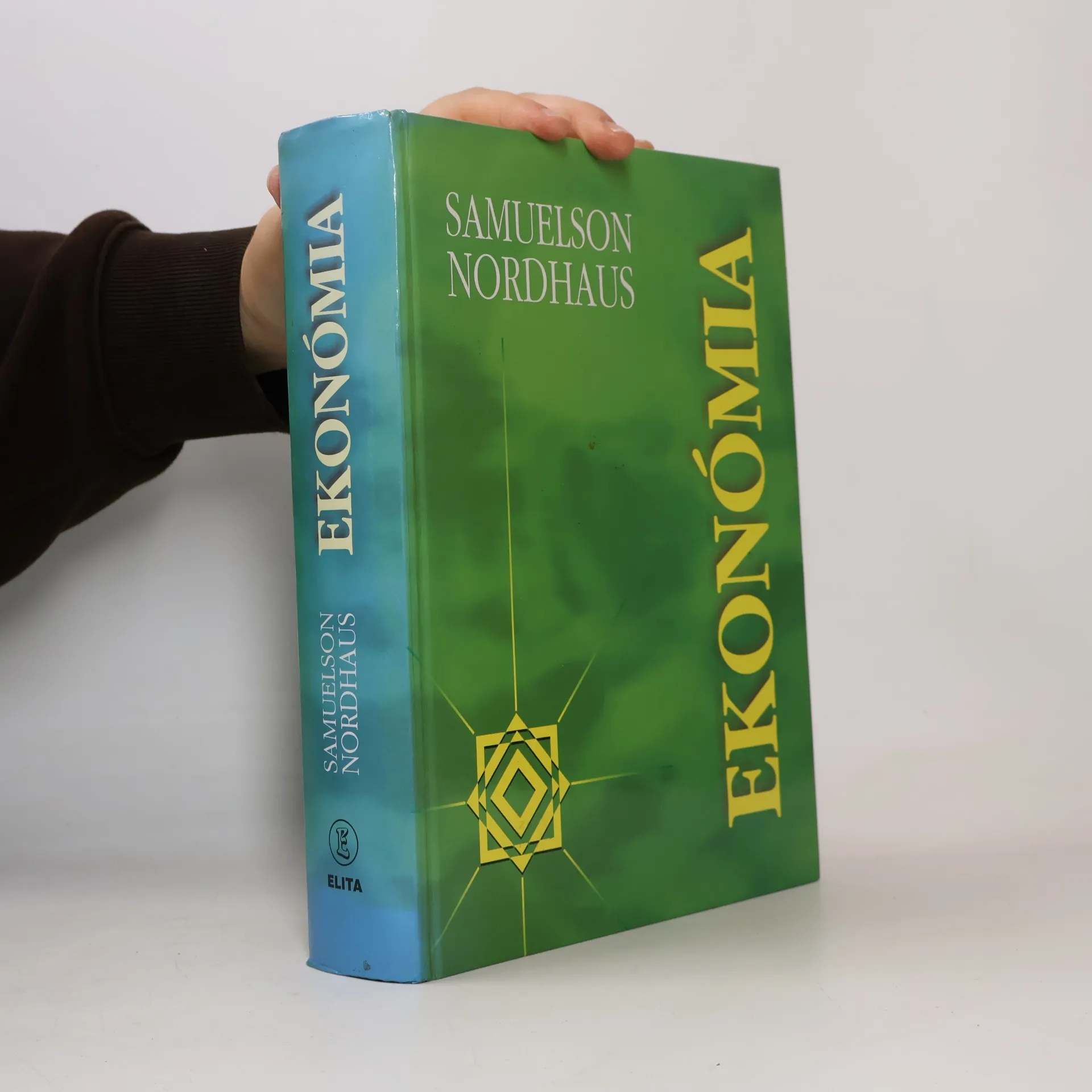
    • Nobelpreisträger Paul A. Samuelson und William D. Nordhaus filtern in diesem Standardlehrwerk das Beste aus den Konzepten der großen Ökonomen heraus, die sich Gedanken über die Funktionsweise der Märkte und gesellschaftliche Einflussmöglichkeiten auf den Lebensstandard der Menschen machen. Sie stellen die jüngsten Ideen der modernen Ökonomen vor und zeigen, wie die Volkswirtschaft zur weltweiten Wohlstandsmehrung beitragen kann. – Angebot, Nachfrage und Produktmärkte. – Arbeit, Boden und Kapitel. – Internationaler Handel, Staat und Umwelt. – Wirtschaftswachstum und Konjunkturzyklen. – Wachstum, Entwicklung und die Weltwirtschaft. – Arbeitslosigkeit, Inflation und Wirtschaftspolitik. Volkswirtschaft ist eine dynamische Wissenschaft - in ihrem Wandel spiegeln sich die wechselnden Trends der Wirtschaftspolitik, Umwelt, Weltwirtschaft und der Gesamtgesellschaft.
      Volkswirtschaftslehre
    • From a Nobel Prize-winning pioneer in environmental economics comes an innovative account of how "green thinking" could address many of the world's most pressing issues, including climate change and pandemics. Tackling these challenges necessitates new methods for managing the complex interactions that influence our environment. This involves ensuring that those responsible for carbon emissions and environmental damage bear the full costs, rather than passing them on to others, including future generations. The author presents a fresh perspective on green thinking that can help us confront major challenges without sacrificing economic growth, largely by addressing the spillover costs of economic activities. The discussion spans the history of the environmental movement to contemporary initiatives like the Green New Deal, highlighting how green thinking offers a hopeful outlook on modern life. Central to this approach is the understanding that our interconnected world is shaped by numerous interactions, rather than isolated actions. By re-evaluating concepts such as economic efficiency, sustainability, and corporate social responsibility, the author outlines how we can enhance societal effectiveness and equity. Specific solutions are proposed, including strategies for carbon pricing, promoting low-carbon technologies, designing efficient tax systems, and fostering international climate cooperation. Ultimately, this work prese

      The Spirit of Green
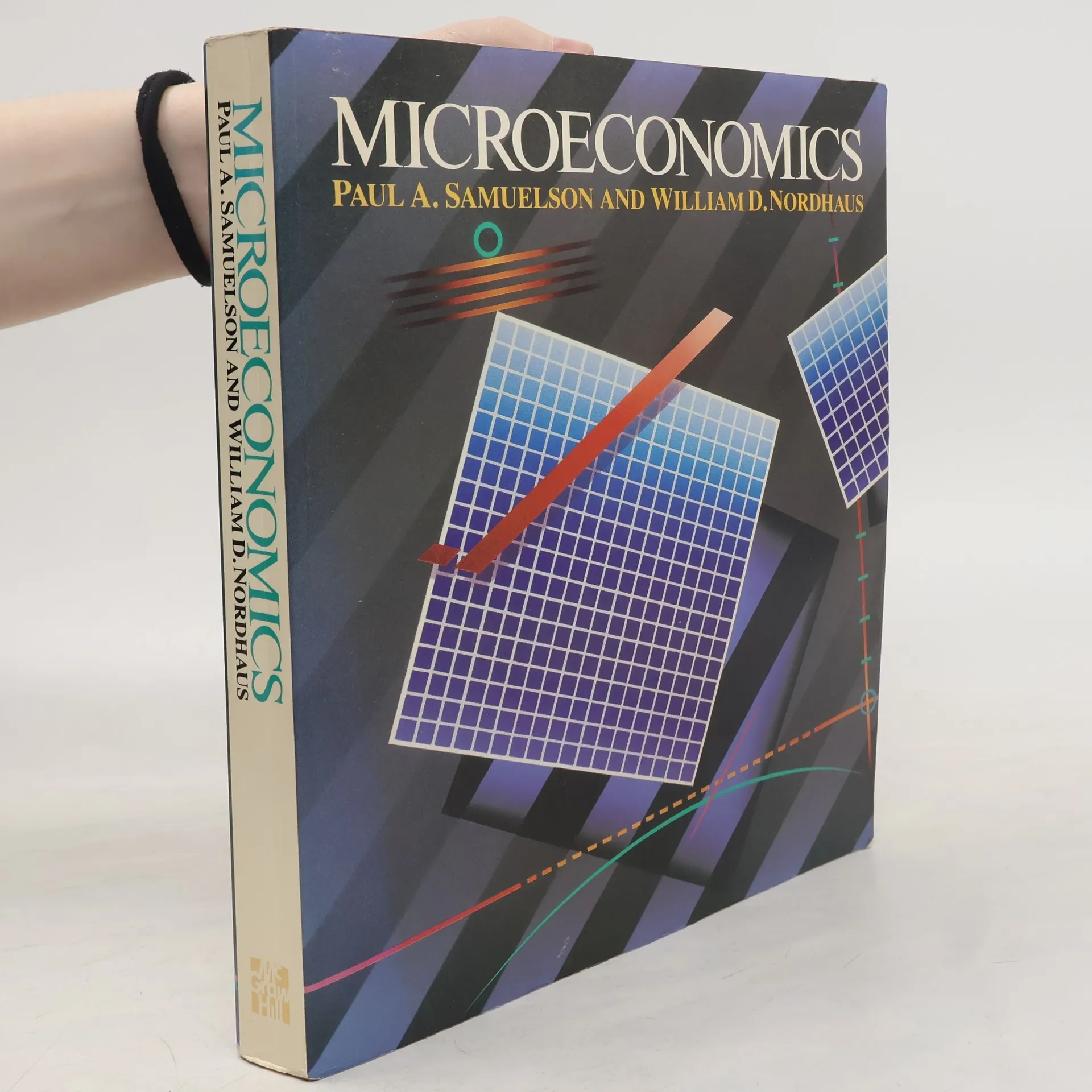
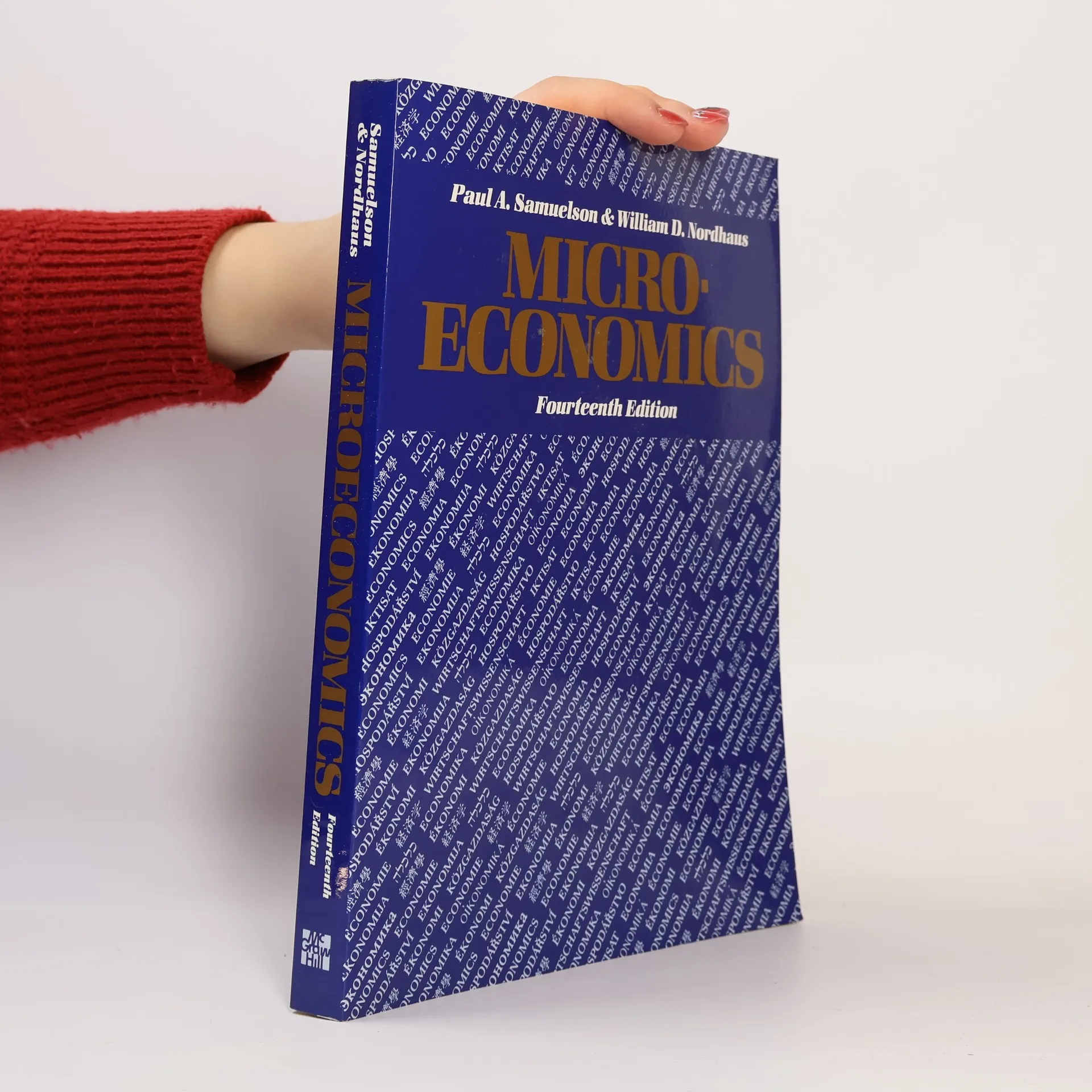
    • An introduction to modern economic principles, this edition features a new chapter on open economy economics. There is continued emphasis in this text on the analytical core of economics with particular attention paid to the analysis of market economics.

      Microeconomics : a version of economics
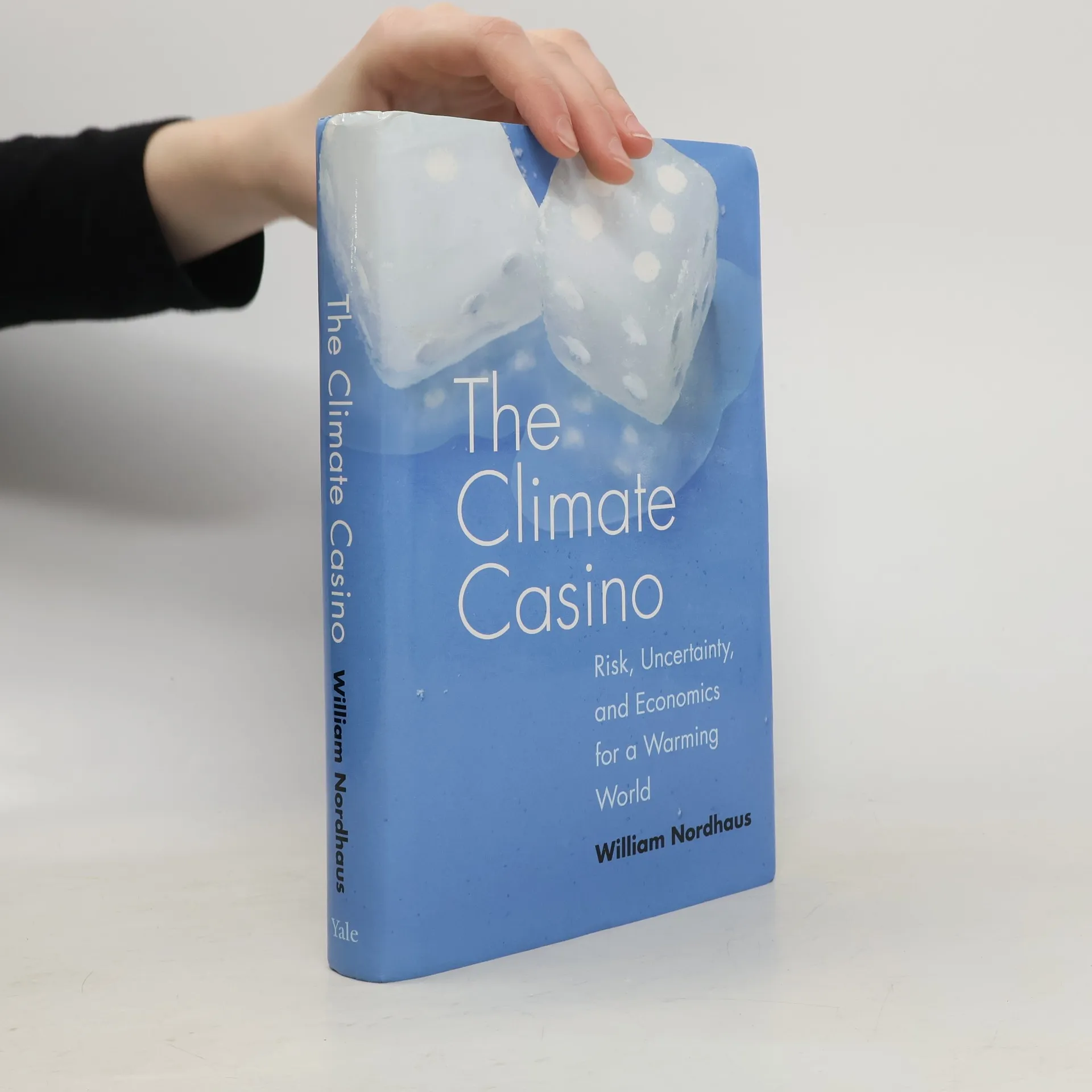
    • The Climate Casino

      Risk, Uncertainty, and Economics for a Warming World

      • 378 Seiten
      • 14 Lesestunden

      The 2018 Nobel laureate for economics analyzes the politics and economics of climate change, and points the way to real solutions "A one-stop source on global warming, seen through the prism of a brilliant economist."—Fred Andrews, New York Times Selected as one of the best books of 2013 by the Financial Times Climate change is profoundly altering our world in ways that pose major risks to human societies and natural systems. We have entered the Climate Casino and are rolling the global-warming dice, warns economist William Nordhaus. But there is still time to turn around and walk back out of the casino, and in this essential book the author explains how. Bringing together all the important issues surrounding the climate debate, Nordhaus describes the science, economics, and politics involved—and the steps necessary to reduce the perils of global warming. Using language accessible to any concerned citizen and taking care to present different points of view fairly, he discusses the problem from start to finish: from the beginning, where warming originates in our personal energy use, to the end, where societies employ regulations or taxes or subsidies to slow the emissions of gases responsible for climate change. Nordhaus offers a new analysis of why earlier policies, such as the Kyoto Protocol, failed to slow carbon dioxide emissions, how new approaches can succeed, and which policy tools will most effectively reduce emissions. In short, he clarifies a defining problem of our times and lays out the next critical steps for slowing the trajectory of global warming.

      The Climate Casino