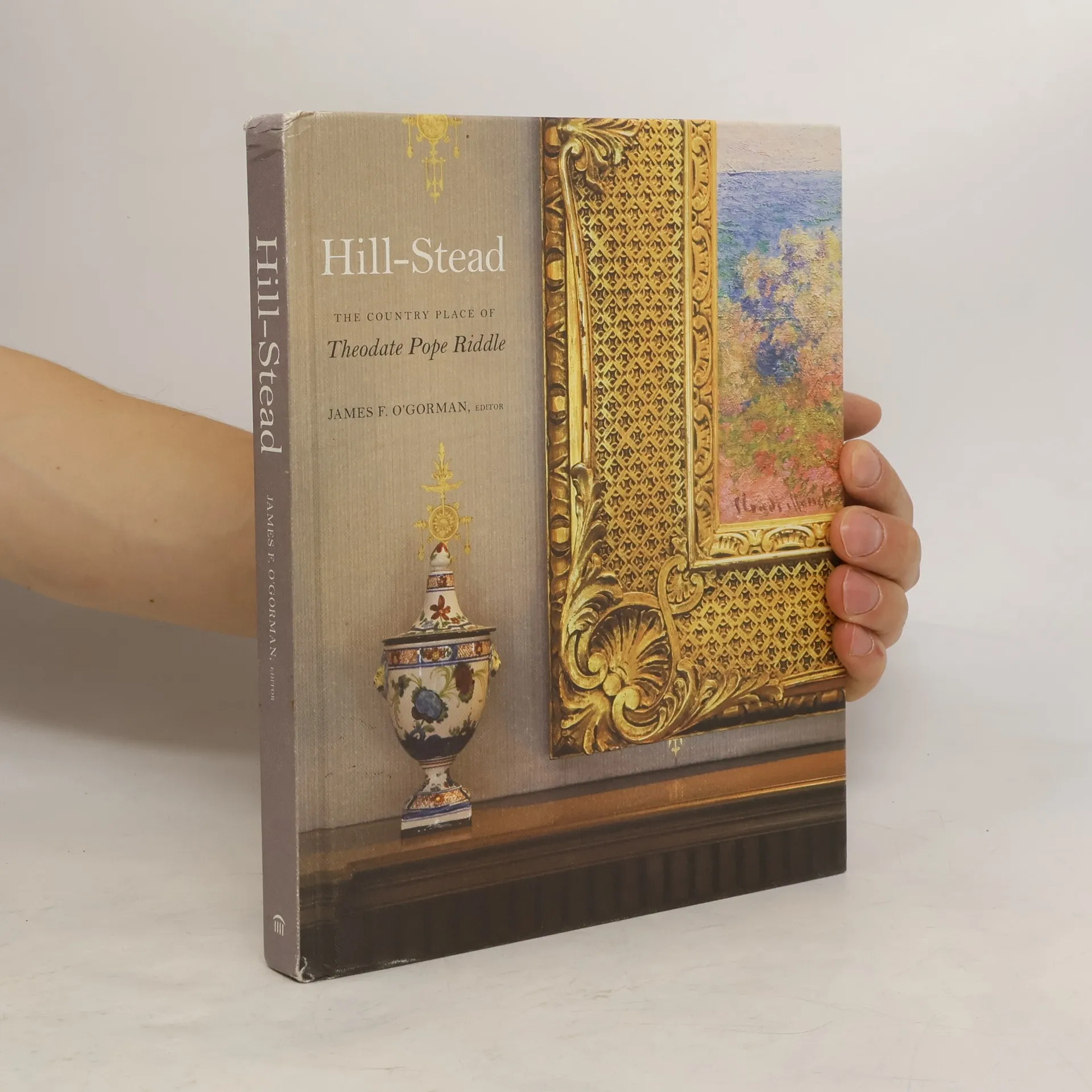
Nestled in Farmington, Connecticut, the Hill-Stead is regarded as the finest Colonial Revival house in the U.S. Built for wealthy industrialist Alfred Pope, it was designed by his daughter, Theodate, a self-trained architect who defied societal expectations of her time. In spring 1901, Alfred and Ada Pope moved into their impressive 33,000-square-foot estate, which housed a world-class collection of French impressionist art. The grounds, designed with landscape architect Warren H. Manning, feature dry-laid stone walls, lawns, meadows, and woodlands, highlighted by a sunken garden created by Beatrix Farrand for Theodate. Upon her death in 1946, Theodate's will mandated that the house's contents remain untouched, preserving its legacy as a not-for-profit museum. This comprehensive monograph showcases the home, edited by James F. O'Gorman, featuring stunning color photographs and the latest historical research. The nineteen period rooms include works by renowned artists such as Cassatt, Degas, and Monet, along with original antiques and personal items like Theodate's stuffed parrot. The book also reexamines Theodate Pope Riddle's significant contributions to the design, challenging the previous notion that the firm McKim Mead and White was solely responsible for the house's architectural vision.
James F. O. Gorman Reihenfolge der Bücher (Chronologisch)