

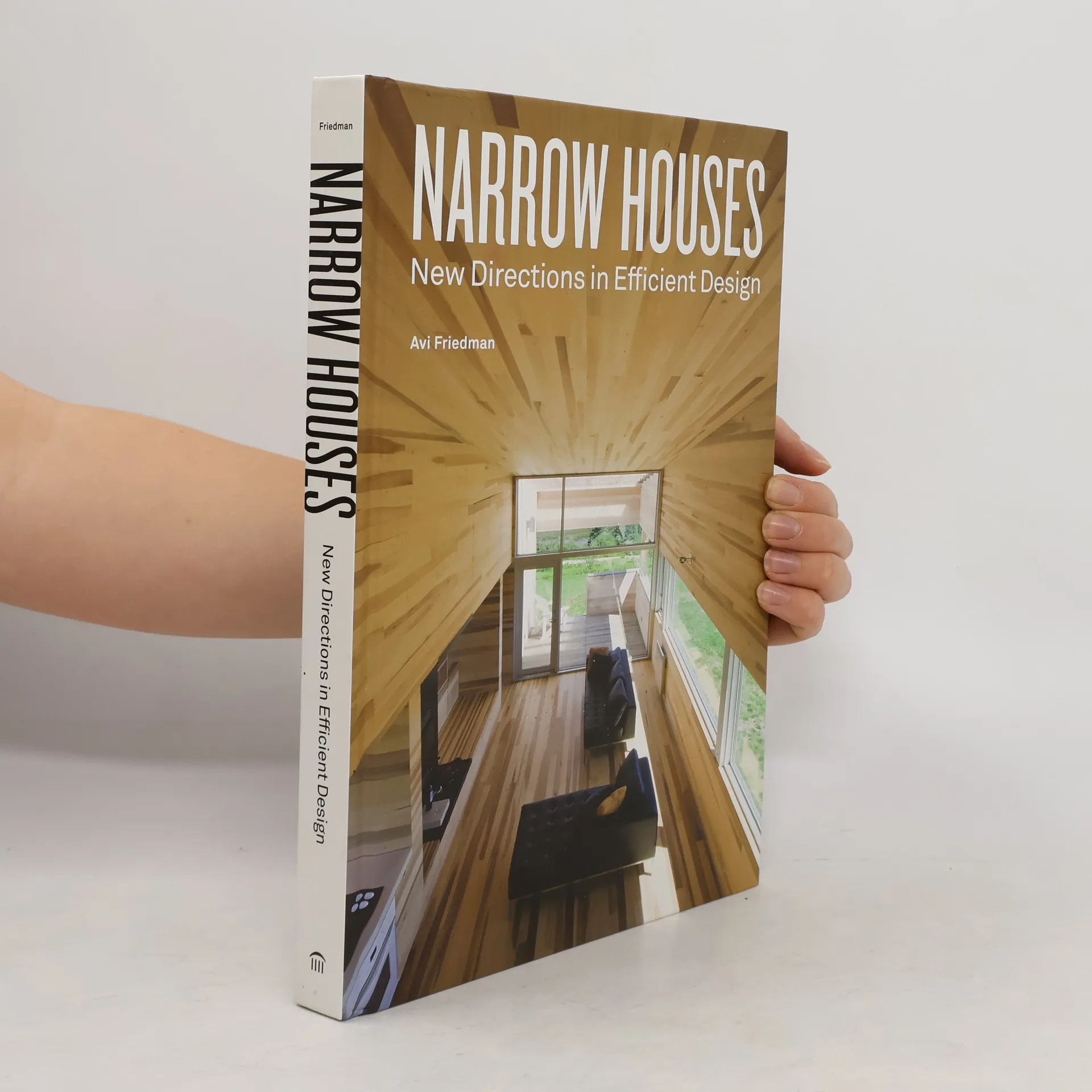
Since the beginning of the housing boom of the 1950s, the size of the average North American house has steadily grown while the size of the average family has decreased. Today, a growing number of homebuyers seeking smaller, more efficient residential designs are rediscovering a centuries old housing prototype: the narrow house. Measuring twenty-five-feet wide or less, these "infill" or "skinny" houses, as they are often called, are on the rise in cities and suburbs around the world. The benefits of building small and narrow are numerous: greater land-use efficiency, less building material, fewer infrastructure costs, lower utility bills, and flexible layouts. This building type creates environmentally sensible houses that allow homeowners to live within their means. Narrow Houses presents a thorough overview of the practical considerations of designing a narrow-front home, including siting, floor arrangements, footprint, and interior and exterior finishing. The book documents twenty-eight innovative examples of narrow houses from around the world designed by today's foremost architects. Project data including floor plans and extensive interior and exterior photography demonstrate the inherent flexibility of this housing model and the many possibilities for adapting these homes to the constraints of site, climate, budget, family size, and other needs.
Avi Friedman Bücher

Sustainable Lessons from People-Friendly Places
- 240 Seiten
- 9 Lesestunden
Focusing on sustainable urban design, this book explores essential principles that blend architecture with natural features and public spaces. It emphasizes the transition to active mobility, highlighting the importance of prioritizing citizen well-being in urban planning. Readers will gain insights into creating vibrant, functional cities that foster community and sustainability.
Fundamentals of Sustainable Urban Design
- 340 Seiten
- 12 Lesestunden
Addressing contemporary societal transformations, the book explores challenges like resource depletion, greenhouse gas emissions, an aging population, and climate change. Through thirty chapters, it provides urban designers, architects, and planners with innovative solutions and foundational principles for sustainable urban design. Each chapter is richly illustrated and includes international case studies that showcase practical design implementations, making the text a comprehensive resource for those in the field of urban development.
Contemporary design concepts are explored through innovative ideas and practices, illustrated with plans and photographs of exemplary projects. The book addresses the challenges faced by current planning and design modes of dwellings and neighborhoods, emphasizing the inadequacy of past approaches to meet new environmental, economic, and social demands. It advocates for a fresh perspective to navigate these fundamental changes in the field.
The Sustainable Digital City
- 212 Seiten
- 8 Lesestunden
Focusing on technology-centered urban planning, this book examines seven key axes that illustrate the role of data and technology in shaping modern cities. Each chapter combines narrative, illustrations, and case studies to analyze aspects such as infrastructure, mobility, energy distribution, and public health. It highlights the impact of these technological practices on urban environments and their connections to the four pillars of sustainability: environment, society, economy, and culture, offering insights into potential improvements for future urban planning.
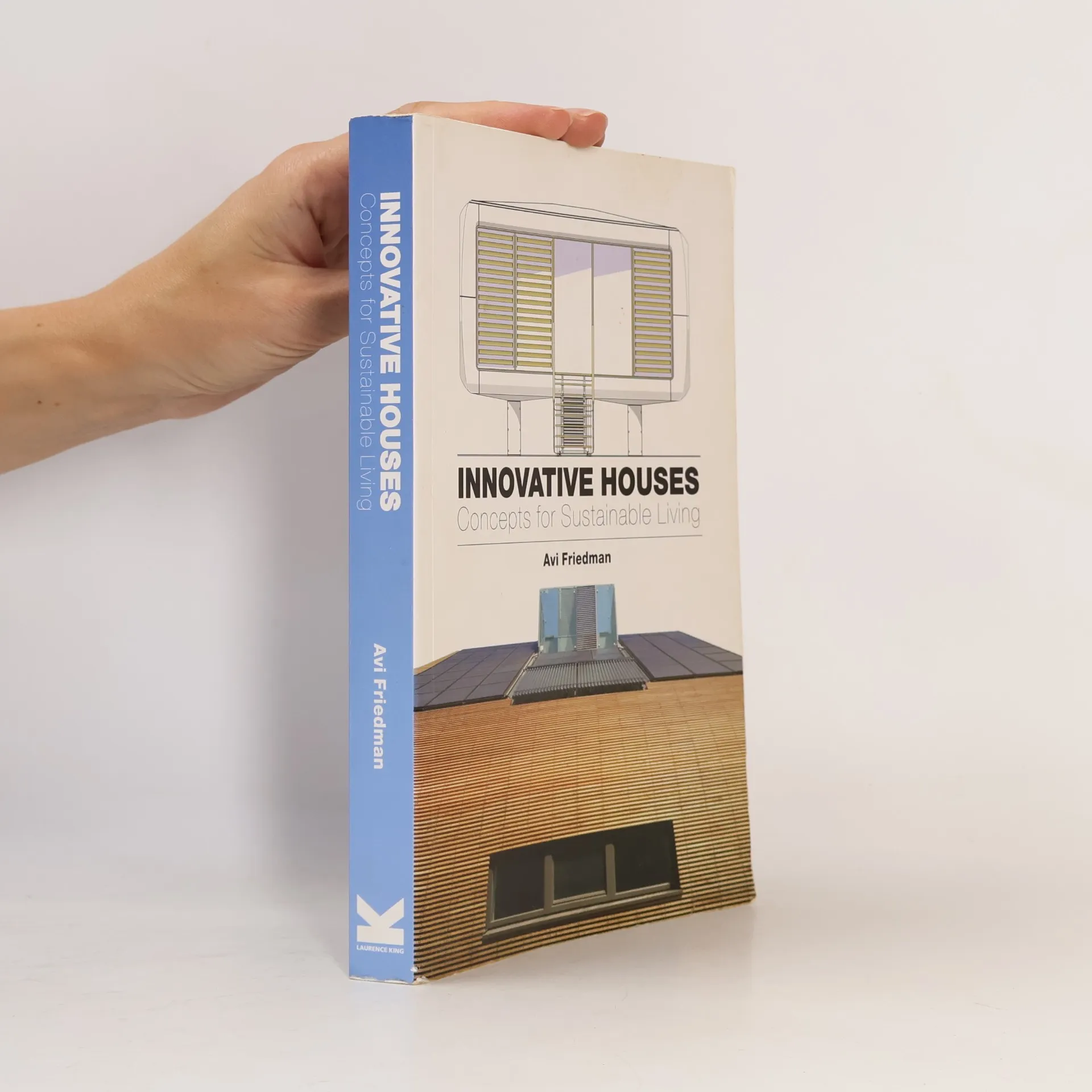
Housing is rapidly having to adapt to the global changes of the twenty first century. These include the transformation of the family and the rise of the non-traditional household, increases in construction costs, and concerns over climate change and the depletion of natural resources. Designing residential environments that address these issues is an urgent priority. This book examines the latest residential design trends that have arisen in response to these challenges. Divided into four broad areas, tightly focused thematic chapters look at twenty discrete topics, such as live/work; adaptable housing; prefabrication; water efficiency; green roofs; and innovative landscaping. Each chapter includes an essay which lays out principles, methods and practices. Using text, drawings and photos from a variety of contemporary international practices, the book demonstrates how these ideas can be applied by architects. It offers a comprehensive collection of strategies and examples that will inspire a much needed housing revolution.