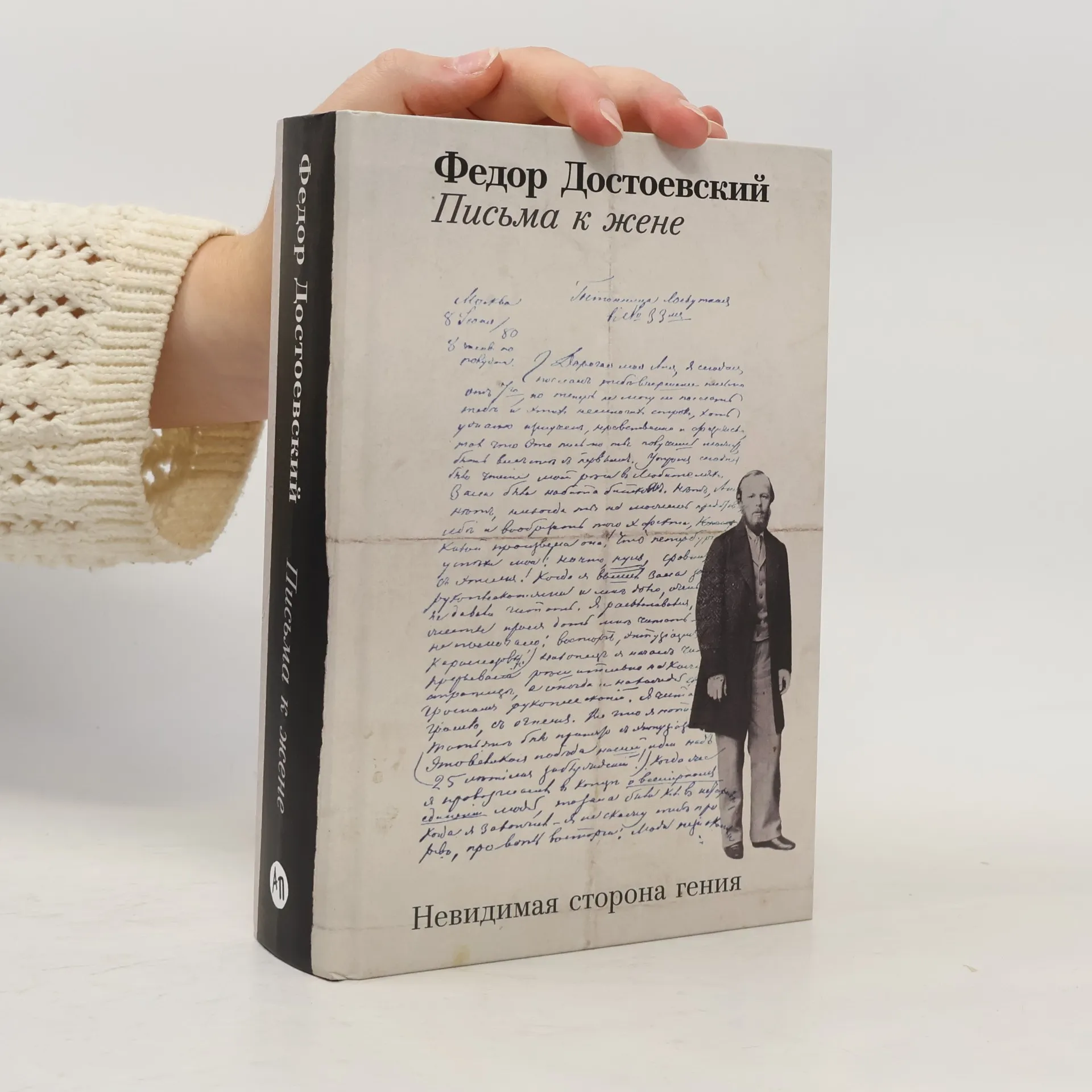
Письма к жене: Невидимая сторона гения
- 632 Seiten
- 23 Lesestunden


Fjodor Dostojewski ist bekannt für seine tiefgründigen psychologischen Romane, die sich mit der Komplexität der menschlichen Seele und moralischen Dilemmata auseinandersetzen. Seine Werke erforschen Themen wie Glauben, Zweifel, Leiden und Erlösung mit einer Intensität, die den Leser zur Selbstreflexion anregt. Dostojewski erschafft meisterhaft Charaktere, die mit inneren Konflikten und gesellschaftlichem Druck ringen. Sein einzigartiger Stil und sein scharfer Einblick in die menschliche Natur machen ihn zu einem der einflussreichsten Schriftsteller der Weltliteratur.



Dieses Buch präsentiert den Klassiker der Weltliteratur in sorgfältig gekürzter Form. Der Text wurde in modernes Deutsch übertragen, wobei Stil, Ton und Ausdruck des Originals weitgehend beibehalten wurden. Für alle, die einen raschen Zugang zu diesem umfangreichen Klassiker erhalten möchten. „Der Idiot“ von Fjodor Dostojewski ist ein Roman über Güte, Ehrlichkeit und die Schwierigkeit, in einer kalten Welt ein guter Mensch zu sein. Im Mittelpunkt steht Fürst Myschkin, ein junger Mann mit einer schweren Nervenkrankheit. Nach langer Behandlung in der Schweiz kehrt er nach Russland zurück. Er ist naiv, mitfühlend und vertrauensvoll – und wird deshalb von vielen für einen „Idioten“ gehalten. In Sankt Petersburg trifft Myschkin auf verschiedene Menschen der Oberschicht. Besonders zwei Frauen spielen eine wichtige Rolle in seinem Leben: Nastassja Filippowna, eine schöne, aber tief verletzte Frau mit schwieriger Vergangenheit, und Aglaja Jepantschin, die kluge Tochter einer angesehenen Familie. Myschkin liebt beide auf unterschiedliche Weise, doch keine der Beziehungen führt zum Glück. „Der Idiot“ ist eine tiefgründige Geschichte über einen Menschen, der gut sein will – und daran scheitert. Dostojewski stellt die Frage, ob reine Menschlichkeit in einer egoistischen Welt überhaupt Platz hat. Das Buch ist zugleich ein psychologisches Porträt, ein Gesellschaftsbild und eine große Tragödie.
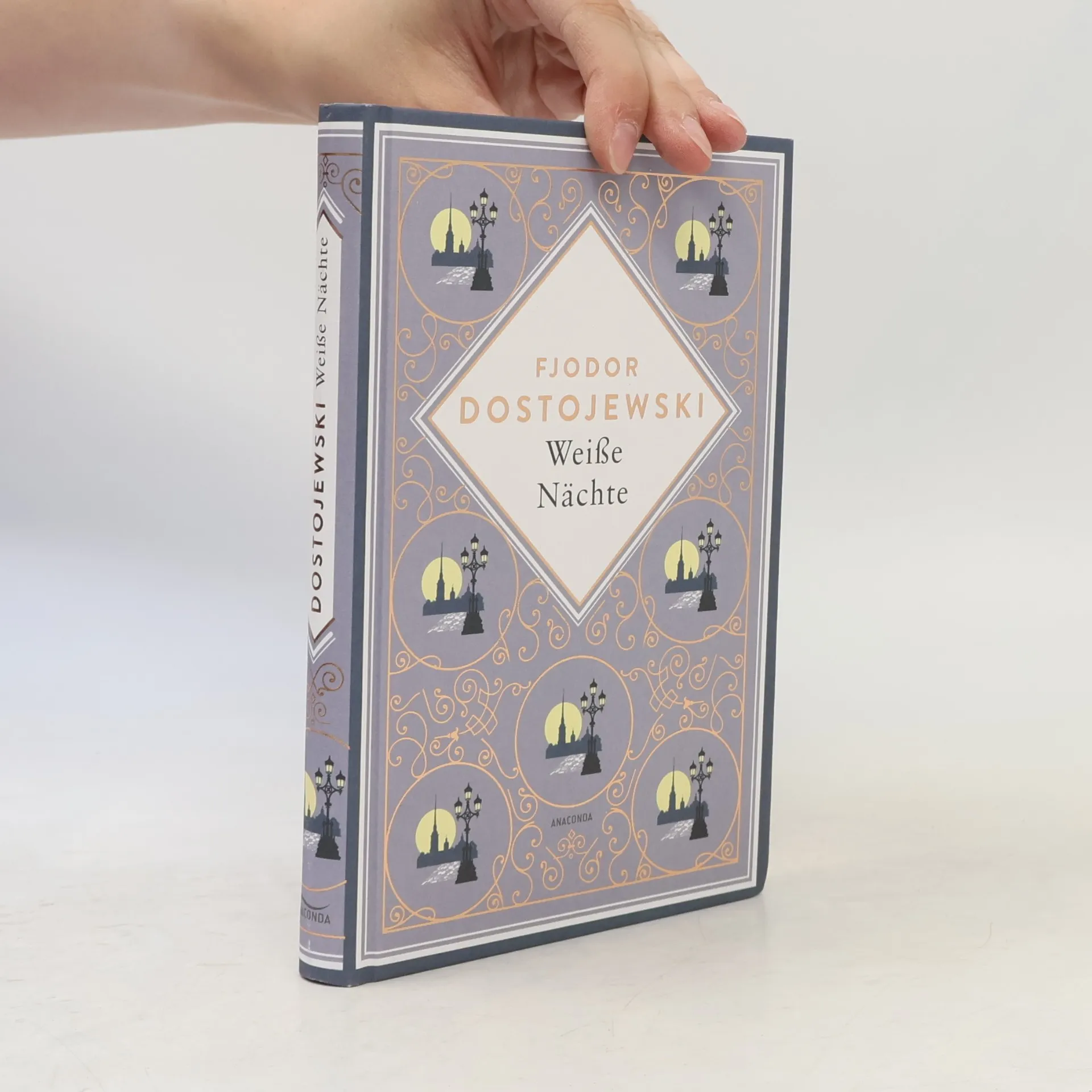
Dostojewskis wunderbare Liebesgeschichte als Schmuckausgabe mit Goldprägung
Dostojewskis berühmte Liebesgeschichte - ein Klassiker, den man gelesen haben muss Dostojewskis meisterhafte Erzählungen in einem Band: »Weiße Nächte« – die Erinnerungen eines Träumenden an eine unerfüllte Liebe. »Die Sanfte« – die Bilanz eines von Gram und Schuld zerissenen Witwers mit der Erkenntnis, Opfer wie Täter zugleich zu sein. Sehnsucht und Verlangen, Verletzlichkeit und Rachsucht, späte Reue und die Liebe – Dostojewski verwandelt den Blick in die Natur der menschlichen Seele zu Weltliteratur. Dostojewskis vielleicht schönste Geschichten in einer gebundenen Schmuckausgabe mit Kupferprägung. Dostojewskis TikTok-Hit jetzt als Schmuckausgabe »Die Sanfte« erzählt von der Komplexität von Beziehungen, »Weiße Nächte« ist eine traurig-schöne Liebesgeschichte »In St. Petersburg kommt es zur Begegnung, und in vier Nächten erzählen sie sich alles. Eine Liebe entsteht - zart bei ihr, wie ein Vulkan bei ihm - und sie verspricht sich dem Träumer. Doch im Himmel des Glücks gibt es keine Ewigkeit.« Süddeutsche »Vor zweihundert Jahren wurde ein Russe geboren, der von Thomas Mann ebenso verehrt wurde wie von Susan Sontag.« Der Freitag
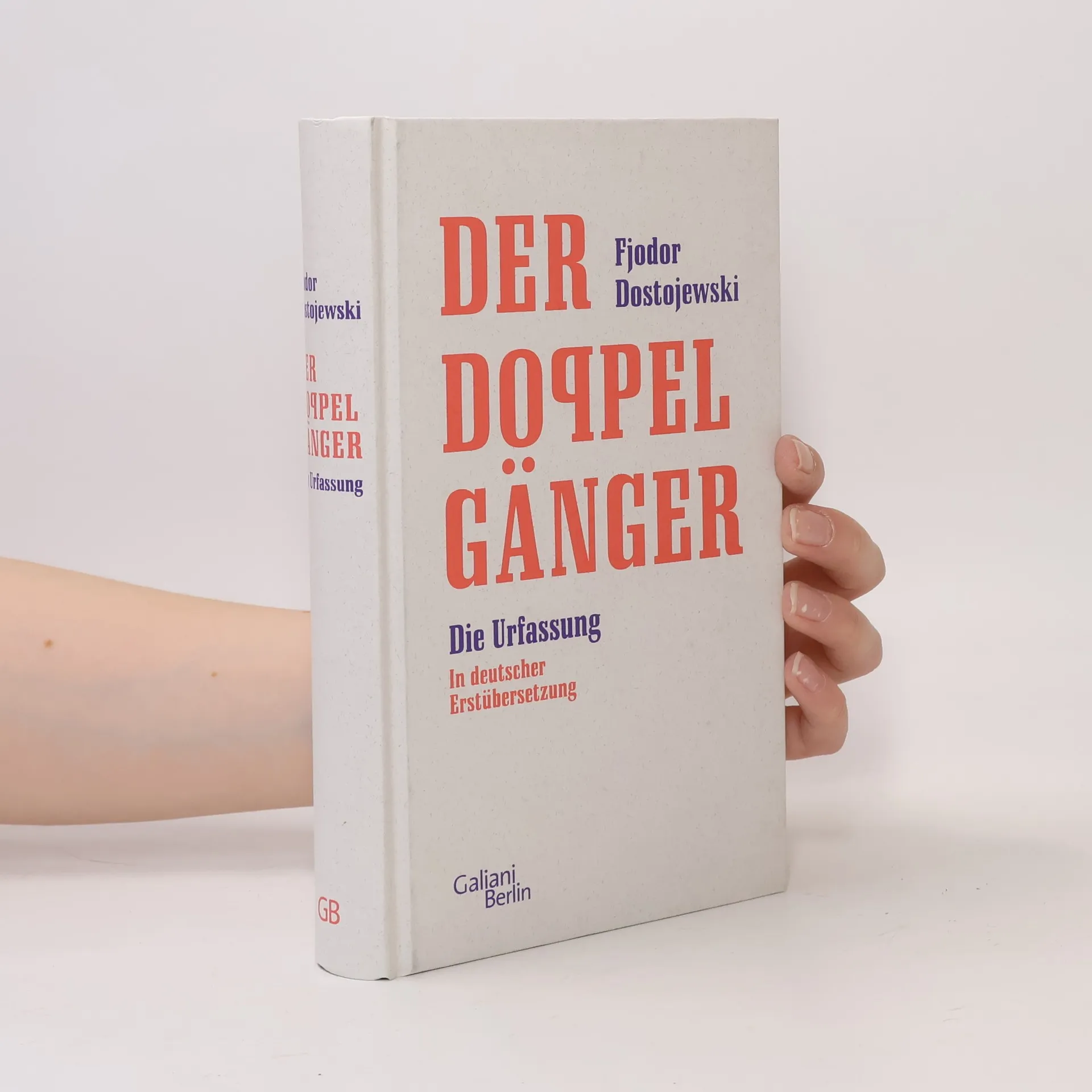
'White Nights' is one of Dostoevsky's earlier short stories but one of his most enduringly popular. It tells the story of four nights in the life of the lonely narrator, who meets and falls in love with the mysterious and beautiful Nastenka. Poor Folkwas Dostoevsky's first novel, written to try and alleviate his financial plight, and was a commercial success. It tells the story of Makar Devushkin, a clerk, and Varvara Dobroselova, a seamstress, by means of the letters they exchange; they are in love, but too poor to marry. Its exploration of humanitarian themes led to it being described as Russia's first 'social novel'. By contrast, Dostoevsky's second novel, The Doublewas not well received. First published in 1846, it was revised and republished by Dostoevsky in 1866, but he did not consider it a success. By contrast, Vladimir Nabokov called it 'the best thing he ever wrote' and described it as 'a perfect work of art'.
Beiträge zur Literatur
Just two years after completing Crime and Punishment, which explored the mind of a murderer, Dostoevsky produced another masterpiece, The Idiot. This time the author portrays a truly beautiful soul—a character he found difficult to bring to life because, as he wrote, "beauty is the ideal, and neither my country, nor civilized Europe, know what that ideal of beauty is.” The result was one of Dostoevsky’s greatest characters—Prince Myshkin, a saintly, Christ-like, yet deeply human figure. The story begins when Myshkin arrives on Russian soil after a stay in a Swiss sanatorium. Scorned by St. Petersburg society as an idiot for his generosity and innocence, the prince finds himself at the center of a struggle between a rich, kept woman and a beautiful, virtuous girl, who both hope to win his affection. Unfortunately, Myshkin’s very goodness seems to bring disaster to everyone he meets. The shocking denouement tragically reveals how, in a world obsessed with money, power, and sexual conquest, a sanatorium is the only place for a saint.
Part 2 - in large print
This book is a reproduction of a historical work, presented in large print format to enhance accessibility for readers with impaired vision. Published by Megali, a company dedicated to making historical texts more readable, it aims to preserve and share important literature while catering to the needs of those who require larger text.
Part 3 - in large print
This publication focuses on making historical works accessible by reproducing them in large print, catering specifically to individuals with impaired vision. The initiative by Megali aims to enhance readability and preserve important texts, ensuring that a broader audience can engage with historical literature.
Part 1 - in large print
Focusing on accessibility, this book is a reproduction of a historical work presented in large print. Published by Megali, a house dedicated to enhancing reading experiences for individuals with impaired vision, it aims to make classic literature more approachable and enjoyable.
in large print
The book is a reproduction of a historical work, published by Megali, which focuses on making literature accessible to individuals with impaired vision through large print. This initiative highlights the importance of inclusivity in reading and preserves significant texts for future generations.
In 'Der lebenslängliche Ehemann' von Dostojewski wird Alexej Iwanowitsch, ein sanfter Ehemann, wegen eines Verbrechens lebenslang verurteilt. Das Buch thematisiert Schuld, Isolation und Vergebung in einer gespaltenen Gesellschaft und zeigt die politischen Spannungen des 19. Jahrhunderts. Ein bedeutendes Werk der russischen Literatur.
»Das Schwierigste im Leben ist, zu leben und nicht zu lügen … und nicht an deine Lügen zu glauben.« Aus »Die Dämonen« -
In "Die Dämonen" von Dostojewski wird eine russische Provinzstadt von bösen Geistern und Revolutionären wie Werchowenski und Stawrogin heimgesucht. Der Roman thematisiert das Aufeinandertreffen von Ideologien, Mord und Moral und beleuchtet die komplexe Beziehung zwischen Werchowenski und seinem liberalen Vater.
'Ein Werdender' von Fjodor M. Dostojewski ist ein zeitloses Meisterwerk, das die inneren Konflikte und moralischen Dilemmas der Figuren beleuchtet. Mit fesselnder Handlung und tiefgründigen Charakteren ist es ein Muss für Liebhaber russischer Literatur und für alle, die sich mit der menschlichen Seele auseinandersetzen möchten.
Fjodor M. Dostojewskis 'Weiße Nächte und andere Novellen' ist eine Sammlung von vier Geschichten, die die Abgründe der menschlichen Seele erforschen. Mit psychologischer Tiefe und existenzieller Thematik entführt er in das 19. Jahrhundert Russlands und bietet Einblicke in moralische Konflikte und emotionale Wirren der Protagonisten.
This publication focuses on reproducing historical works in large print, catering specifically to individuals with impaired vision. Megali, the publishing house behind this initiative, aims to enhance accessibility and promote inclusivity in reading, ensuring that important historical texts are available to a wider audience.
Der Verlag Megali hat sich auf die Reproduktion historischer Werke in Großdruck spezialisiert, um das Lesen für Menschen mit eingeschränkter Sehfähigkeit zu erleichtern. Diese Ausgabe bietet eine originalgetreue Nachbildung, die den Zugang zu wichtigen historischen Texten fördert und die Lesefähigkeit für eine breitere Leserschaft verbessert.
Die Reihe präsentiert bedeutende Werke der Weltliteratur in einer aktualisierten Rechtschreibung gemäß den Duden-Vorgaben. Klara Neuhaus-Richter sorgt dafür, dass diese Klassiker für heutige Leser zugänglicher sind, ohne den ursprünglichen Inhalt und Stil der Werke zu verlieren.
Crime and Punishment is one of the greatest and most readable novels ever written. It is built out of a series of supremely dramatic scenes that illuminate the eternal conflicts at the heart of human existence.
This collection showcases the richness of Russian short stories, featuring works by literary giants such as Dostoyevsky, Tolstoy, and Chekhov. Each story is a classic, reflecting the depth and diversity of Russian literature. Notable pieces include "The Queen of Spades" by Pushkin and "The Cloak" by Gogol, alongside lesser-known gems. This anthology highlights the enduring appeal of the short story format, offering readers a vibrant tapestry of themes and styles that capture the essence of Russian storytelling.
Set against the backdrop of 1869 Russia, the story revolves around the murder of Ivan Ivanov, a student at the Petrov Agricultural Academy, who is lured to retrieve a printing press after protesting against the nihilist leader Sergei Nechaev. This event serves as a catalyst for Dostoevsky's exploration of ideological conflict in "Demons." The narrative delves into the clash between personal beliefs and societal pressures, drawing on characters that reflect historical tensions and philosophical debates of the time.
Fjodor M. Dostojewski: Das schwache Herz ist eine Neuauflage des Erstdrucks von 1849, bearbeitet von Theodor Borken. Der Autor, ein bedeutender russischer Schriftsteller, erforscht die menschliche Seele nach seiner Haft in Sibirien. Diese Ausgabe umfasst eine Biografie und ist in lesefreundlichem Großdruck gestaltet.
Gebunden in feingeprägter Leinenstruktur auf Naturpapier, mit Schutzumschlag und Goldprägung
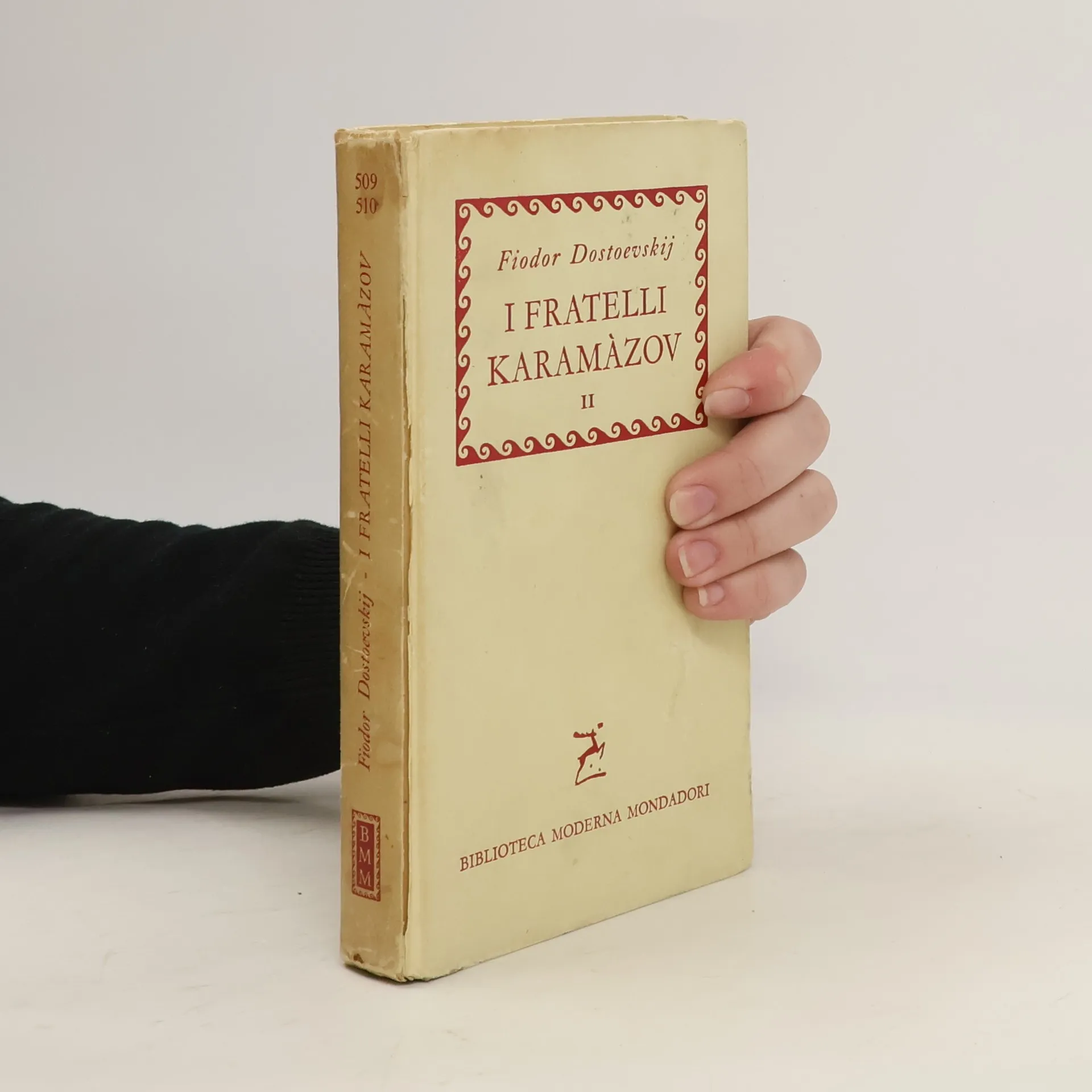
Dostojewskis monumentale Familienchronik »Die Brüder Karamasow«, 1880 erstmals erschienen, nannte Sigmund Freud den »großartigsten Roman, der je geschrieben wurde«. In kaum einem anderen Werk von weltliterarischem Rang verbinden sich ungeheure Motivfülle und geradezu magische Erzählkunst ähnlich virtuos wie hier: Vor dem Hintergrund einer packenden Kriminalgeschichte, dem gewaltsamen Tod ihres despotischen Vaters, führt das Schicksal der drei ungleichen Brüder Dmitri, Iwan und Alexej den Leser tief in die beklemmenden Abgründe der menschlichen Seele. Jetzt als edle Dünndruckausgabe! Ausstattung: Dünndruckreihe
Der Weihnachtsabend hat mir einen unangenehmen Streich gespielt und mir einen tiefen Abscheu vor diesem sinnlosen Fest mit seiner kindischen Fröhlichkeit eingebracht.
In der schönen Geschenk-Kassette sind die größten Romane des russischen Romanciers Fjodor Dostojewski zu entdecken. Seine Figuren sind feste Größen in der Der unverbesserliche Fürst Myschkin aus Der Idiot , dessen Gutmütigkeit und Naivität ihn in immer schlimmere Verwicklungen stürzen, ebenso wie der Student Raskolnikow, der in Schuld und Sühne mit seinem Gewissen ringt. Die Dämonen bieten ein großes Gesellschaftspanorama Russlands, wo junge Revolutionäre auf alte Liberale treffen. Die Brüder Karamasow führen tief in die Abgründe der menschlichen Seele..
Roman in sechs Teilen mit einem Epilog
»Der ganze psychologische Prozess eines Verbrechens.« Fjodor Dostojewski Der Student Rodion Raskolnikow begeht den perfekten Mord. Doch dann scheitert er an seinen Schuldgefühlen. Raskolnikow ist der große Neurotiker des 19. Jahrhunderts. Der Roman stand Woody Allens »Match Point« und Alfred Hitchcocks »Cocktail für eine Leiche« Pate. »Bei Dostojewki geht es immer um das große Ganze.« Wladimir Kaminer
"Ich brauche das Geld nicht, oder, richtiger gesagt, ich brauche nicht das Geld und nicht einmal die Macht, sondern nur das, was man durch die Macht erlangt und was man ohne Macht auf keine Weise erlangen kann: das ist ein einsames, ruhiges Kraftbewußtsein! Das ist die erschöpfendste Definition der Freiheit, diese Definition, mit der sich die Welt so herumschlägt! Freiheit! Endlich habe ich dieses große Wort hingeschrieben ...". Dostojewskis berühmter Roman "Der Jüngling" erschien erstmals 1875 und wird heute zu seinen "fünf großen Romanen" gezählt. Das Buch erschien auch unter den Titeln "Ein grüner Junge", "Junger Nachwuchs", "Werdejahre" oder "Ein Werdender". Hier wird der zeitlose Klassiker ungekürzt in der vielgelesenen Übersetzung von Hermann Röhl frisch aufgelegt. Fjodor Michailowitsch Dostojewski. Der Jüngling. Übersetzt von Hermann Röhl. Erstdruck des Originals: Подросток (Podrostok) in Fortsetzungen in der Zeitschrift Otetschestwennyje Sapiski, St. Petersburg, 1875. Durchgesehener Neusatz, der Text dieser Ausgabe folgt: Aufbau Verlag, Leipzig 1971. Vollständige Neuausgabe, LIWI Verlag, Göttingen 2021. LIWI Literatur- und Wissenschaftsverlag
"Es gibt keinen Gott, aber er ist da. In einem Stein liegt kein Schmerz, aber die Furcht vor dem Stein erzeugt Schmerz. Gott ist der Schmerz der Todesfurcht. Wer über den Schmerz und die Furcht den Sieg davonträgt, wird selbst ein Gott sein. Dann wird ein neues Leben beginnen, ein neuer Mensch kommen, und alles wird neu sein ...". (S. 110 in diesem Buch) Der berühmte Roman "Die Dämonen" erschien erstmals 1873 und wird zu Dostojewskis größten Werken gezählt. Dies wird auch durch die Aufnahme in den Kanon der "ZEIT Bibliothek der 100 Bücher" deutlich. Der Roman erschien auch unter den Titeln "Böse Geister", "Die Teufel" oder "Die Besessenen". Hier wird das Buch ungekürzt in der vielgelesenen Übersetzung von Gregor Jarcho frisch aufgelegt. Fjodor Michailowitsch Dostojewski. Die Dämonen. Übersetzt von Gregor Jarcho. Erstdruck des Originals: ¿¿¿¿ (Bessy) in Fortsetzungen in der Zeitschrift Russki Westnik, St. Petersburg, 1871-72. Durchgesehener Neusatz, der Text dieser Ausgabe folgt dem Erstdruck der Übersetzung von Gregor Jarcho im Bühnen- und Buchverlag russischer Autoren J. Ladyschnikow, 2 Bände, Berlin 1924. Vollständige Neuausgabe, LIWI Verlag, Göttingen 2020. LIWI Literatur- und Wissenschaftsverlag
Ein Roman in sechs Teilen mit einem Nachwort.
Fifty-two readings to spark weekly group discussion on putting Jesus’ most central teachings into practice. Jesus’ most famous teaching, the Sermon on the Mount, possesses an irresistible quality . Who hasn’t felt stirred and unsettled after reading these words, which get to the root of the human condition?This follow-up to the acclaimed collection Called to The Life Jesus Wants for His People taps an even broader array of sources, bringing together prophetic voices from every era and a range of traditions to consider the repercussions of these essential words.More than a commentary or devotional , this book is designed to be read together with others, to inspire communities of faith to discuss what it might look like to put Jesus’ teachings into practice today.
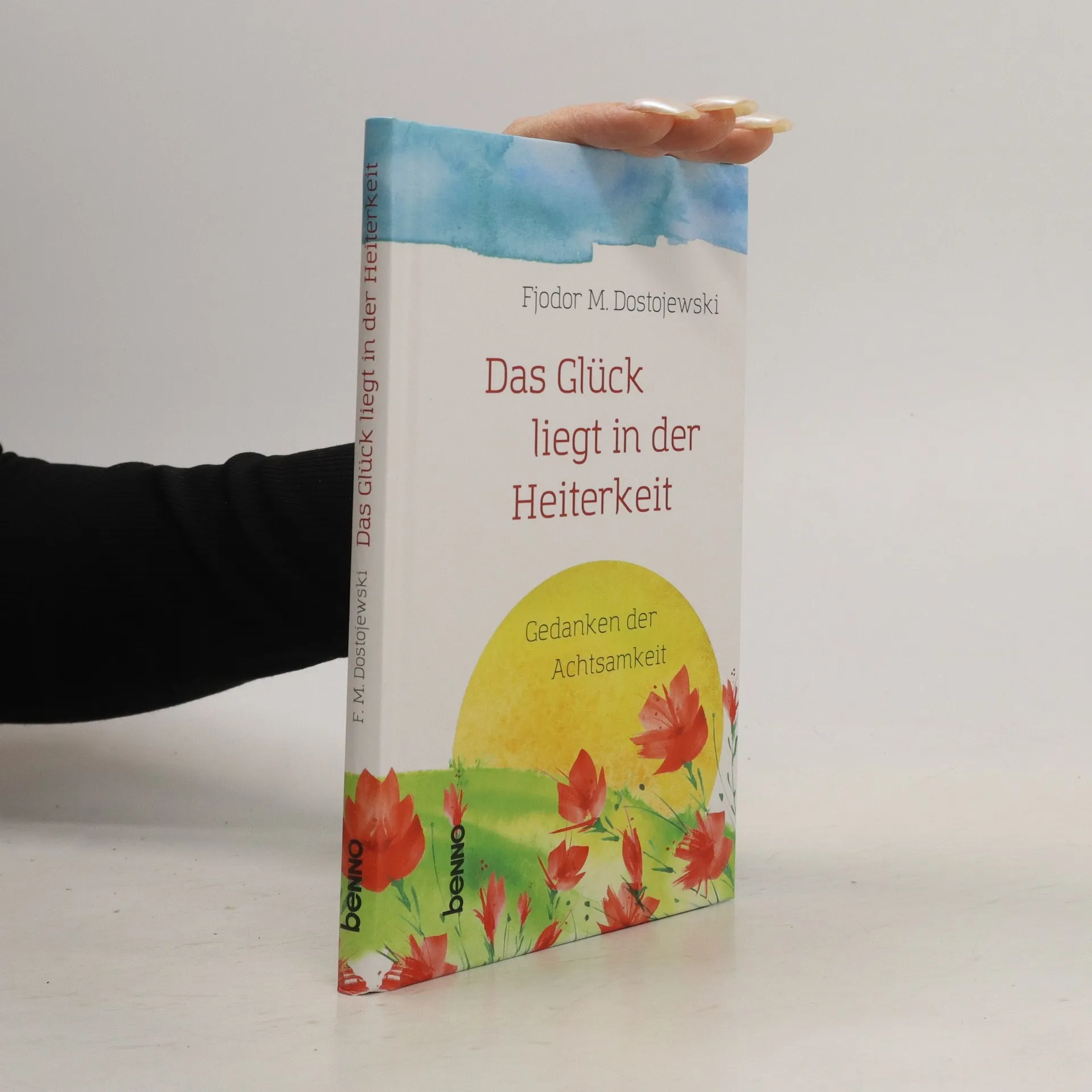
Am 11. November 2021 wäre der bedeutende russische Schriftsteller Dostojewski 200 Jahre alt geworden. Der visionäre Christ und Kenner der menschlichen Seele hat in seinen großen Werken wie »Der Jüngling«, »Die Dämonen« oder »Die Brüder Karamasow« viele zeitlose Weisheiten auf den Punkt gebracht. Seine tiefgründigen und doch leicht zugänglichen Zitate sind in diesem kleinen Geschenkbuch mit wunderschönen Illustrationen zusammengebracht. Ein Buch wie ein Sonnenstrahl, voll ruhiger Heiterkeit und innerer Schönheit.
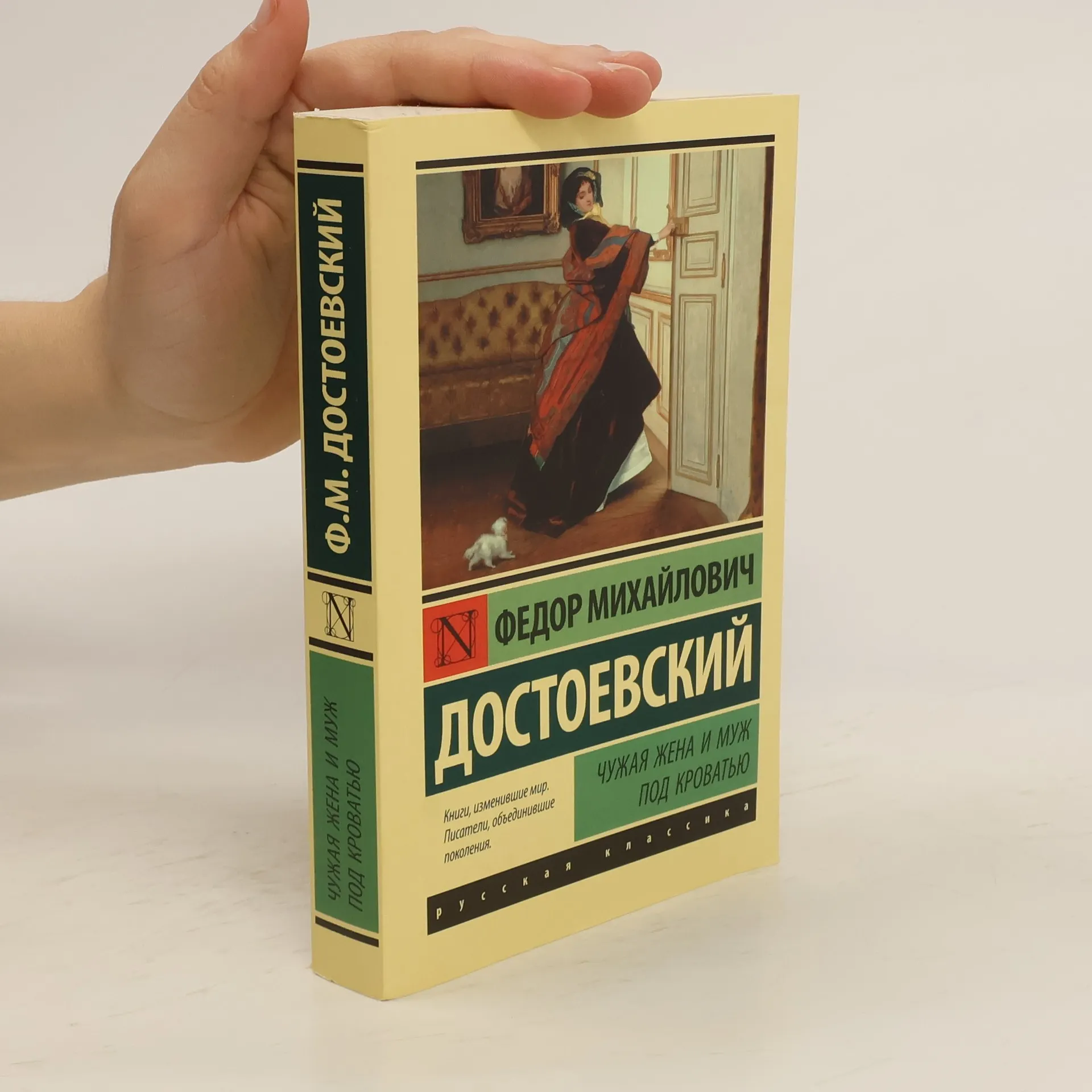
Очень необычный сборник. Очень непривычный Достоевский. Достоевский не только (и не столько) трагический, но — ироничный, веселый, трогательный и даже сентиментальный. Достоевский "малой формы" — мастер злободневных сюжетов, комических ситуаций и остроумных диалогов. Достоевский в начале своего литературного пути – до "Великого пятикнижия". "Село Степанчиково и его обитатели", "Хозяйка", "Чужая жена и муж под кроватью" – без этих произведений невозможно понять Достоевского. Ведь именно в них наметились те философско-нравственные и социально-психологические мотивы творчества, из которых позже вырастут "Братья Карамазовы", "Идиот", "Бесы" и другие романы.
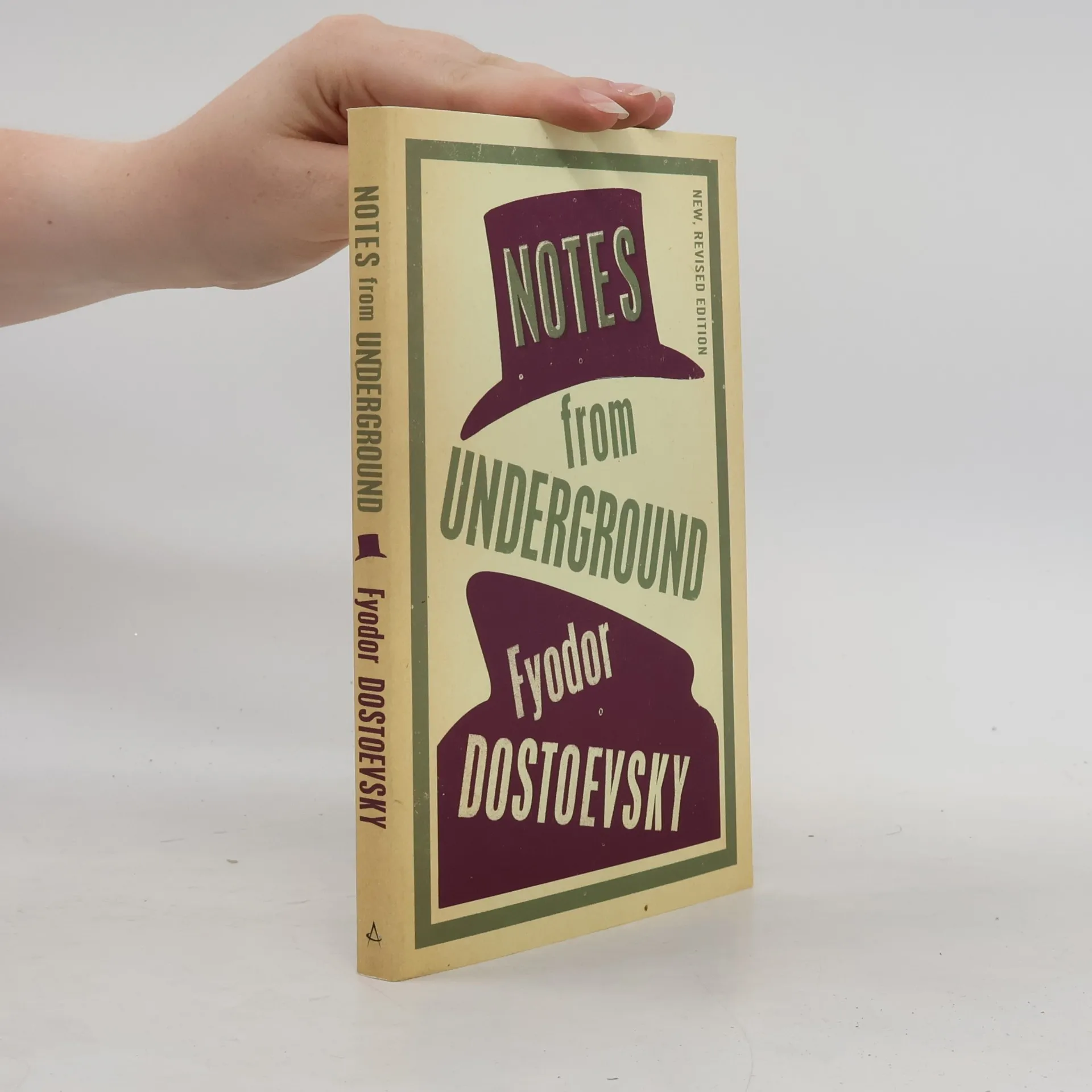
The narrative centers on an unnamed civil servant, known as the Underground Man, who reflects on his profound isolation in St. Petersburg. This seminal work is one of the first existentialist novels, challenging contemporary ideologies such as nihilism and utopianism. Through the Underground Man's perspective, Dostoevsky critiques the limitations of idealized rationality in utopian visions, emphasizing the inherent irrationality of human nature. The novel's profound themes have significantly influenced later writers and philosophers, including Kafka and Nietzsche.
Band I.
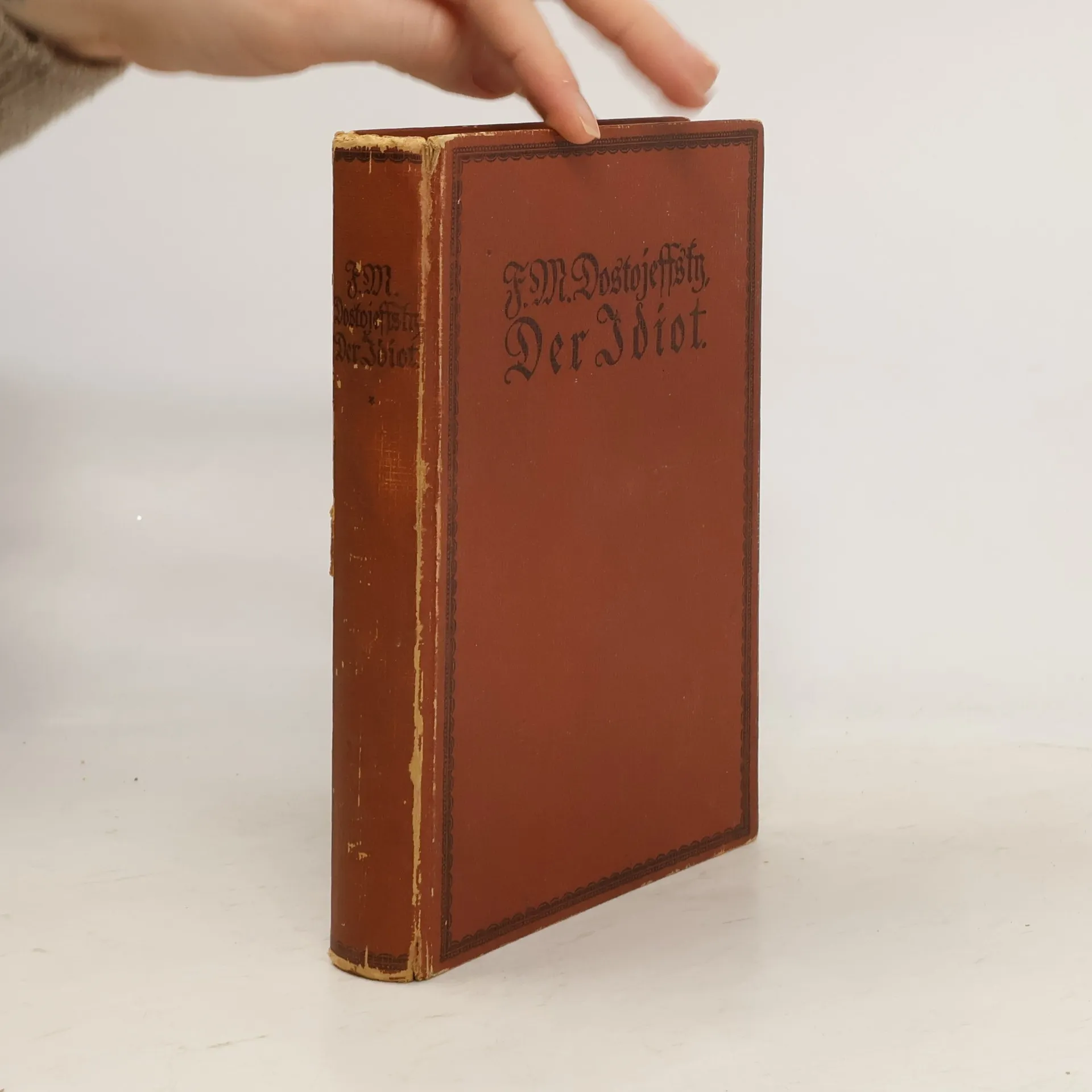
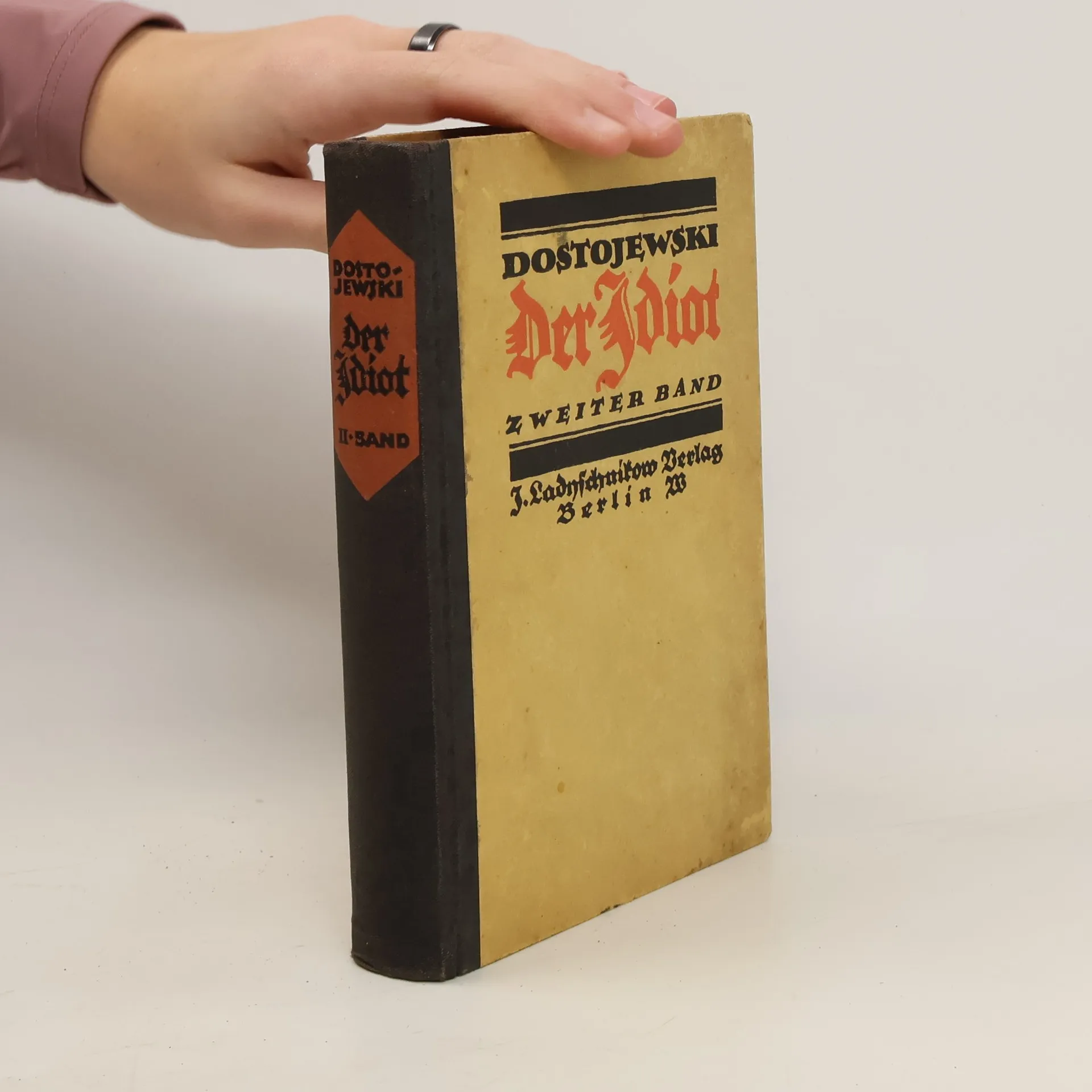
»Der Idiot« von Fjodor Dostojewski erzählt die Geschichte des Fürsten Myschkin, der nach einem Aufenthalt in der Schweiz nach St. Petersburg zurückkehrt. Trotz seiner Bemühungen, den Menschen in ihrer Isolation zu helfen, wird er selbst als »Idiot« belächelt und scheitert an den sozialen Spannungen der Gesellschaft.
Wie in anderen Romanen (Die Brüder Karamasow, Die Dämonen) thematisiert Dostojewski auch in »Der Jüngling« den Vater-Sohn-Konflikt und die Frage nach den wahren und den falschen Vätern. Neben »Schuld und Sühne«, »Der Idiot«, »Die Dämonen« und »Die Brüder Karamasow« zählt die Arbeit zu den fünf großen Romanen, die im Zentrum von Dostojewskis literarischem Werk stehen. Die zeitgenössische Gesellschaft befindet sich in einem Zustand fundamentaler Unordnung und des Verfalls, und der Roman zeigt, wie die junge Generation in den Wirbel des Chaos gezogen wird. Sämtliche sozialen Bindungen lösen sich auf, am augenfälligsten die Institution der Familie: Arkadij hat einen biologischen und einen juristischen, aber keinen sozialen Vater; Vater (Wersilow) und Sohn (Arkadij) werben um dieselbe Frau (Katharina); Wersilows Tochter möchte Katharinas Vater heiraten und würde dadurch potenziell zur Schwiegermutter ihres eigenen Vaters. Alle Figuren der Handlung sind isoliert. [Wikipedia]
Wie in anderen Romanen (Die Brüder Karamasow, Die Dämonen) thematisiert Dostojewski auch in »Der Jüngling« den Vater-Sohn-Konflikt und die Frage nach den wahren und den falschen Vätern. Neben »Schuld und Sühne«, »Der Idiot«, »Die Dämonen« und »Die Brüder Karamasow« zählt die Arbeit zu den fünf großen Romanen, die im Zentrum von Dostojewskis literarischem Werk stehen. Die zeitgenössische Gesellschaft befindet sich in einem Zustand fundamentaler Unordnung und des Verfalls, und der Roman zeigt, wie die junge Generation in den Wirbel des Chaos gezogen wird. Sämtliche sozialen Bindungen lösen sich auf, am augenfälligsten die Institution der Familie: Arkadij hat einen biologischen und einen juristischen, aber keinen sozialen Vater; Vater (Wersilow) und Sohn (Arkadij) werben um dieselbe Frau (Katharina); Wersilows Tochter möchte Katharinas Vater heiraten und würde dadurch potenziell zur Schwiegermutter ihres eigenen Vaters. Alle Figuren der Handlung sind isoliert. [Wikiped
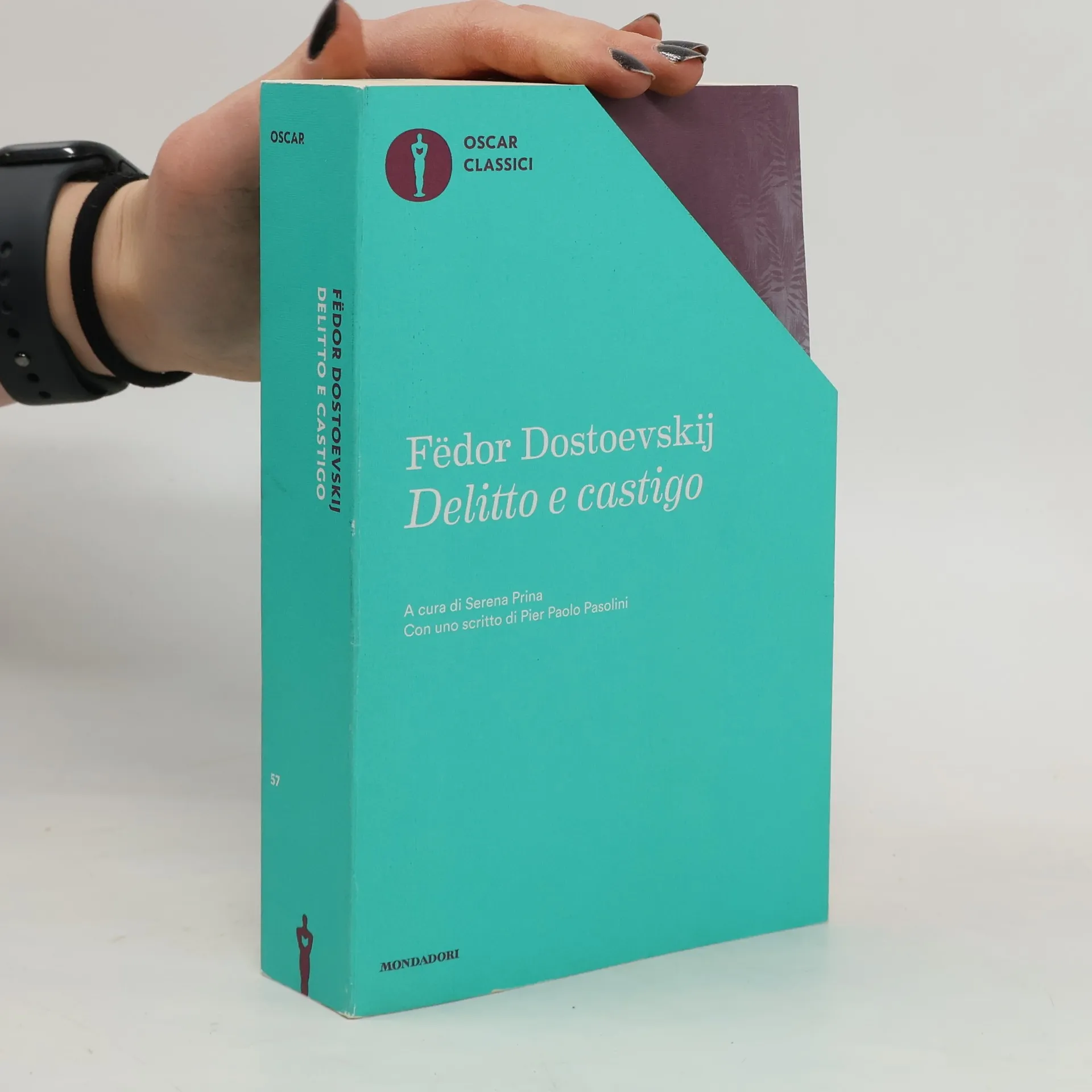
Der Roman ist bekannter unter dem Titel »Schuld und Sühne«, eine Übersetzung, die heute eher kritisch gesehen wird. Schauplatz des Romans ist Sankt Petersburg um 1860. Protagonist ist der arme, aber überdurchschnittlich begabte Jurastudent Rodion Romanowitsch Raskolnikow. Unter dem Eindruck eines von ihm zufällig belauschten Wirtshausgesprächs entwickelt er die Idee eines »erlaubten Mordes«. Er selbst sieht sich als Privilegierten, der auch in der Situation eines »erlaubten Verbrechens« Ruhe und Übersicht zu wahren weiß. Diesem Selbstanspruch stehen die bedrückenden, beengten äußeren Umstände entgegen. Die prekäre finanzielle Situation zwingt ihn, sich an jene alte wucherische Pfandleiherin Aljona Iwanowna zu wenden, der sein Mordplan längst gilt. Diese ist für ihn nur eine geizige und herzlose Alte, die allein dafür lebt, ein immer größeres Vermögen zusammenzuraffen, um es für ihr Seelenheil zu verwenden. Für Raskolnikow ist sie der Inbegriff einer einer wertlosen Person, über deren Leben die wirklich großen Menschen hinweggehen dürfen. Doch nach dem Mord findet er keine Ruhe mehr. In die Enge getrieben, stellt er sich und wird verurteilt. Im Epilog wird die achtjährige Haft Raskolnikows in einem sibirischen Arbeitslager als eine Art Befreiung von der Vergangenheit in Petersburg entworfen. Am Ende des Romans entdeckt er seine Liebe zu Sofja. [Wikipedia]
"Lightning and forest fires could strike terror in primitive humans, yet they also cherished fire as a life-giving gift from the gods"-- Provided by publisher
Es war eine wundervolle Nacht, eine solche Nacht, wie sie vielleicht nur vorkommen kann, wenn wir jung sind, lieber Leser.« – In dieser Nacht treffen in Petersburg zwei einsame Gestalten aufeinander: der Erzähler, ein »halbkranker Städter« und zugleich lebensfremder Träumer, und die junge, naive Nastenka, die verzweifelt die Rückkehr ihres Geliebten erwartet. Aus der zufälligen Begegnung entwickelt sich eine freundschaftlich-liebevolle Zuneigung. In vier Nächten nehmen sie Zuflucht zu intensiven Dialogen und spenden sich gegenseitig Trost. Doch ihr Traum kann der Realität nicht standhalten … Dostojewskis Novelle erschien erstmals 1848 und gehört zu den schönsten Liebesgeschichten der Weltliteratur.
Das Buch beleuchtet das politische und soziale Leben im vorrevolutionären Russland des späten 19. Jahrhunderts. Verschiedene Ideologien prallen aufeinander, dargestellt durch Dostojewski in den Protagonisten. Der Roman ist in drei Teile gegliedert, die von Konflikten und deren Eskalation erzählen, erzählt aus der Sicht eines Beamten.
»Der Idiot« gehört zu den bekanntesten Romanen Fjodor Dostojewskis. Er erschien erstmals von Januar 1868 bis Februar 1869 in der Zeitschrift Russki Westnik. Die deutsche Erstausgabe erschien 1889 im S. Fischer Verlag in der Übersetzung von August Scholz. Die Geschichte des Fürsten Myschkin, der für ungefähr ein halbes Jahr sein Schweizer Refugium verlässt und in die Petersburger Gesellschaft gerät, zählt zu den Werken der Weltliteratur. In seiner naiven, unkonventionellen Art erblickt der Protagonist die Menschen in ihren persönlichen und sozialen Spannungen und Widersprüchen und ihrem daraus resultierenden Leid. Er scheitert in seinen Bemühungen, ihnen zu helfen, und versinkt wieder in seinen Krankheitszustand der geistigen Isolation. Myschkin kehrt nach einem fünfjährigen Aufenthalt in einem Schweizer Sanatorium an einem Novembermorgen nach Rußland zurück, um in Sankt Petersburg nach dem Tod eines Verwandten eine Erbschaftsangelegenheit zu klären. Obwohl seine Epilepsie erfolgreich behandelt wurde, haben sich durch seine Isolation kindlich-naive Verhaltensweisen erhalten, und er wird von der Gesellschaft als »Idiot«, in der Bedeutung eines weltfremden Sonderlings, belächelt. [Wikipedia]
Man is sometimes extraordinarily, passionately, in love with suffering...
Fyodor Dostoyevsky was born on November 11, 1821, and was introduced to literature early in life, with his mother teaching him to read and write using the Bible. His literary immersion was profound, fueled by his parents' nightly readings. Tragedy struck in 1837 when his mother died of tuberculosis, and he and his brother were enrolled at the Nikolayev Military Engineering Institute, where Dostoyevsky found little interest in military studies, preferring drawing and architecture. His father's death in 1839 may have triggered his epilepsy, yet he persevered, eventually becoming an engineer cadet. His first completed work, a translation of Balzac's "Eugénie Grandet," was published in 1843 but failed commercially. He then wrote "Poor Folk," which was a success, followed by "The Double," which received poor reviews and exacerbated his health issues. Involved in socialist circles, Dostoyevsky faced arrest in 1849 for distributing banned works, leading to a death sentence commuted to four years of hard labor in Siberia. His prison experiences inspired "The House of the Dead," published in 1861. He later completed "The Gambler" in just 26 days. Despite continued health decline, including a diagnosis of pulmonary emphysema, he published "Demons" in 1873. Dostoyevsky died on February 9, 1881, after suffering multiple pulmonary hemorrhages.
Die Geschichte folgt dem Prinzen Myschkin, einem naiven und gutherzigen Mann, der nach Jahren in einer Nervenheilanstalt nach Russland zurückkehrt. In der Gesellschaft wird er mit den Abgründen menschlicher Natur konfrontiert, die von Heuchelei, Egoismus und Verzweiflung geprägt sind. Dostojewski untersucht tiefgründige Themen wie Moral, Liebe und das Streben nach Glück. Der Prinz wird zum Spiegel für die Charaktere um ihn herum, die sich durch seine Unschuld sowohl angezogen als auch abgestoßen fühlen.
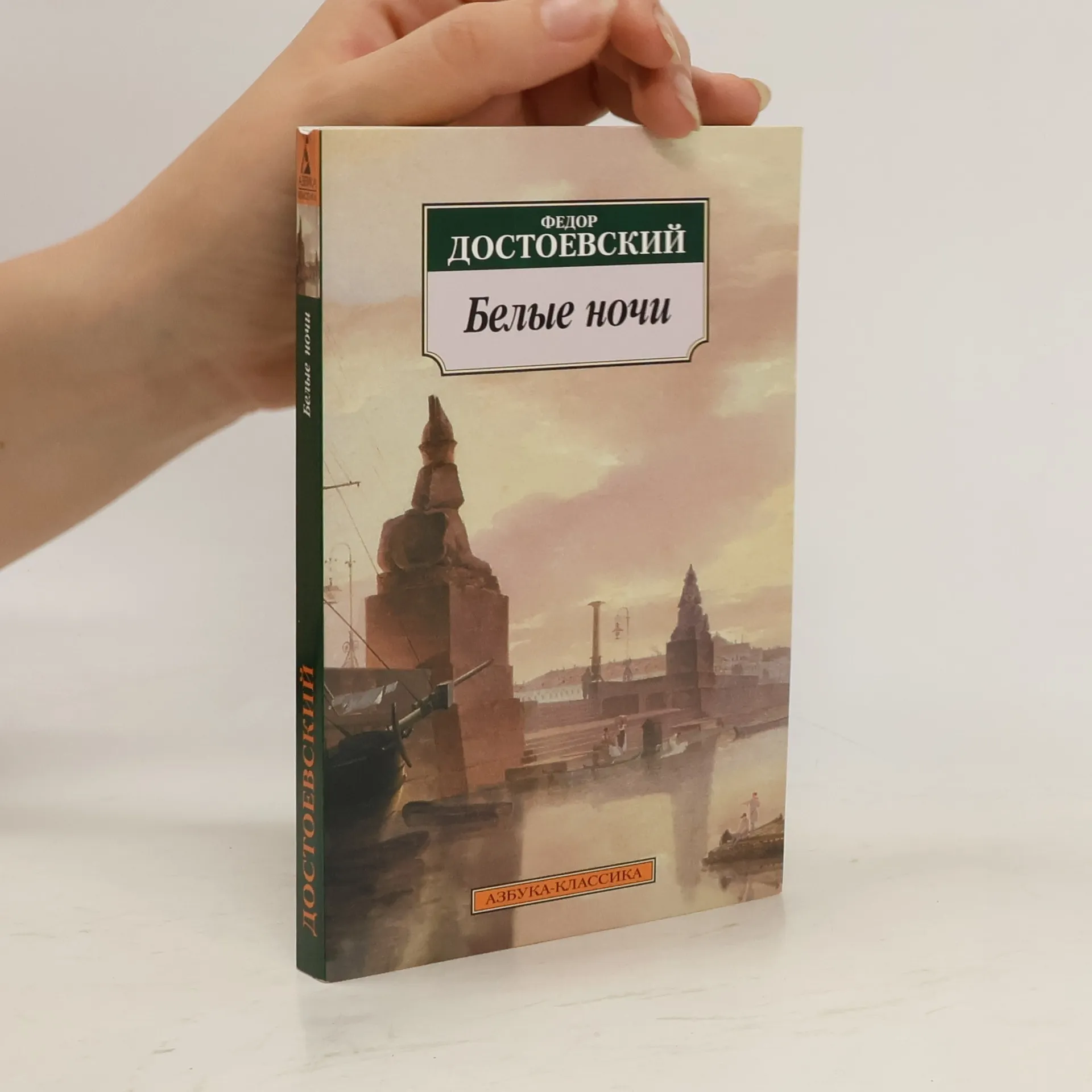
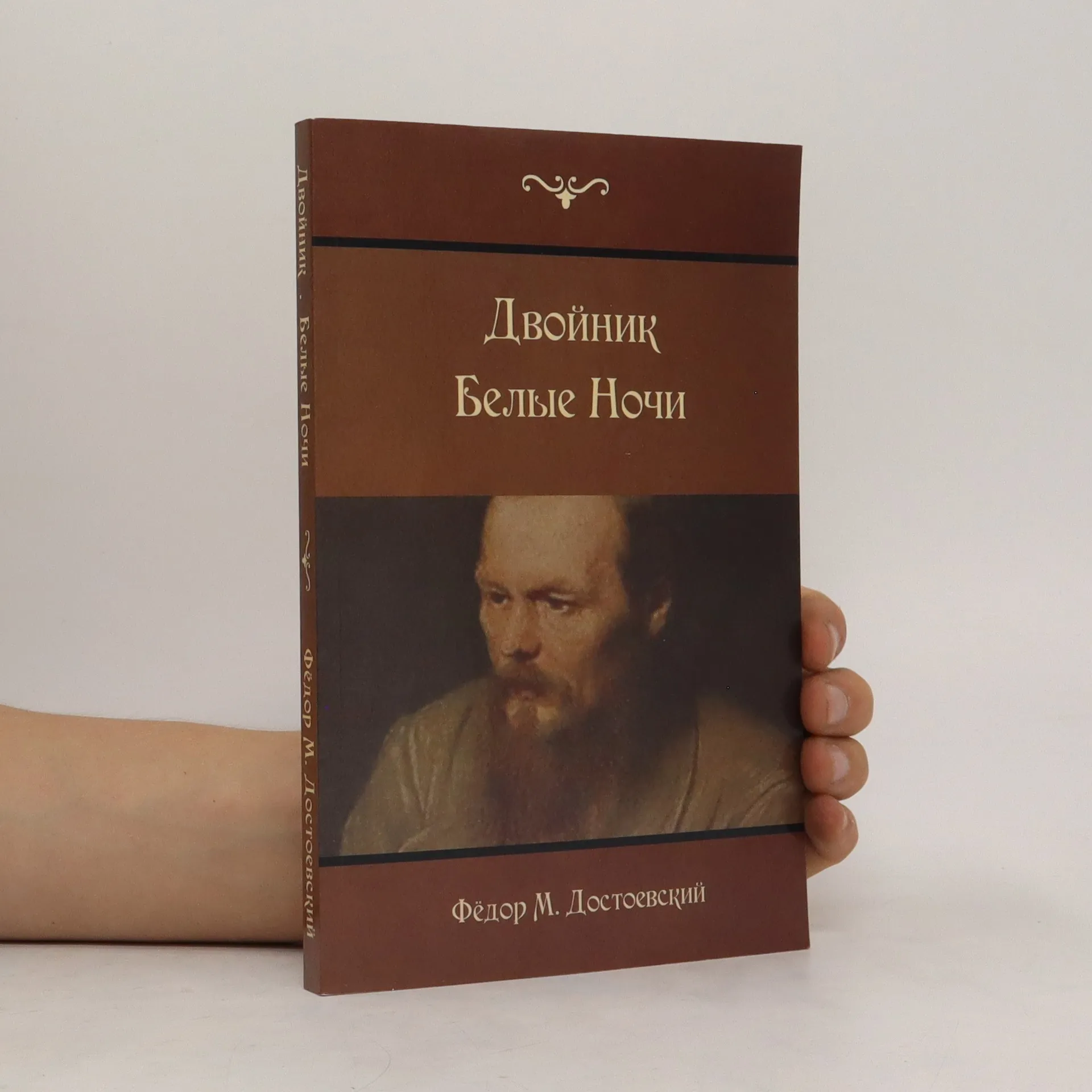
«Белые ночи» — повесть Фёдора Михайловича Достоевского, одно из самых светлых и поэтических произведений писателя. Молодой чиновник-разночинец и юная девушка, оба чистые и ясные душой, изображены здесь на фоне петербургских каналов, озаренные сиянием белых ночей. И обстановка действия повести, и образы ее героев овеяны поэтической атмосферой романтической лирики. «Бедные люди» — первый роман Фёдора Михайловича Достоевского, начатый им в 1844 году и после многочисленных переделок законченный в мае 1845 года. Написан по типу эпистолярного романа. Роман представляет собой переписку между Макаром Девушкиным и Варварой Добросёловой. Форма романа в письмах позволила автору передать тонкие нюансы психологии самораскрывающихся, исповедывающихся героев.
This classic Russian novel has it all: murder, suspense, passion, struggle, and redemption. Originally published in 1866, Crime and Punishment is a psychological thriller that deals with issues of morality, conscience, and redemption. Widely considered to be one of the greatest novels written in any language, this novel explores the life of Rodin Raskolnikov, a young Russian man who robs and murders a pawnbroker to save himself from a life of poverty. As a consequence, he must deal with the oppressive mental anguish of being a criminal while attempting to maintain relationships with his friends and family.
In "Weiße Nächte" trifft ein junger Mann in St. Petersburg auf ein Mädchen, und zwischen ihnen entsteht eine zarte Freundschaft. Vier Nächte lang teilen sie ihre Ängste und Hoffnungen, doch Nastenka wartet auf einen anderen Mann. Der Band enthält auch die Novellen "Weihnachtsbaum und Hochzeit" und "Das schwache Herz".
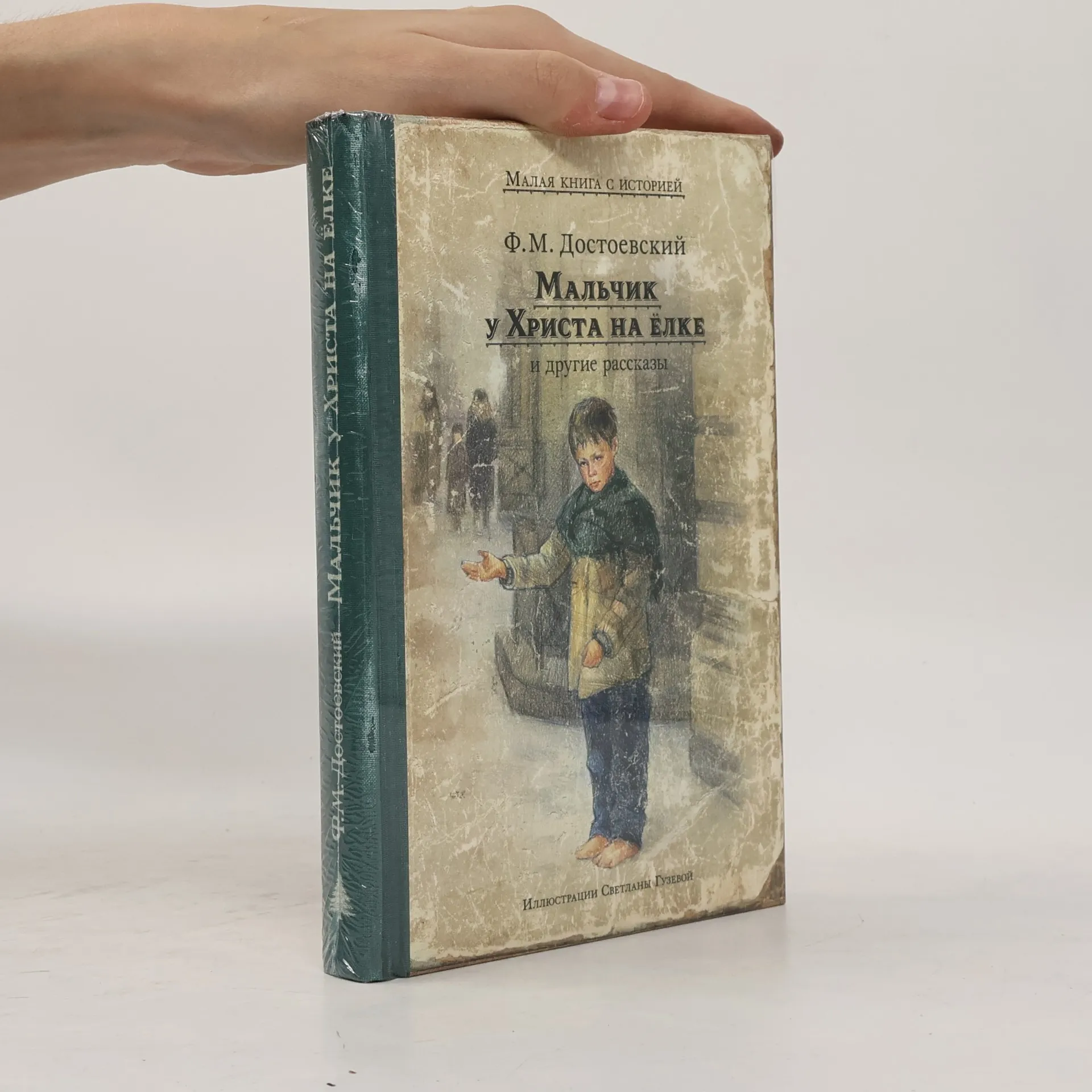
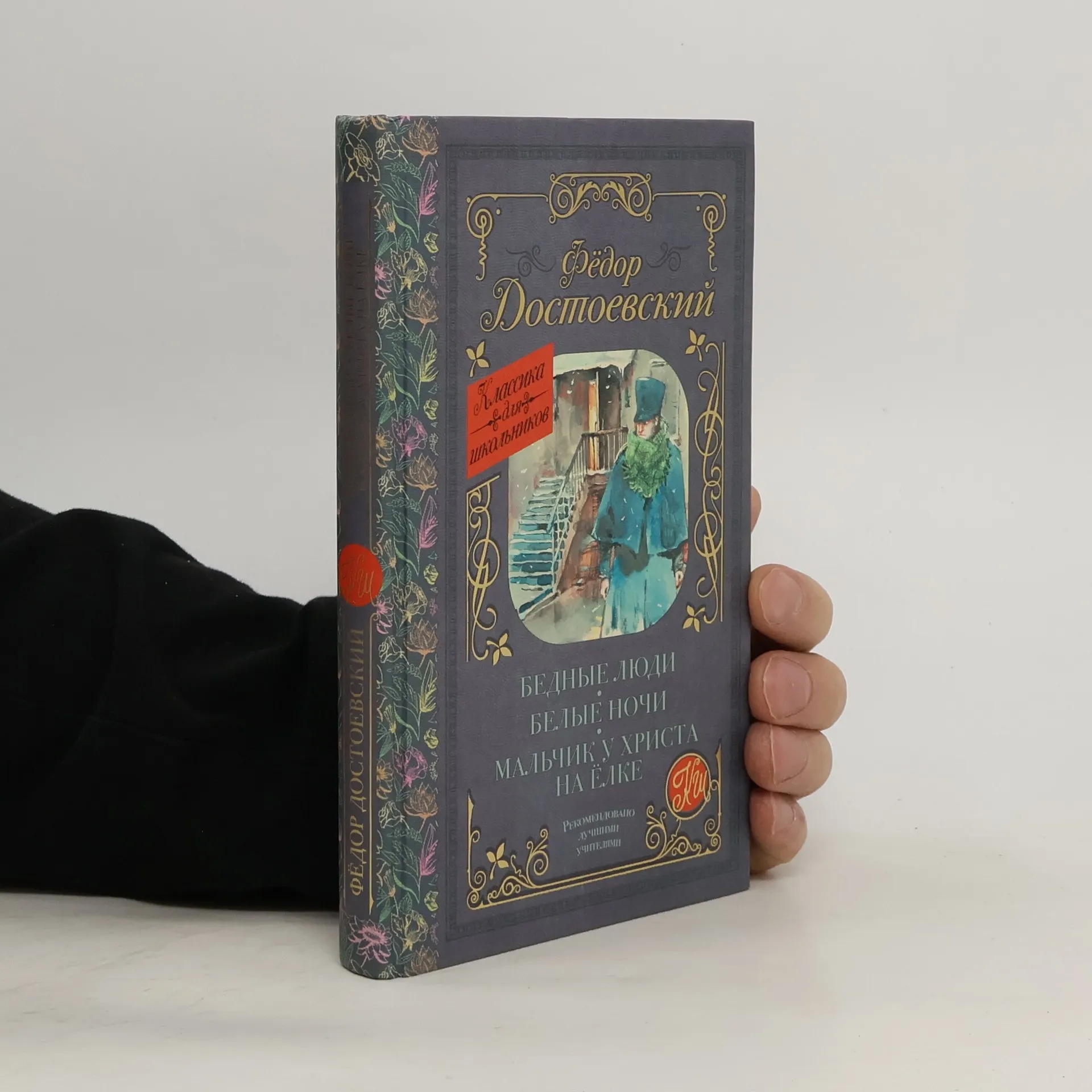
В книги этой серии входят произведения, включенные в школьную программу.В сборнике представлены известные произведения Фёдора Михайловича Достоевского: роман "Бедные люди", повесть "Белые ночи" и рождественский рассказ "Мальчик у Христа на ёлке".
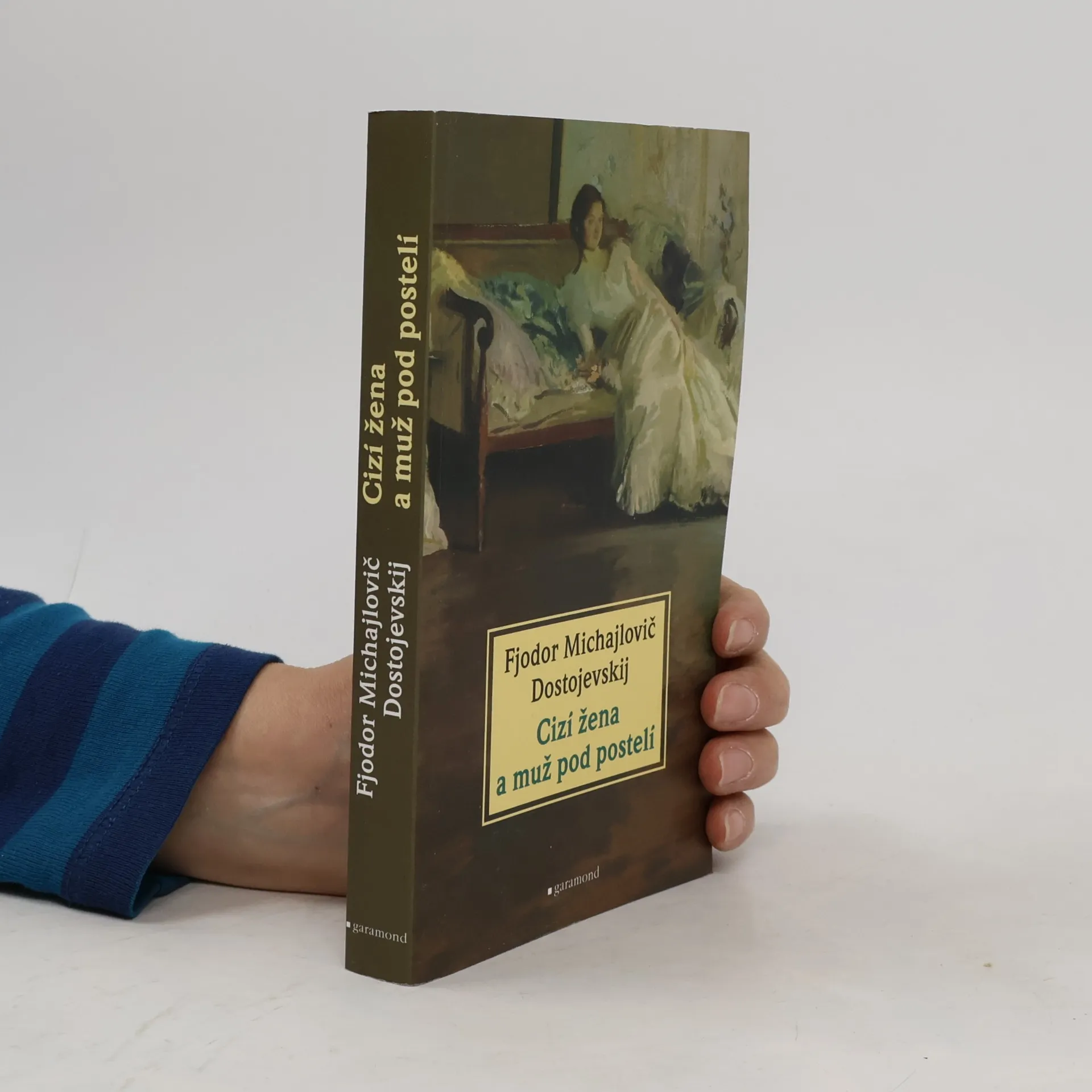
Sbírka obsahuje 6 povídek, které dokládají nejen autorův um vytvářet postavy s propracovanou psychologií, ale také jeho zálibu v satiře. Obsahuje povídky: Něžná, Cizí žena a muž pod postelí, Poctivý zloděj, Krokodýl, Plazunkov, Mužik Marej.
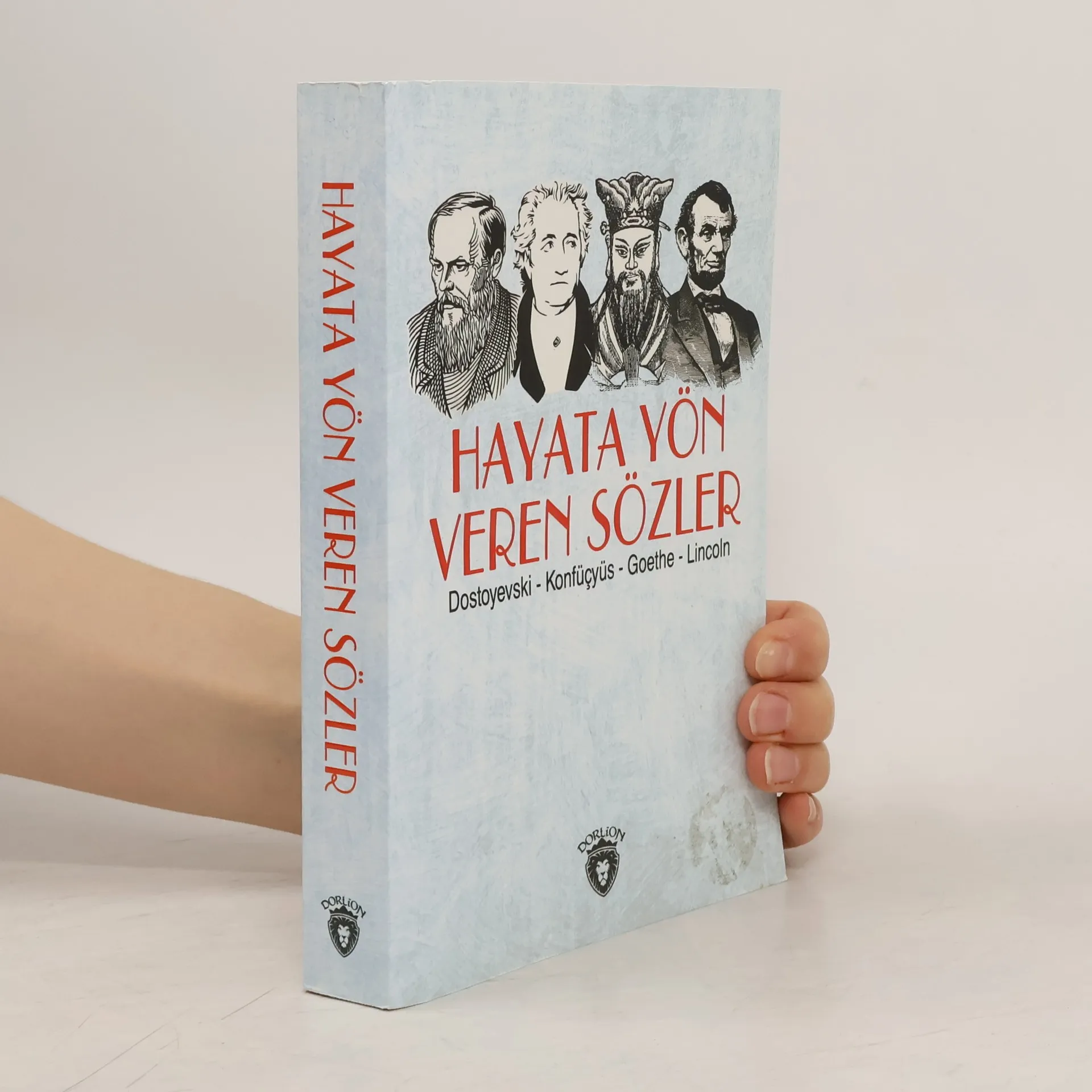
İnsan olmanın sırrı kişinin yaşamasında değil, uğrunayaşayacağı bir şeyi olmasındadır.Ne kadar durgun olursa olsun tüm göllerin dalgası, ne kadar düzgün olursa olsun tüm çemberlerin pürüzleri vardır.Keşke elimde olsa da sizin için değiştirebilsem bir şeyleri, ama ne yazık ki yapamam; olduğu gibi kabul etmekzorundasınız her şeyi.Planlar yapan ve sözler veren değil, en küçük meselelerde bile sadık bir şekilde görevini yapan insan başarıya ulaşır. Bazı insanları hep kandırabilirsin veya tüm insanları bazenkandırabilirsin; ama herkesi her zaman kandıramazsın.
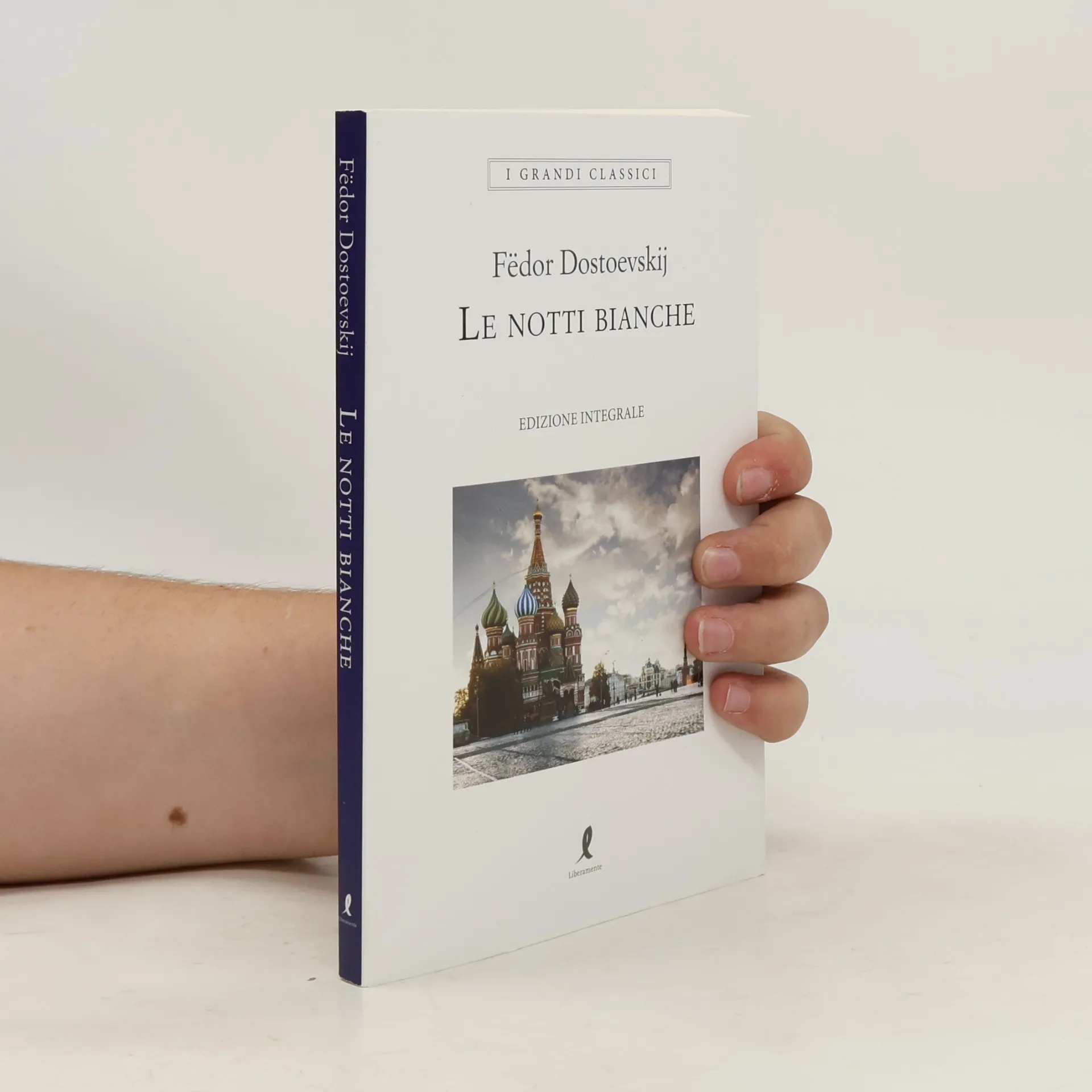
Il sognatore (mectatel, in russo, dal verbo mectat', che indica il fantasticare, la "rêverie") è un tipo letterario: "io sono un tipo", si definisce l'eroe stesso delle "Notti bianche"; e poco dopo aggiunge: "uno originale, un uomo molto buffo"... Nell'"Eterno marito" (1870) lo psicologismo di Dostoevskij si fonde al suo metodo del "realismo fantastico". Come nelle "Notti bianche", l'ambientazione porta i tratti della messa in scena teatrale. Non a caso le linee dell'intreccio... ripropongono e riflettono, nel rapporto conflittuale tra il marito ingannato e l'amante della moglie, situazioni, personaggi, sentimenti, emozioni riconducibili a numerose fonti e modelli del teatro europeo.
Weiße Nächte Es war eine wundervolle Nacht, eine solche Nacht, wie sie vielleicht nur vorkommen kann, wenn wir jung sind, lieber Leser. Mit diesem Satz eröffnet Dostojewski seine Geschichte einer beginnenden Liebe, die aus der zufälligen Begegnung zwischen dem einsamen Erzähler und der jungen Nastenka entsteht. In vier Nächten offenbaren sich die beiden ihre Ängste und Sehnsüchte. Doch Nastenkas Herz gehört einem anderen. Ebenso ergreifend wie einfühlsam erzählt Dostojewskis empfindsamer Roman von der unerfüllten Liebe. Das Gut Stepantschikowo und seine Bewohner Diese Erzählung, für deren Fertigstellung Dostojewski fast zwei Jahre brauchte, erschien erstmals im Jahre 1859 in der Zeitschrift Otetschestwennyje Sapiski. Ein Jahr später wurde der Kurzroman ohne Änderungen als Buch veröffentlicht. Bei den Zeitgenossen Dostojewski hinterließ Gut Stepanchikowo keinen bleibenden Eindruck. Erst nach seinem Tod erhielt es Anerkennung von Kritikern und Lesern. Besonders die Figur des scheinheiligen Heuchlers Foma Opiskin wurde zum Gattungsnamen in der russischen Literatur.
'40,000 francs, which lay before him in a heap of gold and banknotes.' Written in twenty-six days to pay off Dostoyevsky's own roulette debts, The Gambler is a graphic psychological study of addiction, accompanied here by a brilliant short story of excruciating social embarrassment. Ten new titles in the colourful, small-format, portable new Pocket Penguins series
Can the deadly rivalry between father and son be settled peacefully, or must it end in tragedy?
A cura di Serena Prina - Con uno scritto di Pier Paolo Pasolini
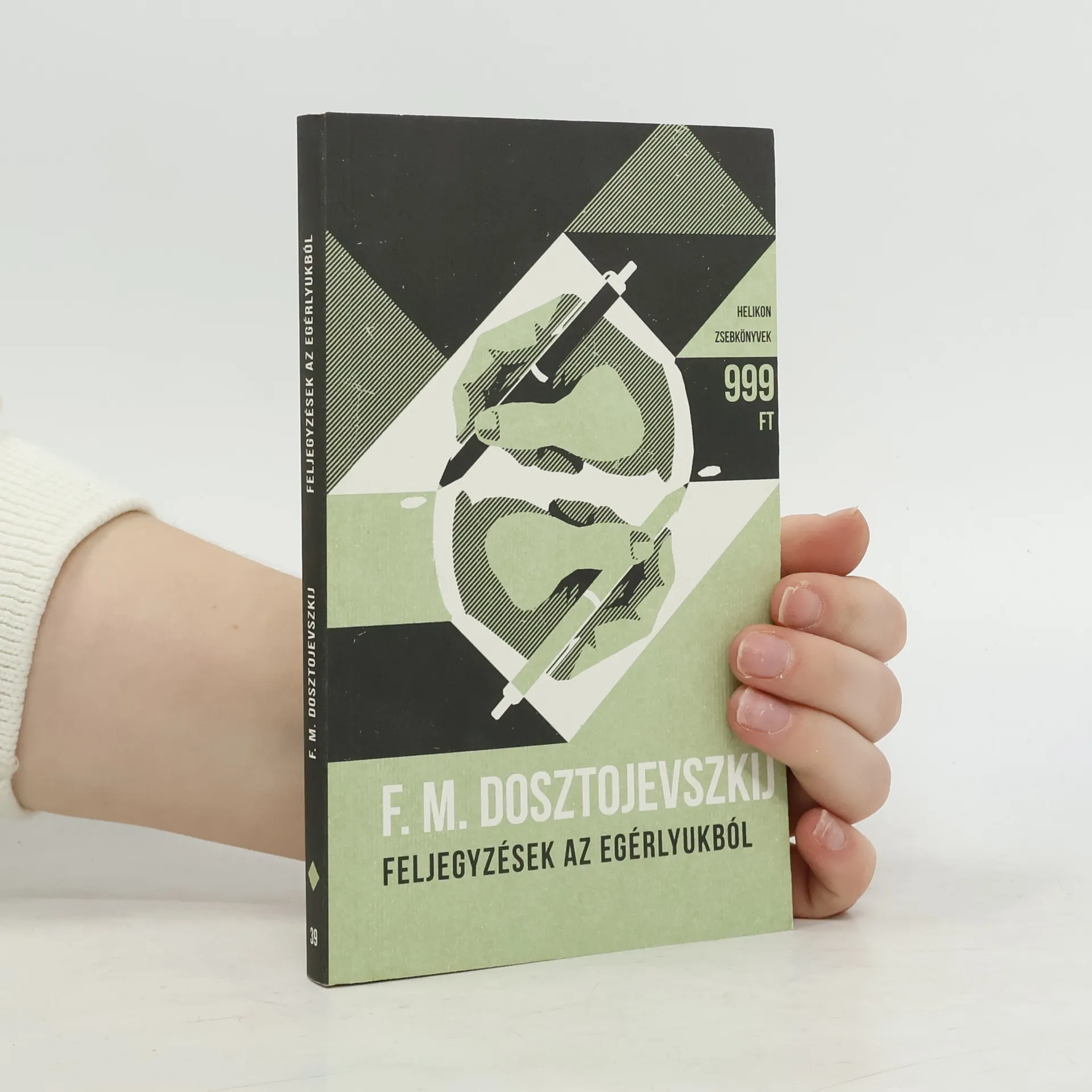
Az 1864-es keltezésű kisregény, a Feljegyzések az egérlyukból Dosztojevszkij talán - művészi szempontból - legtökéletesebb alkotása. "Beteg vagyok... Rosszindulatú ember vagyok. Egy cseppet sem vagyok rokonszenves" - mutatja be önmagát az elbeszélések hőse, aki felismerve a környező világ zűrzavarát, a társadalom fonákságait, feljogosítva érzi magát a hitványságra, hiszen csak azt adja vissza, amit az élettől kapott. A mesélő Péterváron él s végzi áldatlan tevékenységét; negyven éves elmúlt, korábban hivatalnok volt, ahol szintén rossz természete motiválta megannyi mások kárára öncélúan elkövetett apróbb-nagyobb gonoszságra. Vallomása - vagyis az írói ítélet eme embertípus felett - kíméletlenül, élesen őszinte, s bár a hiszékenységet, naivitást orvosolja, megoldást nem kínál ellene... E karakter köszön vissza a kötetben olvasható másik kisregény (A nedves hó kapcsán) lapjairól is, amelynek a központi alakja - a visszaemlékezés idején - huszonnégy esztendős, kedvetlen és kelletlen hivatalnok fiatalember, aki lejtőn lefele csúszásáról referál nagy lélektani hitelességgel. Azonban mindkét főhős végső soron a lét értelmét kutatja, az emberi szituáció alapjaira kérdez rá, Isten és a sors titkait fürkészi, a lehető legmegalázóbb szituációból "tör az ég felé". A két Dosztojevszkij-klasszikust felvonultató kötet beszerzése széles körben javasolt.
Une heure pour redécouvrir que la lecture peut être flippante; 1 playlist, 4 nouvelles, des défis terrifiants et 1 sélection de films.
В этот сборник вошли две ранние повести Достоевского – "Белые ночи" и "Неточка Незванова", которые считаются самыми поэтичными произведениями великого романиста. "Белые ночи" – одно из лучших произведений школы "сентиментального натурализма", по мнению критика Аполлона Григорьева. Это лирическая исповедь героя-мечтателя, одинокого и робкого человека, в жизни которого на какое-то время появляется девушка, а вместе с ней и надежда на более светлое будущее. "Неточка Незванова" – повесть, изначально задуманная автором как роман, где в основе сюжета лежит история жизни маленькой девочки. Неточка – тоже персонаж-мечтатель, она грезит о жизни в большом красивом особняке, который видит из окна каморки на чердаке. Но, очутившись в нем, Неточка сталкивается с действительностью, которая оказалась вовсе не так прекрасна…
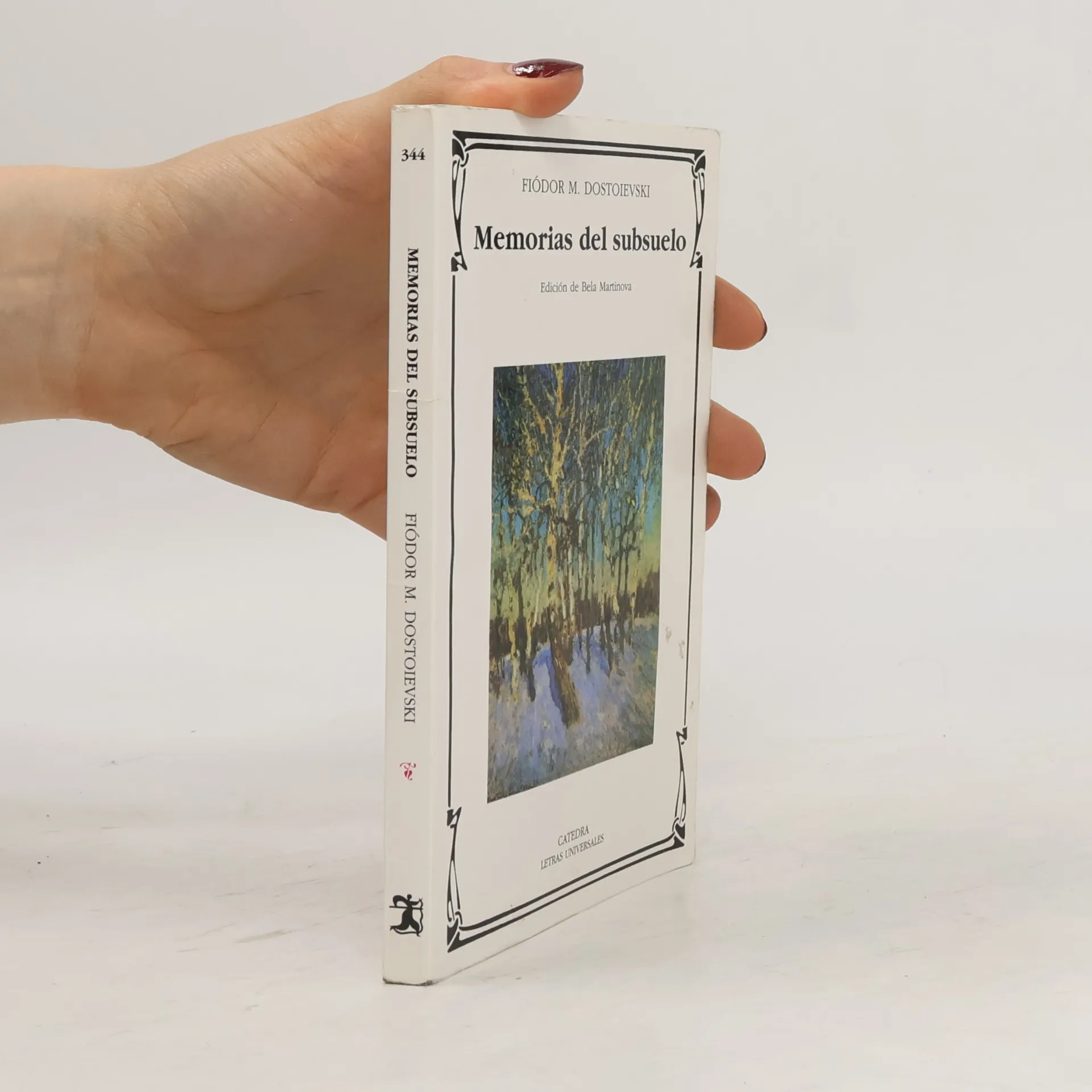
Fiódor M. Dostoievski escribe «Memorias del subsuelo» en un momento social y político bastante complejo, al que se une la delicada situación personal por la que el autor estaba atravesando: su mujer se moría y su tormentosa relación sentimental con una joven le causaba dudas y remordimientos que incidían en una evidente crisis personal. El resultado de esa situación histórica, personal, vital y anímica es una obra que en pocas páginas concentra más contenido filosófico que ninguna otra obra del autor, y en la que se plantean las cuestiones más extremas que un hombre pueda hacer. «Memorias del subsuelo» es una obra contradictoria, no exenta de matices. En forma de diálogo, un hombre sin nombre ni identidad concreta, excepto la de ser un funcionario, como se presenta a sí mismo desde las primeras páginas, va narrando las memorias de su tragedia personal. Dostoievski logra crear con él uno de los mejores y más impactantes antihéroes de su ingente producción novelística, como lo son Raskólnikov o Iván Karamázov, un sujeto retórico de difícil imitación, en el que las raíces eslavófilas y el innegable rechazo a la imposición burocrática se aúnan en todo un tratado.
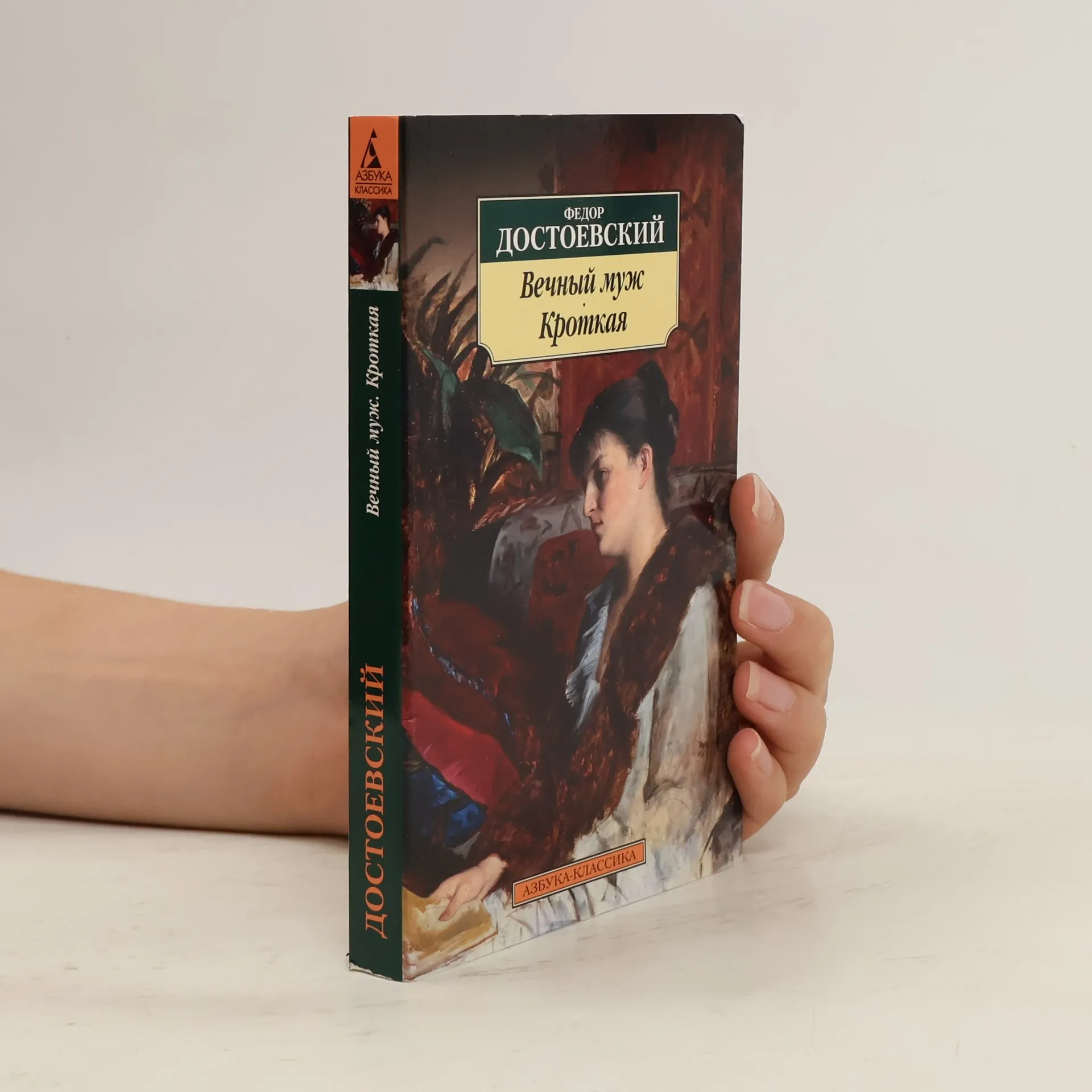
Повести «Вечный муж» (1870) и «Кроткая» (1876) — по авторскому определению рассказы — своего рода психологические этюды, размышления писателя на тему любви и семейной жизни. Эти произведения находятся как бы в тени «великого пятиножия» Достоевского, но вместе с тем здесь получают продолжение важнейшие проблемы его творчества. Любовные драмы в обеих повестях становятся лишь основой для развития действия, в то время как внимание автора сосредоточено на исследовании двух человеческих типов — тирана и жертвы. Если в повести «Вечный муж» конфликт разворачивается между обманутым мужем и любовником, то в «Кроткой» напряженным драматизмом проникнуты отношения мужа и жены. Однако вопрос о том, кто из героев тиран, а кто жертва, Достоевский оставляет открытым. Тайна человеческого сердца, которая всегда привлекала писателя и которую он пытался разгадать, неизменно связана с вопросами личной свободы и ответственности, добра и зла, смысла жизни.
The unnamed narrator of the novel, a former government official, has decided to retire from the world and lead a life of inactivity and contemplation. His fiercely bitter, cynical and witty monologue ranges from general observations and philosophical musings to memorable scenes from his own life, including his obsessive plans to exact revenge on an officer who has shown him disrespect and a dramatic encounter with a prostitute. Seen by many as the first existentialist novel and showcasing the best of Dostoevsky’s dry humour, Notes from Underground was a pivotal moment in the development of modern literature and has inspired countless novelists, thinkers and film-makers.
A collection of Dostoevsky's short stories, including Notes From The Underground which is considered to be one of the first works of existential literature.