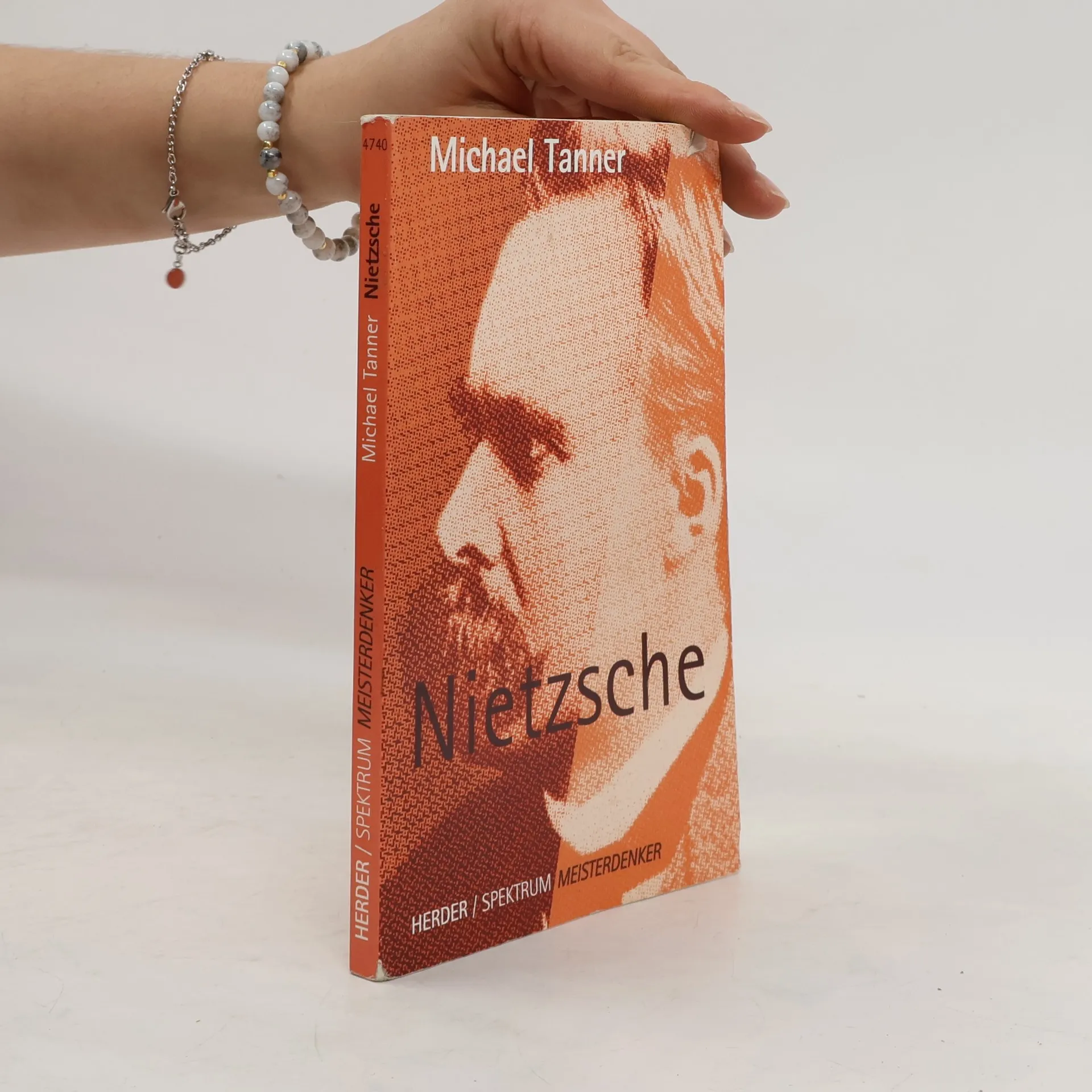
Friedrich Nietzsche wurde für viele Menschen aus unterschiedlichsten Denkrichtungen zur Leit- oder sogar Kultfigur. Sein radikales und bilderreiches Denken hat Irrationalisten ebenso fasziniert wie Analytiker. Eine bestens lesbare und ausgezeichnete Einführung in das Leben und die Schriften des großen Philosophen, der als „Erdbeben“ seiner Epoche und „größtes deutsches Sprachgenie seit Luther“ gilt.

Michael Tanner Bücher


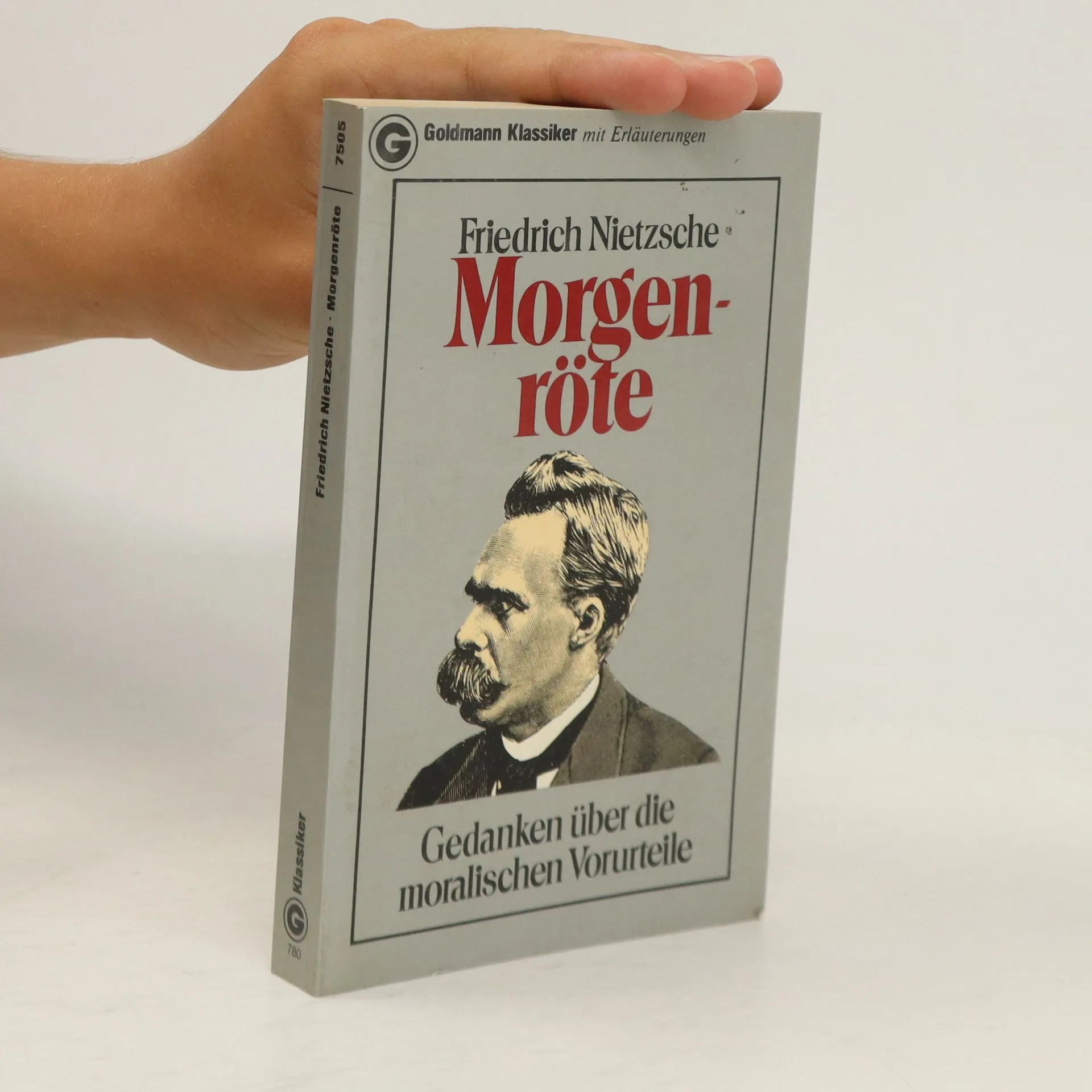
Nietzsches »Morgenröte«, 1881 erstmals erschienen, ist dem Leben zugewandte Philosophie: Wie lässt sich die lebendige Leidenschaft für die Erkenntnis gegen das Leiden an ihrer Endlichkeit verteidigen? Was taugen die alten Begriffe von Wahrheit und Moral, wenn die Erkenntnis der inneren wie der äußeren Welt bei deren Erscheinungen endet? Der Philosoph als »Arzt der Seele« hat die Aufgabe, der Herkömmlichkeit ein neues Denken gegenüberzustellen – ein Denken, das seine Sprengkraft gerade daraus gewinnt, dass es im besten Sinn des Wortes frei ist.
Jenseits von Gut und Böse
- 384 Seiten
- 14 Lesestunden
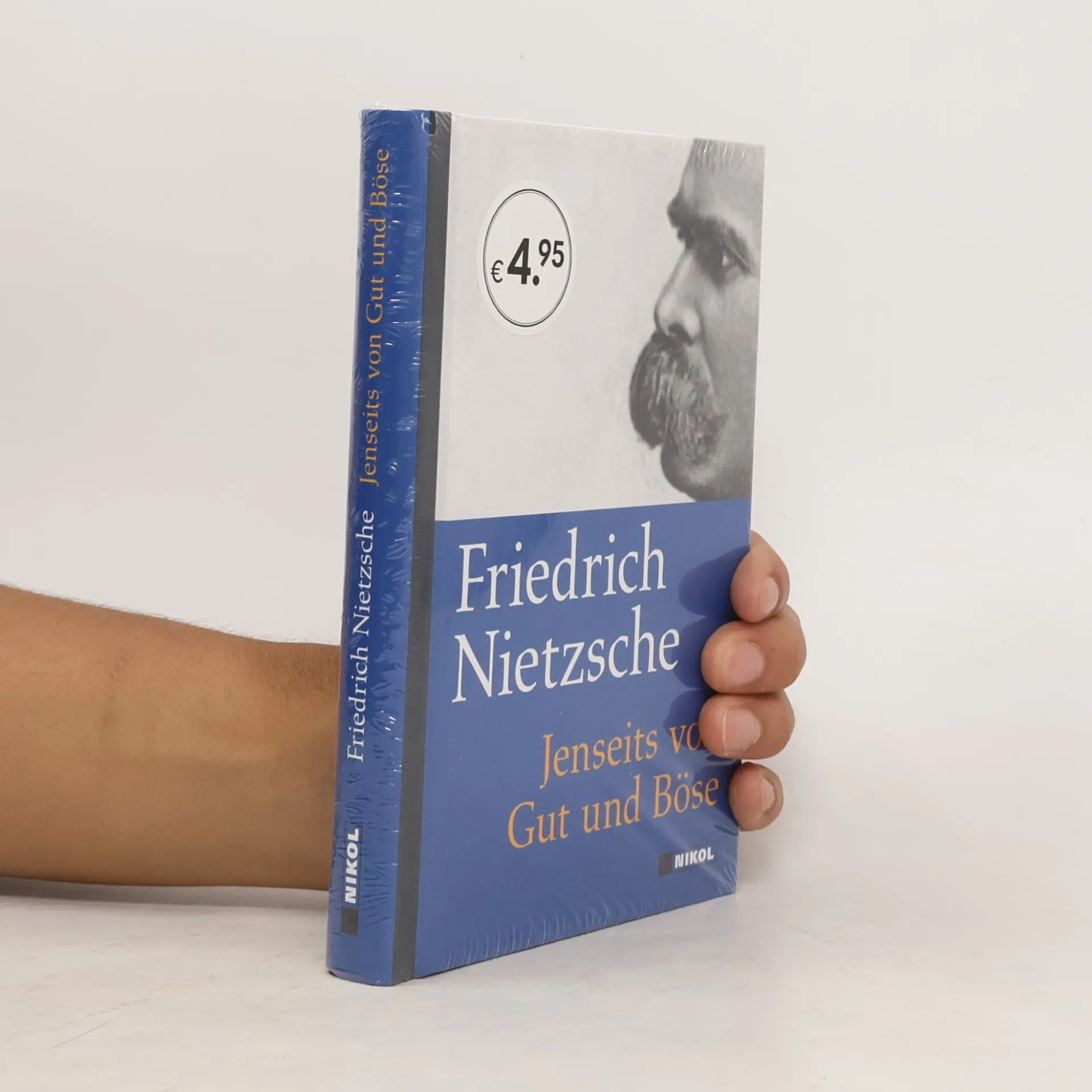
Friedrich Nietzsche ist einer der wirkungsmächtigsten Philosophen deutscher Sprache. 'Jenseits von Gut und Böse' (1886) und die dazugehörige Streitschrift 'Zur Genealogie der Moral' (1887) bieten den idealen Einstieg in das Verständnis seiner Philosophie. Berühmt und berüchtigt zum Beispiel seine Theorie vom 'Willen zur Macht' oder die Unterscheidung zwischen 'Herren- und Sklavenmoral', die hier in ihrem ursprünglichen Kontext erscheinen: als Bestandteile einer sogenannten 'Philosophie der Zukunft', die von ihrer Kraft, Sprachbrillanz und Faszination bis heute nichts verloren hat.
The author of "Social Security and Its Discontents" now maintains that the Bush administration, Congress, and large parts of the Republican Party and the conservative movement have abandoned traditional conservative ideals and embraced the idea of big government.
The collection showcases Michael Tanner's deep understanding of nature, particularly the geology and ecology of his homeland. His poems express a profound appreciation for the landscape and its creatures while highlighting the troubling relationship between humanity and the natural world. A sense of menace pervades the work, reflecting Tanner's disgust for humanity's neglectful impact on the environment, encapsulated in his poignant critique of the Anthropocene era.
Reach for the stars in this exciting graphic novel about three ambitious, space-loving kids who must put their differences aside to save their summer camp before it closes...for good.
A complete study of the American prodigy whose career seemed to be crashing as spectacularly as it had soared until relocating to England redeemed him. His streamlined seat and acute judgement of pace - validated by the innovative sectional timings of the author, a trailblazing advocate of their value to race analysis - inspired others.
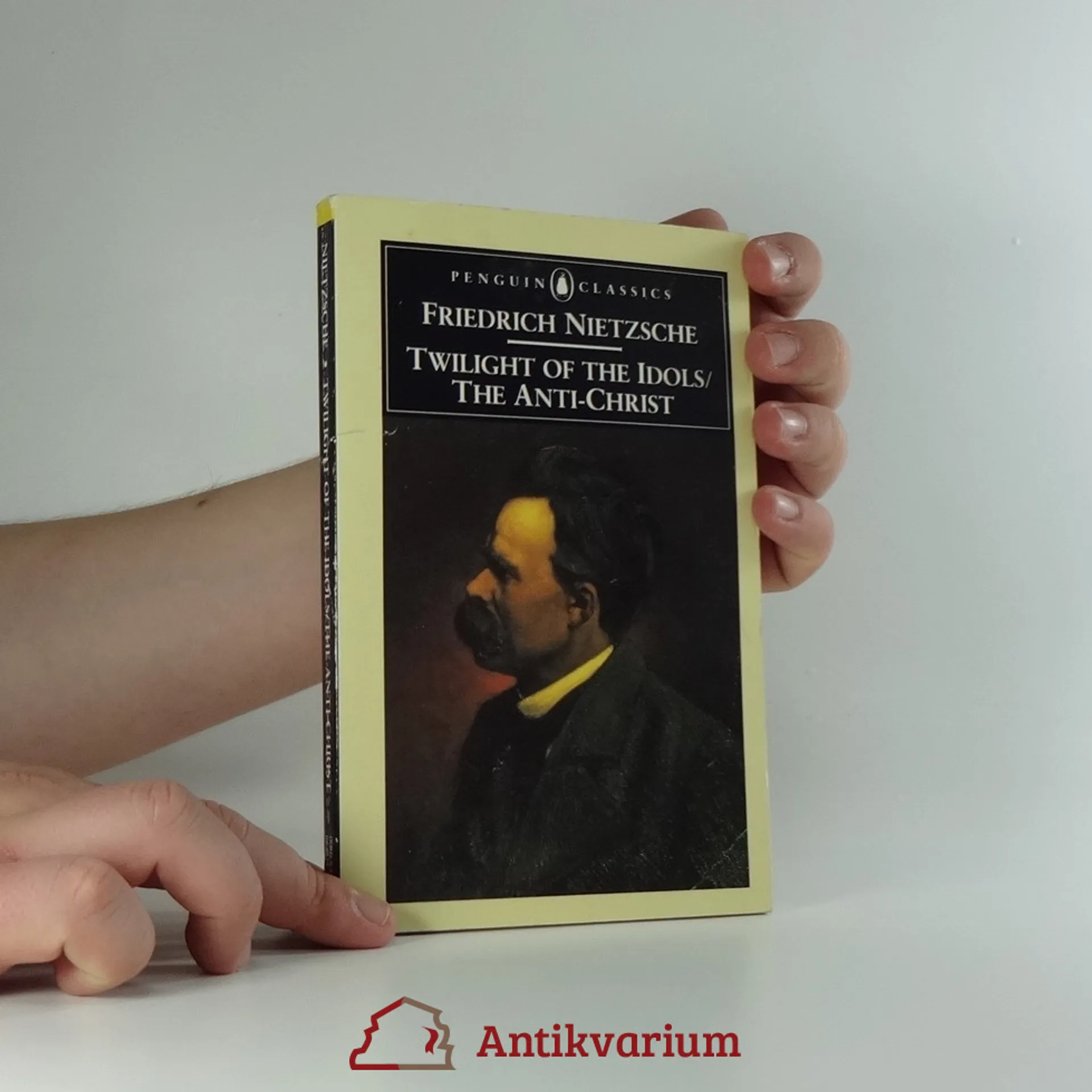
In 1888, the last sane year of his life Nietzsche produced these two brief but devastating books. Twilight of the Idols, 'a grand declaration of war' on all the prevalent ideas of his time, offers a lightning tour of his whole philosophy. It also prepares the way for The Anti-Christ, a final assault on institutional Christianity. Yet although Nietzsche makes a compelling case for the 'Dionysian' artist and celebrates magnificently two of his great heroes, Goethe and Cesare Borgia, he also gives a moving, almost ecstatic portrait of his only worthy opponent: Christ. Both works show Nietsche lashing out at self-deception, astounded at how often morality is based on vengefulness and resentment. Both combine utterly unfair attacks on individuals with amazingly acute surveys of the whole contemporary cultural scene. Both reveal a profound understanding of human mean-spiritedness which still cannot destroy the underlying optimism of Nietzsche, the supreme affirmer among the great philosophers.
Quartet Encounters: The Sleepwalkers
- 648 Seiten
- 23 Lesestunden
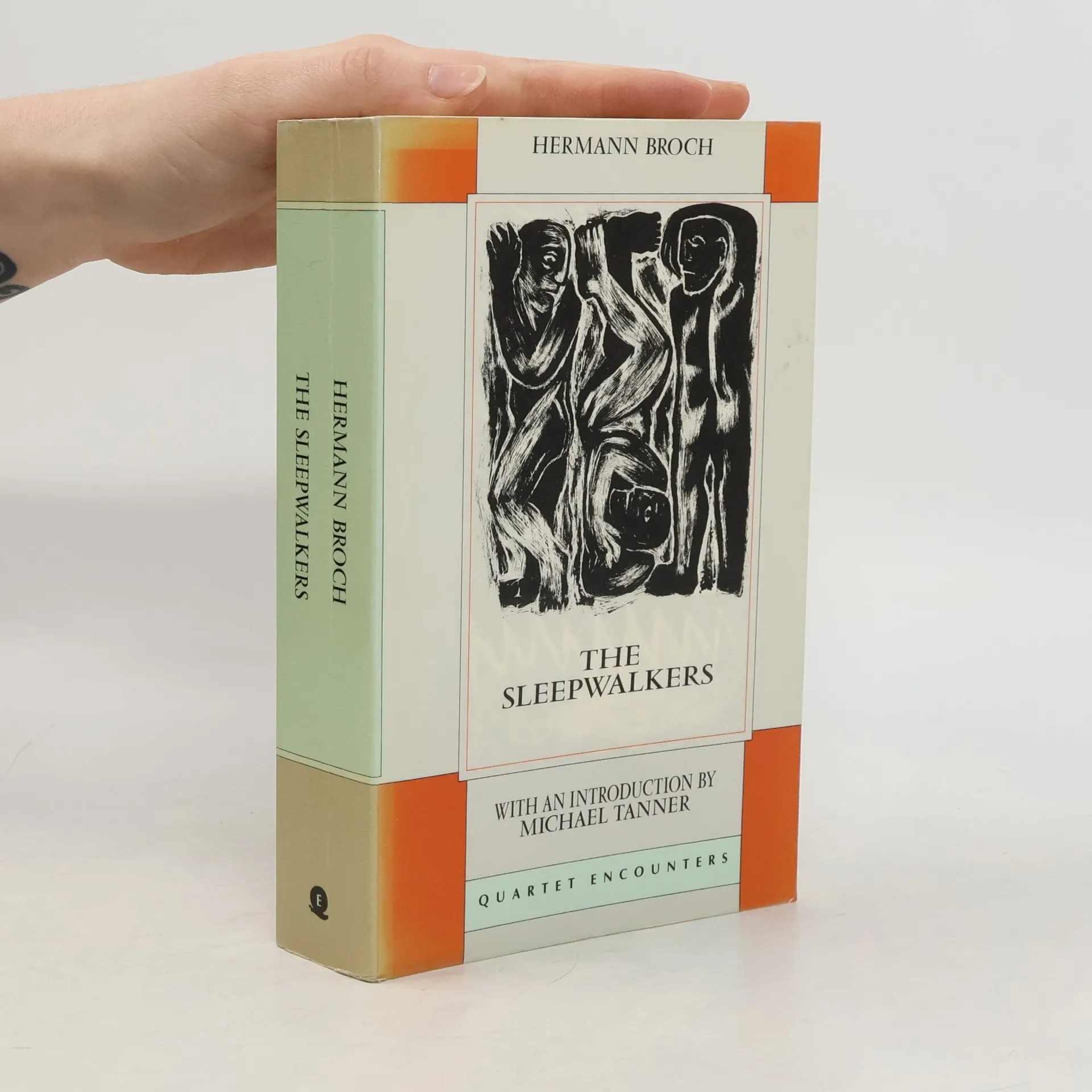
With his epic trilogy, The Sleepwalkers , Hermann Broch established himself as one of the great innovators of modern literature, a visionary writer-philosopher the equal of James Joyce, Thomas Mann, or Robert Musil. Even as he grounded his narratives in the intimate daily life of Germany, Broch was identifying the oceanic changes that would shortly sweep that life into the abyss. Whether he is writing about a neurotic army officer (The Romantic) , a disgruntled bookkeeper and would-be assassin (The Anarchist) , or an opportunistic war-deserter (The Realist) , Broch immerses himself in the twists of his characters' psyches, and at the same time soars above them, to produce a prophetic portrait of a world tormented by its loss of faith, morals, and reason.