Michael Tanner Reihenfolge der Bücher (Chronologisch)

Die beiden bedeutendsten Werke aus der späten Schaffensperiode Nietzsches
The author of "Social Security and Its Discontents" now maintains that the Bush administration, Congress, and large parts of the Republican Party and the conservative movement have abandoned traditional conservative ideals and embraced the idea of big government.
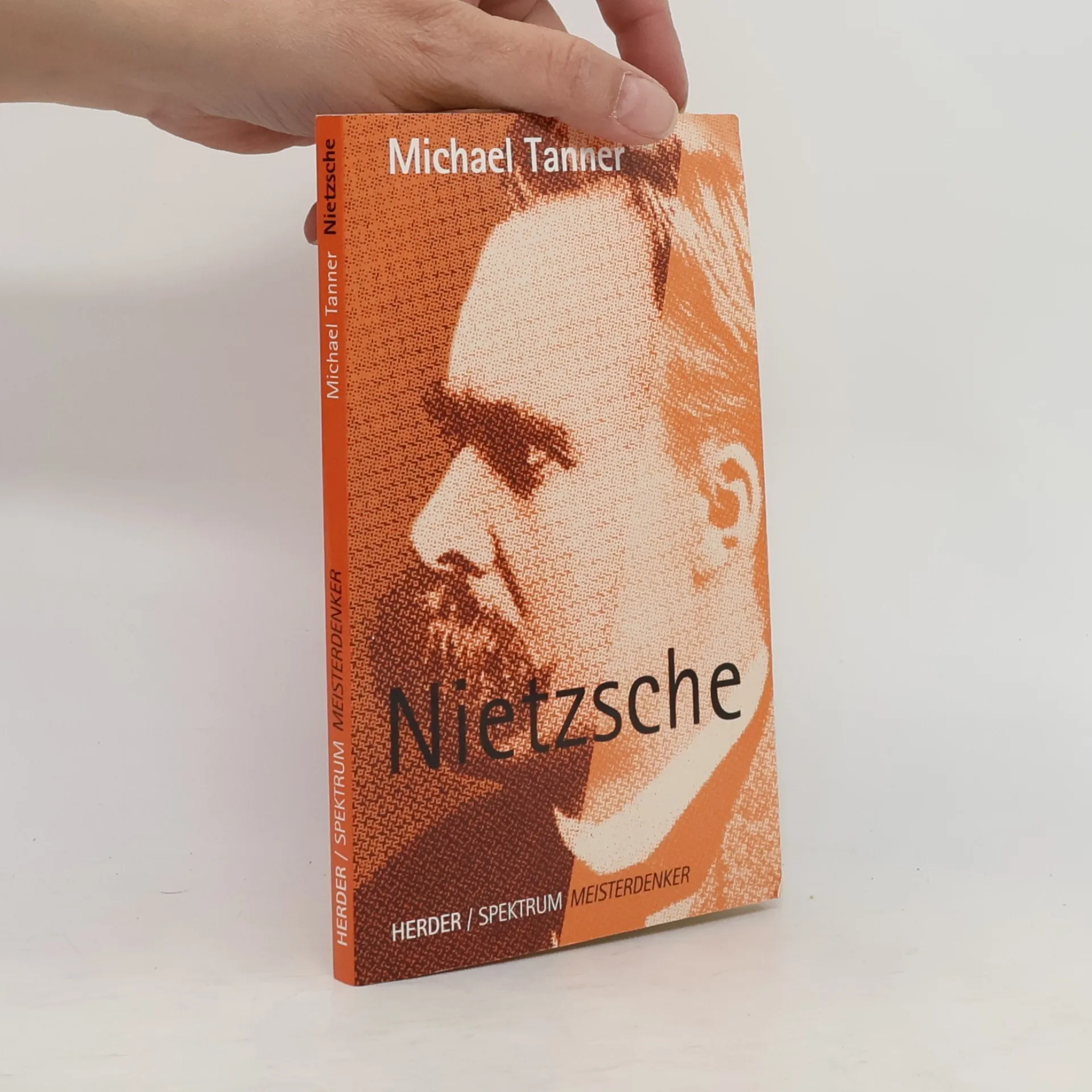
Friedrich Nietzsche wurde für viele Menschen aus unterschiedlichsten Denkrichtungen zur Leit- oder sogar Kultfigur. Sein radikales und bilderreiches Denken hat Irrationalisten ebenso fasziniert wie Analytiker. Eine bestens lesbare und ausgezeichnete Einführung in das Leben und die Schriften des großen Philosophen, der als „Erdbeben“ seiner Epoche und „größtes deutsches Sprachgenie seit Luther“ gilt.
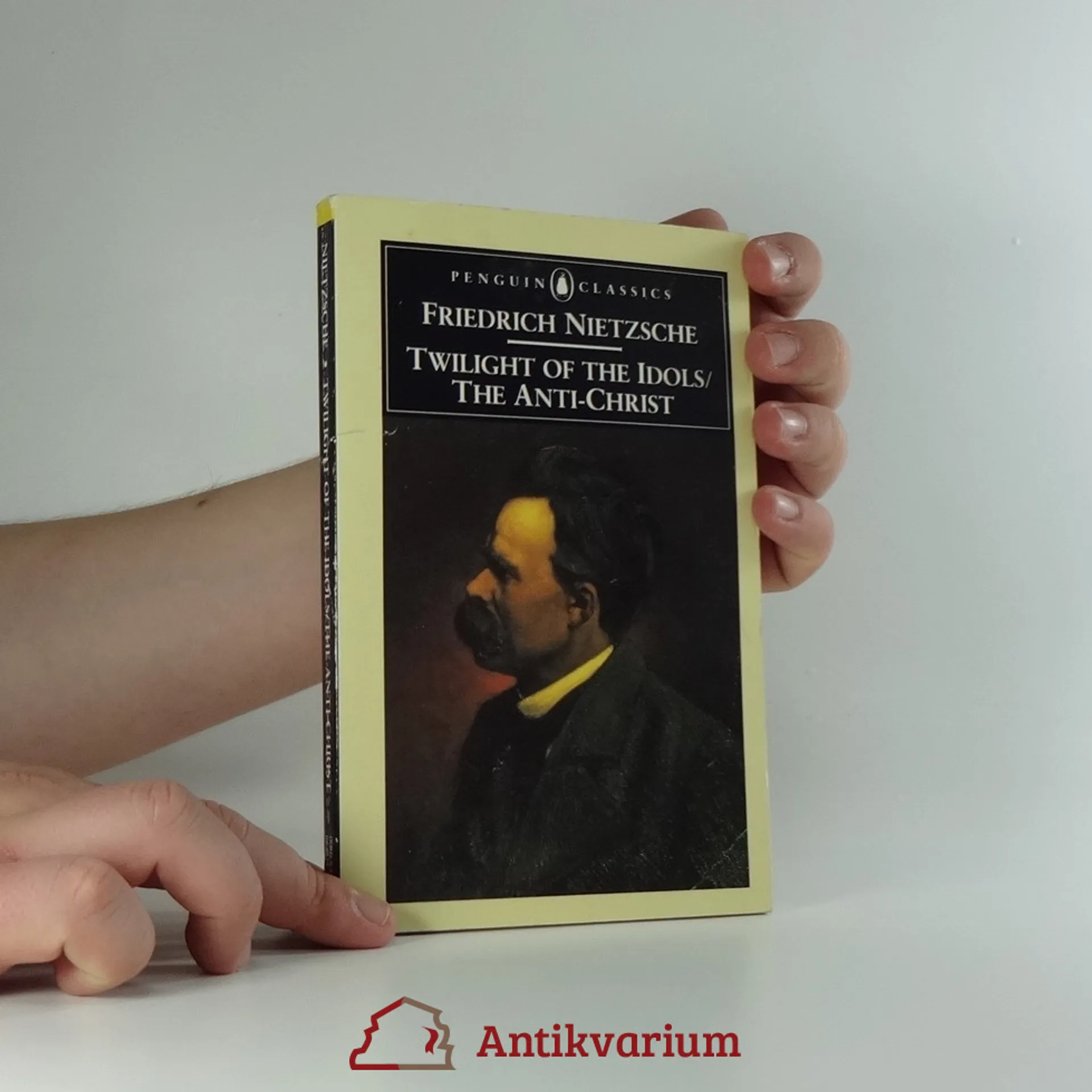
In 1888, the last sane year of his life Nietzsche produced these two brief but devastating books. Twilight of the Idols, 'a grand declaration of war' on all the prevalent ideas of his time, offers a lightning tour of his whole philosophy. It also prepares the way for The Anti-Christ, a final assault on institutional Christianity. Yet although Nietzsche makes a compelling case for the 'Dionysian' artist and celebrates magnificently two of his great heroes, Goethe and Cesare Borgia, he also gives a moving, almost ecstatic portrait of his only worthy opponent: Christ. Both works show Nietsche lashing out at self-deception, astounded at how often morality is based on vengefulness and resentment. Both combine utterly unfair attacks on individuals with amazingly acute surveys of the whole contemporary cultural scene. Both reveal a profound understanding of human mean-spiritedness which still cannot destroy the underlying optimism of Nietzsche, the supreme affirmer among the great philosophers.
Quartet Encounters: The Sleepwalkers
- 648 Seiten
- 23 Lesestunden
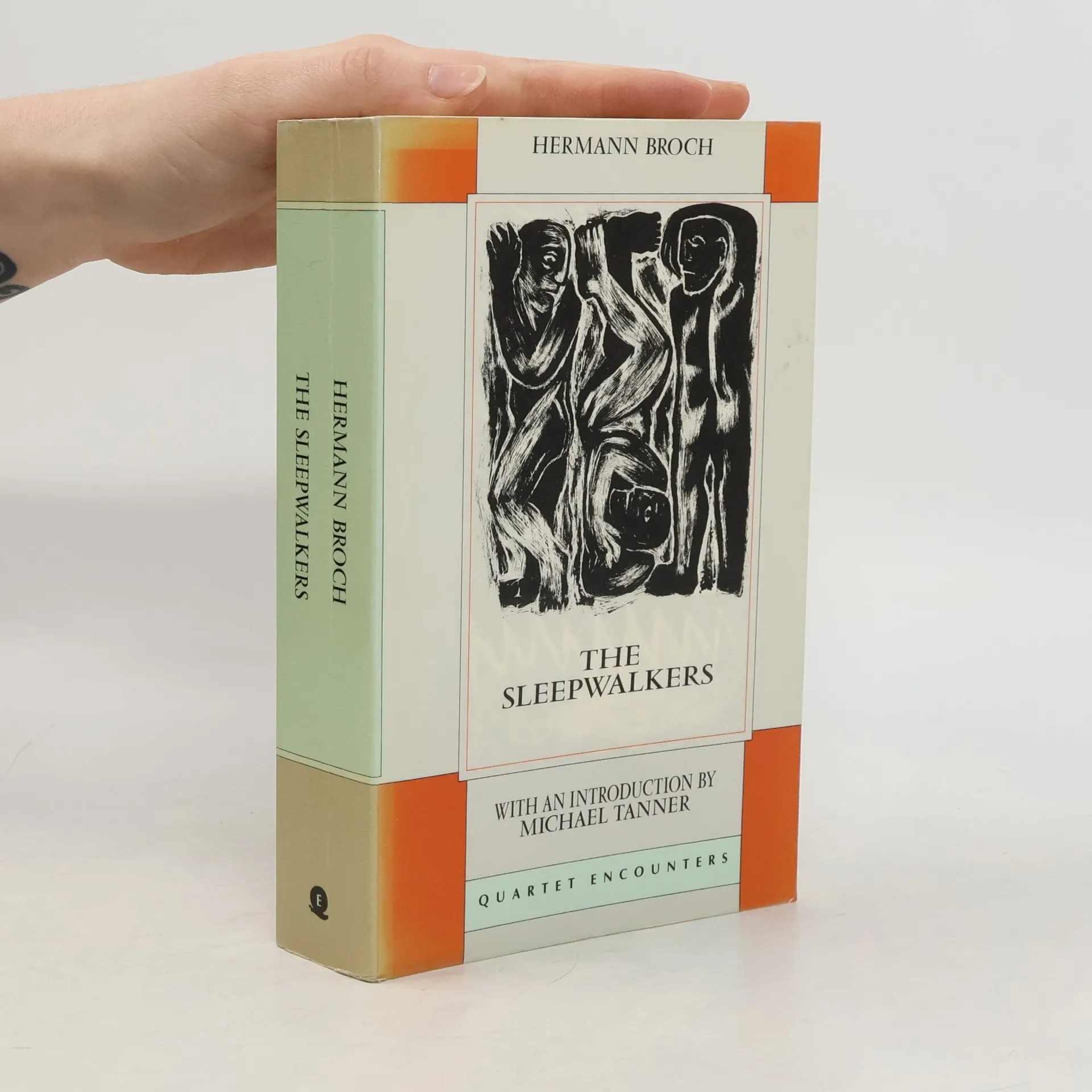
With his epic trilogy, The Sleepwalkers , Hermann Broch established himself as one of the great innovators of modern literature, a visionary writer-philosopher the equal of James Joyce, Thomas Mann, or Robert Musil. Even as he grounded his narratives in the intimate daily life of Germany, Broch was identifying the oceanic changes that would shortly sweep that life into the abyss. Whether he is writing about a neurotic army officer (The Romantic) , a disgruntled bookkeeper and would-be assassin (The Anarchist) , or an opportunistic war-deserter (The Realist) , Broch immerses himself in the twists of his characters' psyches, and at the same time soars above them, to produce a prophetic portrait of a world tormented by its loss of faith, morals, and reason.
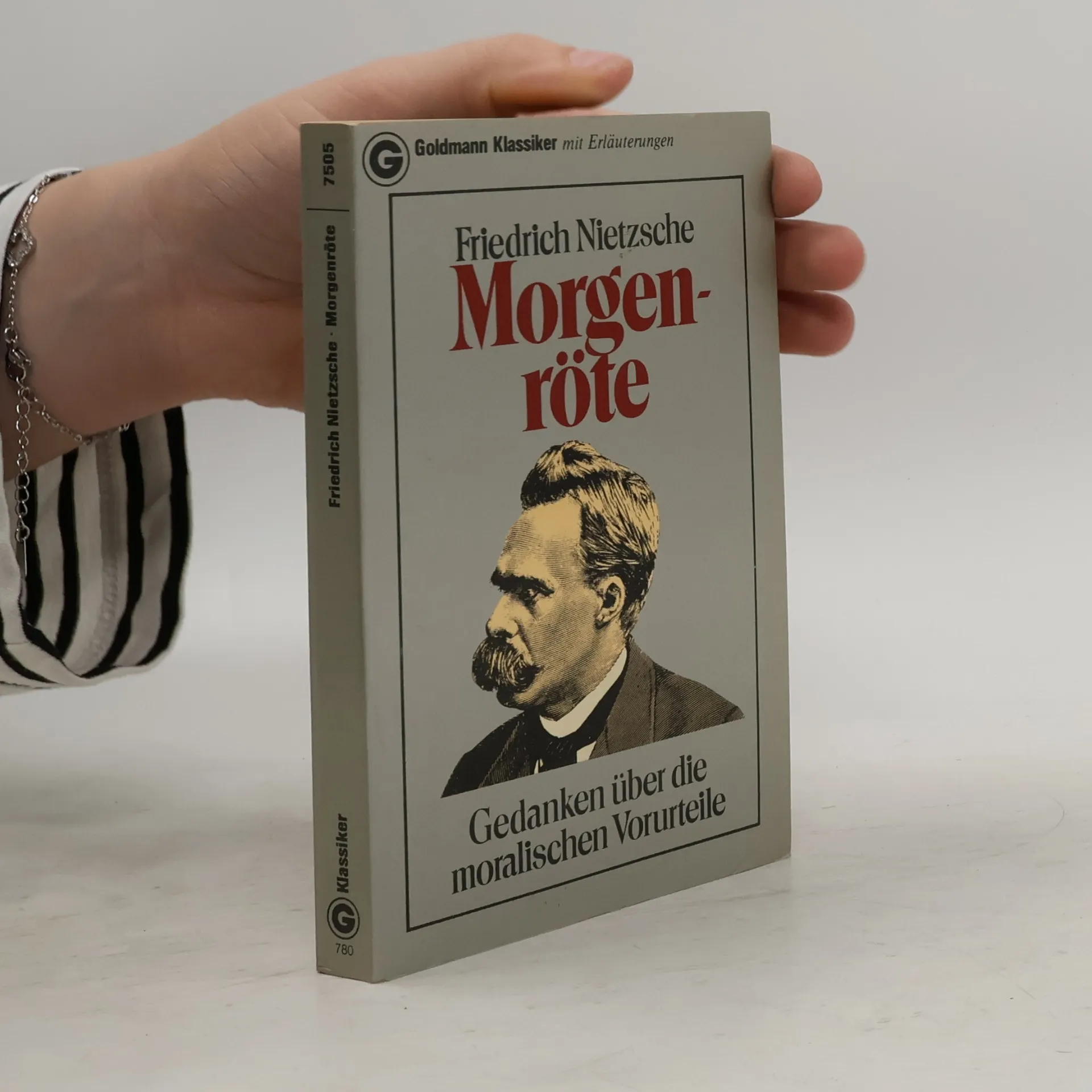
Morgenröte
- 344 Seiten
- 13 Lesestunden
1881 zum ersten Mal erschienen handelt es sich bei Morgenröthe. Gedanken über die moralischen Vorurtheile um ein philosophisches Werk Friedrich Nietzsches.