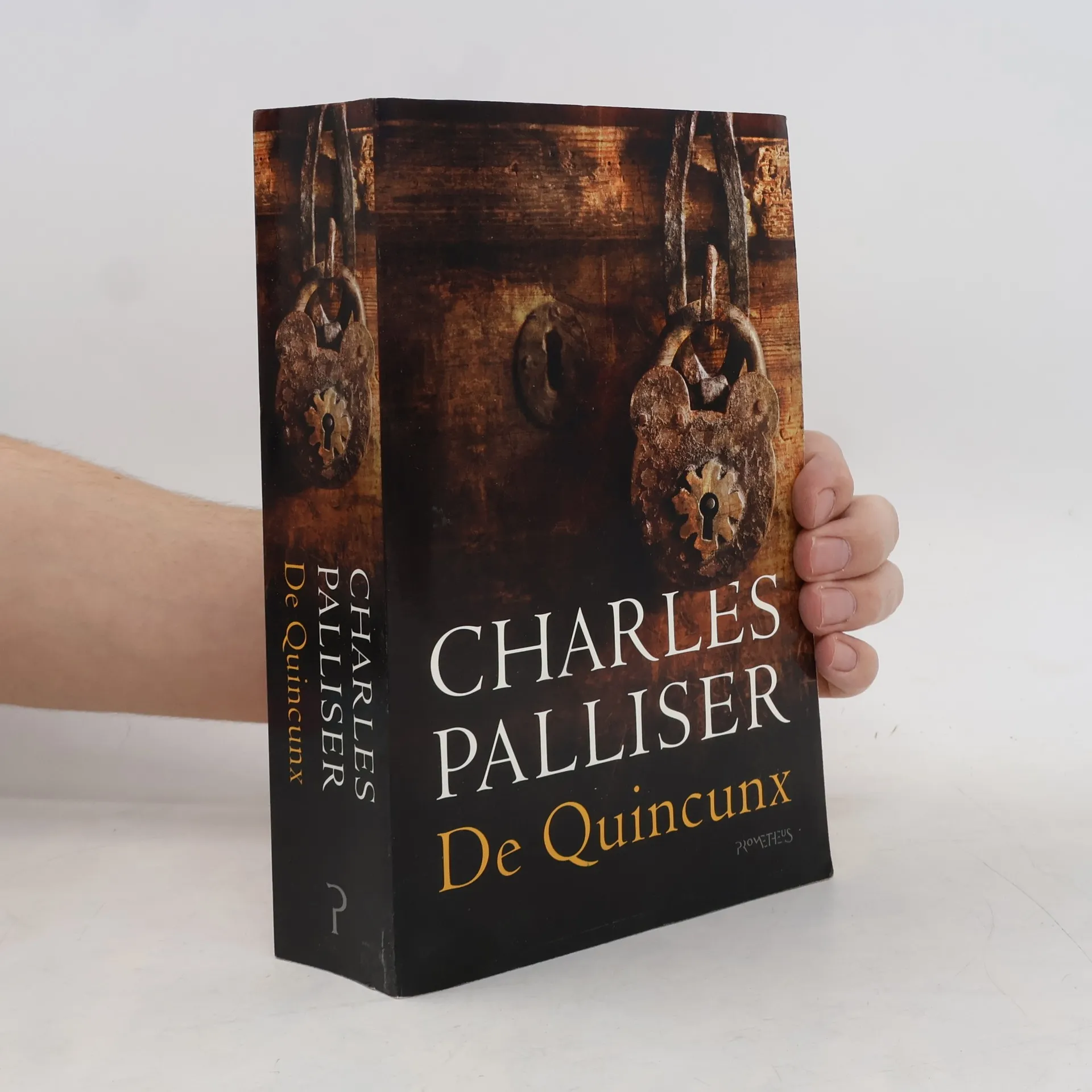
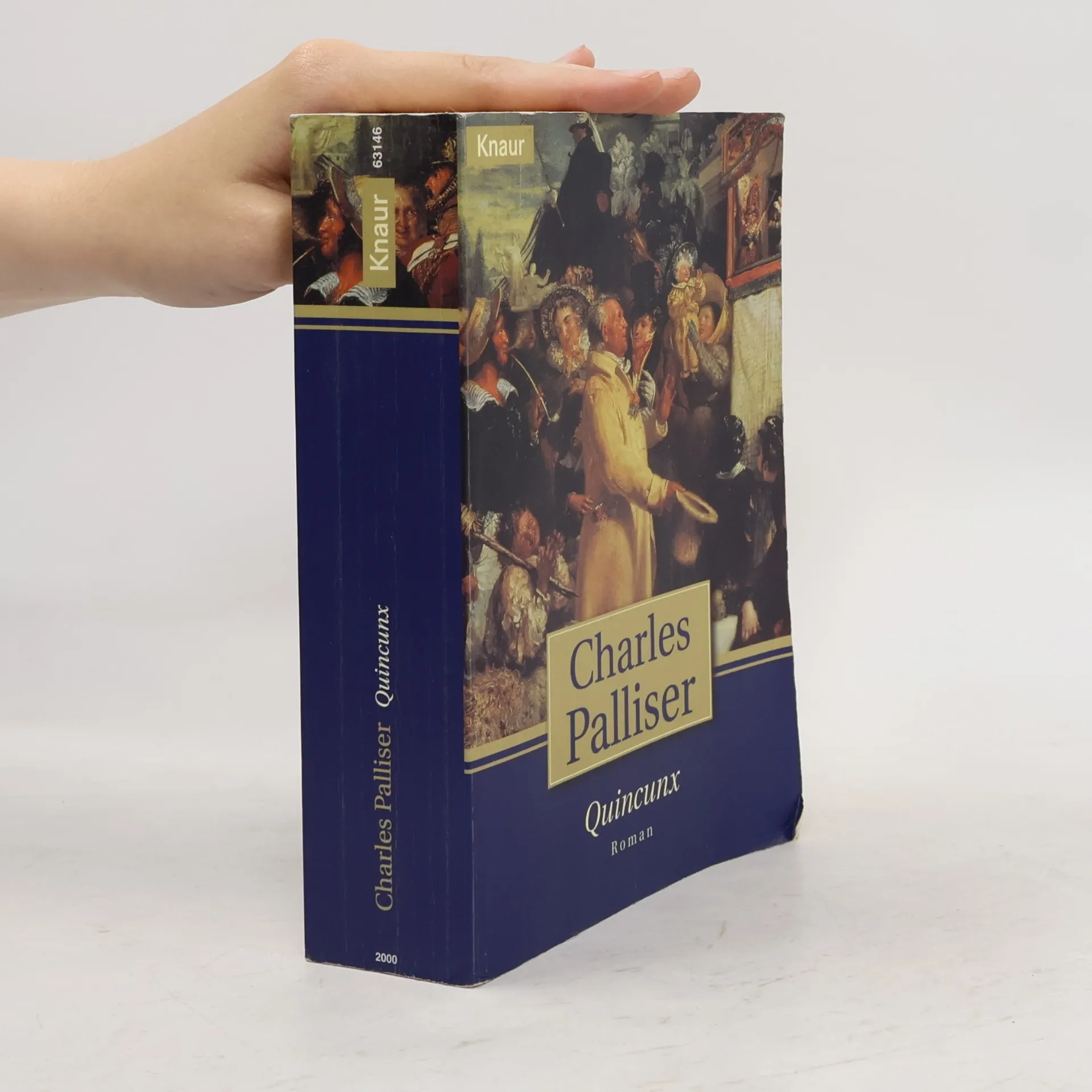
Quincunx
- 1004 Seiten
- 36 Lesestunden
John Huffam auf der Suche nach der Wahrheit über seine Herkunft. Eine spannende Abenteuergeschichte und gleichzeitig eine genaue Schilderung der Lebensverhältnisse im London um 1820.


Charles Palliser ist für seine meisterhafte Nutzung komplexer, oft verschlungener Erzählstrukturen bekannt, die den Leser in ausgefeilte Welten entführen. Sein Stil zeichnet sich durch tiefe Einblicke in die Charakterpsychologie und präzise Sprache aus, die die Atmosphäre vergangener Epochen evoziert. Seine Geschichten siedelt er in sorgfältig konstruierten historischen Kulissen an, wo er Themen wie Identität, Erinnerung und verborgene Wahrheiten erforscht. Pallisers Werke sind eine Einladung zu einer intellektuellen und emotionalen Reise, die die Grenzen zwischen Realität und Fiktion auslotet.


John Huffam auf der Suche nach der Wahrheit über seine Herkunft. Eine spannende Abenteuergeschichte und gleichzeitig eine genaue Schilderung der Lebensverhältnisse im London um 1820.
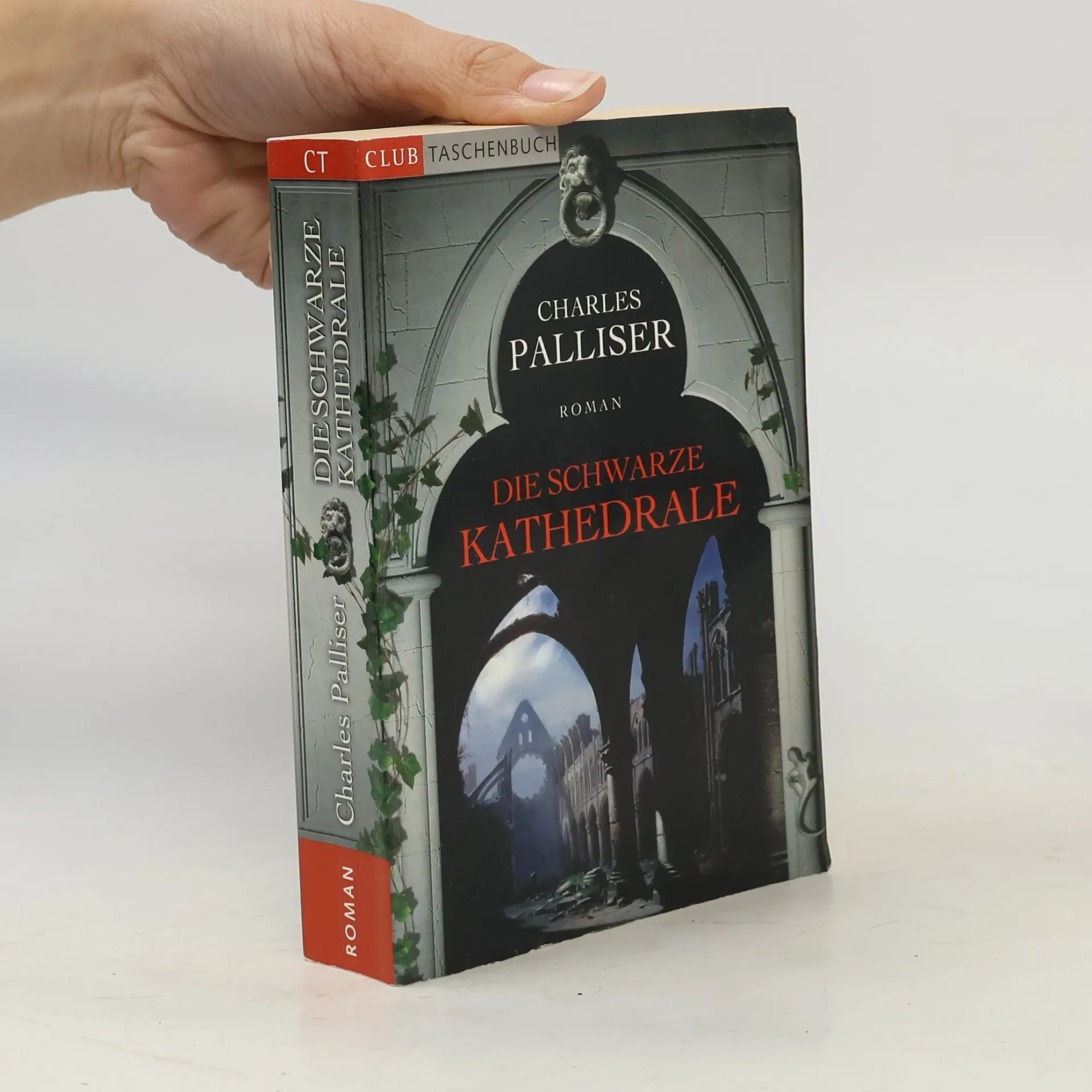
1881 wird in einer englischen Kleinstadt in der Kathedrale die Leiche eines lebendig eingemauerten Mannes gefunden. Eine Lawine verstörender Entdeckungen kommt ins Rollen: gefälschte Manuskripte, alte Blutfehden, Manipulationen - und dann auch noch ein Mord
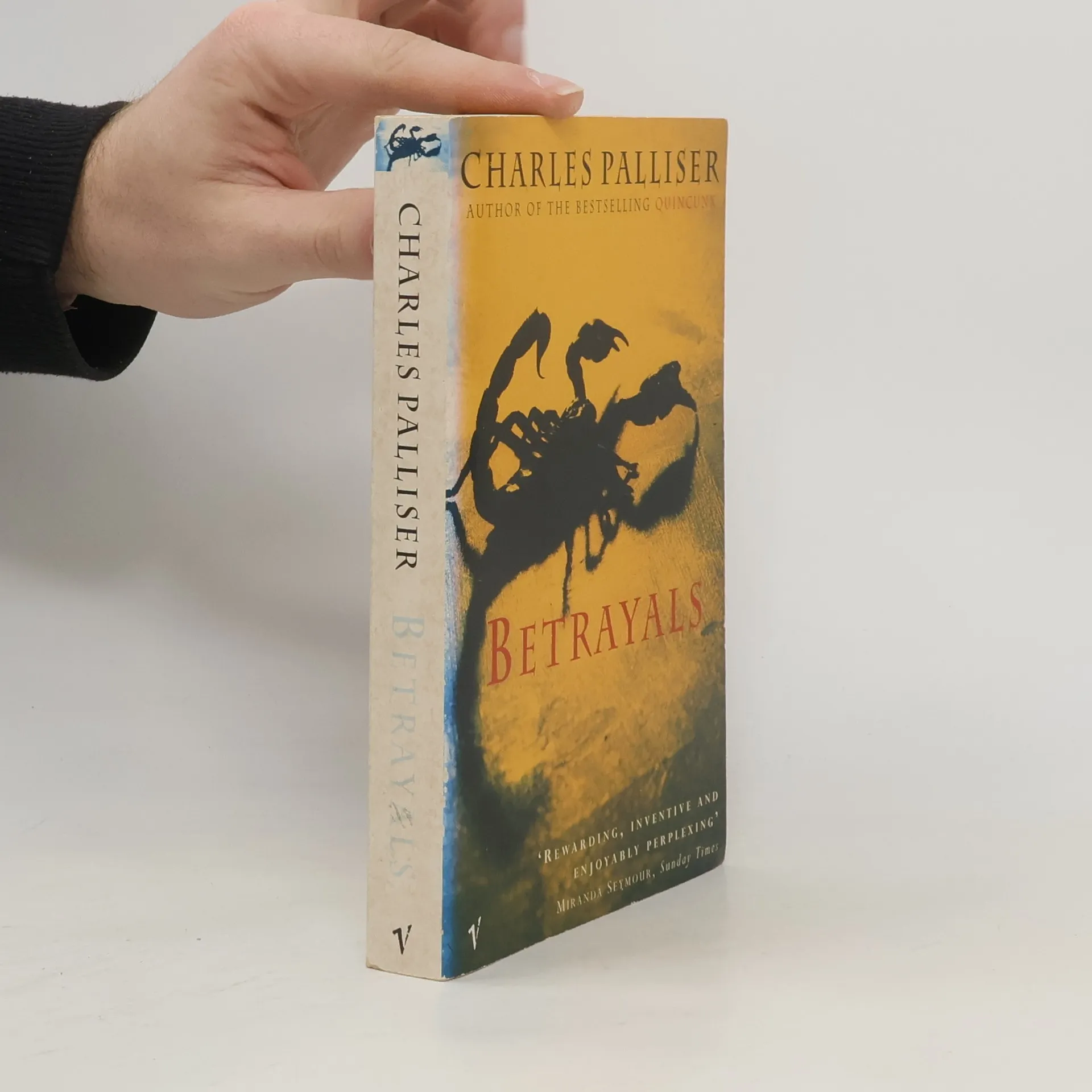
At once a hypnotic murder mystery, scathing literary parody, soap opera, and brilliant pastiche, this novel is a virtuoso performance by a modern master of literary gamesmanship in the tradition of Nabokov and Barth. It unfolds through seemingly unrelated narratives, each in a different style and genre. An obituary for a Scottish scientist reveals a colleague's relish for his death. Early in the century, a train in the Scottish Highlands derails during a snowstorm, leading to the death—or murder—of a passenger. An inept publisher's reader summarizes a tacky hospital romance that culminates in a gory murder reminiscent of Jack the Ripper. A report on a contemporary academic scandal spirals into plagiarism, shattered reputations, paranoia, and possible murder disguised as suicide. As the author teases out each situation, it becomes clear they all revolve around a common theme: a distinguished figure in an intellectual pursuit becomes obsessed with a rival's success and schemes their demise, only to fail due to their own monomania. Each plotter becomes a victim of their own machinations, and the betrayer often becomes the betrayed in a complex dance of deception, revenge, and revelation. This challenging, engrossing, and original work is a joy to read, filled with laughter, suspense, and the marvel of a cleverly constructed fictional puzzle.