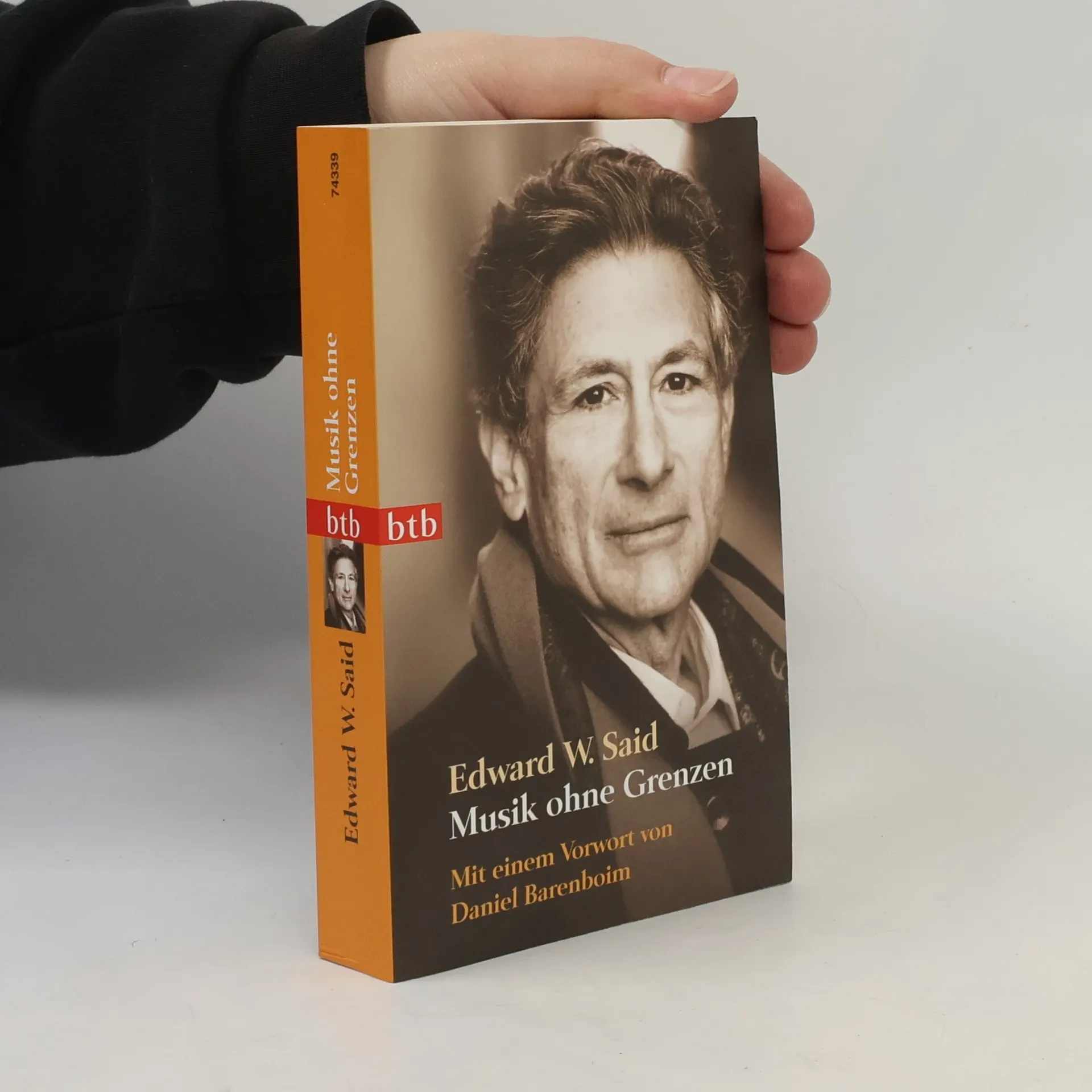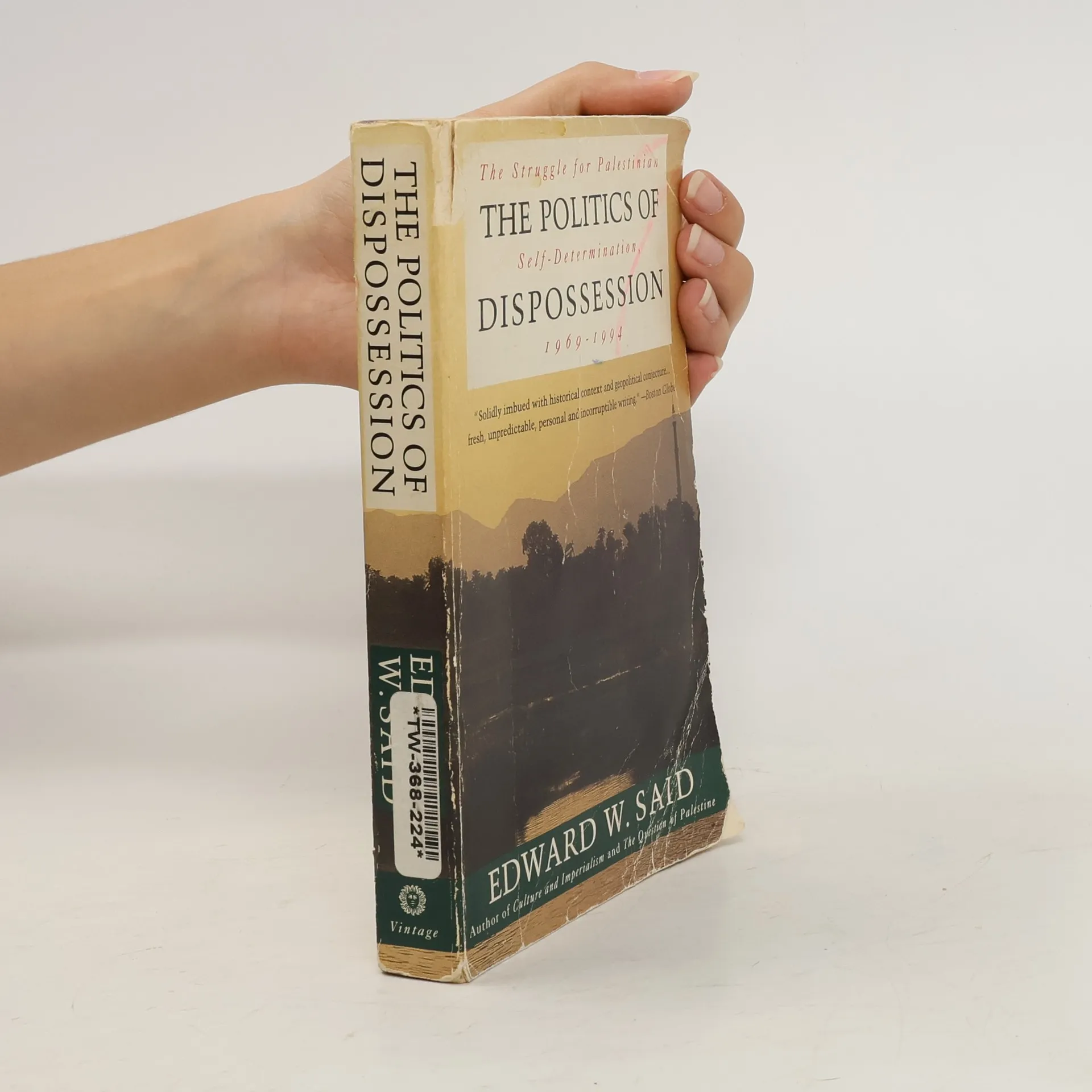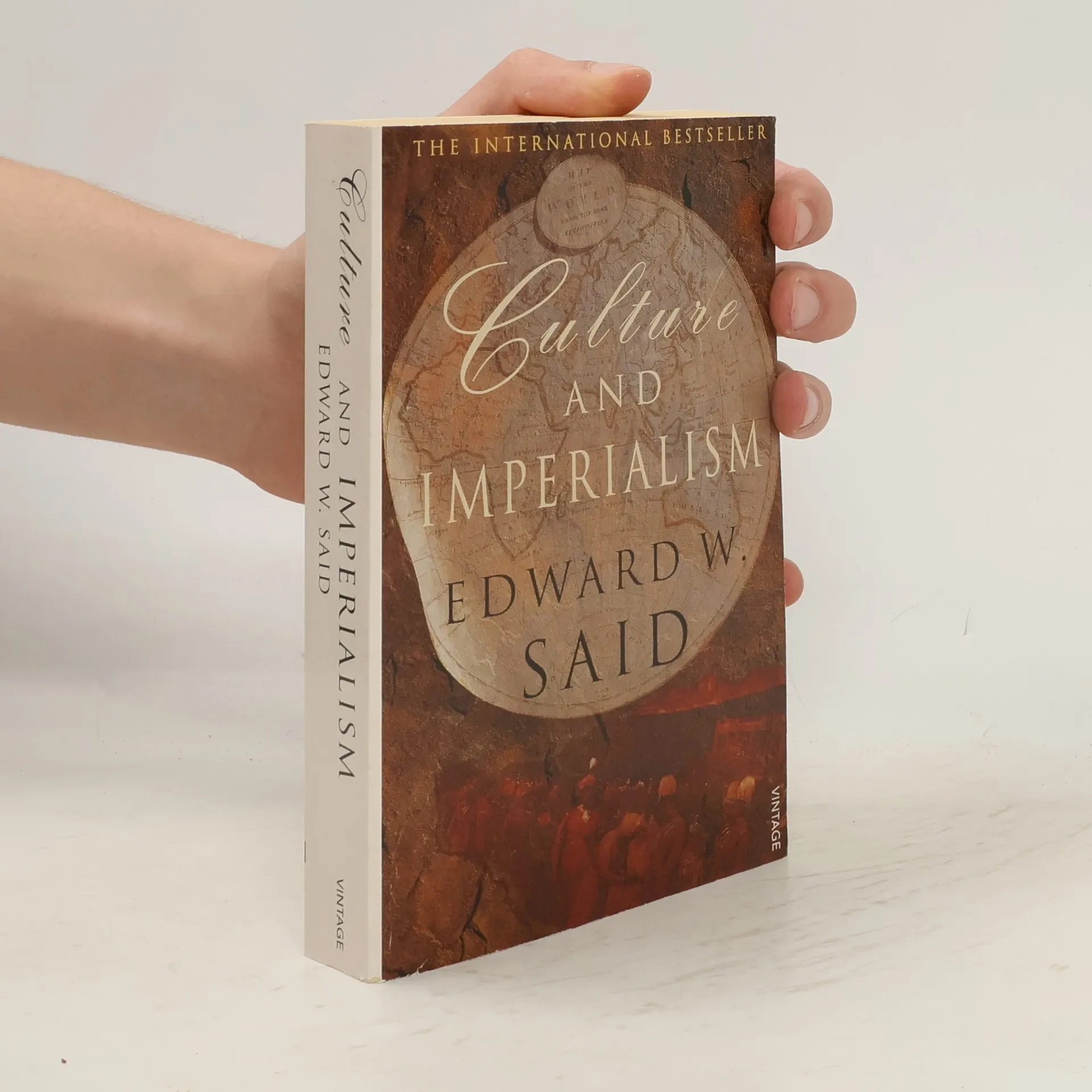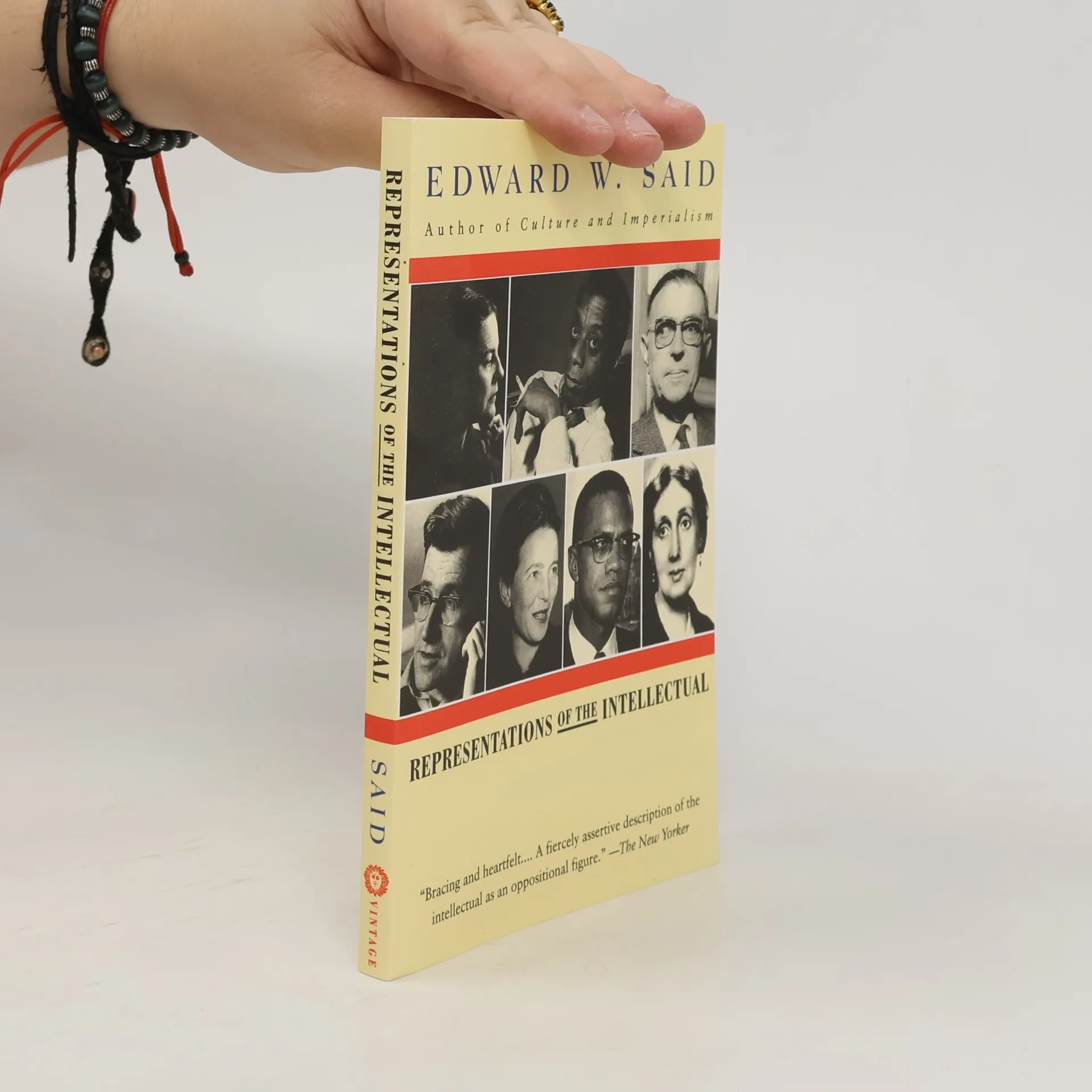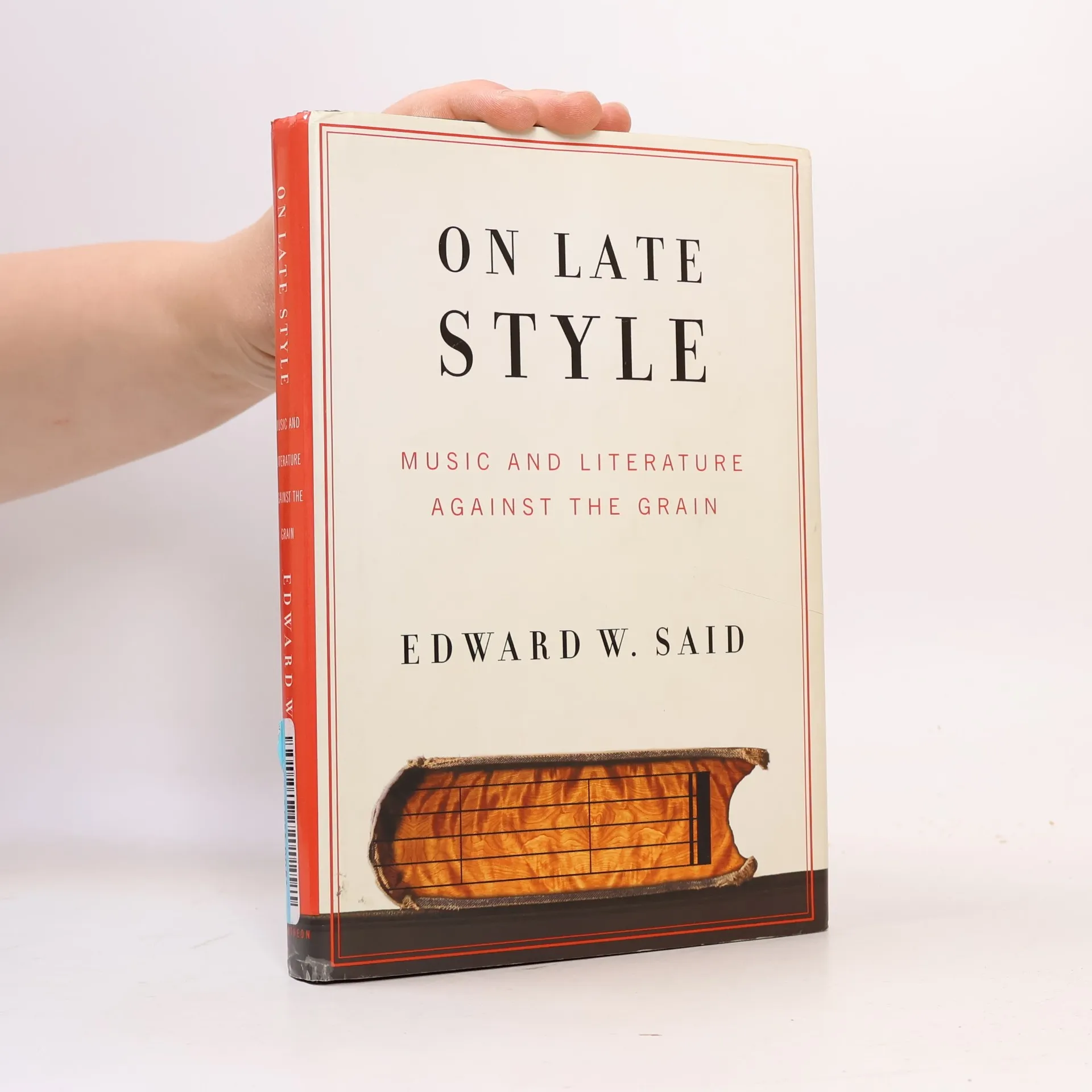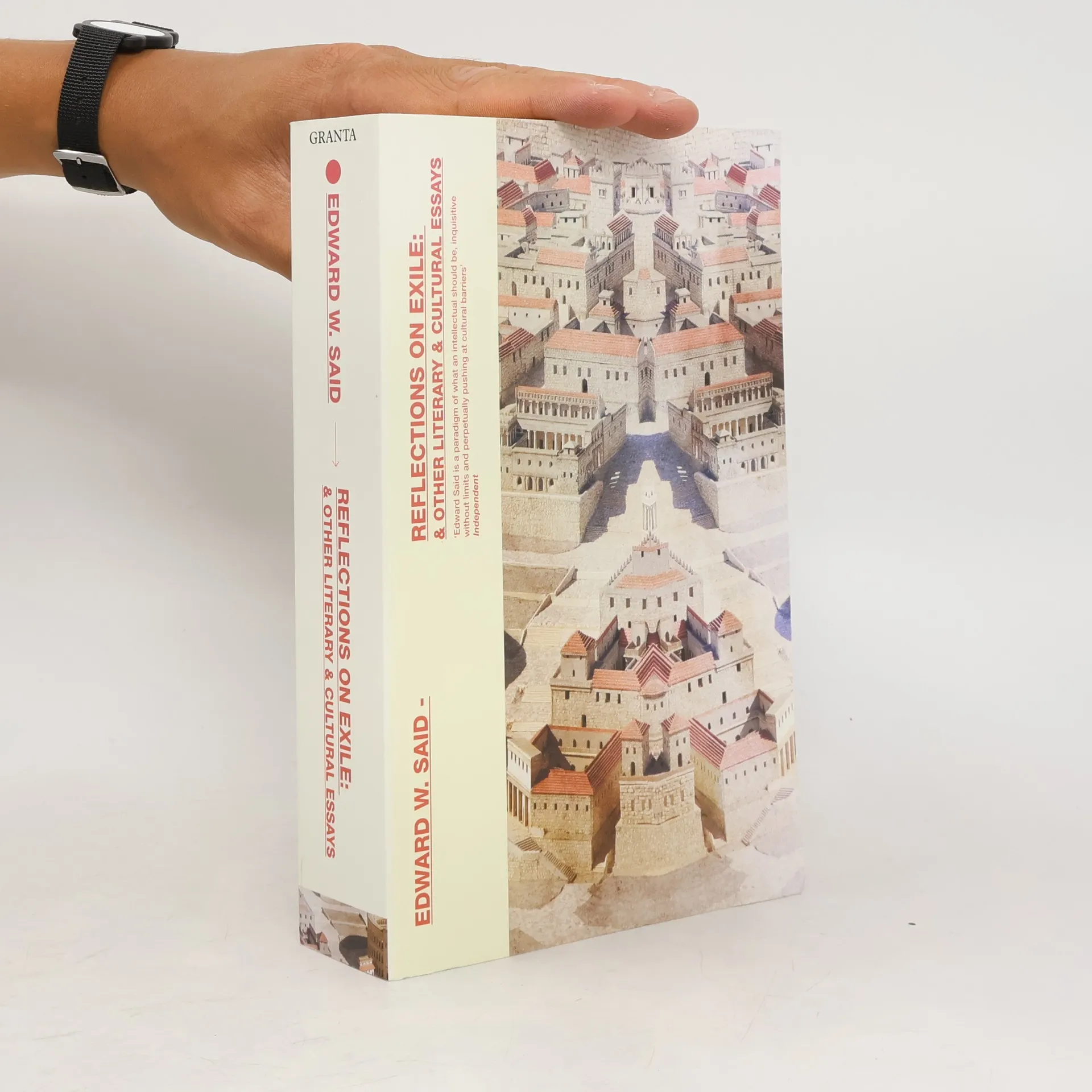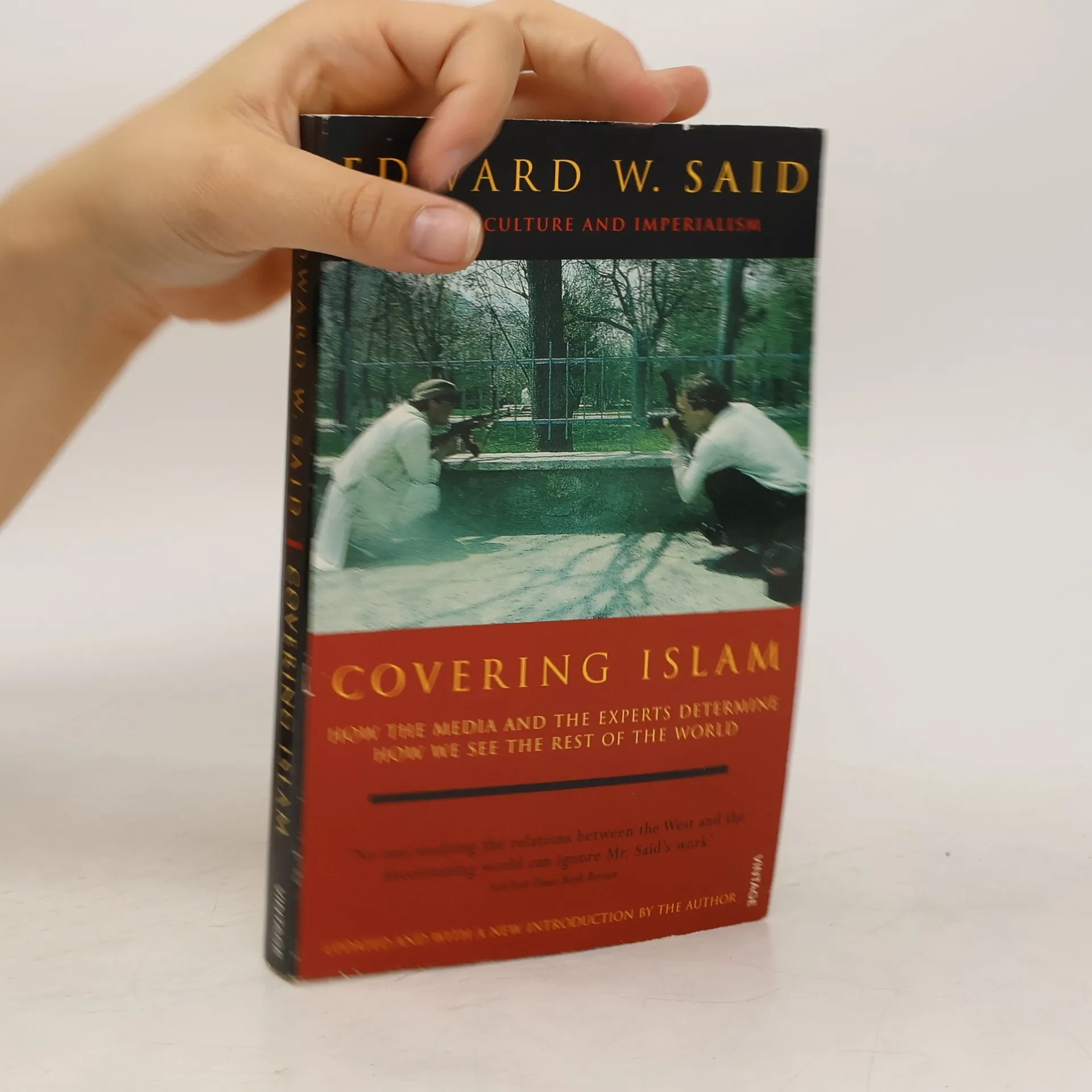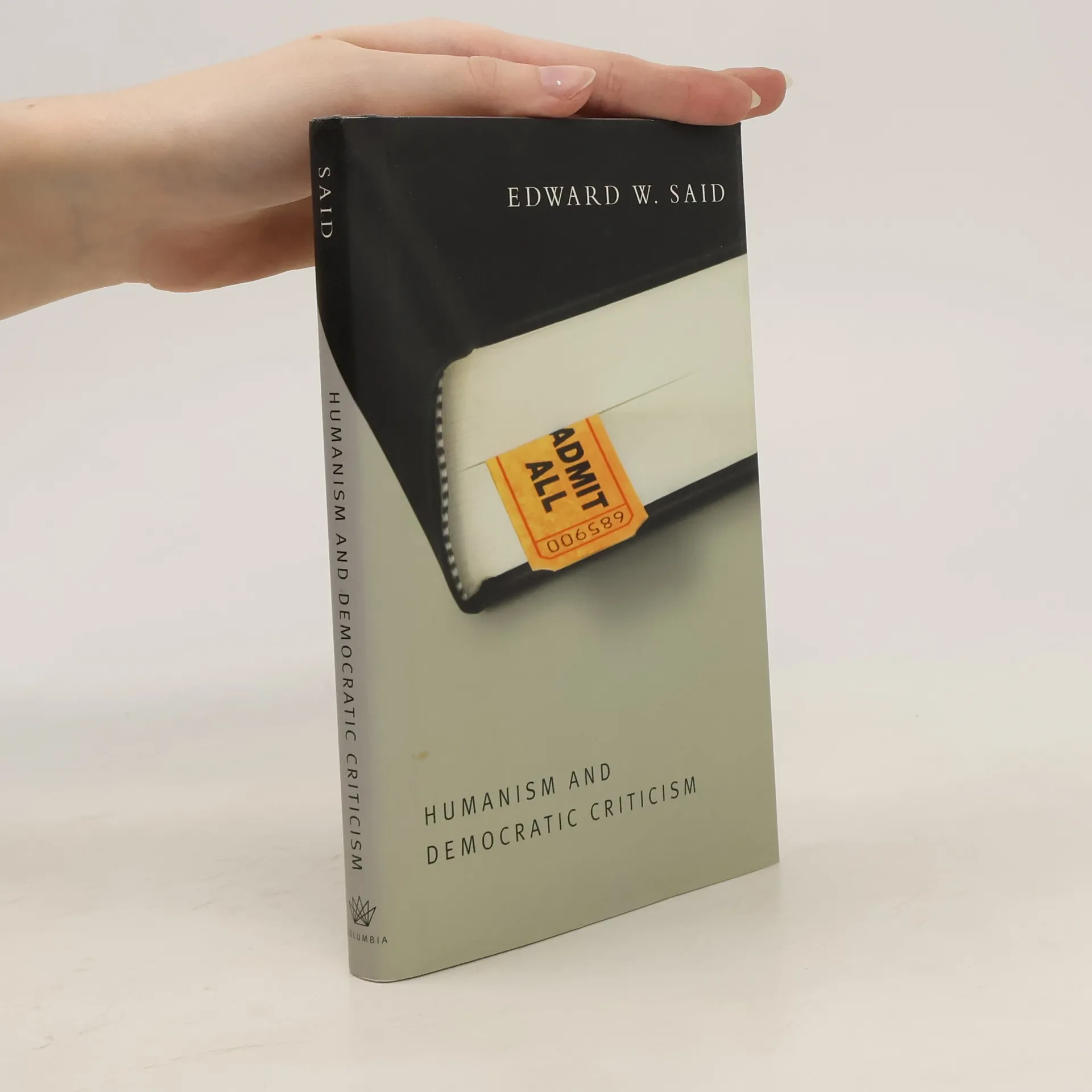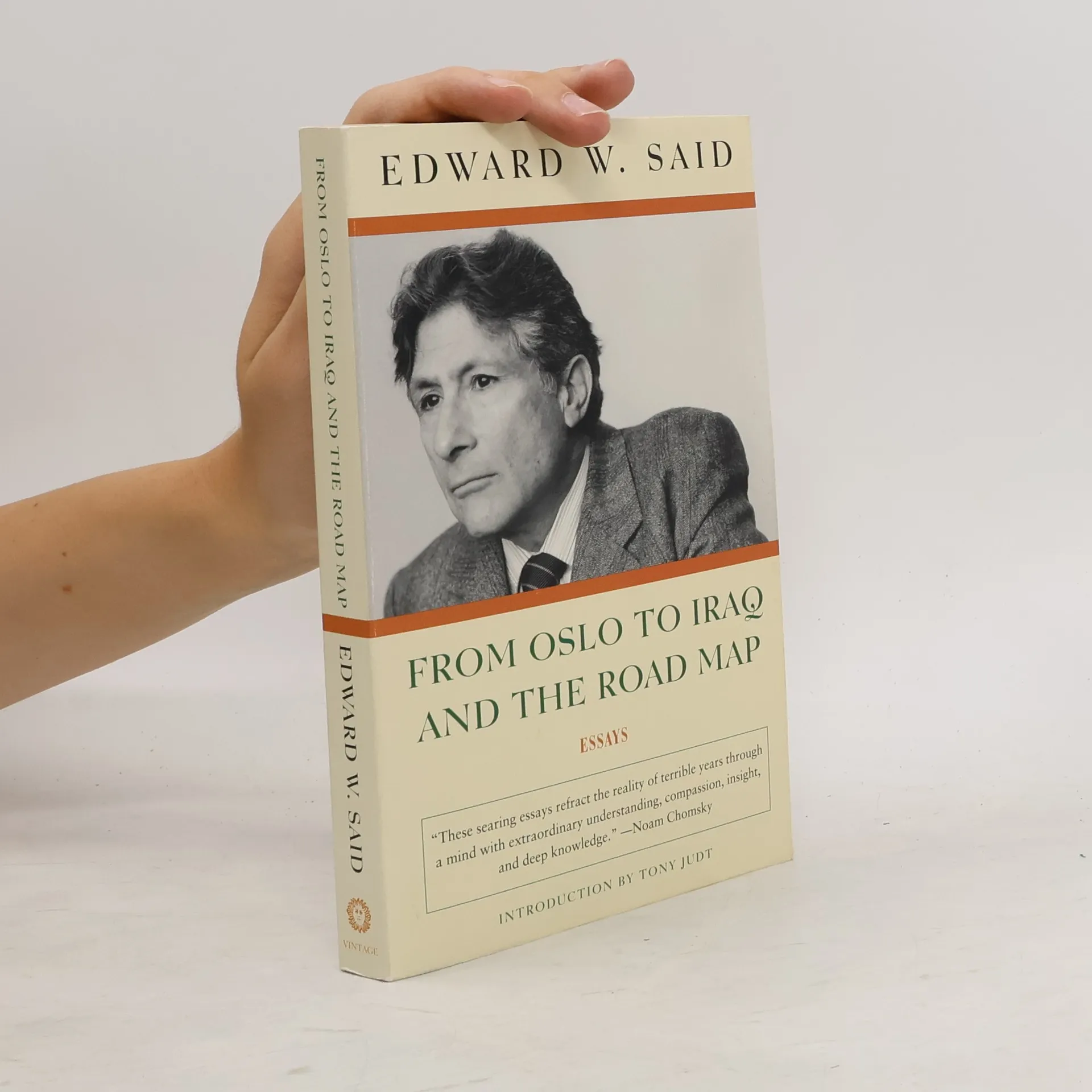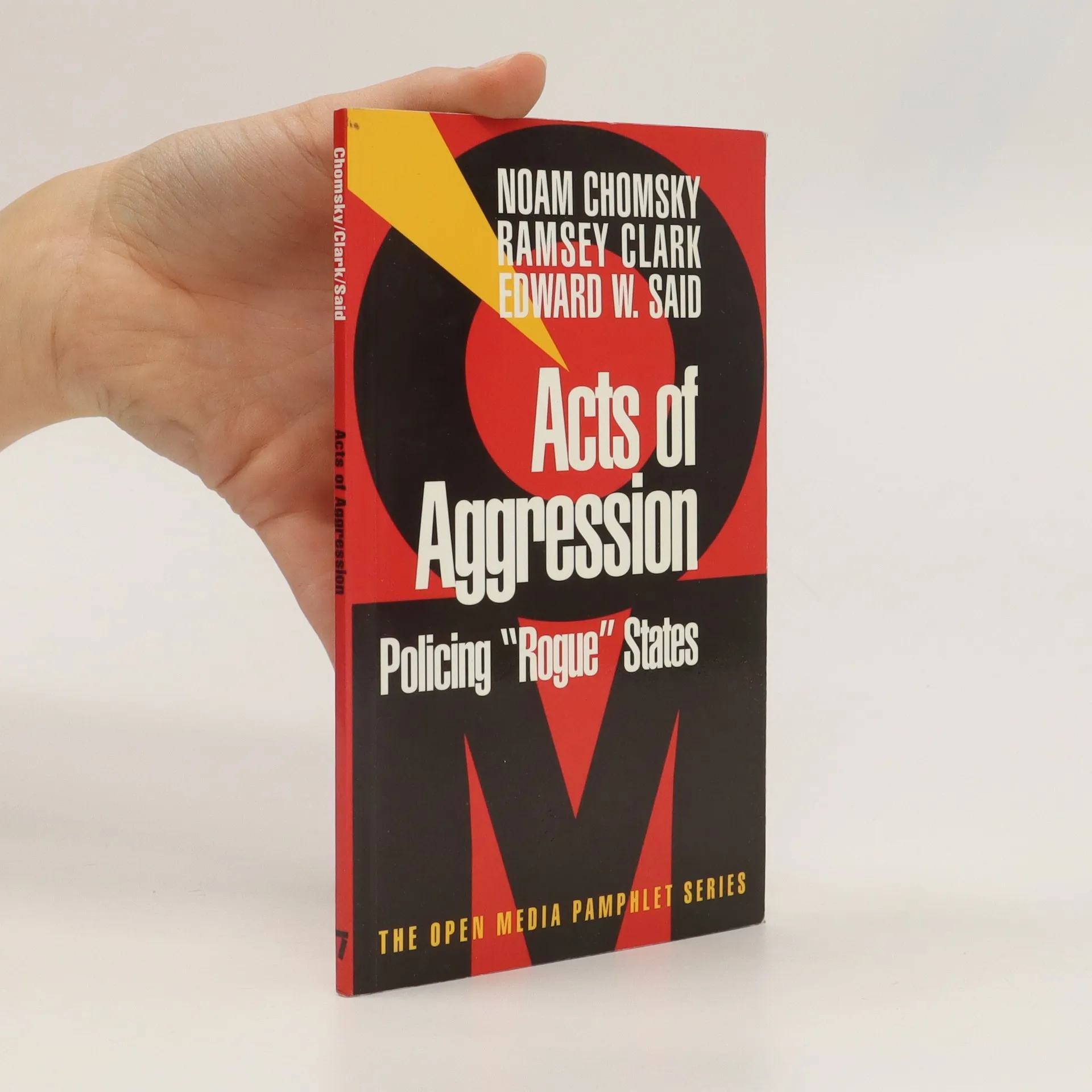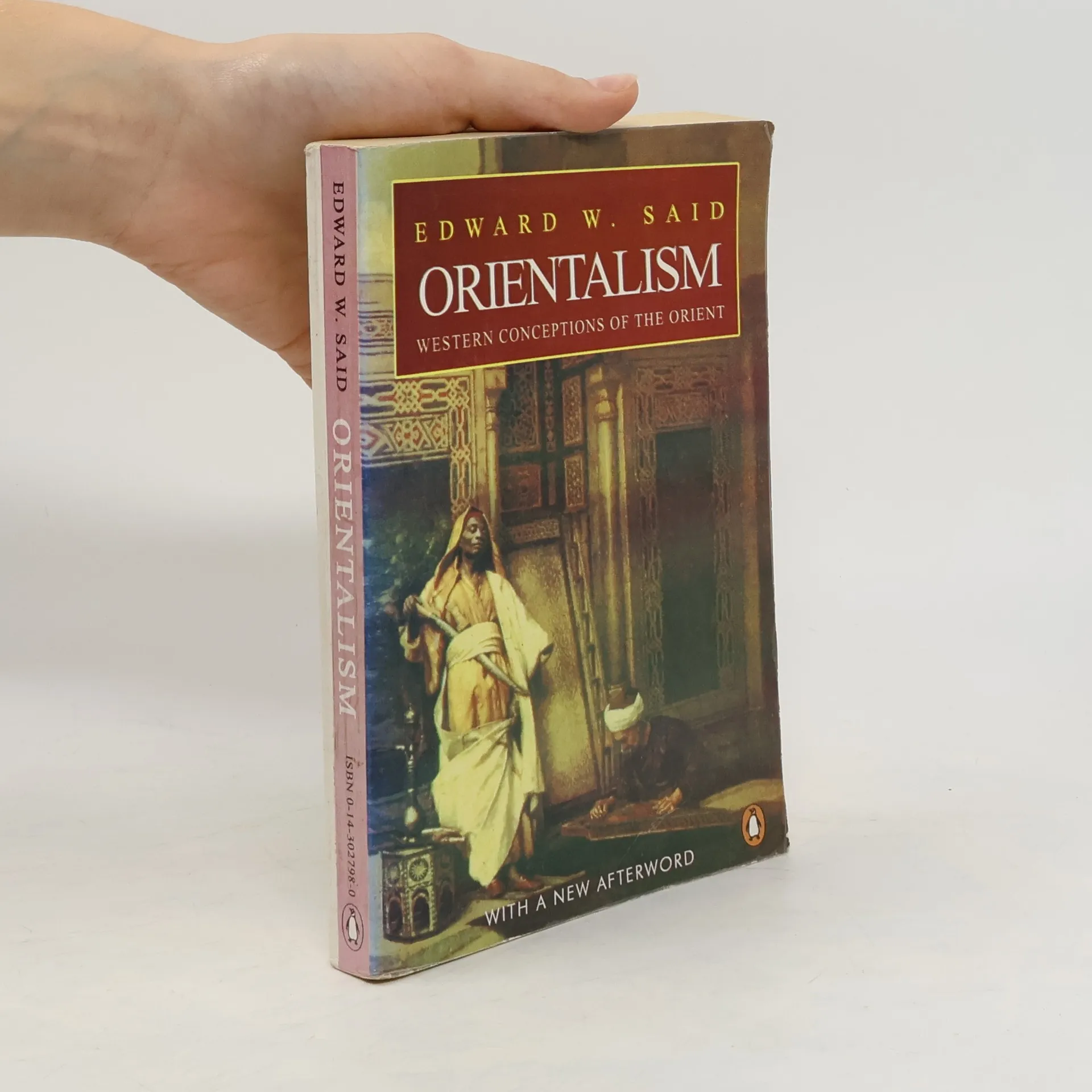
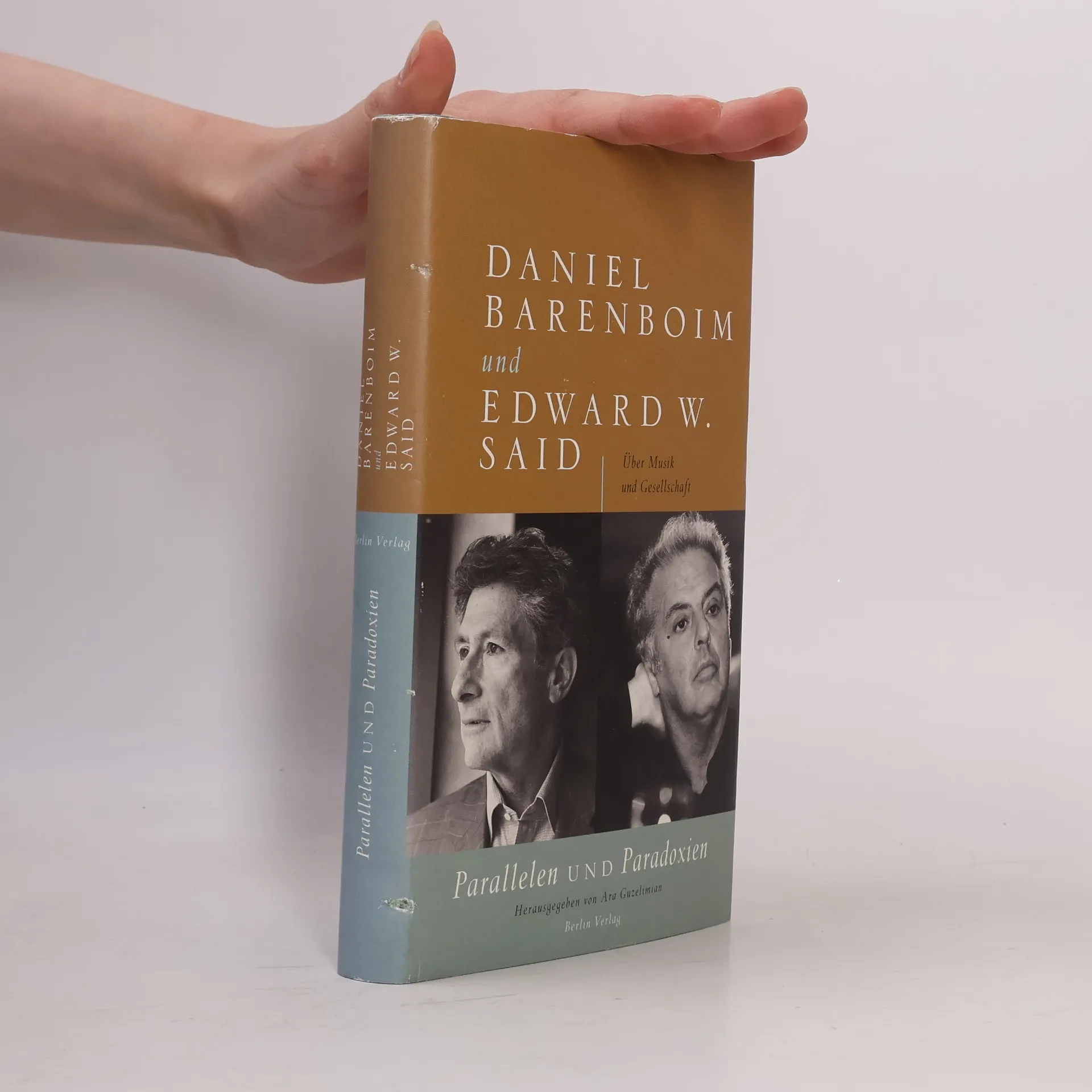
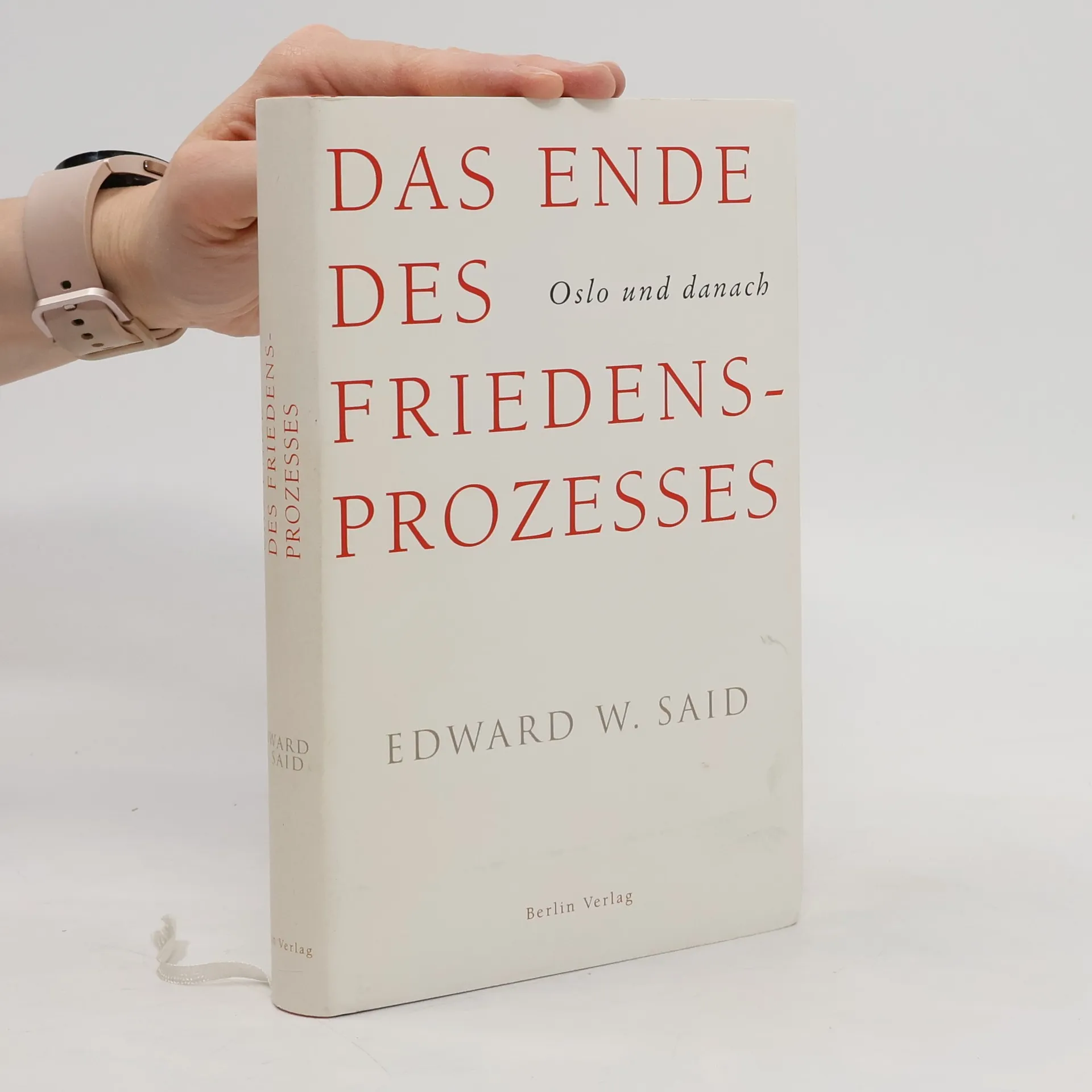
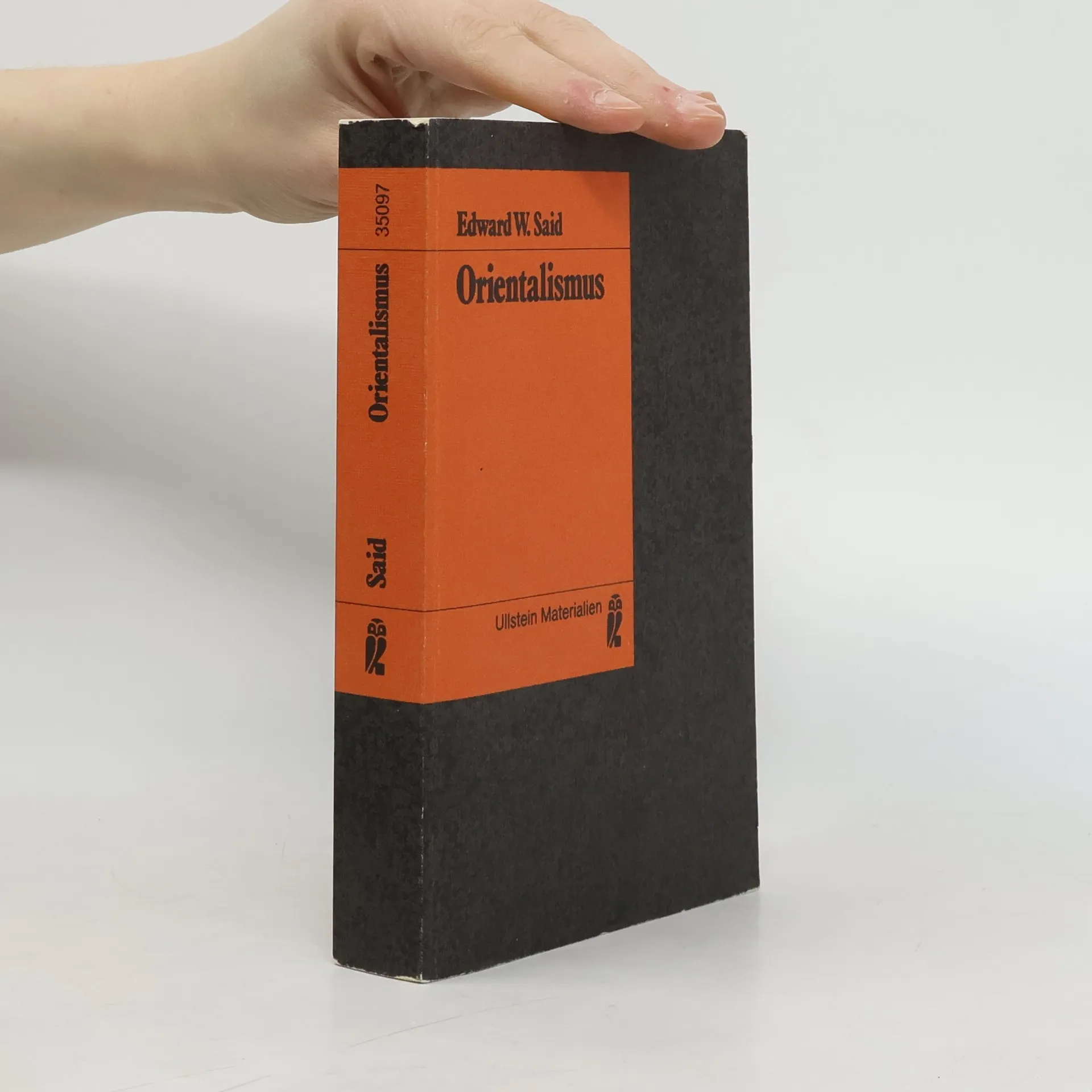
Endlich: Die Neuausgabe des Klassiker in einer neuen Übersetzung. Aktueller denn je. In seiner aufsehenerregenden Studie entlarvt Edward Said das Bild des Westens vom Orient als zutiefst einseitig und als eine Projektion, indem der »Orient« schlicht als »anders als der Okzident« verstanden wurde. Er verfolgt die Tradition dieses Missverständnisses durch die Jahrhunderte, in denen Europa den nahen und mittleren Osten dominierte, und zeigt, wie auch heute noch dieses Bild den Westen beherrscht. Weil es dem Orient dadurch verwehrt wird, sich selbst zu repräsentieren, wird ein wahres Verständnis der Kulturen verhindert. Gerade heute, dreißig Jahre nach seinem ersten Erscheinen, hat dieser Klassiker der Kulturgeschichtsschreibung nichts an Aktualität eingebüßt – ganz im Gegenteil.
Edward Said Bücher
Edward Said war Literaturprofessor, öffentlicher Intellektueller und Begründer der postkolonialen Studien. Mit seinem Werk verband er westliche und östliche Perspektiven und analysierte kritisch kulturelle Repräsentationen und politische Beziehungen zwischen Ost und West. Seine Methode der Textanalyse beeinflusste maßgeblich die Literaturtheorie und die Nahoststudien. Said setzte sich für die Gleichberechtigung und das Rückkehrrecht der Palästinenser in ihre Heimat ein und betonte die Rolle des Intellektuellen als kritische Stimme in der Gesellschaft.


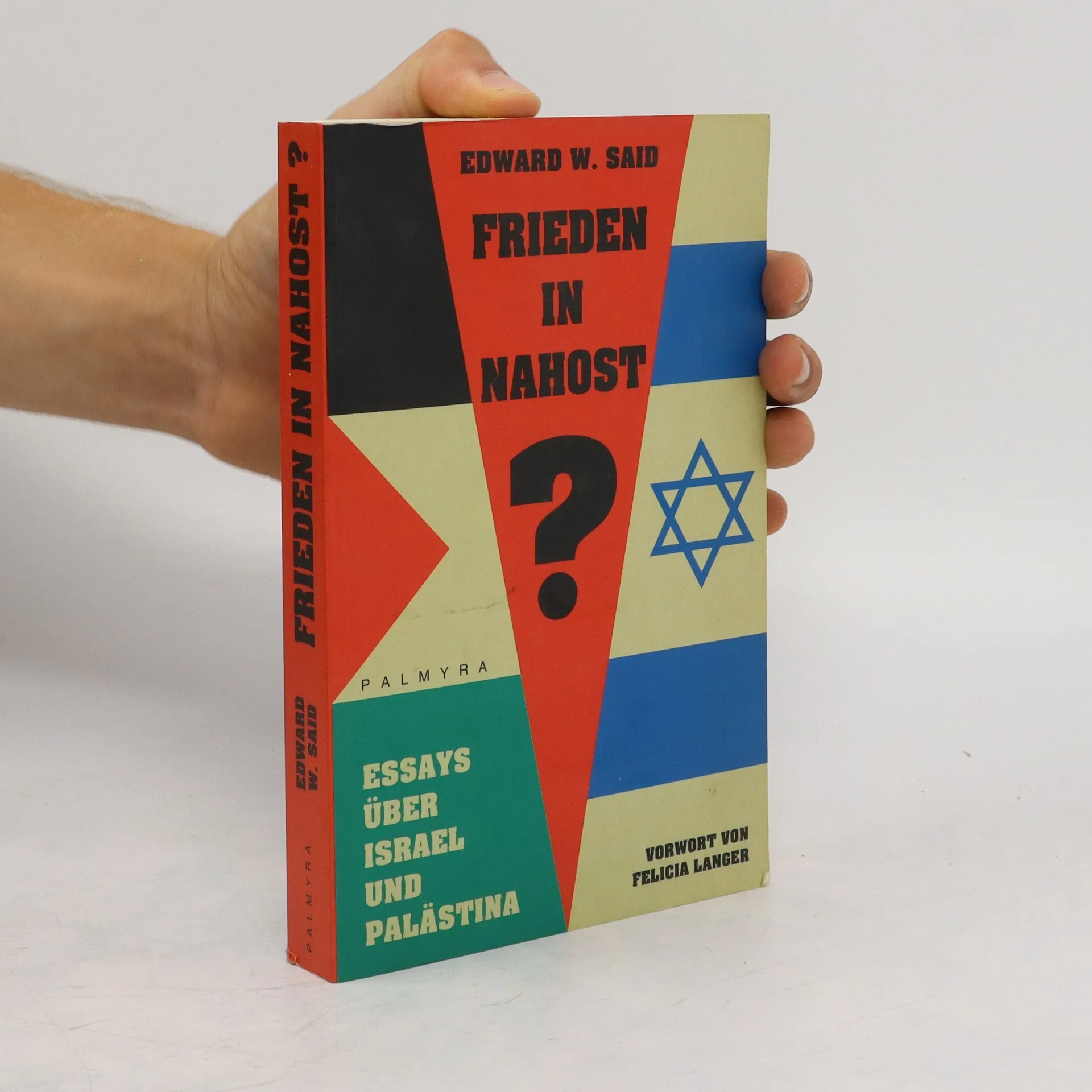
Frieden in Nahost?
Essays über Israel und Palästina
Edward W. Said zieht eine kritische Bilanz des nahöstlichen Friedensprozesses seit 1993 und analysiert die Oslo-Abkommen. Seine Einschätzung ist ernüchternd: Die israelische Siedlungspolitik schreitet ungehindert voran, die palästinensischen Gebiete sind territorial zersplittert, und den Palästinensern bleibt der eigene Staat verwehrt. Überzeugt von der Notwendigkeit einer friedlichen Koexistenz zwischen Israelis und Palästinensern, plädiert Said für eine Zweistaatenlösung. Das Buch versammelt seine bedeutendsten politischen Artikel aus den Jahren 1993 bis 1997. Said betont, dass es unerlässlich ist, Dinge auszusprechen, die oft ignoriert werden. Solange keine echte Begegnung auf Augenhöhe stattfindet, wird das Problem Palästinas und Israels in Gewalt und Elend fortbestehen. Dennoch bleibt er optimistisch, dass Wandel möglich ist. Said hat sich stets für Frieden und Verständigung eingesetzt, mit dem Ziel, Dialog und Versöhnung mit Juden und Israelis zu fördern. In Übereinstimmung mit seinem Gewissen und seiner Integrität schreibt er die Wahrheit. Edward W. Said, 1935 in Jerusalem geboren, war Professor für Vergleichende Literaturwissenschaft an der Columbia Universität und ein angesehener Kulturkritiker. Bekannt wurde er durch sein Buch „Orientalismus“, das die westliche Wahrnehmung orientalischer Gesellschaften hinterfragt. Er gilt als einer der profiliertesten Anwälte der Palästinafrage und knüpfte bereits 1979 erste Kontakt
Culture and Resistance
- 224 Seiten
- 8 Lesestunden
The book, originally published in 2003, explores themes of social justice and activism, presenting a critical analysis of contemporary issues. It delves into the historical context of movements for change, offering insights into the struggles and triumphs of marginalized communities. Through a blend of personal narratives and scholarly research, it aims to inspire readers to engage with and challenge societal norms. The work serves as both a call to action and a resource for understanding the complexities of activism today.
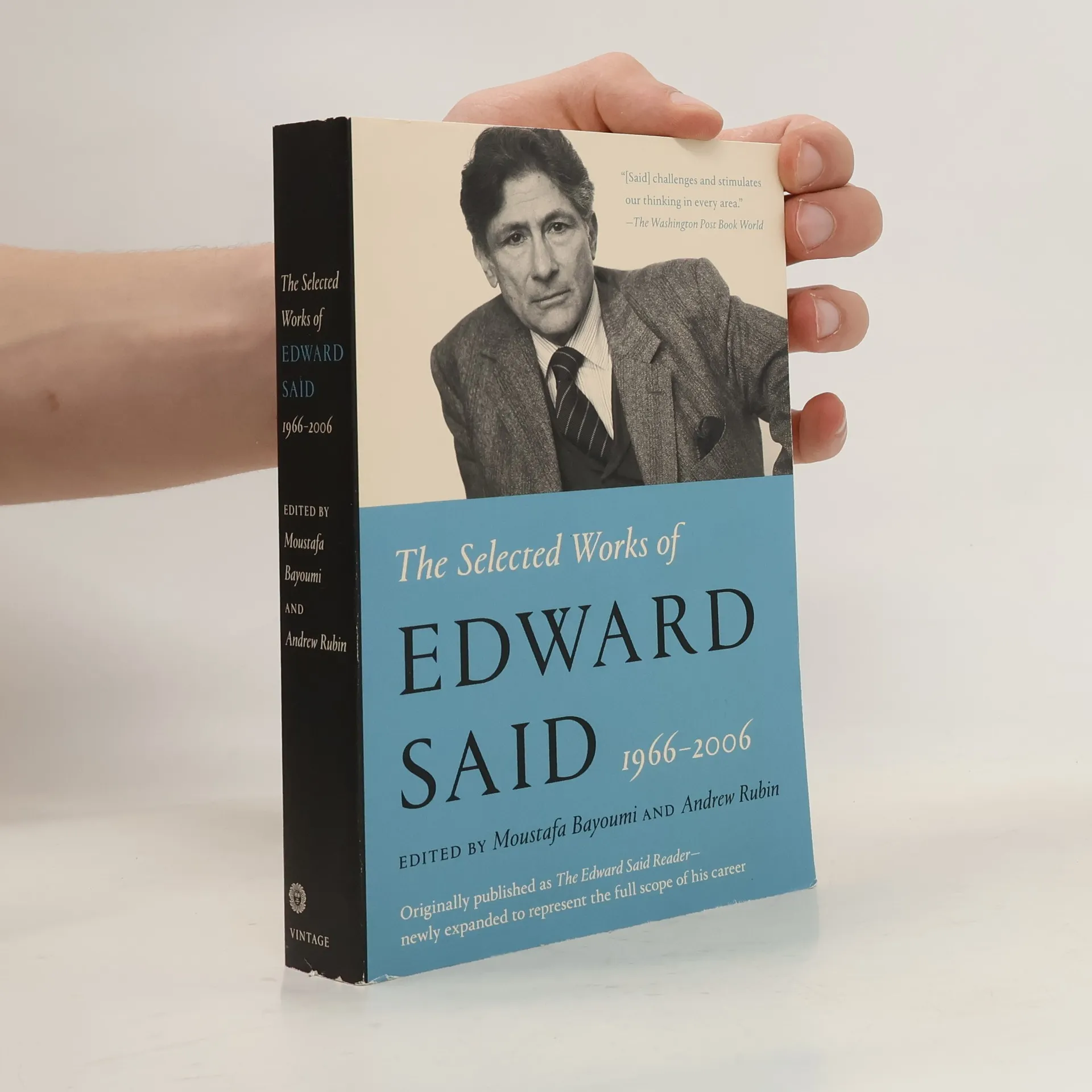
The Selected Works of Edward Said, 1966 - 2006
- 656 Seiten
- 23 Lesestunden
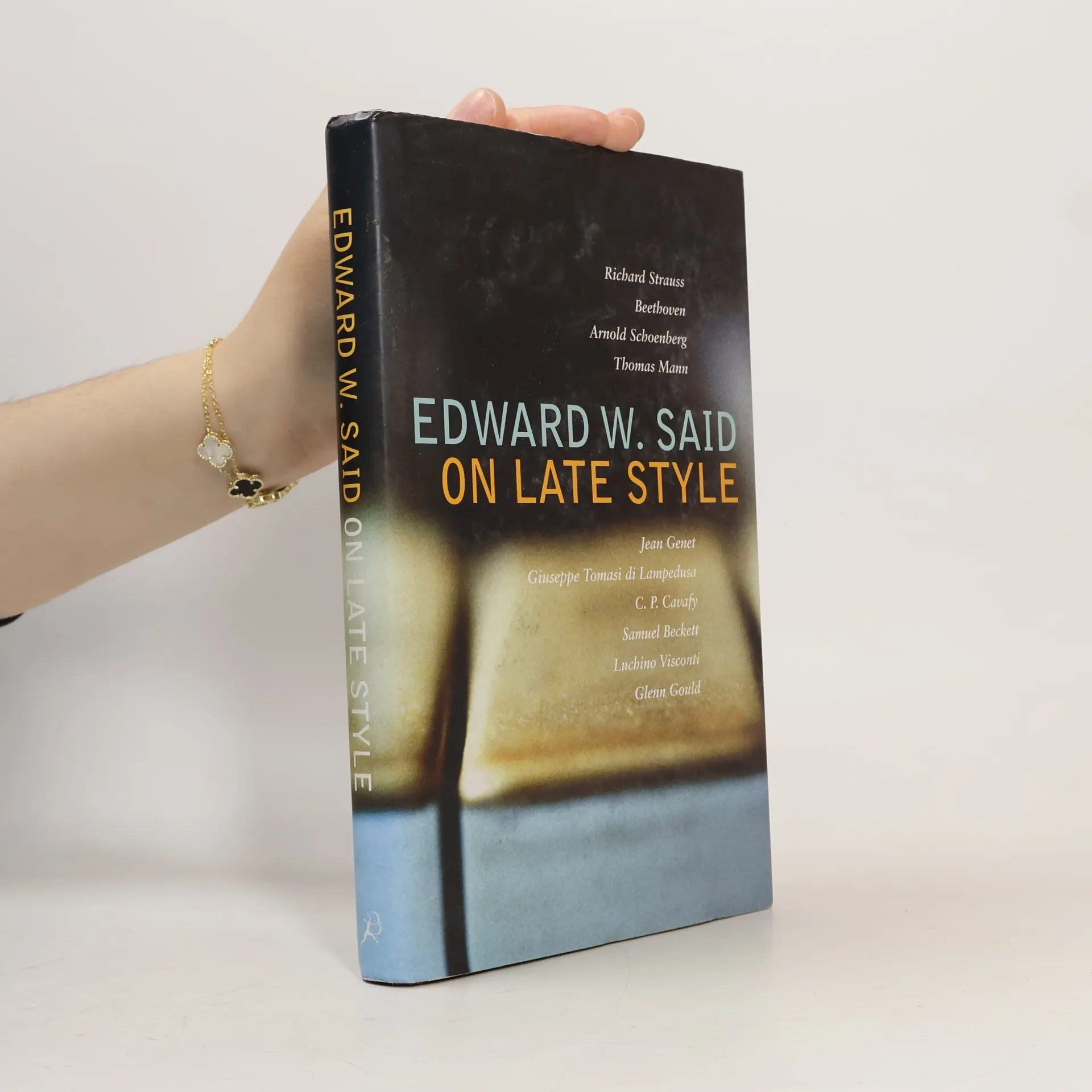
The renowned literary and cultural critic Edward Said was one of our era’s most provocative and important thinkers. This comprehensive collection of his work draws from across his entire four-decade career, including his posthumously published books, making it a definitive one-volume source. "Said is a brilliant and unique amalgam of scholar, aesthete, and political activist...[He] challenges and stimulates our thinking in every area." --Washington Post Book World The Selected Works includes key sections from all of Said’s books, including his groundbreaking Orientalism; his memoir, Out of Place; and his last book, On Late Style. Whether writing of Zionism or Palestinian self-determination, Jane Austen or Yeats, or of music or the media, Said’s uncompromising intelligence casts urgent light on every subject he undertakes. The Selected Works is a joy for the general reader and an indispensable resource for scholars in the many fields that his work has influenced and transformed.
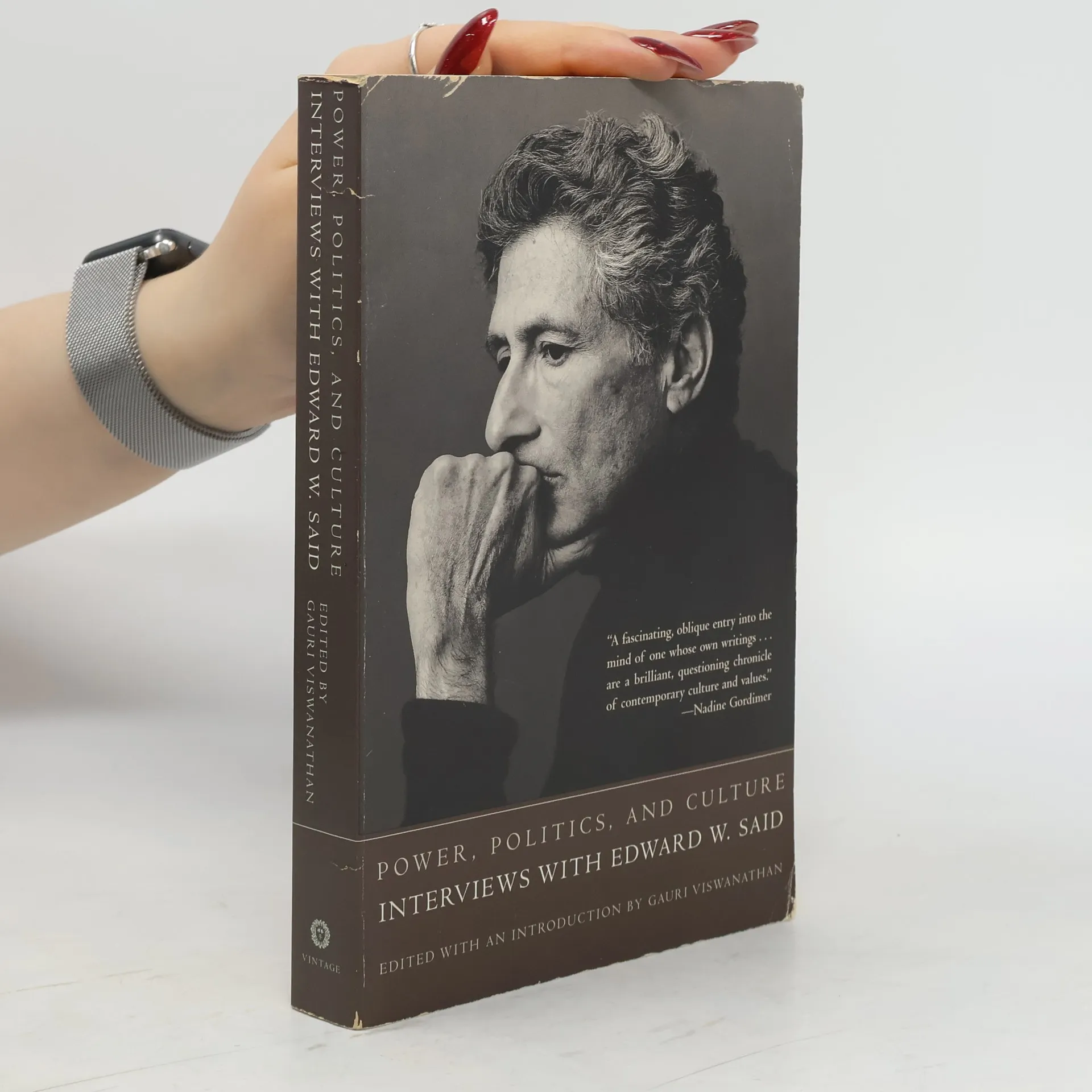
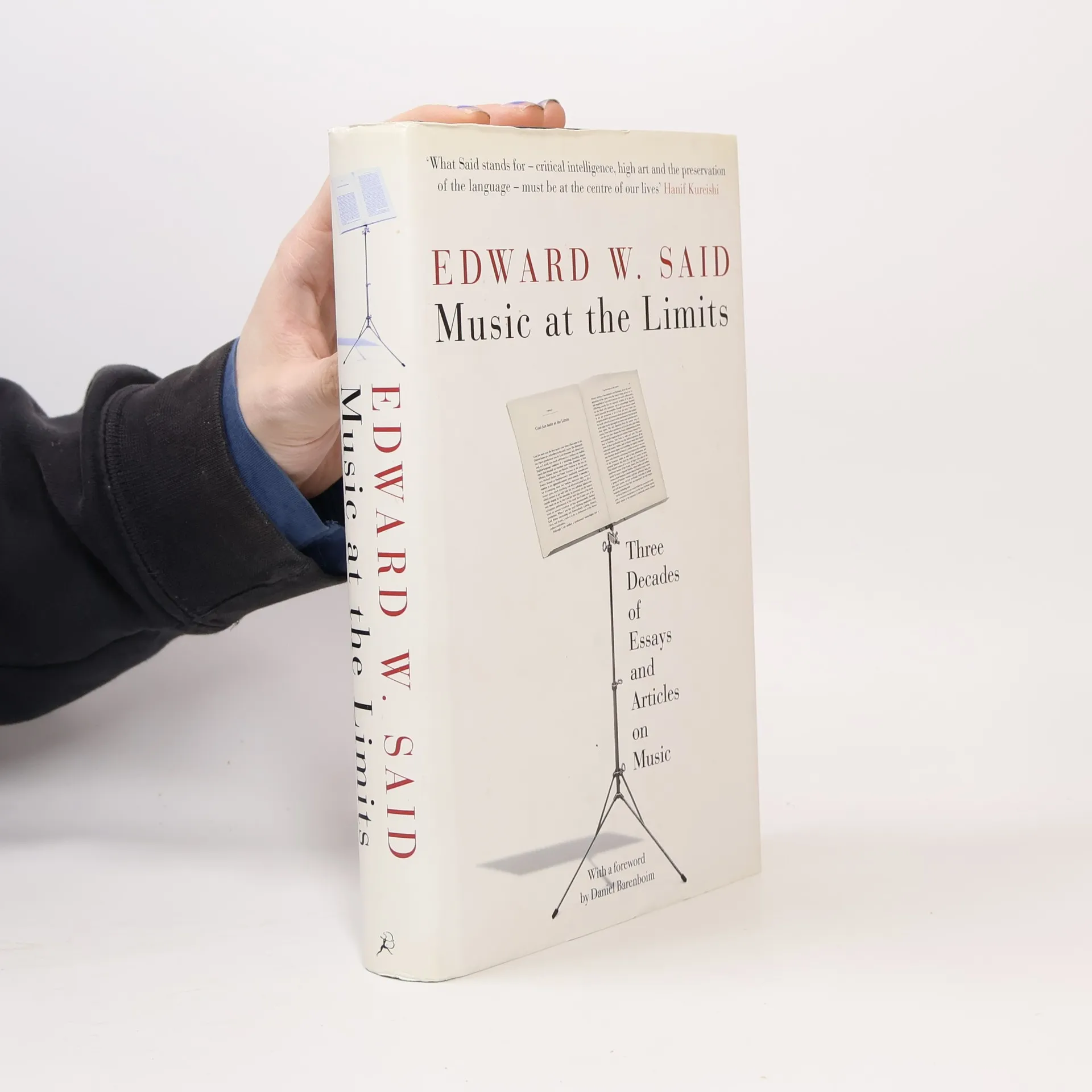
Spanning more than thirty years, a collection of twenty-five interviews with the middle Eastern scholar and critic shares his thoughts on a variety of subjects, including politics, literary and cultural criticism, and the Gulf War.
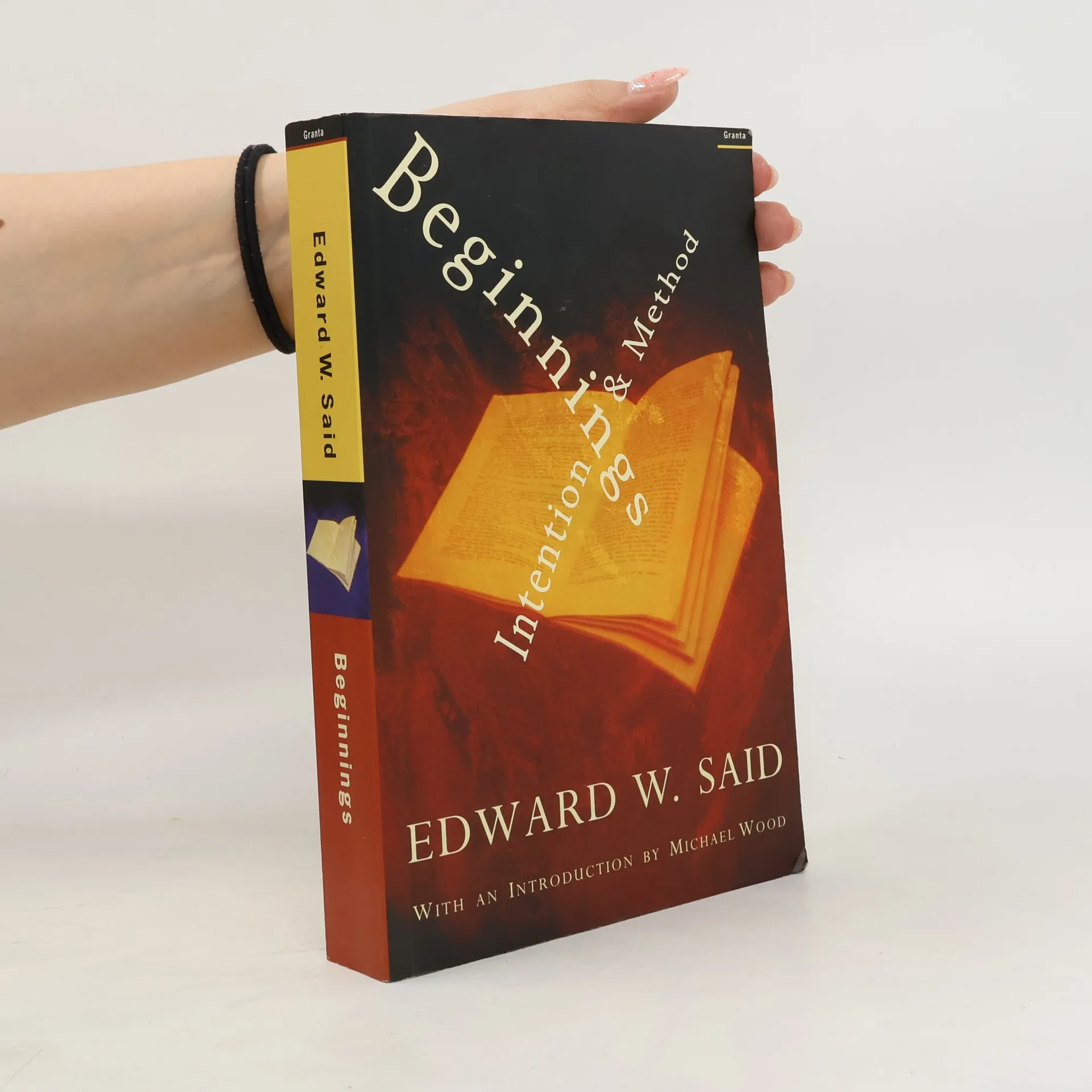
Beginnings
- 436 Seiten
- 16 Lesestunden
"Beginnings, " winner of the first Lionel Trilling Memorial Award, is one of the major texts of contemporary criticism.
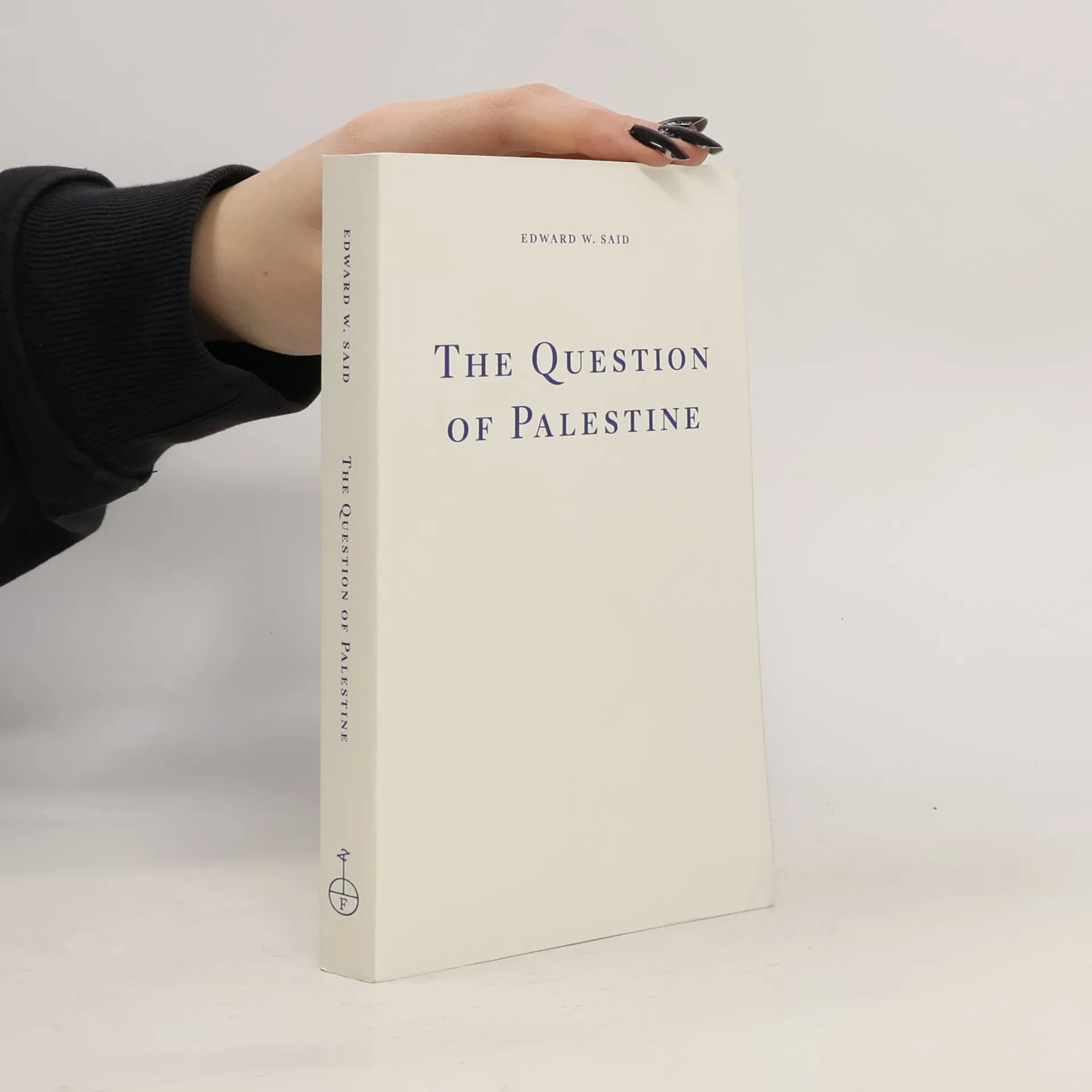
This original and deeply provocative book was the first to make Palestine the subject of a serious debate—one that remains as critical as ever. With the rigorous scholarship he brought to his influential Orientalism and an exile's passion (he is Palestinian by birth and has been a member of the Palestine National Council), Edward W. Said traces the fatal collision between two peoples in the Middle East and its repercussions in the lives of both the occupier and the occupied—as well as in the conscience of the West. He has now updated this landmark work to portray the changed status of Palestine and its people in light of such developments as the Israeli invasion of Lebanon, the intifada, the Gulf War, and the ongoing Middle East peace initiative.For anyone interested in this region and its future, The Question of Palestine remains the most useful and authoritative account available.