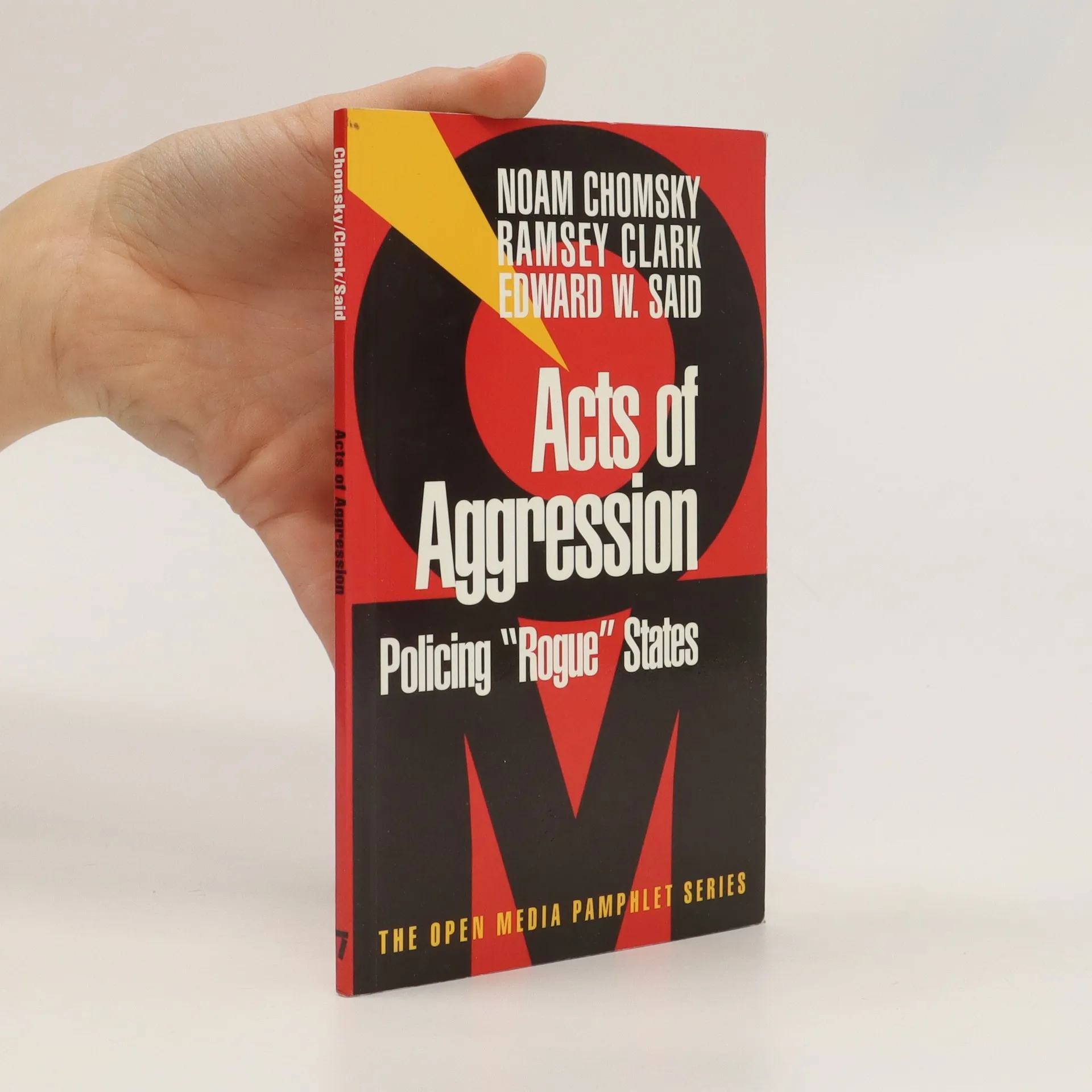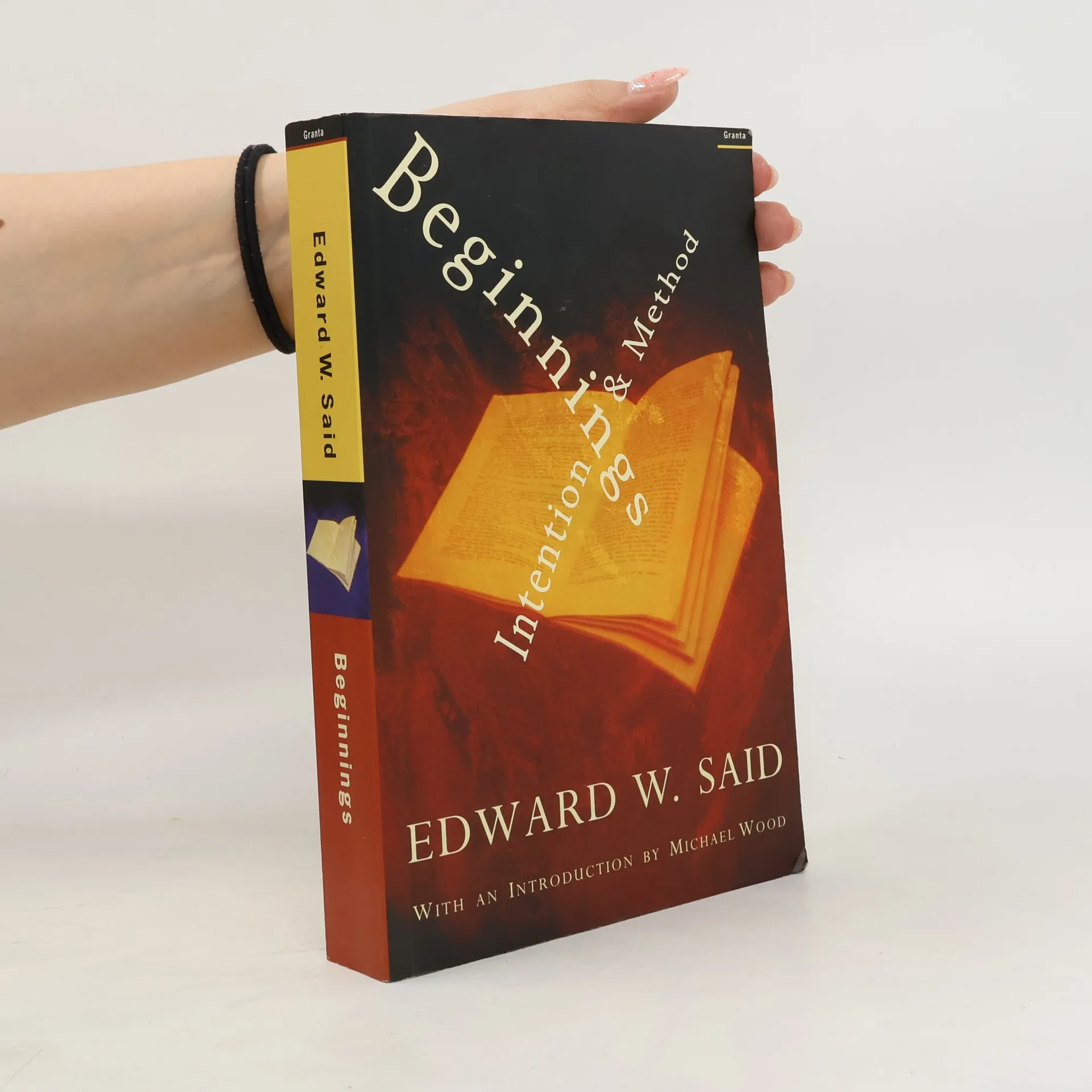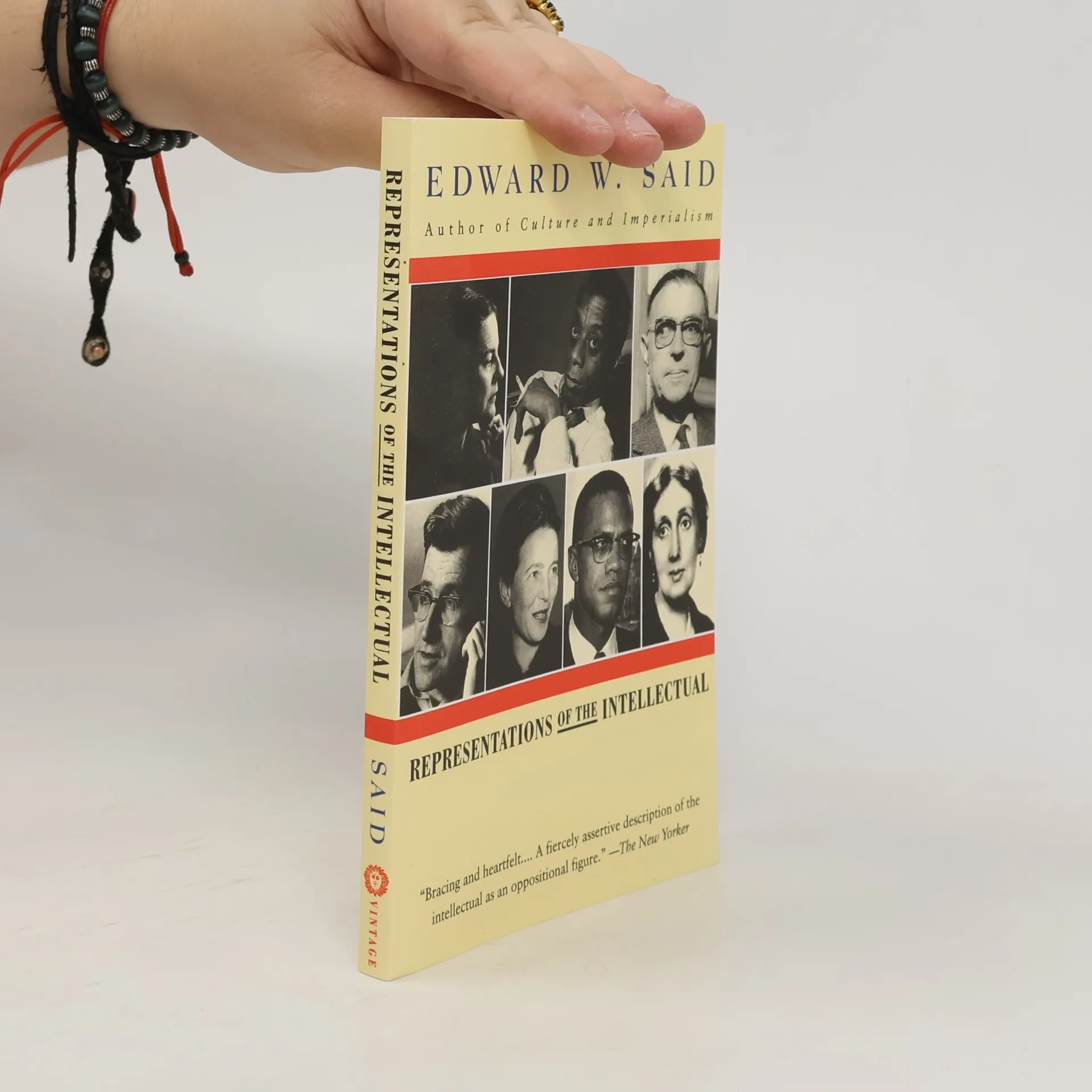
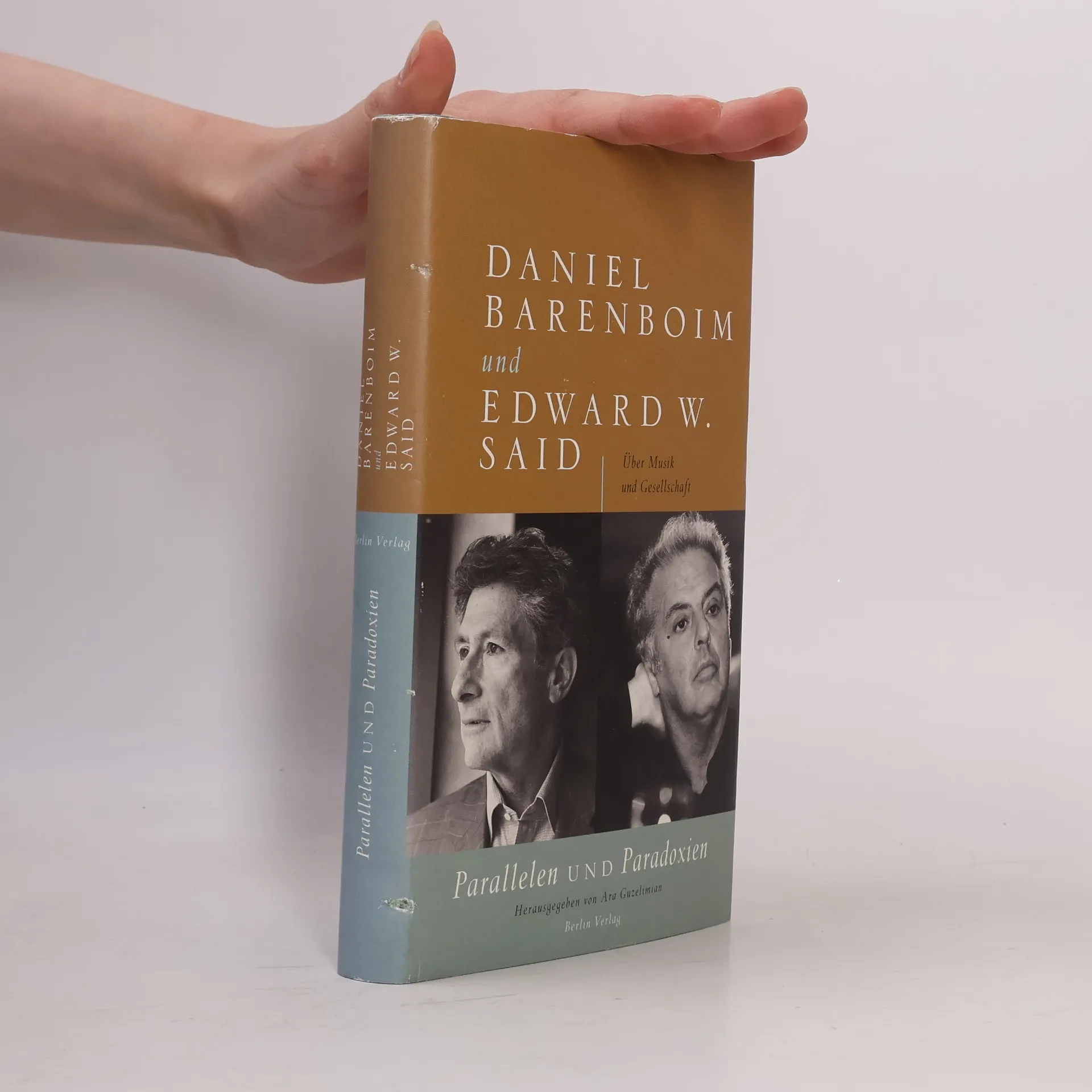
Gratisversand in ganz Deutschland!
Bookbot

Edward Said

    1. November 1935 – 25. September 2003

    Edward Said war Literaturprofessor, öffentlicher Intellektueller und Begründer der postkolonialen Studien. Mit seinem Werk verband er westliche und östliche Perspektiven und analysierte kritisch kulturelle Repräsentationen und politische Beziehungen zwischen Ost und West. Seine Methode der Textanalyse beeinflusste maßgeblich die Literaturtheorie und die Nahoststudien. Said setzte sich für die Gleichberechtigung und das Rückkehrrecht der Palästinenser in ihre Heimat ein und betonte die Rolle des Intellektuellen als kritische Stimme in der Gesellschaft.

    Edward Said
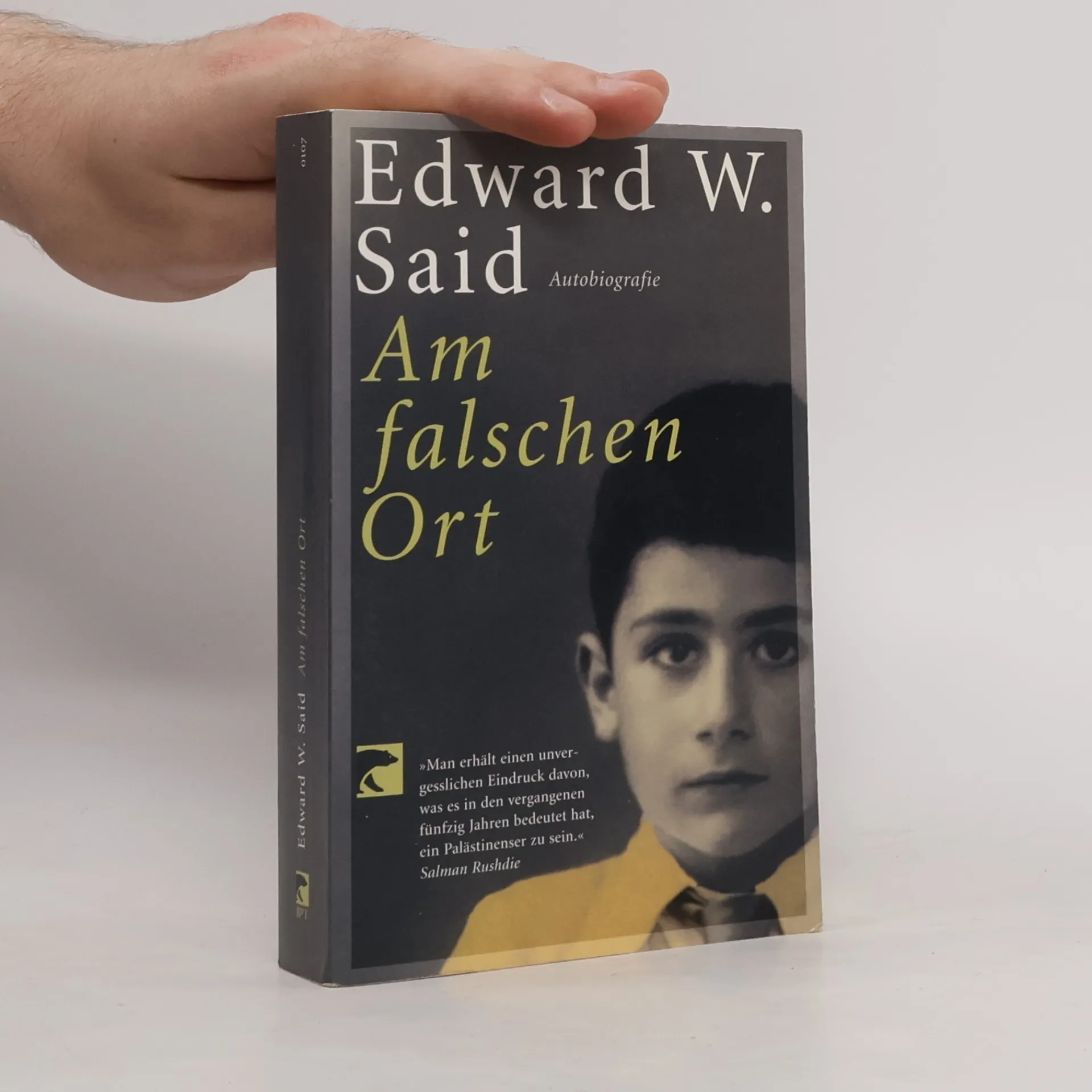
    Am falschen Ort
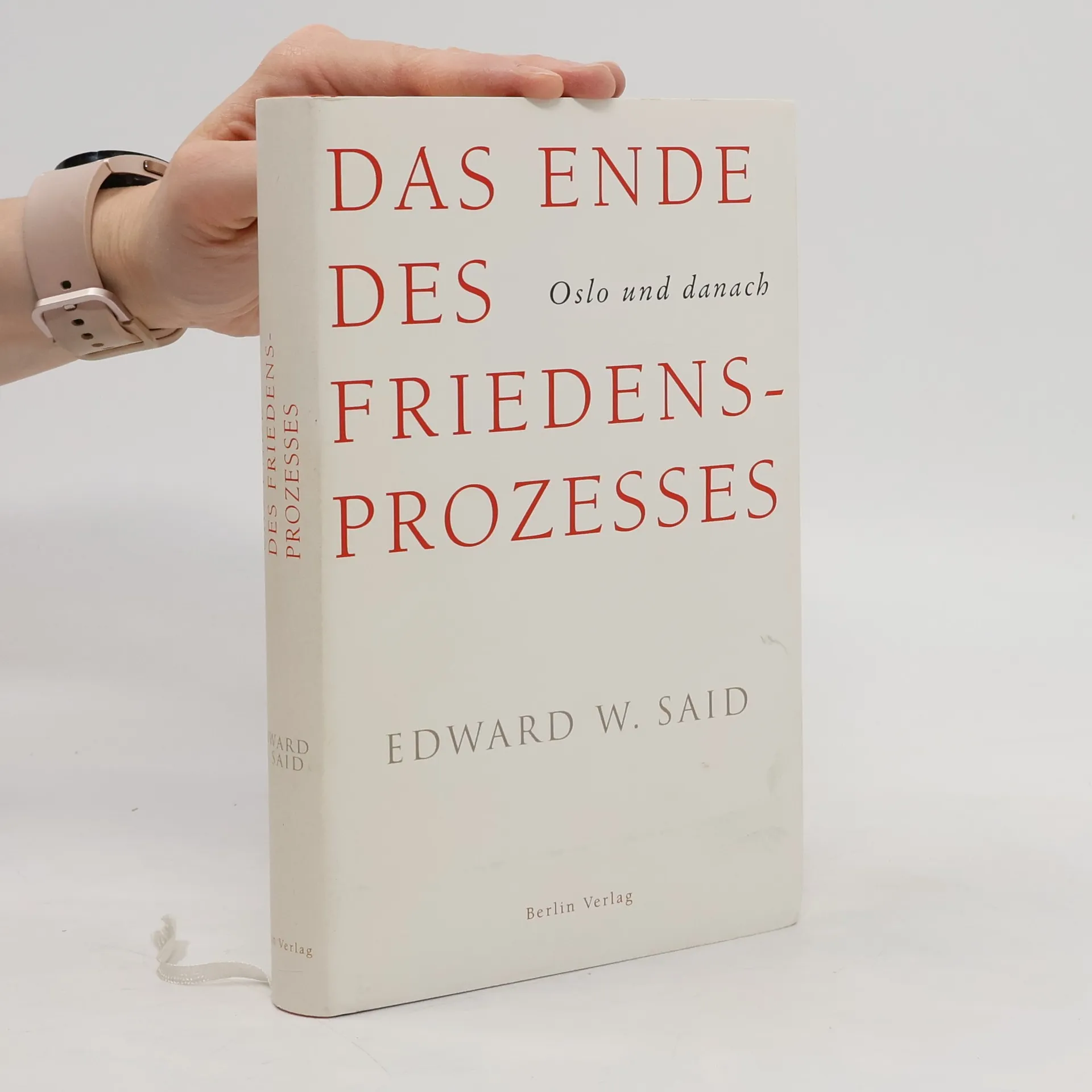
    Das Ende des Friedensprozesses
    Götter, die keine sind
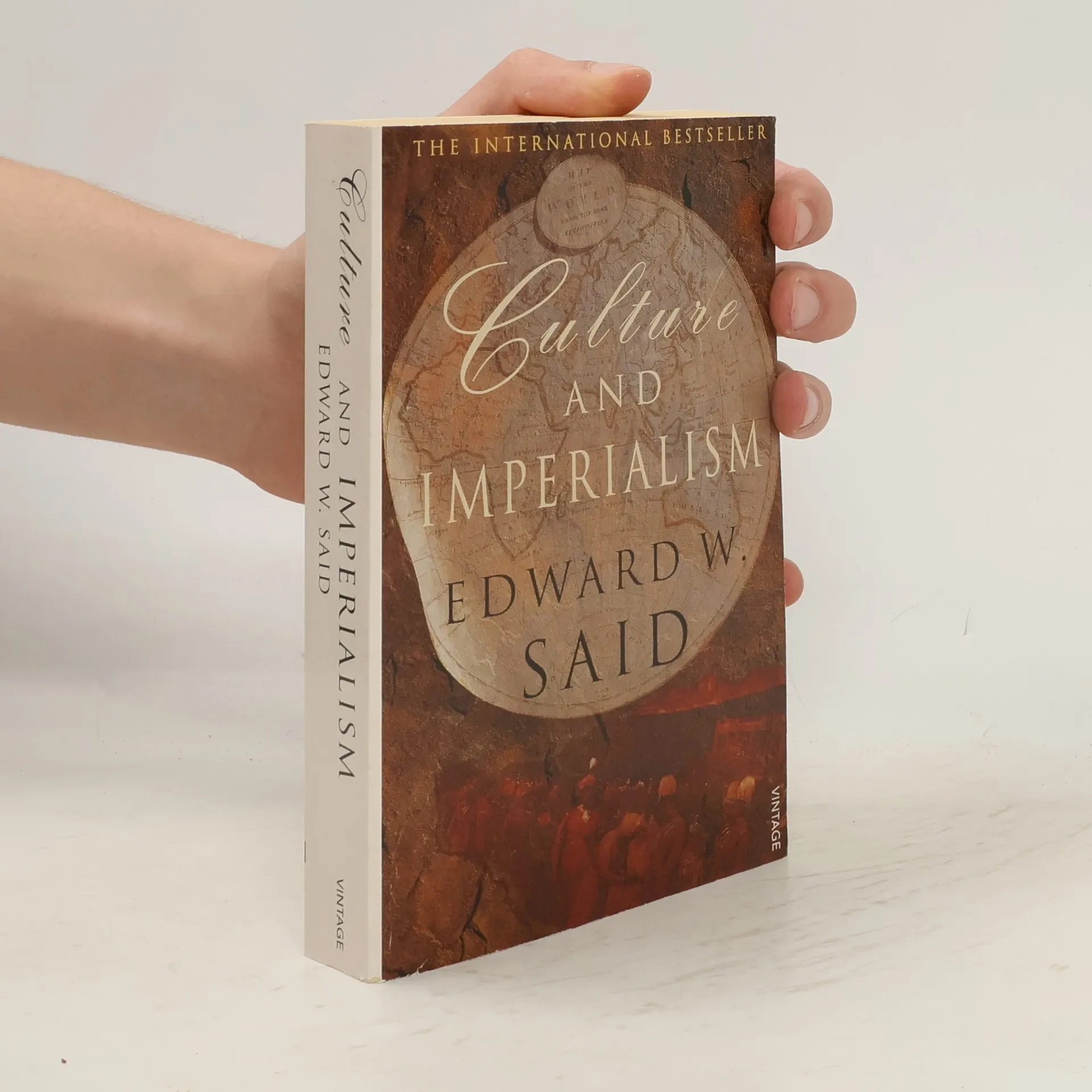
    Kultur und Imperialismus
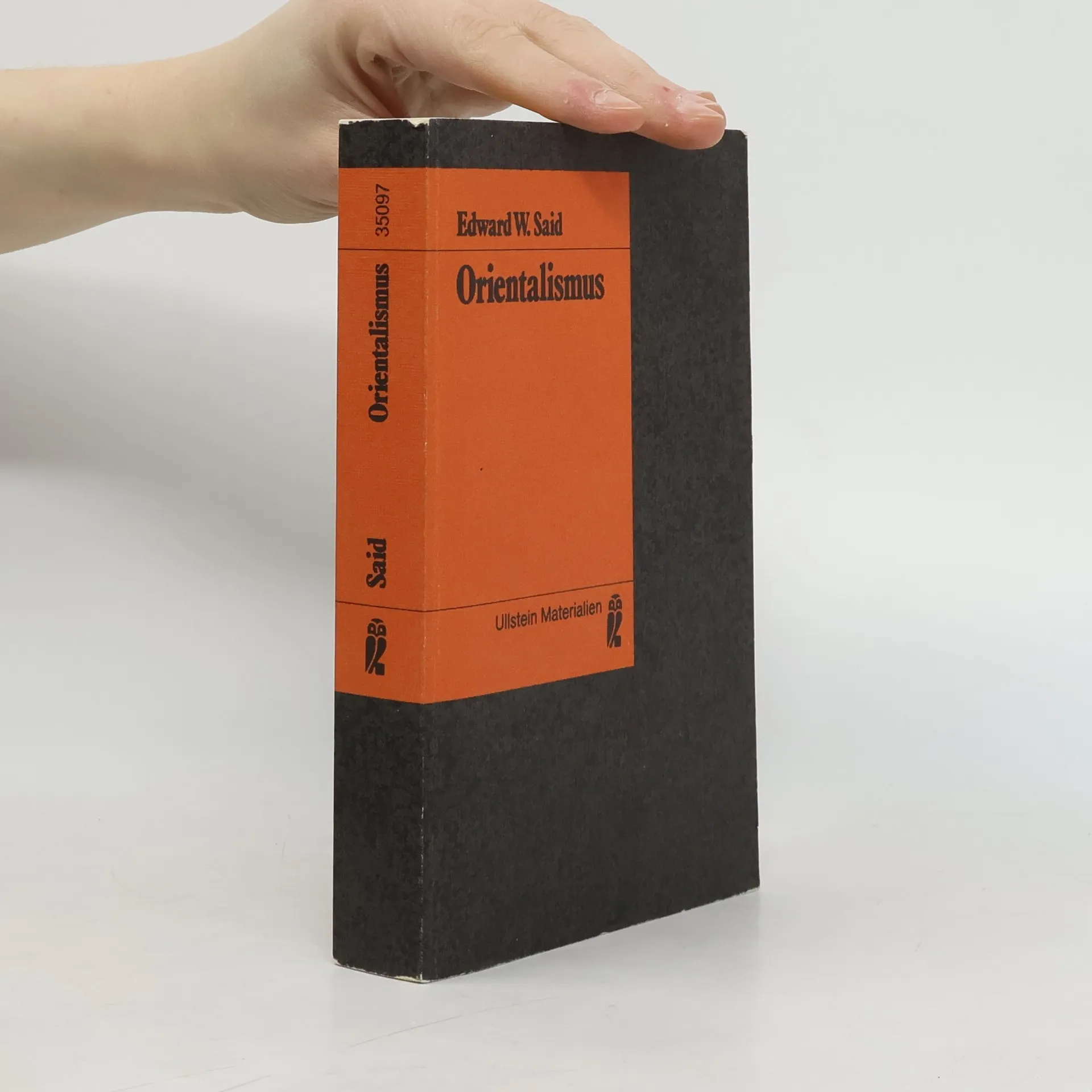
    Orientalismus
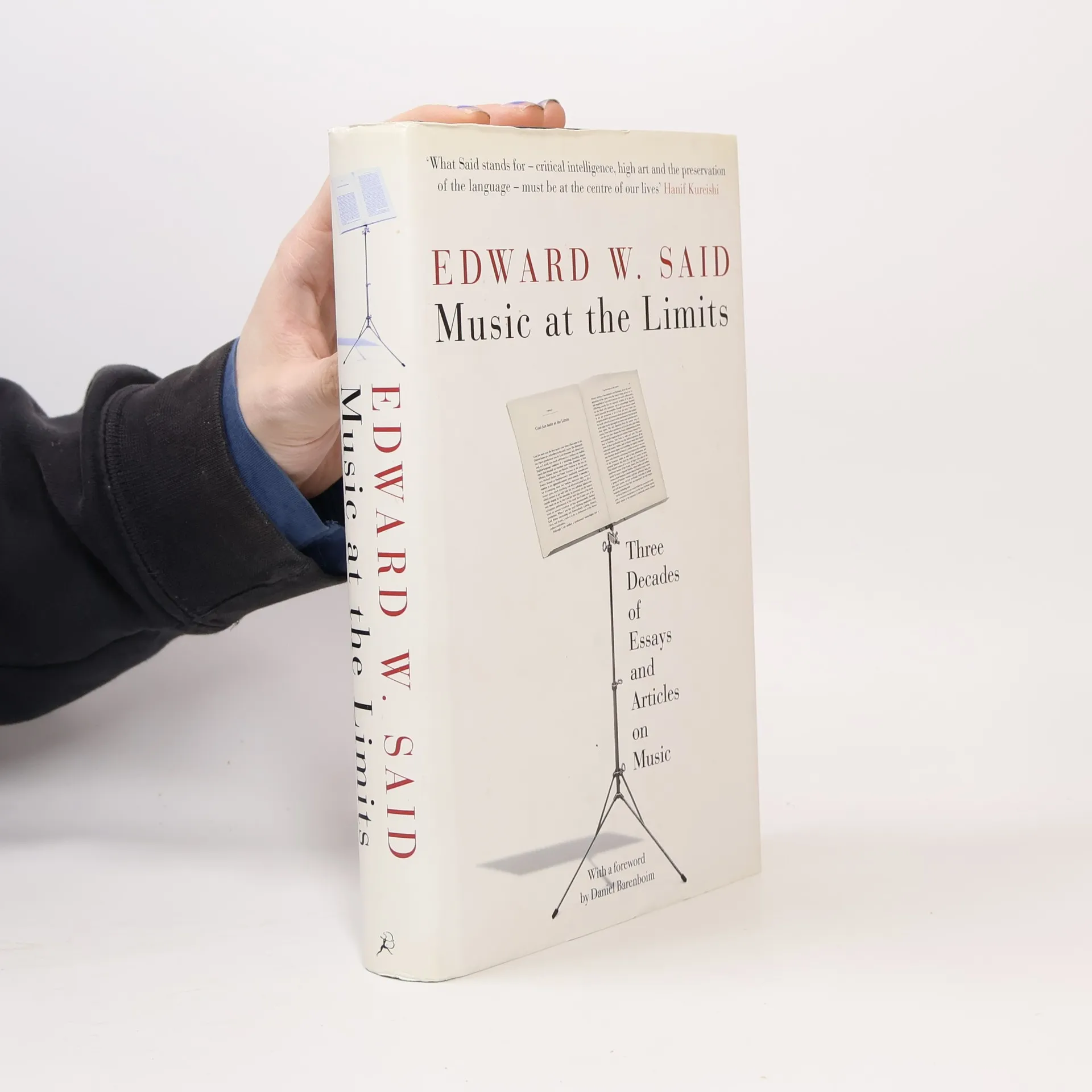
    Musik ohne Grenzen
    • 2024

      This book presents Edward W. Said’s insightful and elegant analyses of four major operas—originally delivered as the Empson Lectures at Cambridge University in 1997—showcasing the power of his critical acumen to unsettle canonical interpretations.

      Said on Opera
    • 2021

      The Selected Works of Edward Said

      • 656 Seiten
      • 23 Lesestunden
      5,0(1)Abgeben

      A definitive volume expanded and updated to do justice to the four decade career of one of the most important cultural and intellectual thinkers of the 21st century The renowned literary and cultural critic and political thinker Edward Said was one of our era's most provocative and important thinkers. This comprehensive collection of his work, expanded from the earlier Edward Said Reader, now draws from across his entire four-decade career, including his posthumously published books, making it a definitive one-volume source. The Selected Works includes key sections from all of Said's books, including his groundbreaking Orientalism; his memoir, Out of Place; and his last book, On Late Style. Whether writing of Zionism or Palestinian self-determination, Jane Austen or Yeats, or of music or the media, Said's uncompromising intelligence casts urgent light on every subject he undertakes. The Selected Works is a joy for the general reader and an indispensable resource for scholars in the many fields that his work has influenced and transformed.
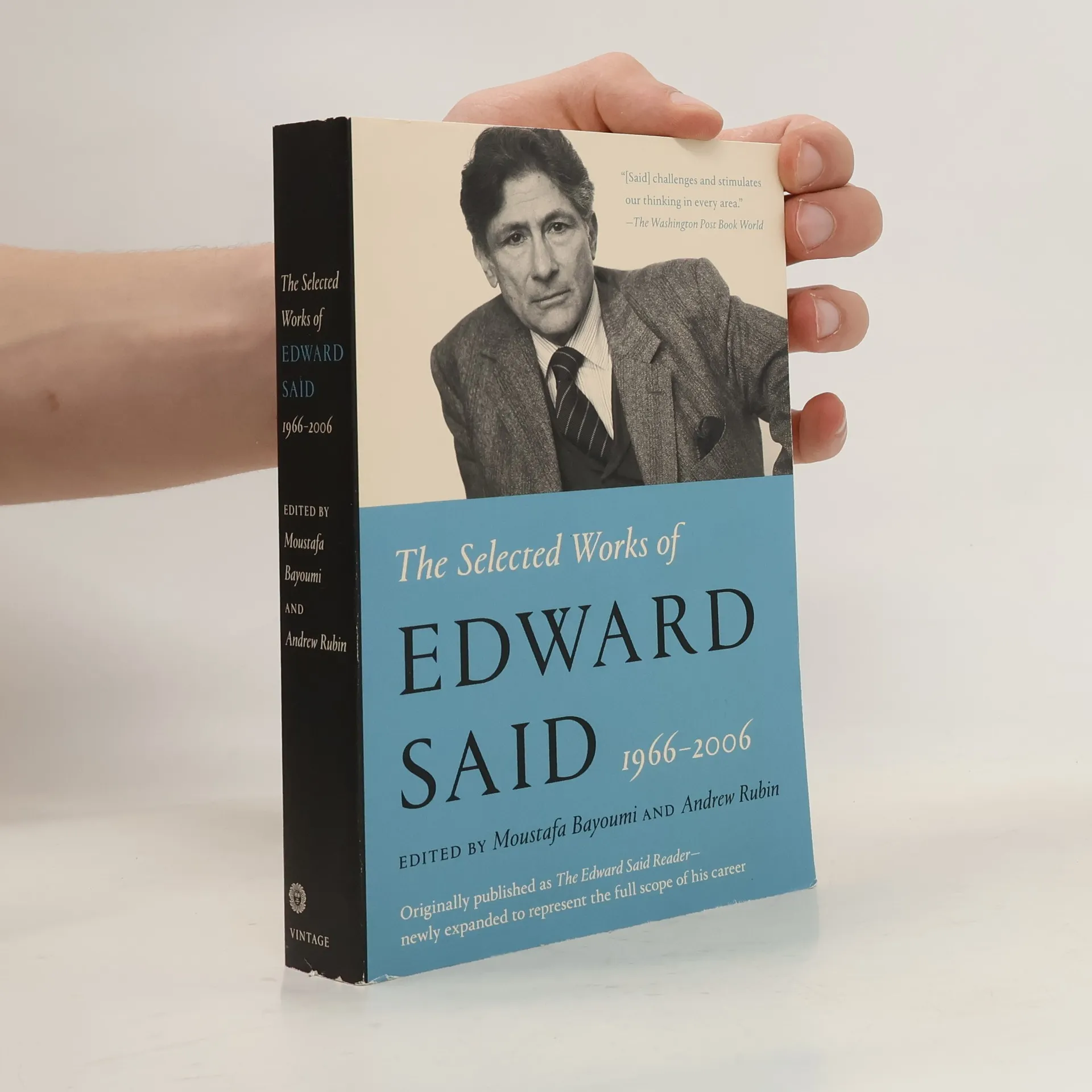
      The Selected Works of Edward Said
    • 2019

      Culture and Resistance

      • 224 Seiten
      • 8 Lesestunden
      4,8(12)Abgeben

      The book, originally published in 2003, explores themes of social justice and activism, presenting a critical analysis of contemporary issues. It delves into the historical context of movements for change, offering insights into the struggles and triumphs of marginalized communities. Through a blend of personal narratives and scholarly research, it aims to inspire readers to engage with and challenge societal norms. The work serves as both a call to action and a resource for understanding the complexities of activism today.

      Culture and Resistance
    • 2019

      The renowned literary and cultural critic Edward Said was one of our era’s most provocative and important thinkers. This comprehensive collection of his work draws from across his entire four-decade career, including his posthumously published books, making it a definitive one-volume source. "Said is a brilliant and unique amalgam of scholar, aesthete, and political activist...[He] challenges and stimulates our thinking in every area." --Washington Post Book World The Selected Works includes key sections from all of Said’s books, including his groundbreaking Orientalism; his memoir, Out of Place; and his last book, On Late Style. Whether writing of Zionism or Palestinian self-determination, Jane Austen or Yeats, or of music or the media, Said’s uncompromising intelligence casts urgent light on every subject he undertakes. The Selected Works is a joy for the general reader and an indispensable resource for scholars in the many fields that his work has influenced and transformed.
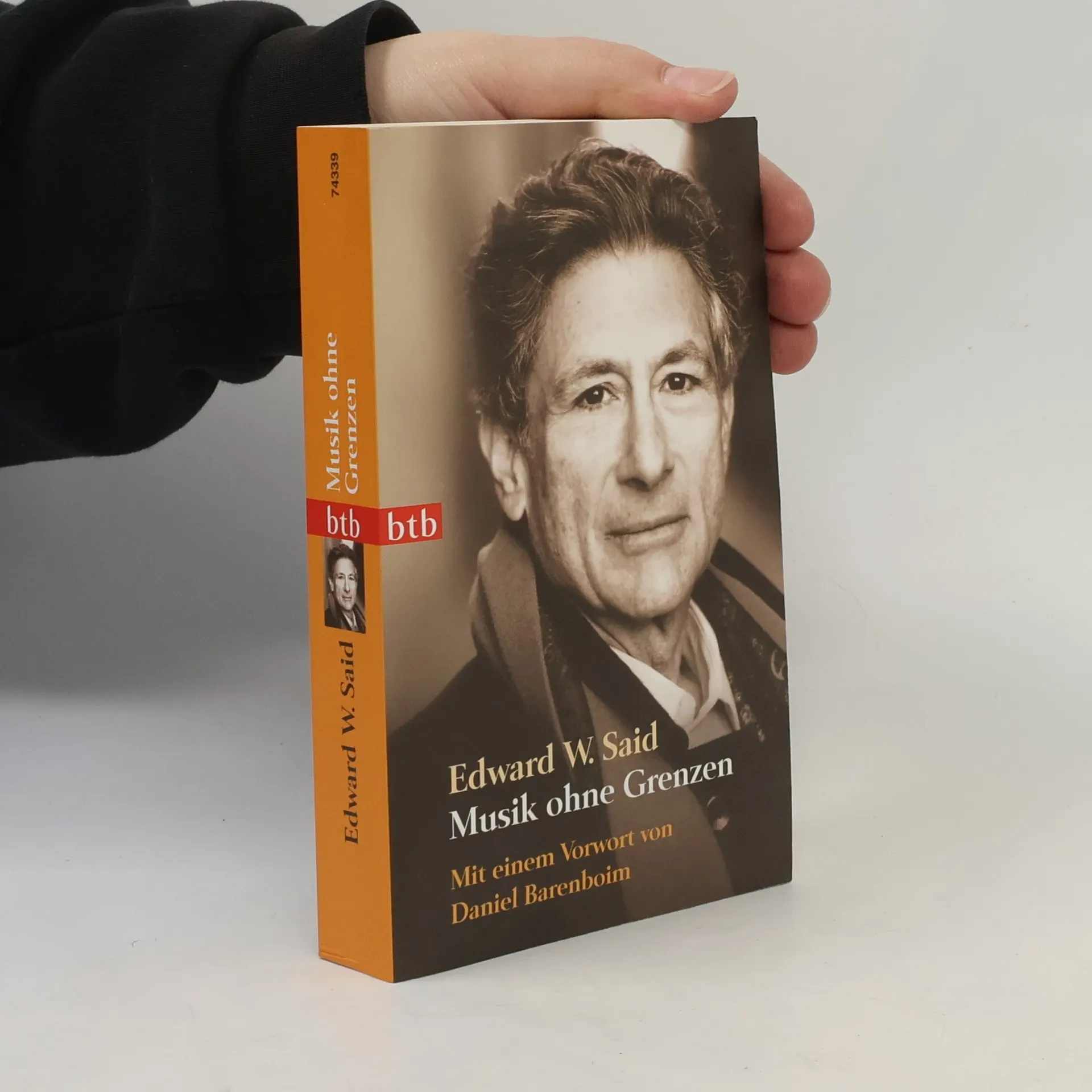
      The Selected Works of Edward Said, 1966 - 2006
    • 2019

      Nikam jsem nepatřil

      • 344 Seiten
      • 13 Lesestunden
      4,0(3)Abgeben

      Vzpomínky Edwarda Saida politologa, historika, novináře a spisovatele (1. 11. 1935 Jeruzalém – 25. 9. 2003 New York) popisují dětství a mládí v mezitím zmizelém arabském světě. S autentickým pocitem osamělosti a vyřazenosti líčí, jak navštěvoval britské a americké školy v Káhiře, kde byl Edward, Arab narozený v palestinském Jeruzalému spolužáky vnímán jako cizinec, a nedokázal mezi ně zapadnout. Frustrace a vnitřní nejistota jsou Saidovy dominantní pocity, které ho provázejí nejen při pobytu v Jeruzalémě, Káhiře, New Yorku a palestinském Dhúru, ale i v značně uzavřené rodině. Tam vládne patriarchální otec a emocionálně nevyrovnaná matka a rodiče nevědomky ambivalentní vztahy uvnitř rodiny i mezi Edwardem a vnějším světem ještě umocňují. Saidovo povědomí vyloučenosti a nepatřičnosti má však svůj zdroj zejména v jinakosti, způsobené jeho příslušností k palestinskému etniku a v pocitu historické křivdy spáchané na Palestincích.

      Nikam jsem nepatřil
    • 2017

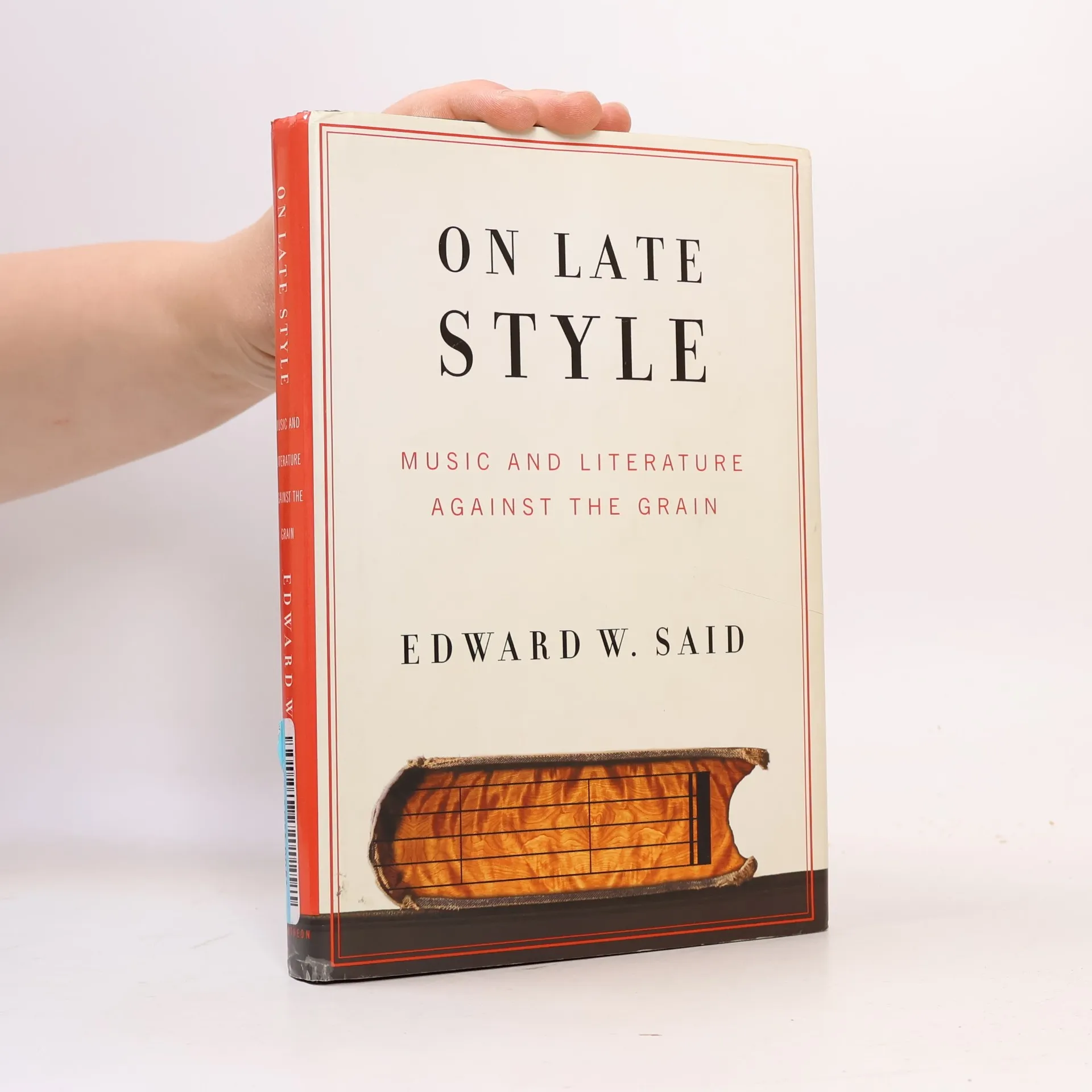
      Edward W. Said, jeden z najwybitniejszych intelektualistów XX wieku, prowadził w latach dziewięćdziesiątych seminarium poświęcone ostatnim dziełom wielkich muzyków i pisarzy – dziełom pod wieloma względami zaskakującym. Temat zasługiwał na książkę, jednak pracę nad nią przerwała śmierć Saida. Tom „On Late Style: Music and Literature Against the Grain” (2006) powstał dzięki żonie i współpracownikom autora, którzy zebrali pozostawione przez niego wykłady, artykuły i notatki. Co ciekawe, szkicowość czy fragmentaryczność książki wcale jej nie szkodzi. Jedyny niedosyt, jaki odczuwa czytelnik, wynika z żalu, że Saidowi nie starczyło czasu na analizy kolejnych „późnych” dzieł.Książka pokazuje autora „Orientalizmu” od mniej znanej strony – jako znakomitego znawcę sztuki oraz stylistę. Jego błyskotliwe interpretacje dzieł Beethovena, Manna, Kawafisa, Geneta, Beckett czy Goulda są mocnym argumentem za wszechstronnym rozwojem duchowym i intelektualnym, którego rolę w dzisiejszej kulturze często podaje się w wątpliwość.„O stylu późnym” ma także dramatyczną stronę. Śmiertelnie chory Said wiedział, że to prawdopodobnie jego ostatnie dzieło. W pewnym sensie pisał więc o sobie. „Późny styl to mądrość doświadczenia, smutek przemijania i opanowanie rzemiosła, które już nie musi się popisywać. Późny styl udziela odpowiedzi na jedne pytania, równocześnie stawiając inne poza granicami naszego rozumienia. Bywa kojący dla odbiorców, których utwierdza w mniemaniu, że ludzka wiedza jednak się rozwija oraz, nade wszystko, że w obliczu zbliżającej się śmierci mamy szansę na głębię przeżycia, nieosiągalną w innych sytuacjach. Książka Saida wszystkie te uspokajające pewniki podważa”.‒ Barbara Kopeć-Umiastowska „Książka widmo krążąca pomiędzy pisarzem a czytelnikiem”.‒ Jacek Gutorow„Piękny pomnik życia i dzieła Saida”.‒ Hanif KureishiEdward W. Said (1935–2003) – amerykańsko- palestyński krytyk i teoretyk kultury, pisarz, krytyk literacki i muzyczny. Pochodził z Jerozolimy, skąd jego rodzina przeniosła się do Kairu z powodu nasilającego się konfliktu arabsko-izraelskiego. W wieku kilkunastu lat został przeniesiony do szkoły w USA. Studiował w Princetown i na Uniwersytecie Harvarda, gdzie uzyskał stopień doktora. Od 1963 roku, aż do końca życia, wykładał na Uniwersytecie Columbia. Jest autorem ponad dwudziestu książek, tłumaczonych na wiele języków. W Polsce ukazały się: „Orientalizm” (1991), „Za ostatnim niebem. Palestyńczycy” (2002), „Kultura i imperializm” (2009), „Paralele i paradoksy. Rozmowy o muzyce i społeczeństwie” (z Danielem Berenboimem, 2007). Znany powszechnie jako adwokat sprawy palestyńskiej, głośno krytykował politykę Stanów Zjednoczonych i Izraela w tym regionie. Zmarł w 2003 roku w Nowym Jorku.

      O STYLU PÓŹNYM MUZYKA I LITERATURA POD PRĄD
    • 2017

      Foreword by Mariam C. Said Introduction by Michael Wood Timeliness and Lateness Return to the Eighteenth Century Cosìfan tutte at the Limits On Jean Genet A Lingering Old Order The Virtuoso as Intellectual Glimpses of Late Style Notes Index

      On Late Style
    • 2013

      Builds on Said's abiding interest in the psychoanalyst's work to examine Freud's assumption that Moses was an Egyptian and from there explore the limits of identity.

      Freud and the Non-European