


This challenging volume reasserts the centrality of the body within social theory as a means to understanding the complex interrelations between nature, culture and society. The importance of a theoretical understanding of the body to social and cultural analysis of contemporary societies is demonstrated through specific case studies.
In this book leading social scientists from many countries analyze the extent to which we are seeing a globalization of culture. Is a unified world culture emerging? And if so, how does this relate to existing cultural divisions and to the autonomy of the nation state? Differing explanations are offered for trends towards global unification and their relation to an economic world-system. Will the intensification of global contact produce increasing tolerance of other cultures? Or will an integrating culture produce sharper reactions in the form of fundamentalist and nationalist movements? The contributors explore the emergence of `third cultures', such as international law, the financial markets and media conglomerates, as
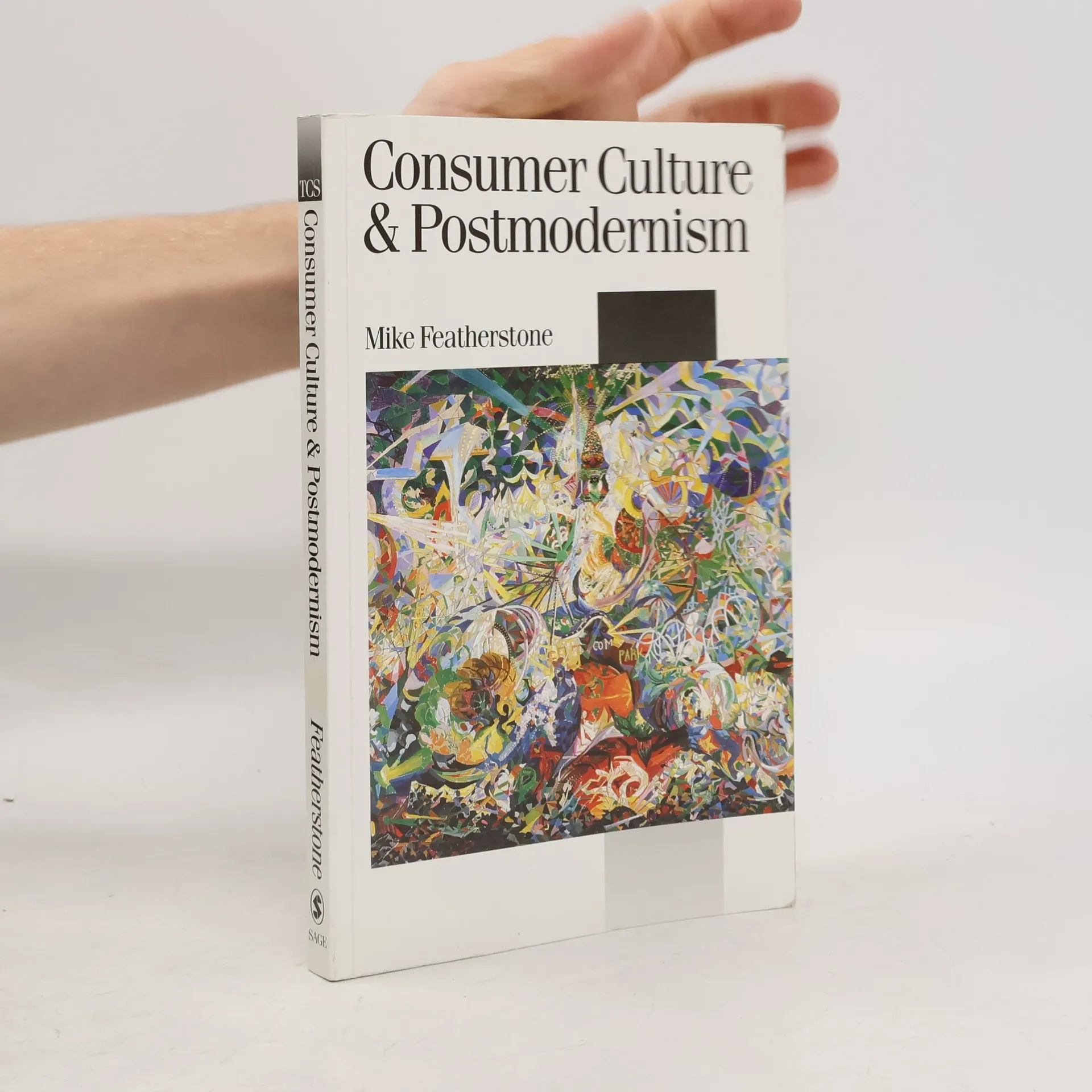
Implicit within claims that society itself is in some sense postmodern is an argument about the priority of consumption as a determinant of everyday life. In this view, mass media advertising and market dynamics lead to a constant search for new fashions, new styles, new sensations and experiences. Material goods are consumed as `communicators′; they are valued as signifiers of taste and of lifestyle. This volume examines the viability of this portrait of contemporary society. Mike Featherstone explores the roots of consumer culture, how it is defined and differentiated and the extent to which it represents the arrival of a `postmodern′ world. He examines the theories of consumption and postmodernism among contemporary social theorists such