
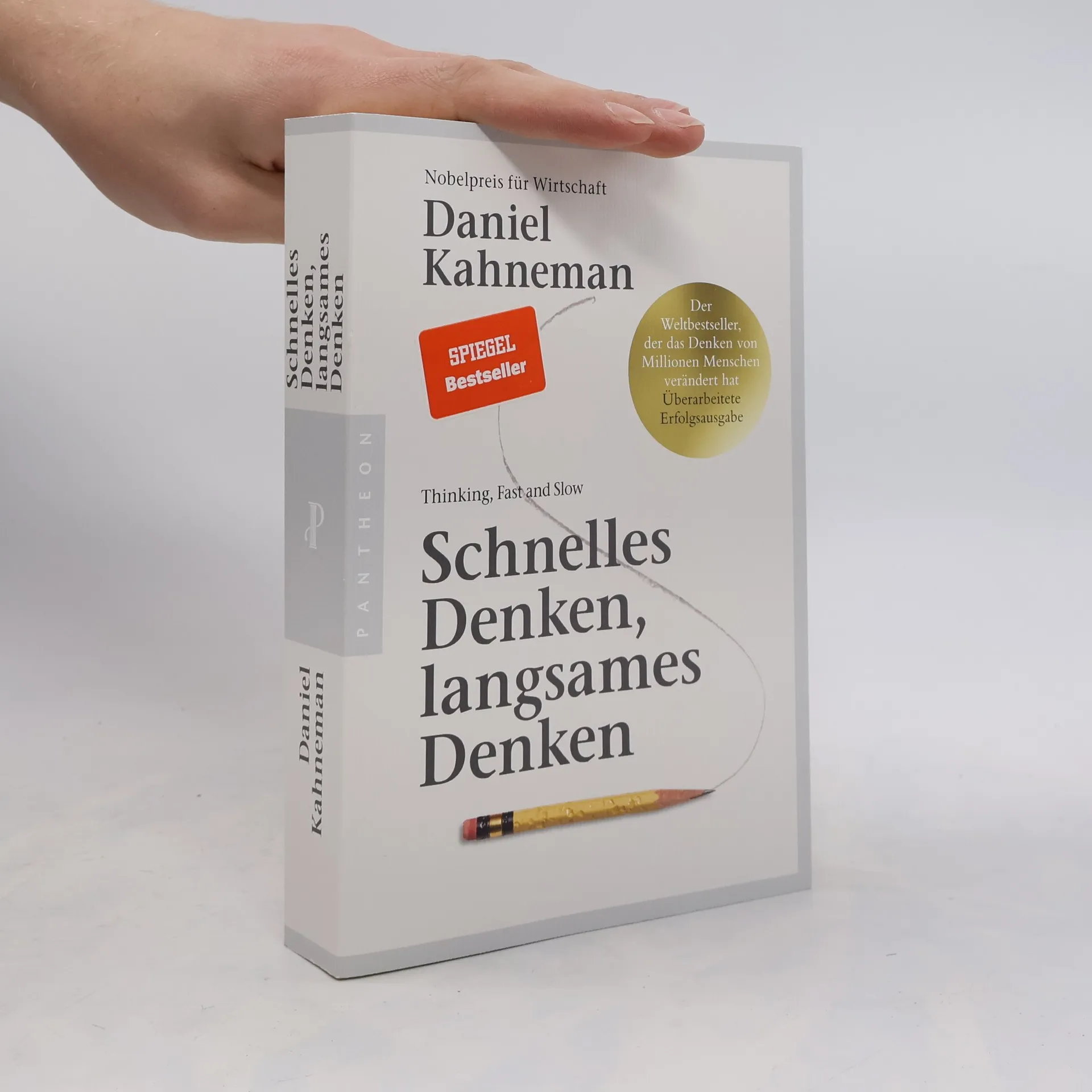
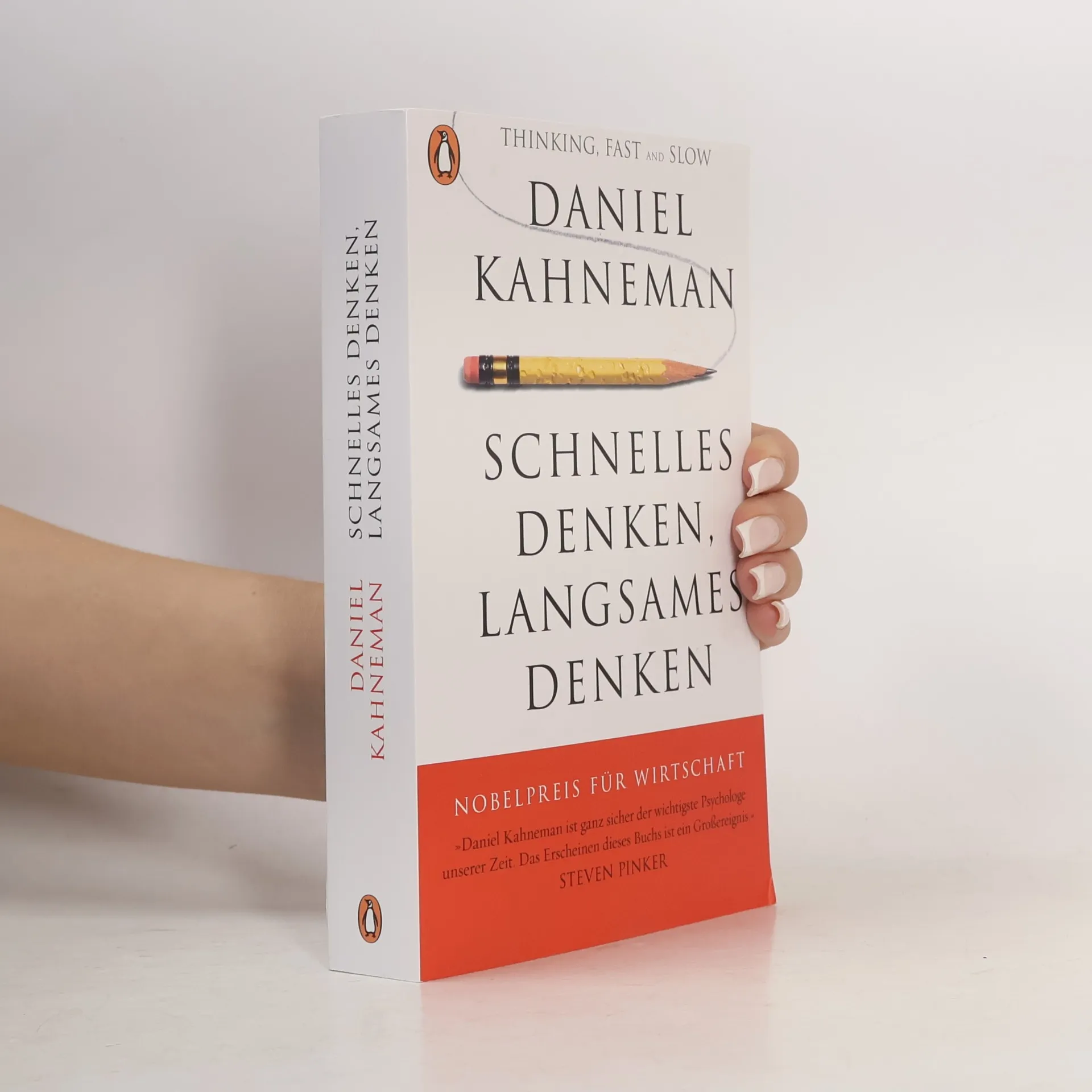
Der Weltbestseller, der das Denken von Millionen Menschen verändert hat Wie treffen wir unsere Entscheidungen? Warum ist Zögern ein überlebensnotwendiger Reflex, und was passiert in unserem Gehirn, wenn wir andere Menschen oder Dinge beurteilen? Daniel Kahneman, Nobelpreisträger und einer der einflussreichsten Wissenschaftler unserer Zeit, zeigt anhand ebenso nachvollziehbarer wie verblüffender Beispiele, welchen mentalen Mustern wir folgen und wie wir uns gegen verhängnisvolle Fehlentscheidungen wappnen können.
Daniel Kahneman Bücher
Daniel Kahneman war ein israelisch-amerikanischer Psychologe, dessen Werk sich mit den kognitiven Prozessen beschäftigte, die menschlichen Urteilen und Entscheidungen zugrunde liegen. Gemeinsam mit Amos Tversky legte er eine kognitive Grundlage für häufige menschliche Fehler und untersuchte Heuristiken und kognitive Verzerrungen. Kahneman erforschte eingehend, wie Menschen Risiken und Belohnungen wahrnehmen, und entwickelte die wegweisende Prospekttheorie. Seine Forschung leistete bedeutende Beiträge zur Verhaltensökonomie und Psychologie, indem sie tiefe Einblicke in die Rationalität und Irrationalität des menschlichen Geistes bot.


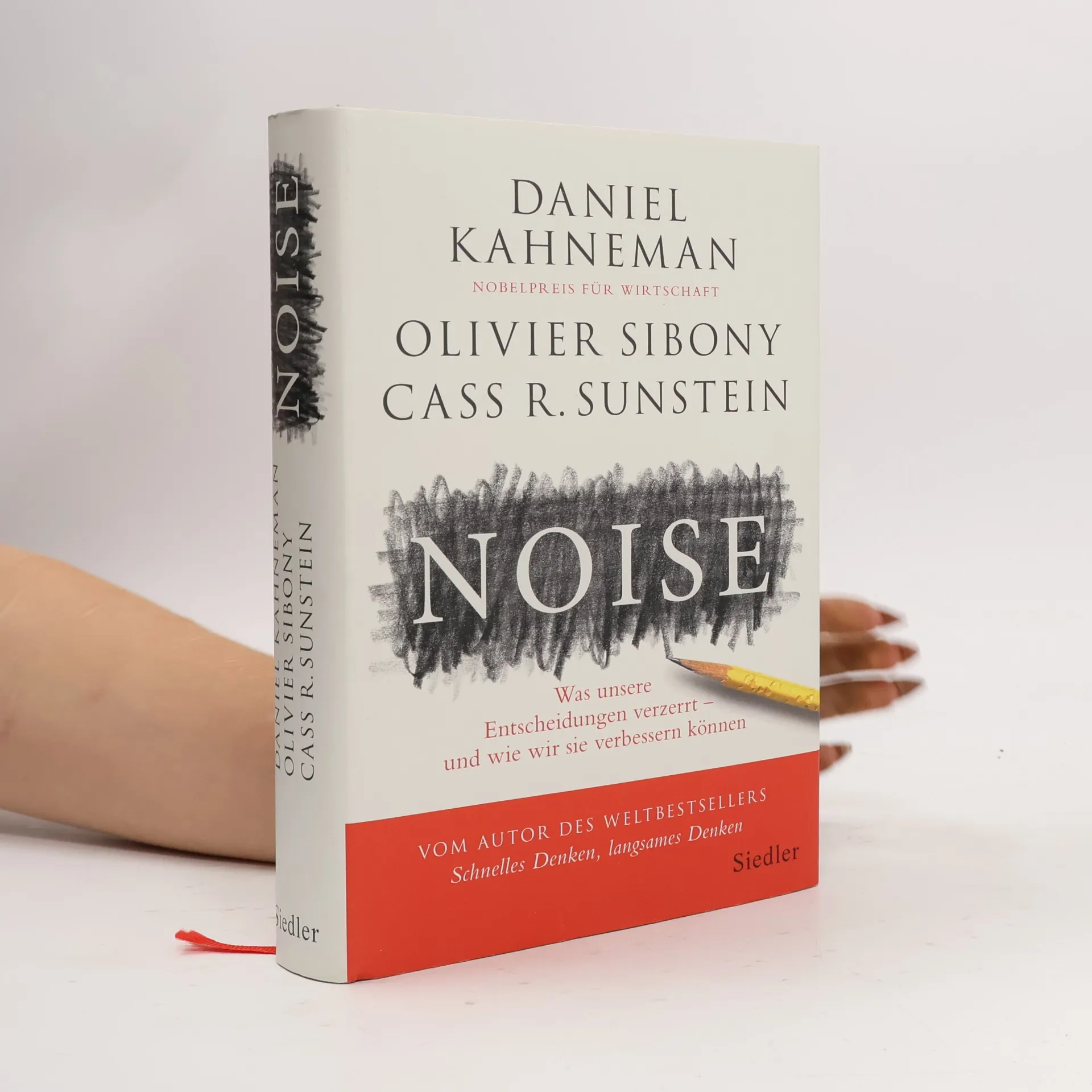
Das neue Buch des Nobelpreisträgers Daniel Kahneman, Autor des Weltbestsellers »Schnelles Denken, langsames Denken«: nominiert für den Deutschen Wirtschaftsbuchpreis 2021 Warum treffen wir, je nach Umständen, völlig unterschiedliche Entscheidungen auf ein und derselben Faktengrundlage? Wieso kommen zwei Experten, die über identische Informationen verfügen, zu komplett anderen Schlussfolgerungen? Weshalb entscheiden wir uns immer wieder falsch, ob im Beruf oder im Privatleben? In seinem neuen Buch, das in Zusammenarbeit mit Bestsellerautor Cass Sunstein und Olivier Sibony entstanden ist, klärt Nobelpreisträger Daniel Kahneman über die Vielzahl von oft zufälligen Faktoren auf, die unsere Entscheidungsfindung stören und häufig negativ beeinflussen – sie sind im Begriff »Noise« zusammengefasst. Wir müssen lernen, diese »Störgeräusche« zu verstehen und mit ihnen umzugehen, nur dann können wir auf Dauer bessere Entscheidungen treffen. Dieses Buch ist ein Meilenstein zum Verständnis der Grundlagen unseres Handelns und gehört schon jetzt mit seinem zeitlosen Klassiker »Schnelles Denken, langsames Denken« zur Pflichtlektüre für Entscheidungsträger.
Heuristics and Biases : The Psychology of Intuitive Judgment
- 874 Seiten
- 31 Lesestunden
Judgment pervades human experience. Do I have a strong enough case to go to trial? Will the Fed change interest rates? Can I trust this person? This book examines how people answer such questions. How do people cope with the complexities of the world economy, the uncertain behavior of friends and adversaries, or their own changing tastes and personalities? When are people's judgments prone to bias, and what is responsible for their biases? This book compiles psychologists' best attempts to answer these important questions.
The contemporary rabbi is influenced by the modern rabbinic establishments throughout the world, including the rabbinate in Israel. The rabbinate's monopoly on opinions and interpretations prevents rabbis from expressing their individual positions out of fear of delegitimization. The current structure gives the public a negative impression of the rabbinic establishment. The Importance of the Community Rabbi strives to describe and delineate key requirements for a good rabbi, i.e., one who can provide socially acceptable halachic solutions within the parameters of Orthodox thinking. Rabbi Sperber elucidates the halachic techniques and mechanisms that may be used toward this goal. These are further illustrated with stories from rabbinic literature and examples from various responsa.
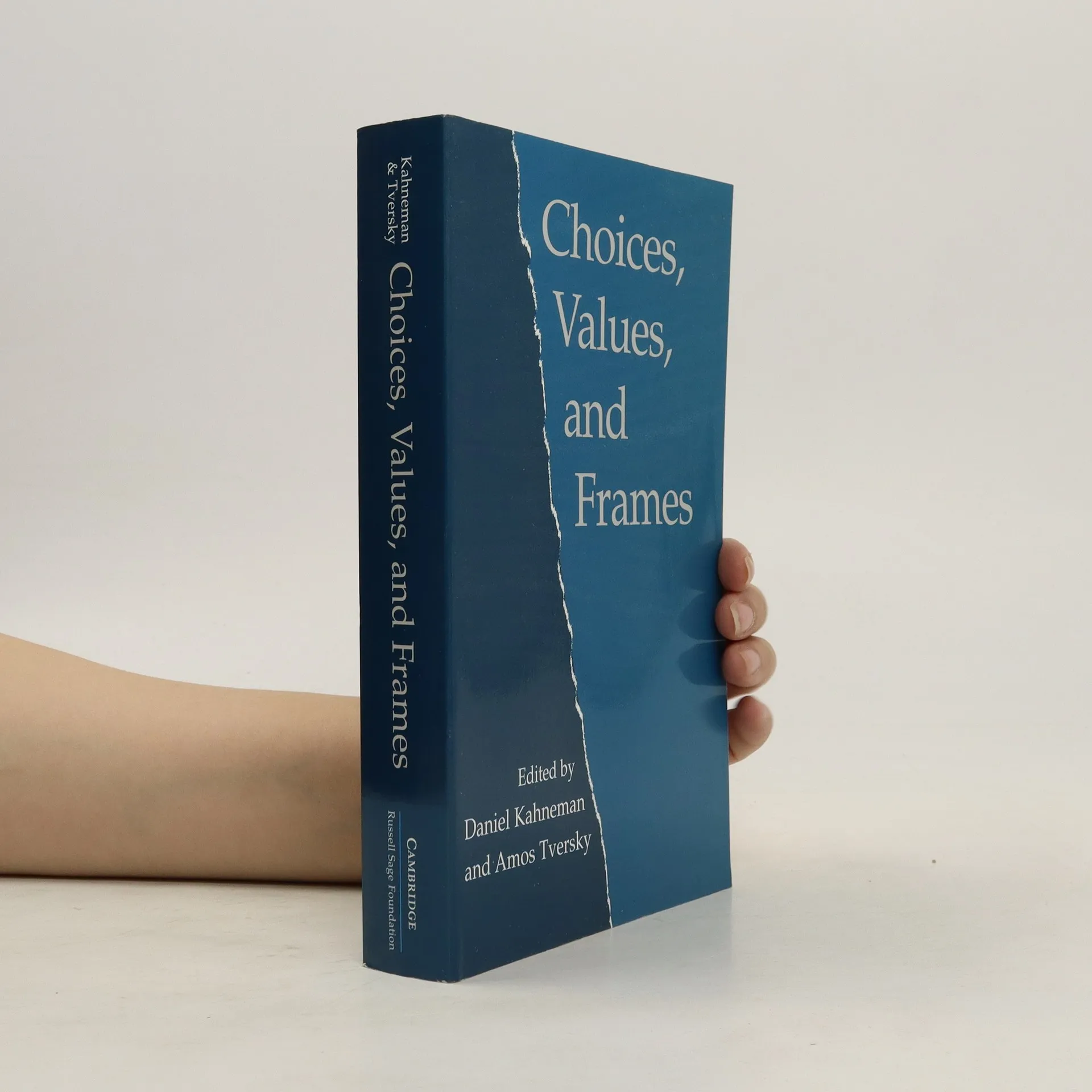
Choices, Values, and Frames
- 860 Seiten
- 31 Lesestunden
Choices, Values, and Frames presents an empirical and theoretical challenge to classical utility theory, offering prospect theory as an alternative framework. Extensions and applications to diverse economic phenomena and to studies of consumer behavior are discussed. The book also elaborates on framing effects and other demonstrations that preferences are constructed in context, and it develops new approaches to the standard view of choice-based utility. As with the classic 1982 volume, Judgment Under Uncertainty, this volume is comprised of papers published in diverse academic journals. The editors have written several new chapters and a preface to provide a context for the work.
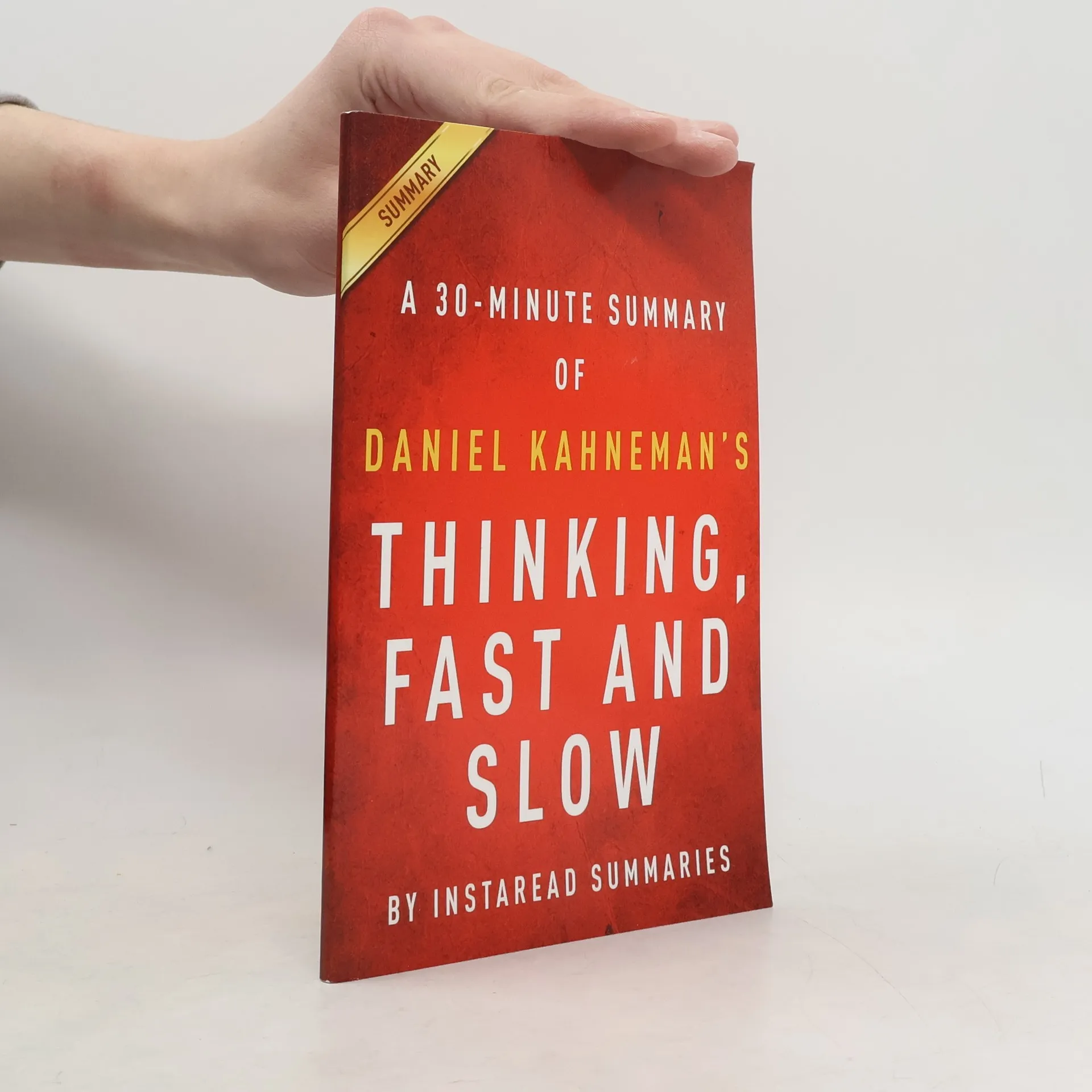
Instaread Summaries: Thinking, Fast and Slow by Daniel Kahneman - A 30-Minute Summary
- 108 Seiten
- 4 Lesestunden
With Instaread Summaries, you can get the summary of a book in 30 minutes or less. We read every chapter, summarize and analyze it for your convenience. This is an Instaread Summary of Thinking, Fast and Slow by Daniel Kahneman. Below is a preview of the earlier sections of the summary: In this book, Daniel Kahneman aims to identify and understand errors of judgment and choice, providing a richer vocabulary to discuss these issues. Collaborating with Amos Tversky, they researched intuitive statistics and realized their own intuitions were flawed. Their subjective judgments were biased, leading them to accept research findings based on insufficient evidence and to gather too few observations in their studies. They sought to determine if other researchers faced similar challenges. Their findings revealed that participants often ignored relevant statistical facts, relying instead on resemblance as a heuristic to simplify complex judgments. This reliance led to predictable biases in their predictions. They discovered that people assess the importance of issues based on how easily they can recall them, largely influenced by media coverage. Kahneman offers insights into how the mind operates, highlighting the distinctions between fast (intuitive) and slow (deliberate) thinking. He emphasizes a common limitation: an excessive confidence in what individuals believe they know.
Sociálna inteligencia
- 208 Seiten
- 8 Lesestunden
Aký rozdiel je medzi prirodzeným (intuitívnym) a formálno-logickým usudzovaním? Sú všetky logické chyby zlé? Aké postupy (heuristiky) používa intuitívne usudzovanie? Prečo sú hybnou silou rozvoja intelektu sociálne vzťahy? Aké komunikačné riziká sú spojené s informáciami získanými prostredníctvom svedectva? Na základe čoho vieme odhadnúť, čo sa deje v mysli iného? Prečo sa etnické klasifikácie zásadne líšia od iných sociálnych klasifikácií, napríklad profesijných či športových? Práve na tieto otázky hľadajú odpovede autori knihy Sociálna inteligencia. Prvú časť knihy tvoria preklady prác renomovaných zahraničných autorov (D. Kahneman, G. Gigerenzer, N. Humphrey a D. Sperber). Druhá časť knihy obsahuje príspevky domácich autorov (J. Bašnáková, M. Filko, M. Kanovský, V. Kvasnička, E. Pauková, J. Pospíchal a J. Rybár). Sme presvedčení, že kniha môže pomôcť vedeckým pracovníkom a študentom počítačovej vedy, psychológie, antropológie, ekonómie a ďalších prírodných a sociálnych vied zorientovať sa v danej oblasti. Dúfame, že poslúži aj všetkým, ktorí sa chcú bližšie oboznámiť so súvislosťami medzi intuitívnym usudzovaním a sociálnou inteligenciou.
Наши действия и поступки определены нашими мыслями. Но всегда ли мы контролируем наше мышление? Нобелевский лауреат Даниэль Канеман объясняет, почему мы подчас совершаем нерациональные поступки и как мы принимаем неверные решения. У нас имеется две системы мышления. «Медленное» мышление включается, когда мы решаем задачу или выбираем товар в магазине. Обычно нам кажется, что мы уверенно контролируем эти процессы, но не будем забывать, что позади нашего сознания в фоновом режиме постоянно работает «быстрое» мышление – автоматическое, мгновенное и неосознаваемое…