

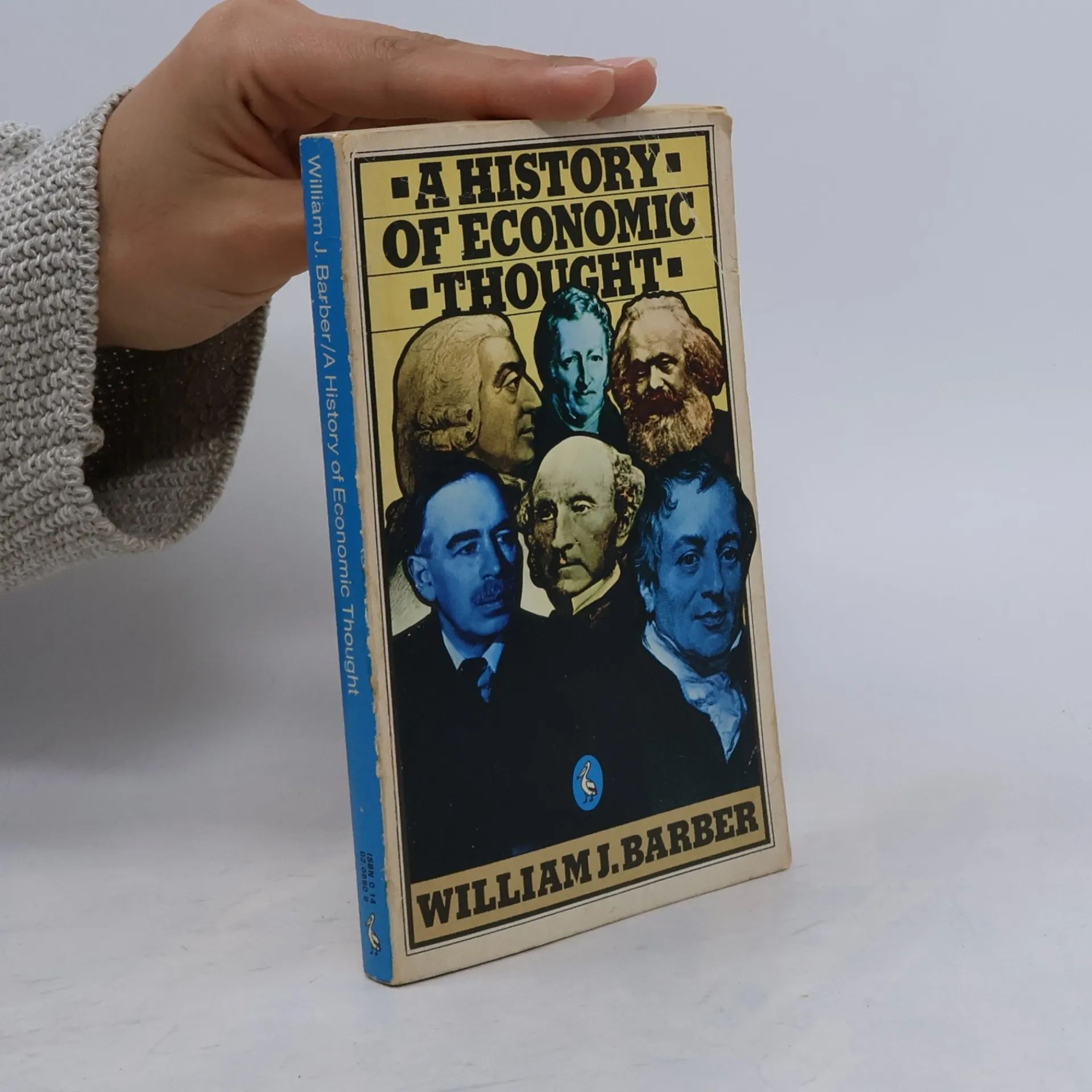
Study of the grand ideas in economics has a perpetual intellectual fascination in it's own right. It can also have practical relevance, as the global economic downturn that began in 2007 reminds us. For several decades, the economics establishment had been dismissive of Keynesianism, arguing that the world had moved beyond the "depression economics" with which it dealt. Keynesian economics, however, has now staged a comeback as governments attempt to formulate policy responses to the Great Recession of the first decade of the twenty-first century. Many of the issues that faced economists in the past are still with us. The theories and methods of such men as Adam Smith, T. R. Malthus, David Ricardo, J.S. Mill, Karl Marx, Alfred Marshall, and J. M. Keynes are often relevant to us today--and we can always learn from their mistakes. In his stimulating analysis Professor Barber assesses the thought of a number of important economists both in terms of the issues of their day and in relation to modern economic thought. By concentrating on the greatest exponents he highlights the central properties of the four main schools of economic thought - classical, Marxian, neo-classical, and Keynesian - and shows that although each of these traditions is rooted in a different stage of economic development, they can all provide insights into the recurring problems of modern economics.
William J. Barber Bücher
William J. Barber II ist ein amerikanischer protestantischer Geistlicher und politischer Aktivist, der sich leidenschaftlich für soziale Gerechtigkeit einsetzt. Als führende Persönlichkeit der NAACP und Vorsitzender ihres Legislative Political Action Committee treibt er die Bewegung für Bürgerrechte und Gleichbehandlung voran. Seine Arbeit verbindet Glaube und Aktivismus auf eindrucksvolle Weise und setzt sich für die Anliegen marginalisierter Gemeinschaften und den systemischen Wandel ein.

Designs Within Disorder
Franklin D. Roosevelt, the Economists, and the Shaping of American Economic Policy, 1933 1945
- 192 Seiten
- 7 Lesestunden
The book explores Franklin D. Roosevelt's reliance on economic theories to address the Great Depression, mobilize for war, and establish a postwar order. It examines the competition among various economic perspectives that influenced his policy decisions during a time of significant economic and intellectual transformation. Roosevelt's initiatives not only redefined the American economy and government roles but also reshaped the discipline of economics itself, with many of his policies remaining influential for decades.
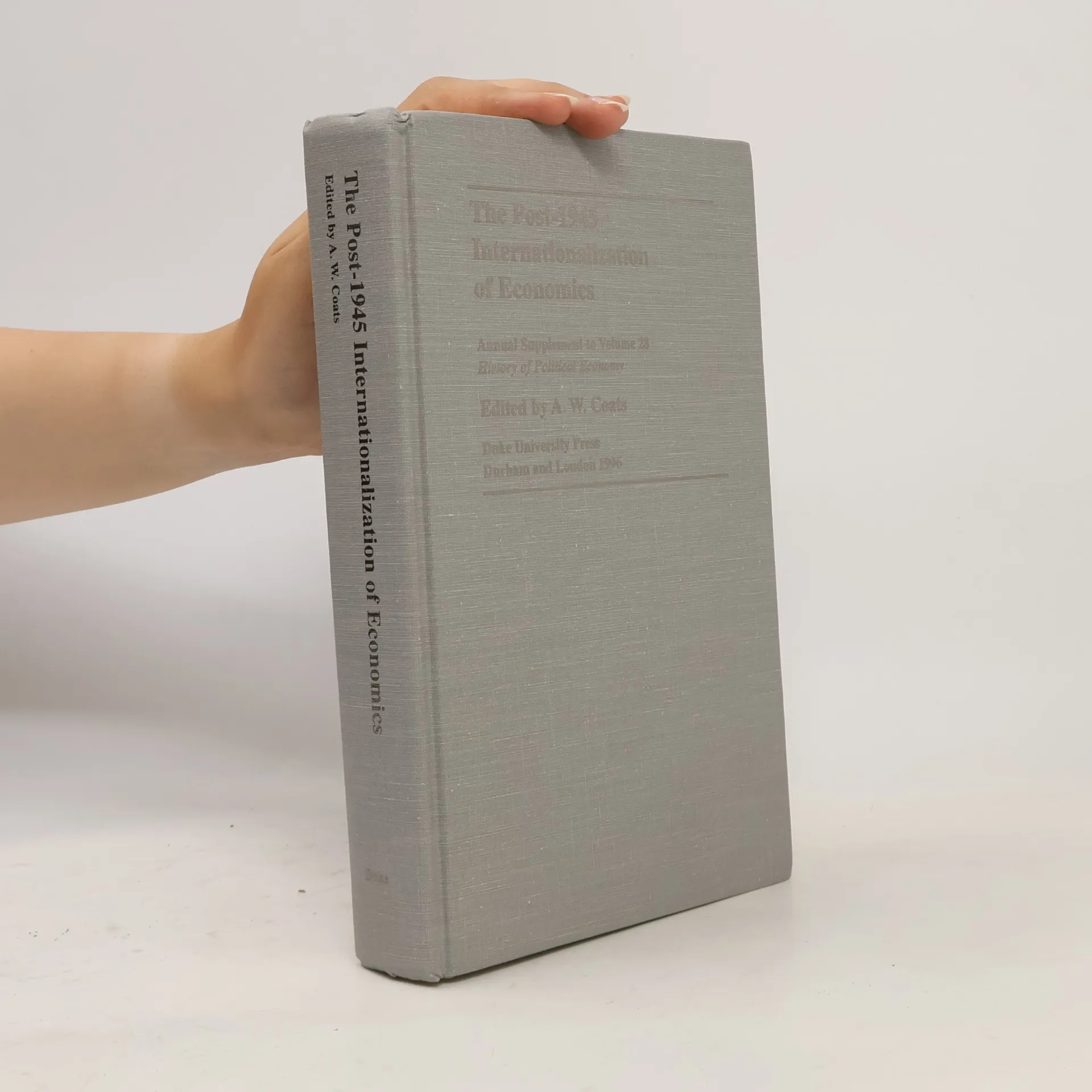
History of Political Economy - 28: The Post-1945 Internationalization of Economics
Annual Supplement
- 280 Seiten
- 10 Lesestunden
In addressing the internationalization of economics after 1945, these essays are concerned with aspects of economic education, the economist’s role in policymaking, and the sociology and professionalization of the discipline. These matters have rarely been considered in international terms. While discussing organizations such as the World Bank, International Monetary Fund, and the European Community, and presenting studies that are primarily concerned with the effect of these developments in particular countries, this volume focuses on the situation of Latin America. Arguably, the post-1945 internationalization of economics has proceeded further, more dramatically, and with greater effect in that continent than in any other region of comparable size. Contributors . S. Ambirajan, William Ascher, William J. Barber, Young Back Choi, A. W. Coats, Barend de Vries, Margaret Garrison de Vries, Peter Groenewegen, Arnold Harberger, Aiko Ikeo, Maria Rita Loureiro, Ivo Maes, Veronica Montecinos, Jacques J. Polak, Pier Luigi Porta, Bo Sandelin, Ann Veiderpass, John Williamson