
John Stilgoe ist ein Historiker und Fotograf, dessen Werk sich mit Landschaft und visueller Kultur beschäftigt. Er beobachtet aufmerksam die komplexe Beziehung zwischen Menschen und ihrer Umwelt und untersucht, wie visuelle Elemente unsere Wahrnehmung der Welt prägen. Stilgoes Ansatz bietet Lesern eine einzigartige Perspektive auf die alltägliche Landschaft.
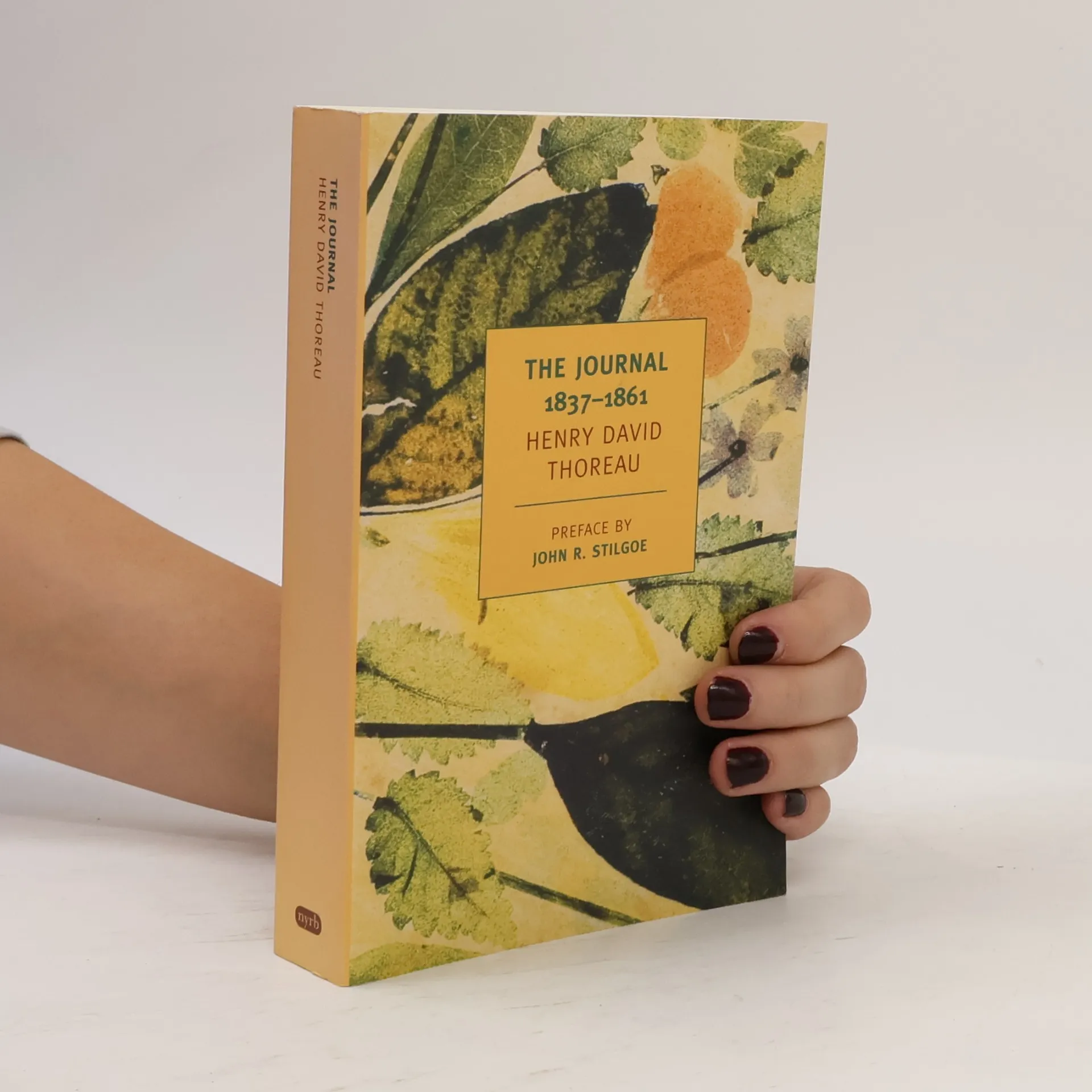
Henry David Thoreau’s Journal was his life’s work: the daily practice of writing that accompanied his daily walks, the workshop where he developed his books and essays, and a project in its own right—one of the most intensive explorations ever made of the everyday environment, the revolving seasons, and the changing self. It is a treasure trove of some of the finest prose in English and, for those acquainted with it, its prismatic pages exercise a hypnotic fascination. Yet at roughly seven thousand pages, or two million words, it remains Thoreau’s least-known work. This reader’s edition, the largest one-volume edition of Thoreau’s Journal ever published, is the first to capture the scope, rhythms, and variety of the work as a whole. Ranging freely over the world at large, the Journal is no less devoted to the life within. As Thoreau says, “It is in vain to write on the seasons unless you have the seasons in you.”
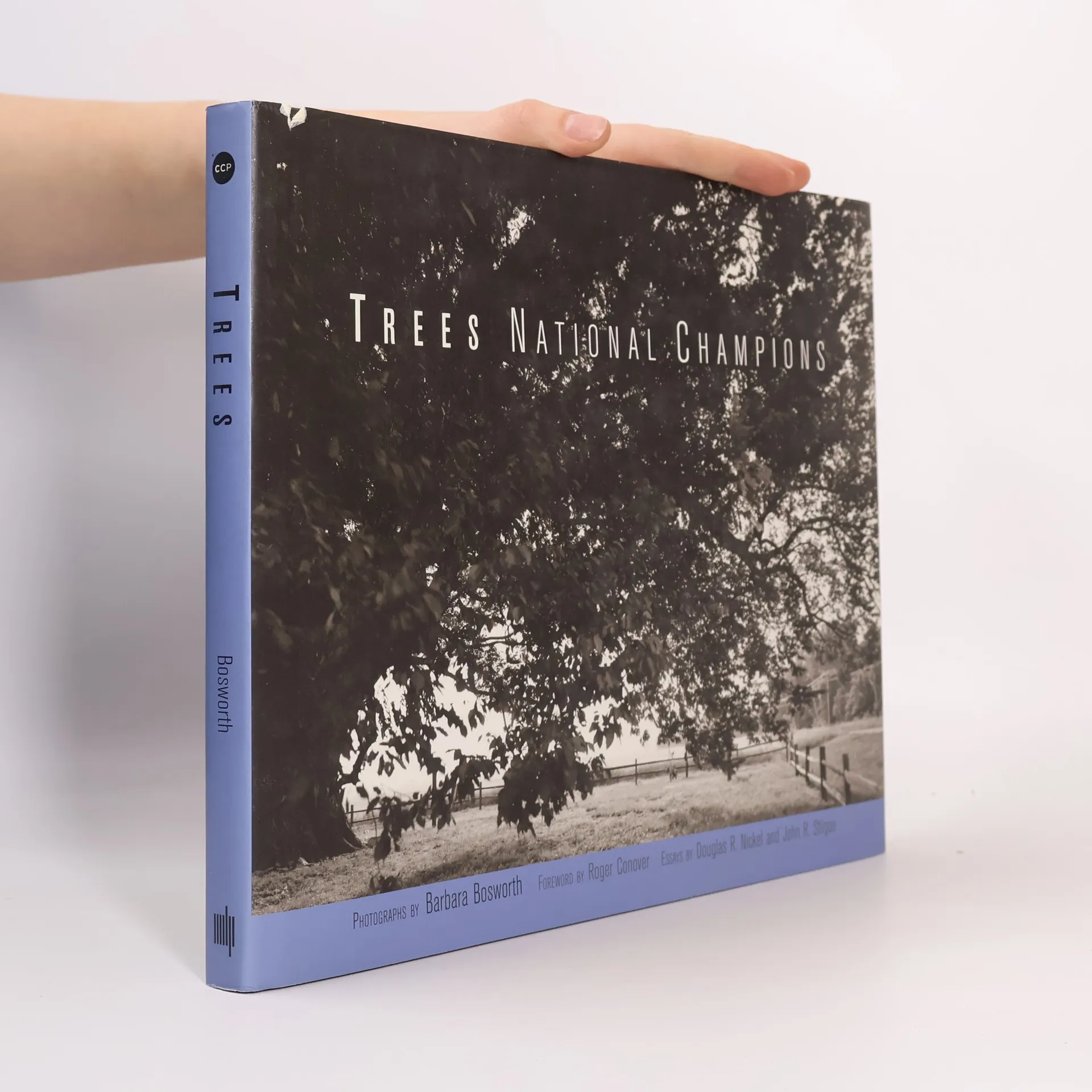
Trees capture our imagination because they are rooted solidly in the earth but point ethereally toward the sky. They occupy a dimension that has as much to do with time and patience as with place and landscape. They are vertical beings to whom we attribute qualities both divine and human. Since 1991, photographer Barbara Bosworth has been on a quest to photograph America's "champion" trees -- trees that are the biggest of their species, as recorded in the National Register of Big Trees, a list established and maintained by the nonprofit conservation organization American Forests. She has traveled down highways and up back roads, walked through forests and across clear-cut land, sometimes led by local tree enthusiasts, sometimes alone, to photograph trees that are remarkable not only for their size but for their endurance.Bosworth finds champion trees in backyards, fields, and forests, near roadways, power lines, and sidewalks. Her photographs document the trees' magnificence but also show how they are markers of a changing landscape. The yellow poplar, for example, stands on the fringes of a suburban housing development, in the center of a park for the enjoyment and relaxation of residents. The western red cedar stands alone in the middle of a clear-cut, saved from logging only because it is recorded in the Register as the biggest of its kind. The trees and their surroundings tell us about our relationship with nature and the land.Bosworth captures the ineffable grace and dignity of trees with clarity and directness: the green ash that shades a midwestern crossroads, the common pear that blooms in a Washington field, and the Florida strangler fig with its mass of entwining aerial roots. Her photographs, panoramic views taken with an 8 x 10 camera, show the immensity of the largest species and the hidden triumphs of the smallest. Some trees are dethroned each year because of sickness or destruction, but more often simpy because a new and bigger specimen is discovered; only three trees from the original Register in 1940 are still living today. Bosworth's 70 photographs of champion trees are not only a collection of tree portraits but the story of an American adventure as well.A copublication with the Center for Creative Photography, University of Arizona, Tucson.