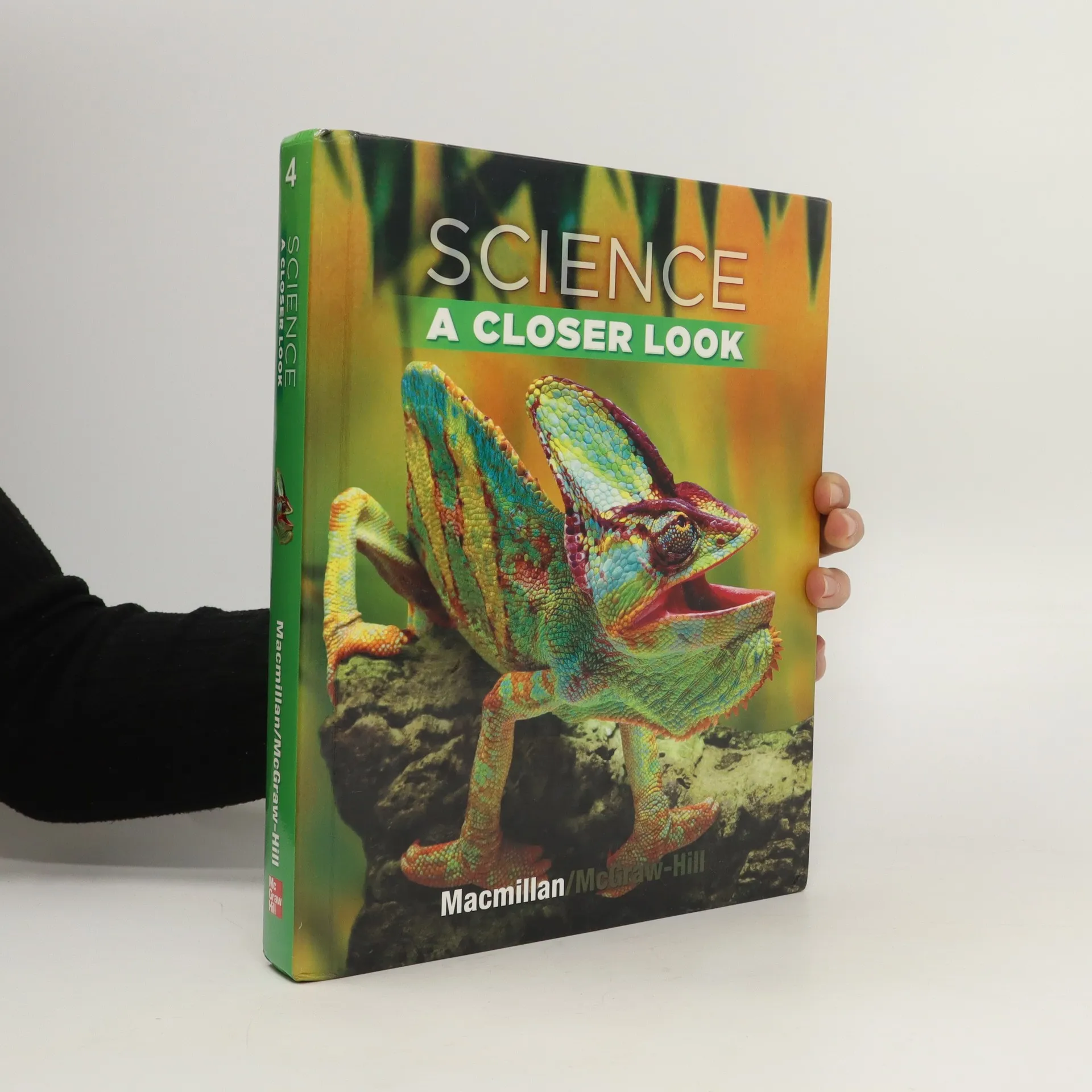
Grade 4 provides a variety of engaging, hands-on experiences that build understanding of science content. Each lesson is supported by a wealth of vibrant visuals designed to motivate students.
The curriculum emphasizes experiential learning, encouraging students to engage with mathematical concepts through hands-on activities and connections between ideas. Funded by the NSF, it aims to deepen understanding and foster critical thinking in mathematics, promoting an active approach to learning.
McGraw-Hill, the nations #1 educational publisher for grades K-12, has combined their top-selling Spectrum workbook line with the highly respected Mercer Mayer Little Critter(R) characters. Our easy-to-follow instructions and comprehensive coverage will help your child master the math fundamentals with additional help from the wholesome Mercer Mayer Little Critter(R) characters. This is the same exact workbook as the starburst Spectrum workbook except for the cover being different. -more than 140 full-color pages -soft cover -answer key included -perforated pages
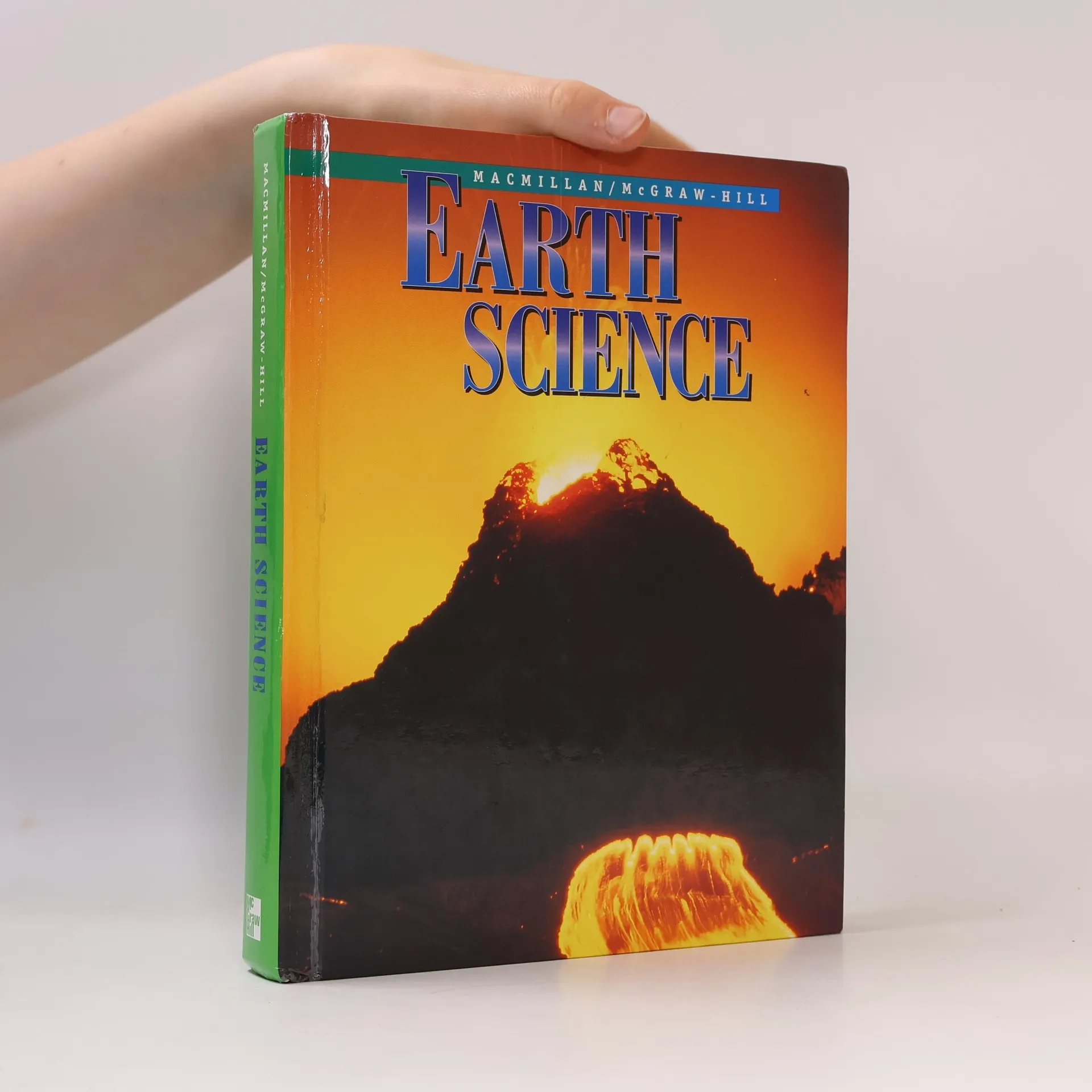
119 PAGES , HARDCOVER COVERS AIR WATER AND CLIMATE, EARTH;S RICHES , OCEANS IN MOTION , EARTHLS SOLID CRUST, EARTH AND BEYOND, EARTH CHANGES THROUGH TIME