

The building of the Suez Canal was considered the greatest engineering feat of the 19th century, but, as Zachary Karabell shows in this book, there was much more to it than just a marvel of construction. In addition, Parting the Desert describes an extraordinary meeting between East and West.
Zachary Karabell Bücher



Peace Be Upon You: Fourteen Centuries of Muslim, Christian, and Jewish Conflict and Cooperation
- 352 Seiten
- 13 Lesestunden
In a narrative that is at once thoughtful and passionate, an award-winning historian reveals the history of peaceful coexistence between Muslims, Christians, and Jews over the course of fourteen centuries until the present day. The harsh reality of religious conflict is daily news, and the rising tensions between the West and Islam show no signs of abating. However, the relationship between Muslims, Christians, and Jews has not always been marked with animosity; there is also a deep and nuanced history of peace. From the court of caliphs in ancient Baghdad, where scholars engaged in spirited debate, to present-day Dubai, where members of each faith work side by side, Karabell traces the forgotten legacy of tolerance and cooperation these three monotheistic religions have enjoyed—a legacy that will be vital in any attempt to find common ground and reestablish peace.
This sweeping history delves into the legendary private investment firm Brown Brothers Harriman and its pivotal role in American wealth and global power. Throughout the nineteenth century, amid financial panics, the firm strengthened the U.S. financial system and catalyzed booms in various industries while largely evading the scrutiny faced by competitors. By the early twentieth century, it was central to the American Establishment. As America expanded internationally, Brown Brothers collaborated closely with the State Department, notably in Nicaragua, where it effectively took control of the economy. The Brown family viewed their dealings as virtuous, believing their Protestant values were essential for civilizing the world. During the Great Depression, the merger with Averell Harriman's bank solidified the firm's influence, leading to significant roles in shaping the international system during and after World War II. Acclaimed historian Zachary Karabell provides an in-depth look at this institution, utilizing complete access to its archives and a keen understanding of historical forces. Today, Brown Brothers Harriman remains a private partnership, exemplifying sustainable capitalism while avoiding the speculative pitfalls of recent decades. Its enduring philosophy emphasizes that the relentless pursuit of more can often lead to destruction rather than creation.
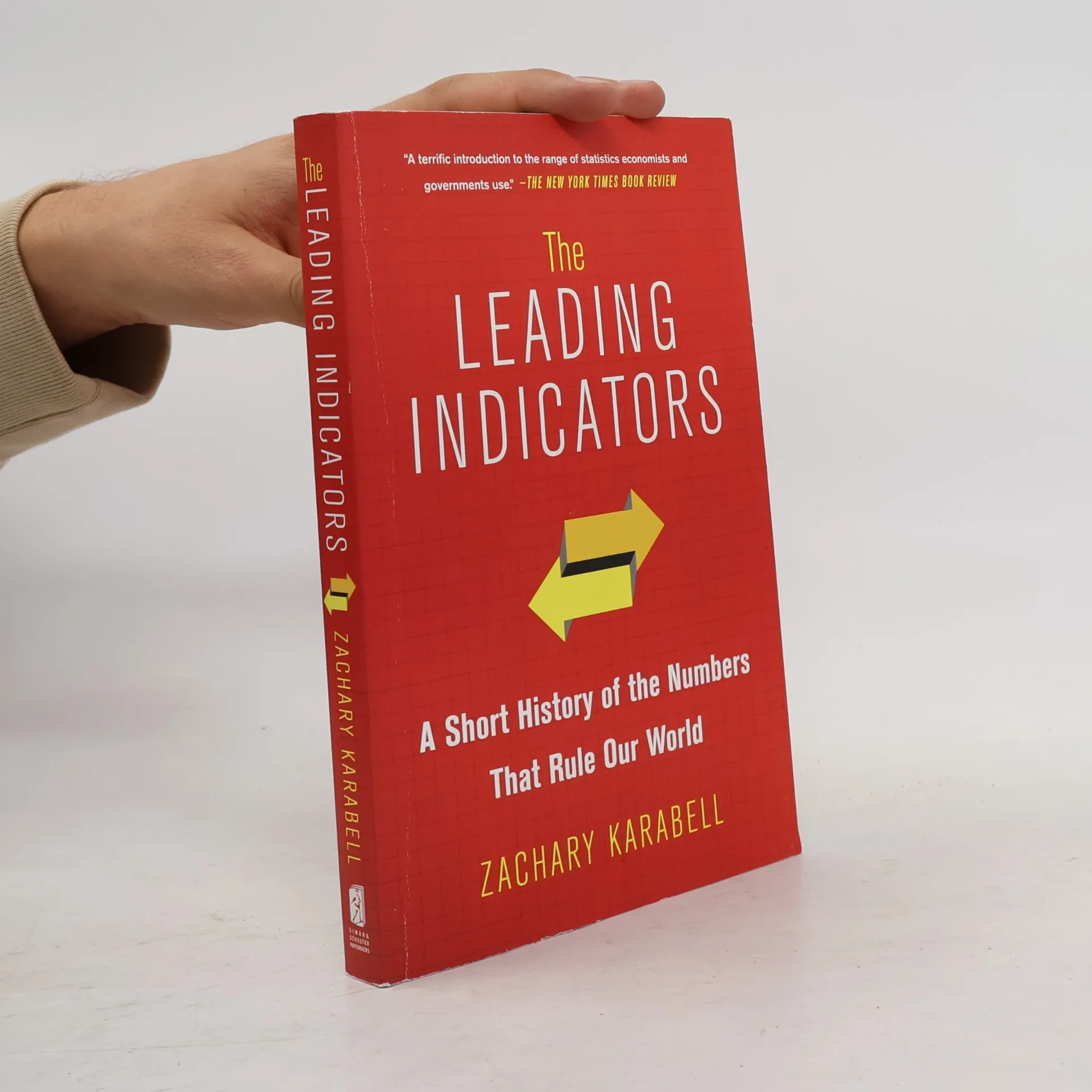
Every day, we encounter numbers that shape our understanding of the economy and our future, such as gross national product, unemployment, and inflation. Yet, few grasp their origins or significance. In "The Leading Indicators," Zachary Karabell explores the history of these metrics, developed during the mid-twentieth century in response to the Great Depression, World War II, and the Cold War. Initially created as rough measures for centralized, industrial nations, these indicators still guide us today. However, in our modern world, characterized by information technology and the global flow of capital, relying on outdated metrics can lead to confusion. Karabell emphasizes the need to leverage the current data revolution, which provides unprecedented access to relevant information. Businesses should not base strategies solely on GDP; individuals should seek local indicators when making decisions about buying homes or pursuing education. National statistics can be misleading, while personalized, localized data can better inform our choices. The revolution in data access is already underway, and we must engage with it to find the indicators that truly meet our needs in today’s complex environment.