

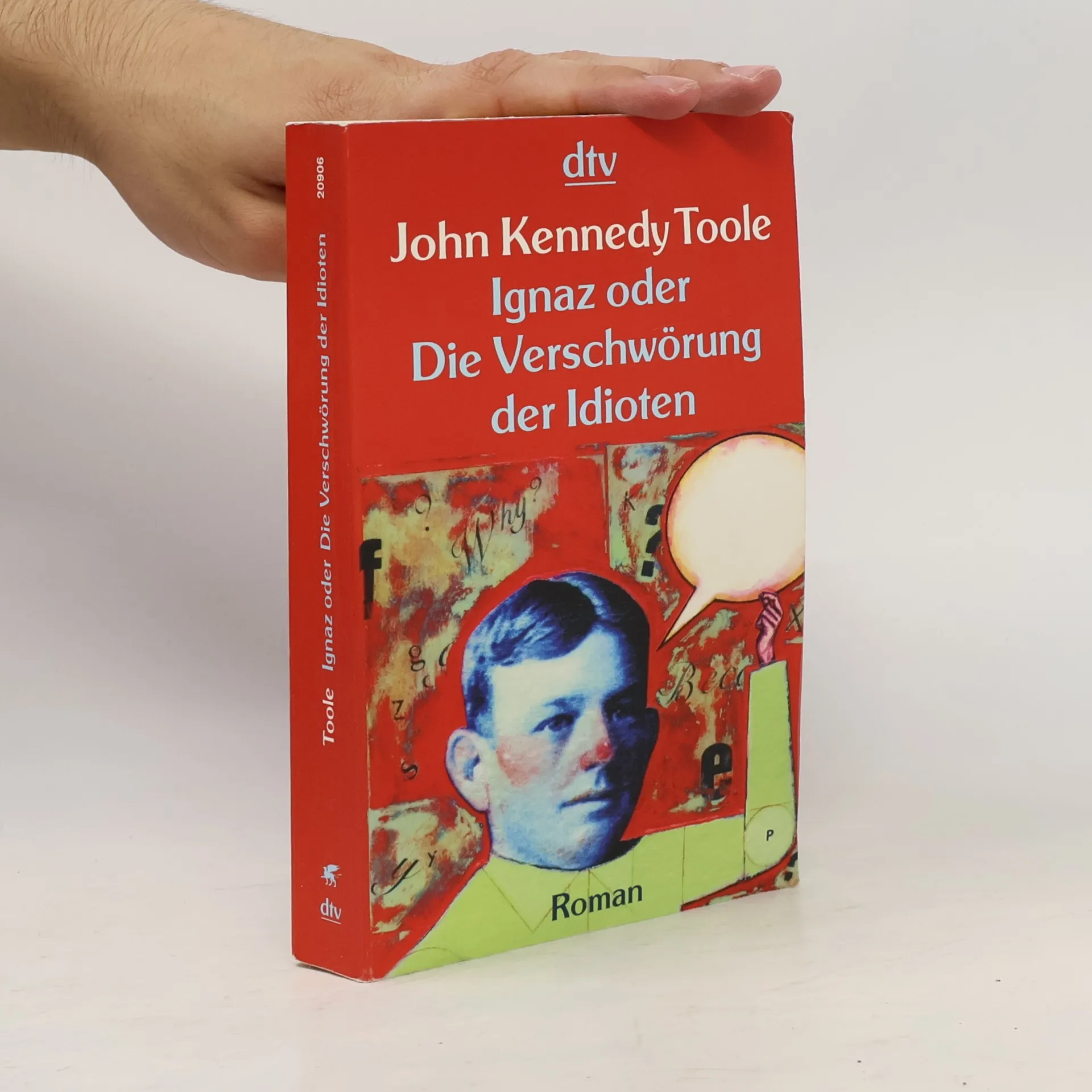
Ignaz J. Reilly – ein »Wirrkopf von Gottes Gnaden, ein fetter Don Quijote, ein perverser Thomas von Aquin« und in der Tat einer der originellsten Helden, den die amerikanische Literatur je hervorgebracht hat. Eines Tages nun wird dieser sich bisher stoisch jeder produktiven Betätigung verweigernde Fleischberg von seiner Mutter gezwungen, sich nach einem Job umsehen. Reillys berufliche Odyssee führt ihn von einer heruntergekommenen Hosenfabrik – in der er das Problem der Ablage mit Hilfe des Papierkorbs löst und eine Revolte unter den schwarzen Arbeitern anzettelt – ins French Quarter von New Orleans, wo ihm ein fahrbare Wurststand anvertraut wird. Aber auch dieser Beruf bietet keine Zukunft, denn als Hot-Dog-Verkäufer ist er sein bester Kunde. Ignaz trägt sich indes bald mit neuen Plänen: Er wird eine Partei gründen, eine Partei der Sodomiten …
John Kennedy Toole Bücher
John Kennedy Toole war ein amerikanischer Romanautor, dessen Werke, darunter der gefeierte Roman 'Eine verschworene Gemeinschaft der Dummköpfe', zu Lebzeiten unveröffentlicht blieben. Nach seinem Tod brachte seine Mutter das Manuskript in die Hände des Schriftstellers Walker Percy, der maßgeblich zur Veröffentlichung beitrug. Toole's Schreiben wird für seinen unverwechselbaren Humor und seine scharfen Beobachtungen der menschlichen Verfassung gefeiert. Seine einzigartige literarische Stimme bietet eine fesselnde Auseinandersetzung mit Charakter und Gesellschaft, die posthum mit dem Pulitzer-Preis für Fiktion ausgezeichnet wurde.

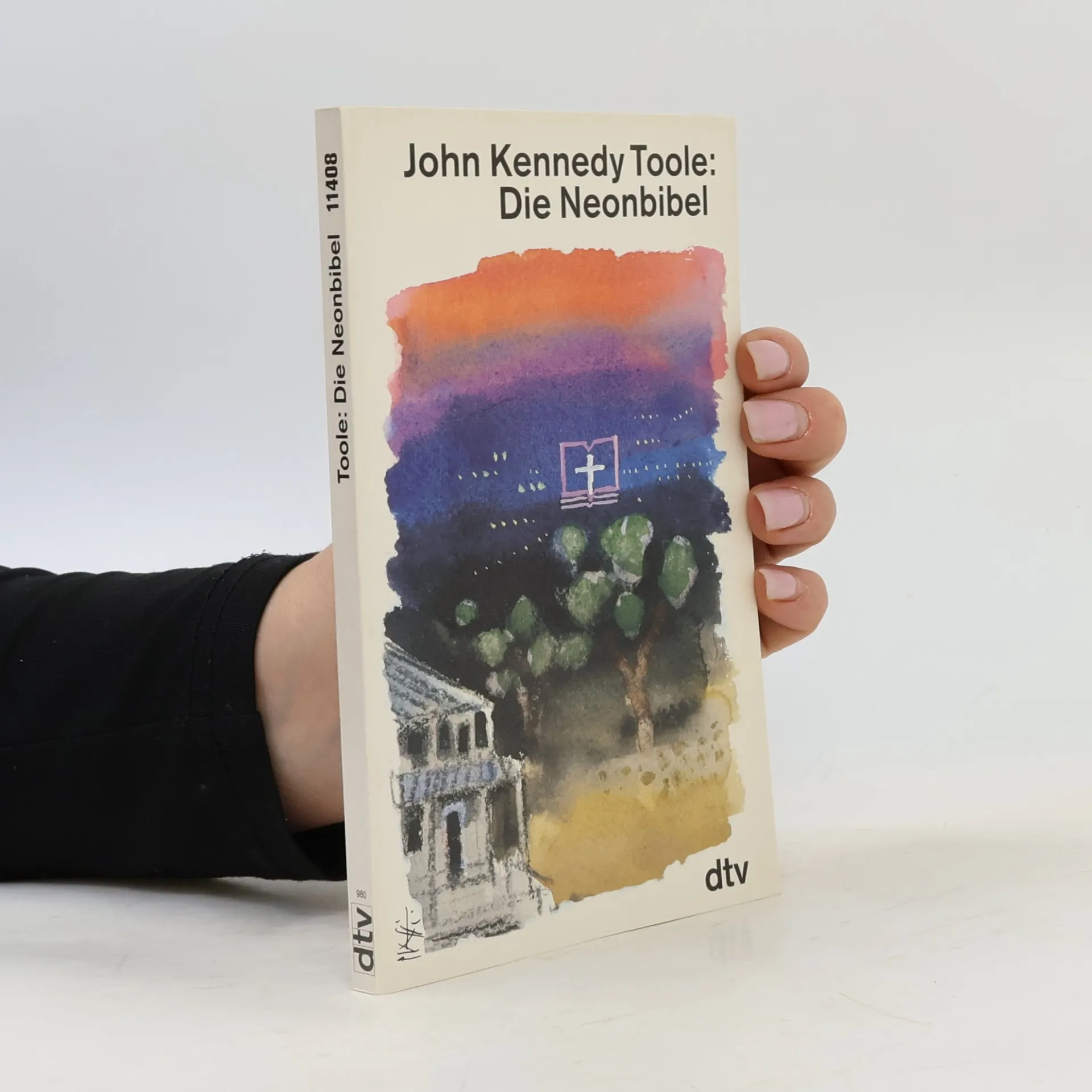
Die Neonbibel erzählt die Geschichte von David, einem jungen Jungen, der in einer kleinen Stadt im Süden in den 1940er Jahren aufwächst. Davids Stimme ist perfekt abgestimmt, entwaffnend lustig, traurig und scharfsinnig, und gewinnt von Seite zu Seite an Kraft mit einer emotionalen Direktheit, die niemals ins Sentimentale abgleitet. Durch sie teilen wir seine unbeholfene, schmerzhafte und universell erkennbare Begegnung mit der ersten Liebe, nehmen an der Wiederbelebung des Jungen-Evangelisten Bobbie Lee Taylor teil und lernen die frommen, bigotten Stadtbewohner kennen. Von den ersten Zeilen an ist David voll lebendig, naiv und doch scharfsinnig, und zieht uns durch die sichere Kunstfertigkeit von John Kennedy Toole in seine Welt. John Kennedy Toole schrieb Die Neonbibel im Alter von sechzehn Jahren für einen Literaturwettbewerb. Das Manuskript lag lange Zeit in einer Schublade und wurde zum Gegenstand eines Rechtsstreits unter Toole's Erben. Erst 1989, fünfunddreißig Jahre nach seiner Entstehung und zwanzig Jahre nach Toole's Selbstmord mit einunddreißig, wurde dieser bemerkenswert vollendete und eindringliche Roman zur Veröffentlichung freigegeben.
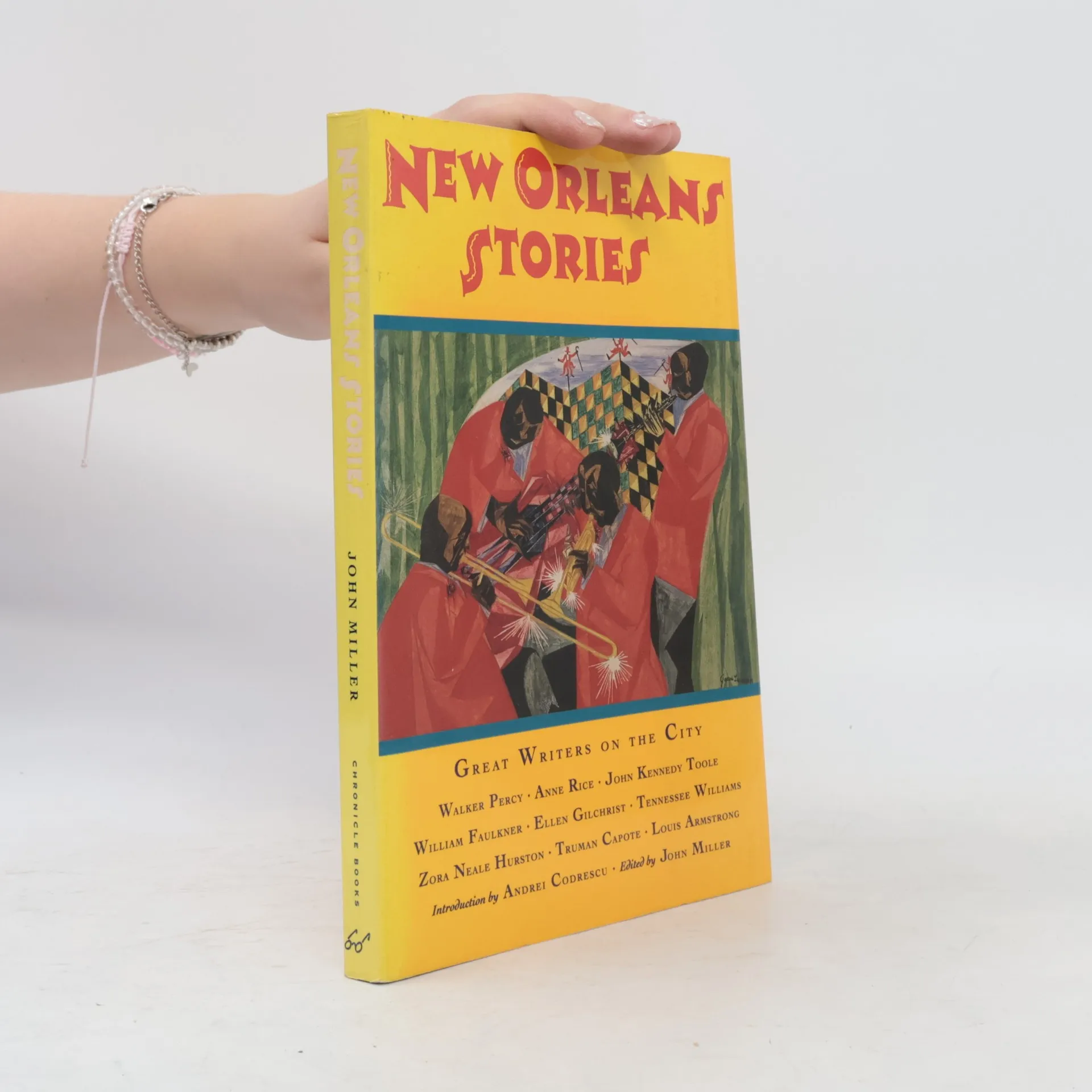
Alive with jazz and tropical flowers, its streets an intoxicating 24-hour party, New Orleans exerts a hypnotic effect on virtually every visitor and resident, but perhaps none have been more susceptible to its exotic charm than the writers who have lived there. From Mark Twain to William Faulkner to Anne Rice; from Kate Chopin to Zora Neale Hurston to Ellen Gilchrist; from Tennessee Williams to Truman Capote to Walker Percy, the authors in this remarkable collection celebrate the city that stirs their imaginations as no other can. Third in our best-selling series of anthologies centered around America's great cities, New Orleans Stories includes not only "literature," but also interviews, ghost stories, and voodoo charms. Perfect for first-time visitors as well as longtime residents, it re-creates the heady, mesmerizing atmosphere of New Orleans itself.