

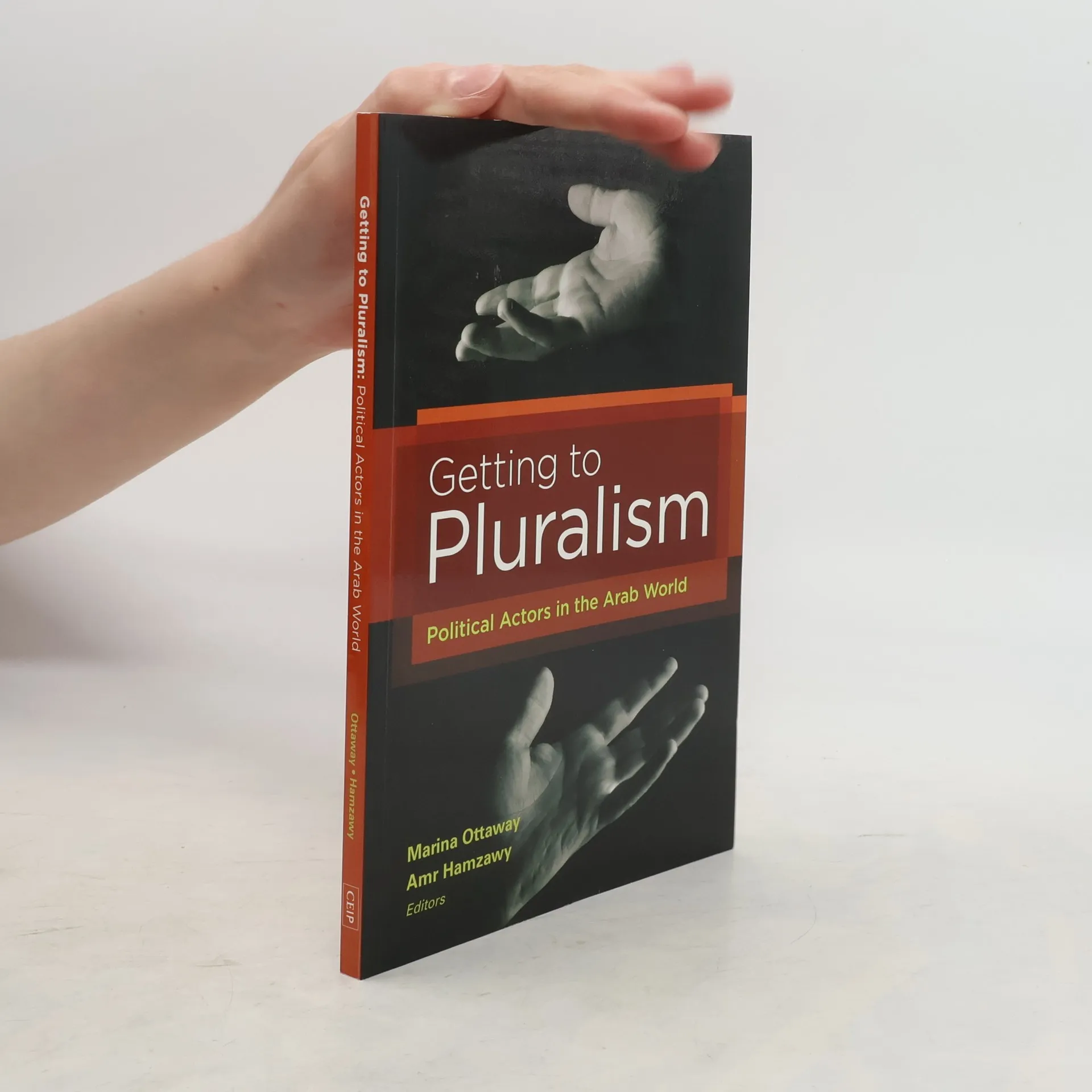
Pluralism in the Arab world has not yet matured into functional democratic politics. While ruling establishments, Islamist movements, and secular parties have introduced a much greater degree of pluralism into Arab societies, the imbalance of power and interdependence among these actors limits both the degree of political diversity and its effectiveness at bringing about reforms. The Arab world is likely to grapple with political apathy, low voter turnout, dwindling membership in registered parties, and shrinking constituencies for the foreseeable future. Even the Islamists, who demonstrated great ability to organize and gain followers in the past, have begun showing signs of decreasing popularity. Getting to Political Actors in the Arab World explores the balance of power between the disparate political forces of the Arab world. The essays in this volume examine the characteristics of the major political actors in great detail and assess the weaknesses of the secular parties. They also illustrate the complexities of Islamist participation in the political processes of several Arab countries—pointing out both similarities and differences. Finally, the authors evaluate how incumbent Arab regimes have been able to maintain their grip on power in spite of their claims that they support political and social reform.
Marina Ottaway Bücher
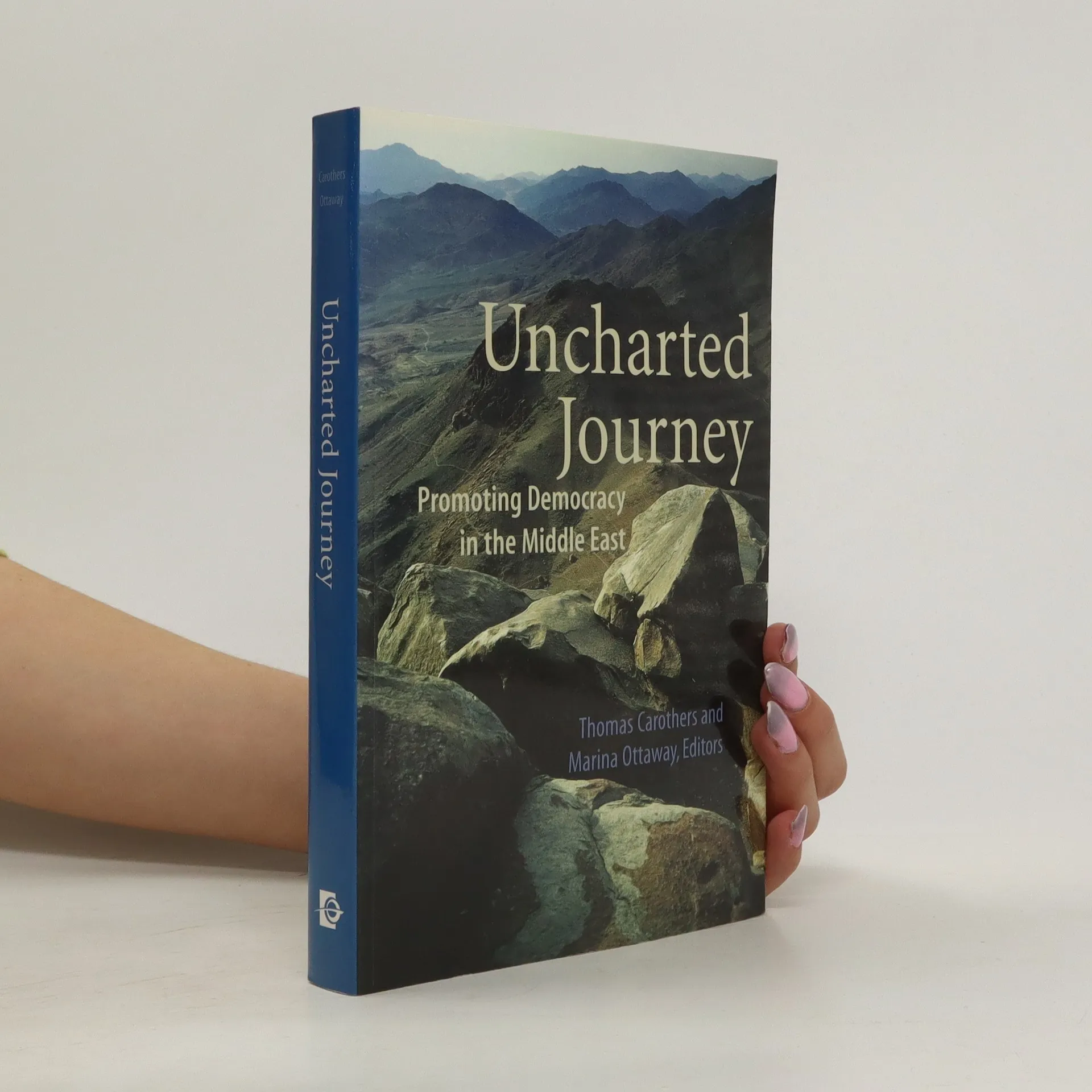
Uncharted Journey
- 302 Seiten
- 11 Lesestunden
The United States faces no greater challenge today than successfully fulfilling its new ambition of helping bring about a democratic transformation of the Middle East. Uncharted Journey contributes a wealth of concise, illuminating insights on this subject, drawing on the contributors' deep knowledge of Arab politics and their substantial experience with democracy-building in other parts of the world. The essays in part one vividly dissect the state of Arab politics today, including an up-to-date examination of the political shock wave in the region produced by the invasion of Iraq. Part two and three set out a provocative exploration of the possible elements of a democracy promotion strategy for the region. The contributors identify potential false steps as well as a productive way forward, avoiding the twin shoals of either reflexive pessimism in the face of the daunting obstacles to Arab democratization or an unrealistic optimism that fails to take into account the region's political complexities. Contributors include Eva Bellin (Hunter College), Daniel Brumberg (Carnegie Endowment), Thomas Carothers (Carnegie Endowment), Michele Dunne (Georgetown University), Graham Fuller, Amy Hawthorne (Carnegie Endowment), Marina Ottaway (Carnegie Endowment), and Richard Youngs (Foreign Policy Centre).
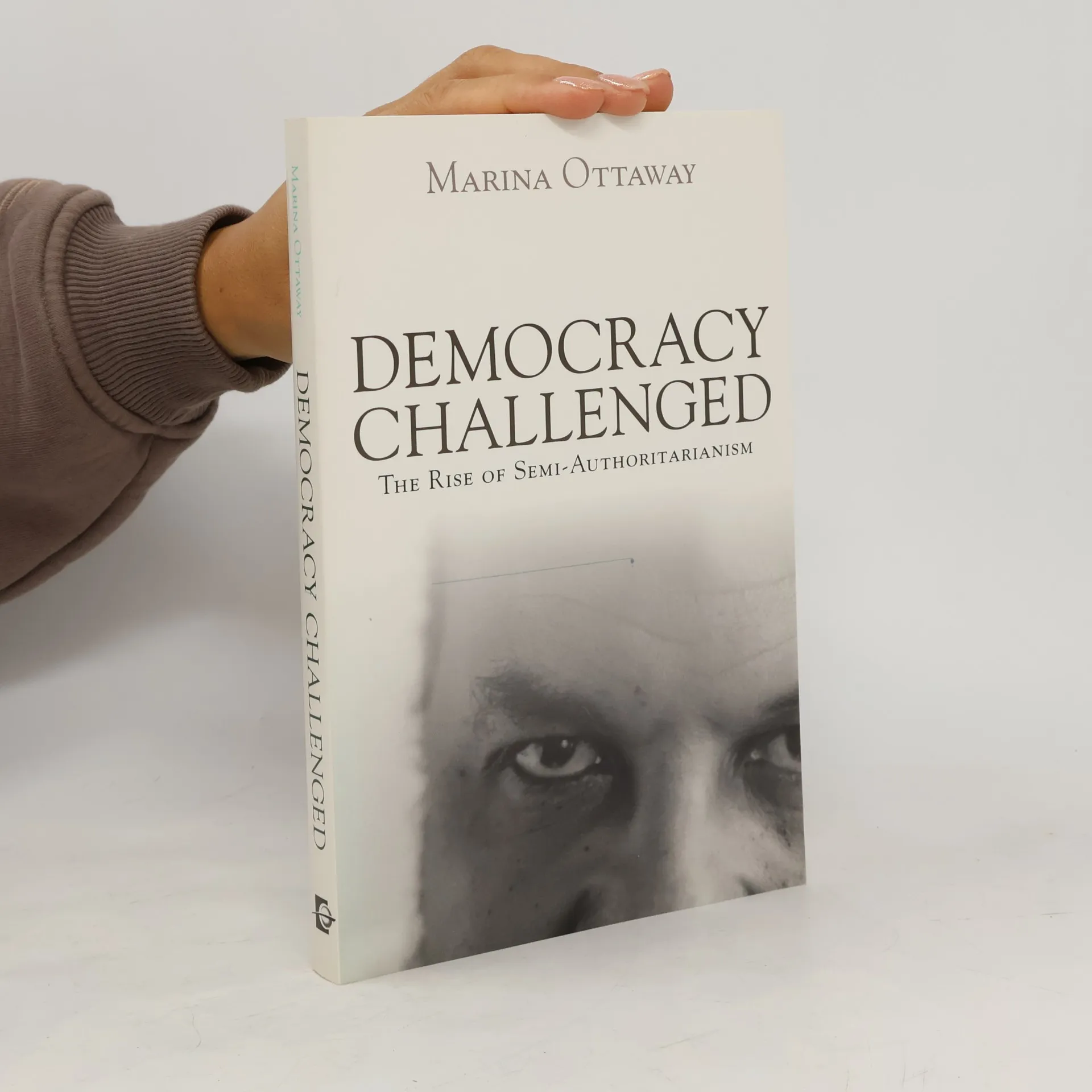
The book explores the rise of semi-authoritarian regimes in the 1990s, which blend elements of both democracy and authoritarianism, creating challenges for U.S. foreign policy. By examining Egypt, Azerbaijan, Venezuela, Croatia, and Senegal, it highlights the unique characteristics of these regimes and their implications for democratic transitions. The author critiques existing democracy promotion strategies, arguing they are inadequate for addressing the complexities of semi-authoritarian governance, and proposes alternative approaches for effective policymaking.
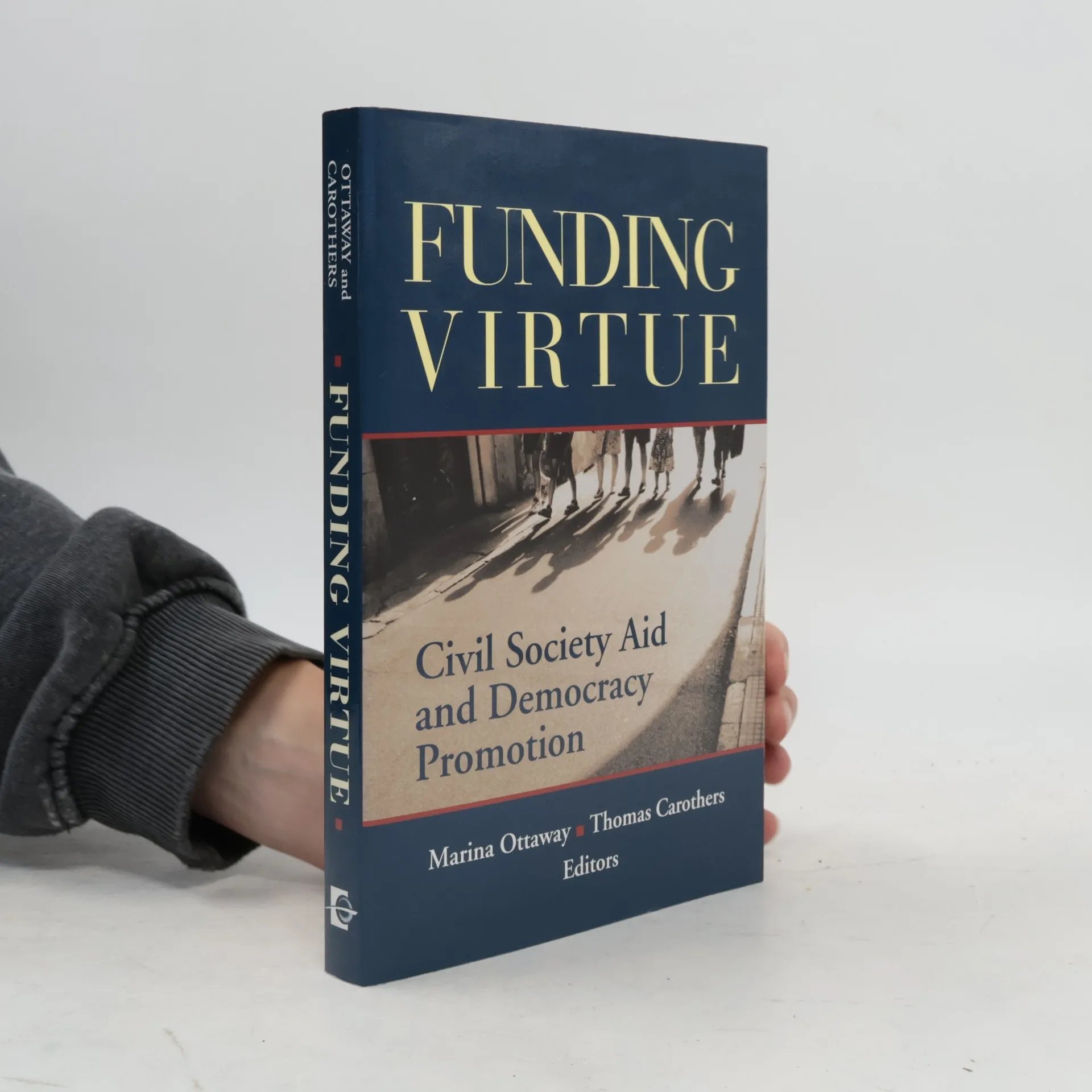
Funding Virtue
- 350 Seiten
- 13 Lesestunden
In recent years the United States and many other international donors have embraced civil society aid as a key tool of democracy promotion. They support thousands of NGOs around the world in the name of civil society development, investing in these organizations high hopes for fostering democratic participation and values.