
FINALNE WYDANIE PRZEŁOMOWEJ KSIĄŻKI LAUREATA NAGRODY NOBLA Codziennie podejmujemy wiele rozmaitych decyzji, począwszy od tego, na co chcemy wydawać pieniądze, jaką szkołę dla dzieci wybrać, co jeść, po sprawy, o które chcemy walczyć. Często te decyzje są nietrafione. Powodem jest to, że będąc ludźmi, jesteśmy podatni na wszelkiego rodzaju błędy, które mogą prowadzić do bolesnych pomyłek. Kierujemy się partykularnymi korzyściami, a ponadto nie mamy cierpliwości, nie potrafimy być zawsze zdyscyplinowani i racjonalni. Co jednak zrobić, by nasze wybory były choć trochę racjonalne? O tym jest właśnie książka Thalera i Sunsteina poświęcona teorii impulsu (szturchnięcia), która głosi, że nie ma konfliktu między swobodą wyboru a przymusem. Libertariański paternalizm! Co należy zrobić, by ludzie podejmowali korzystne dla siebie decyzje? Szturchnąć ich! Koncepcja Thalera i Sunsteina jest istotnym wsparciem w budowaniu m.in. pracowniczych programów emerytalnych czy opieki zdrowotnej. Ludzie potrzebują impulsów!
Richard Thaler Reihenfolge der Bücher
Richard H. Thaler ist ein amerikanischer Ökonom, dessen Arbeit sich auf die Verhaltensökonomie konzentriert. Seine Forschung untersucht, wie psychologische Faktoren wirtschaftliche Entscheidungen beeinflussen und stellt traditionelle Annahmen rationalen Verhaltens in Frage. Thalers Erkenntnisse haben das Verständnis menschlicher Irrationalität und ihrer Auswirkungen auf Märkte und Politik maßgeblich vorangetrieben. Sein Ansatz beleuchtet die Komplexität wirtschaftlicher Entscheidungsfindung und betont die Notwendigkeit, menschliche Psychologie zu berücksichtigen.


- 2024
- 2022
Nudge
Wie man kluge Entscheidungen anstößt | Der Klassiker der Verhaltensökonomie - Tipps vom Wirtschaftsnobelpreisträger
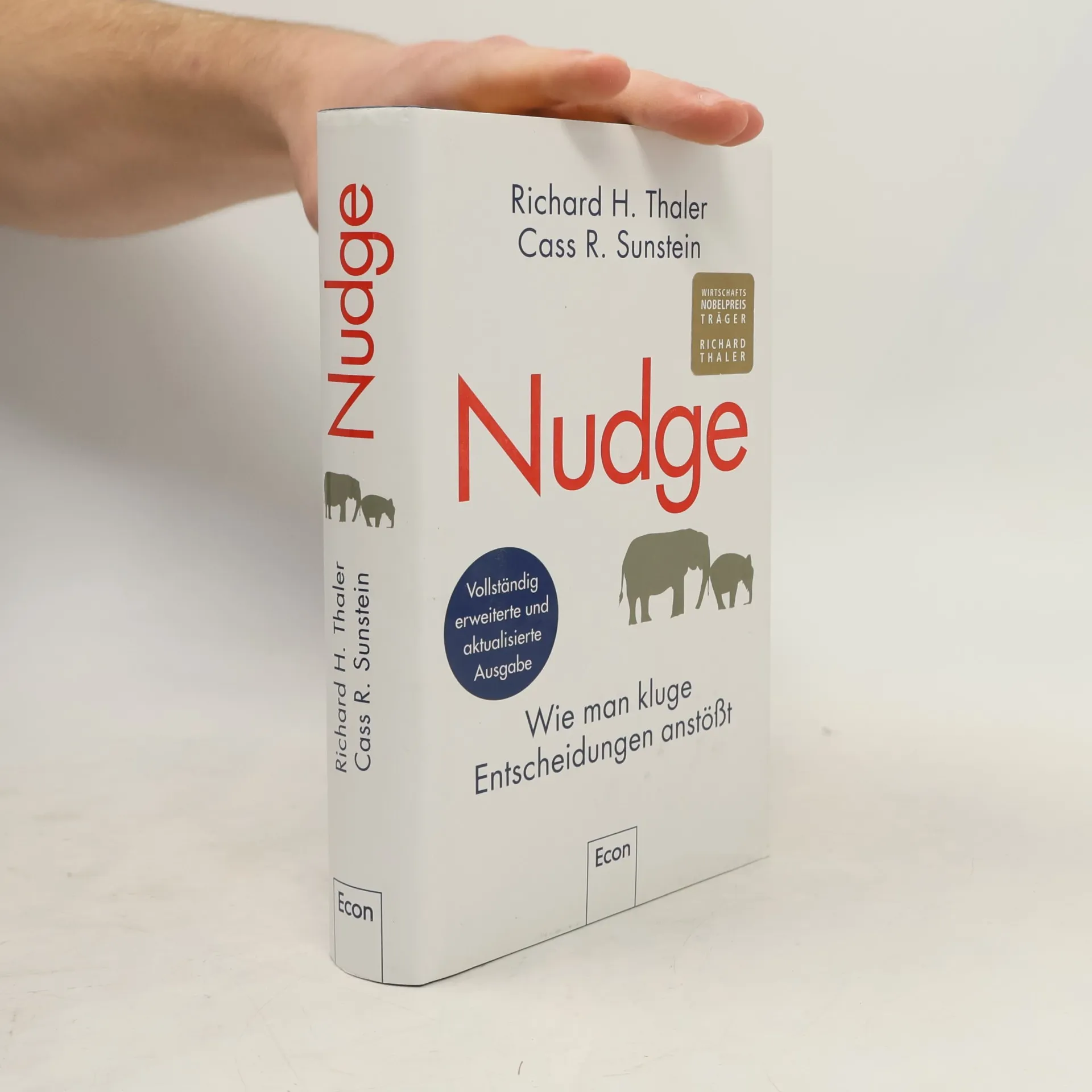
Der Klassiker der Verhaltensökonomie vollständig aktualisiert Seit der Erstveröffentlichung von Nudge im Jahr 2008 und dem Nobelpreis für Richard Thaler 2017 ist dieses Buch zu einem Klassiker geworden. Regierungen auf der ganzen Welt, Geschäftsleute, politische Entscheidungsträger, Wissenschaftler, engagierte Bürger, Verbraucher und Verhaltensökonomen haben sich davon inspirieren lassen. Dieses Buch zeigt, wie wir eine durchdachte Entscheidungsarchitektur nutzen können, um bessere Entscheidungen für uns selbst, unsere Familien und unsere Gesellschaft zu treffen. Jetzt haben Richard Thaler und Cass Sunstein das Buch überarbeitet und dabei ihre Erfahrungen innerhalb und außerhalb der Regierung in den letzten zwölf Jahren sowie eine Fülle neuer Forschungsergebnisse eingebracht. Diese aktualisierte Ausgabe bietet sowohl eingefleischten Fans als auch Neulingen eine Fülle neuer Einblicke in ein breites Spektrum von Themen, mit denen wir in unserem täglichen Leben konfrontiert sind: Gesundheit, persönliche Finanzen, Klimawandel und "Sludge" (Papierkram und andere Belästigungen, die uns davon abhalten, das zu bekommen, was wir wollen) – und das alles unter Einhaltung einer der Grundregeln des Anstupsens: Haben Sie Spaß!
- 2021
List of Abbreviations / 7 Introduction / 9 Chapter 1. Deprivation of liberty in the context of criminal justice system / 17 1.1. General remarks / 17 1.2. Deprivation of liberty – its nature and aims / 23 1.3. Classification of prisoners – consequences / 26 1.4. Basic penitentiary paradox / 29 1.5. Prison of the 21st century / 31 Chapter 2. Contemporary penitentiary standards and policy – normative aspect / 37 2.1. Treaty standards / 38 2.1.1. General treaties / 38 2.1.2. Special treaty regulations / 43 2.2. Recommended standards / 45 2.2.1. Universal level / 45 2.2.2. Regional level / 49 2.3. Domestic impact of international standards – Polish example / 53 Chapter 3. Prison population – human dimension of personal interrelations / 57 3.1. The prisoners / 57 3.2. The prison staff / 66 3.3. Interpersonal confrontations and their consequences / 71 3.3.1. Horizontal personal interrelations / 72 3.3.2. Vertical personal interrelations / 76 3.4. Examples of extreme personal interrelations (prison scandals in a nutshell) / 78 Chapter 4. Social rehabilitation of prisoners – between idea and reality / 83 4.1. An idea of “normalization”/ 83 4.2. A concept of the “implied limitations”/ 90 4.3. Main instruments of social rehabilitation / 92 4.3.1. Contacts with the outside world – possibilities / 92 4.3.2. Special offers inside the prisons / 95 4.3.2.1. Work / 95 4.3.2.2. Education / 98 4.3.2.2.1. Spiritual assistance / 99 4.3.2.2.2. Leisure time / 101 4.3.2.3. Treatment programs / 102 4.4. Preparation for release / 104 Chapter 5. Prison life and human dignity – situations of special risk / 107 5.1. Brief introductory remarks / 107 5.2. Problem of discrimination / 108 5.3. Prison order and coercion measures / 110 5.3.1. An authorized coercion actions in prison / 112 5.4. Health care “in” and “out” of prison / 118 5.5. Disciplinary procedure and sanctions / 122 Chapter 6. Control, inspections and basic procedural guaranties for prisoners / 127 6.1. Domestic level / 129 6.2. International level / 132 6.2.1. Complaint/petition procedures / 132 6.2.1.1. Council of Europe / 132 6.2.1.2. European Union / 134 6.2.1.3. United Nations Organization / 135 6.2.2. Additional monitoring procedures / 137 Final remarks / 139 Bibiography (Basic Literature) / 147 Appendices / 155
- 2021
Nudge: The Final Edition
- 384 Seiten
- 14 Lesestunden
"Every day we make choices--about food and other purchases, financial investments, our children's health and education, even the causes we champion or the planet itself. Unfortunately, we often choose poorly. Using dozens of eye-opening examples and drawing on decades of behavioral science research, Nudge shows how sensible "choice architecture" can help us to overcome the biases that lead to bad decisions and nudge us toward the best decisions for ourselves, our families, and our society"-- Provided by publisher
- 2017
Neočekávané chování : příběh behaviorální ekonomie
- 380 Seiten
- 14 Lesestunden
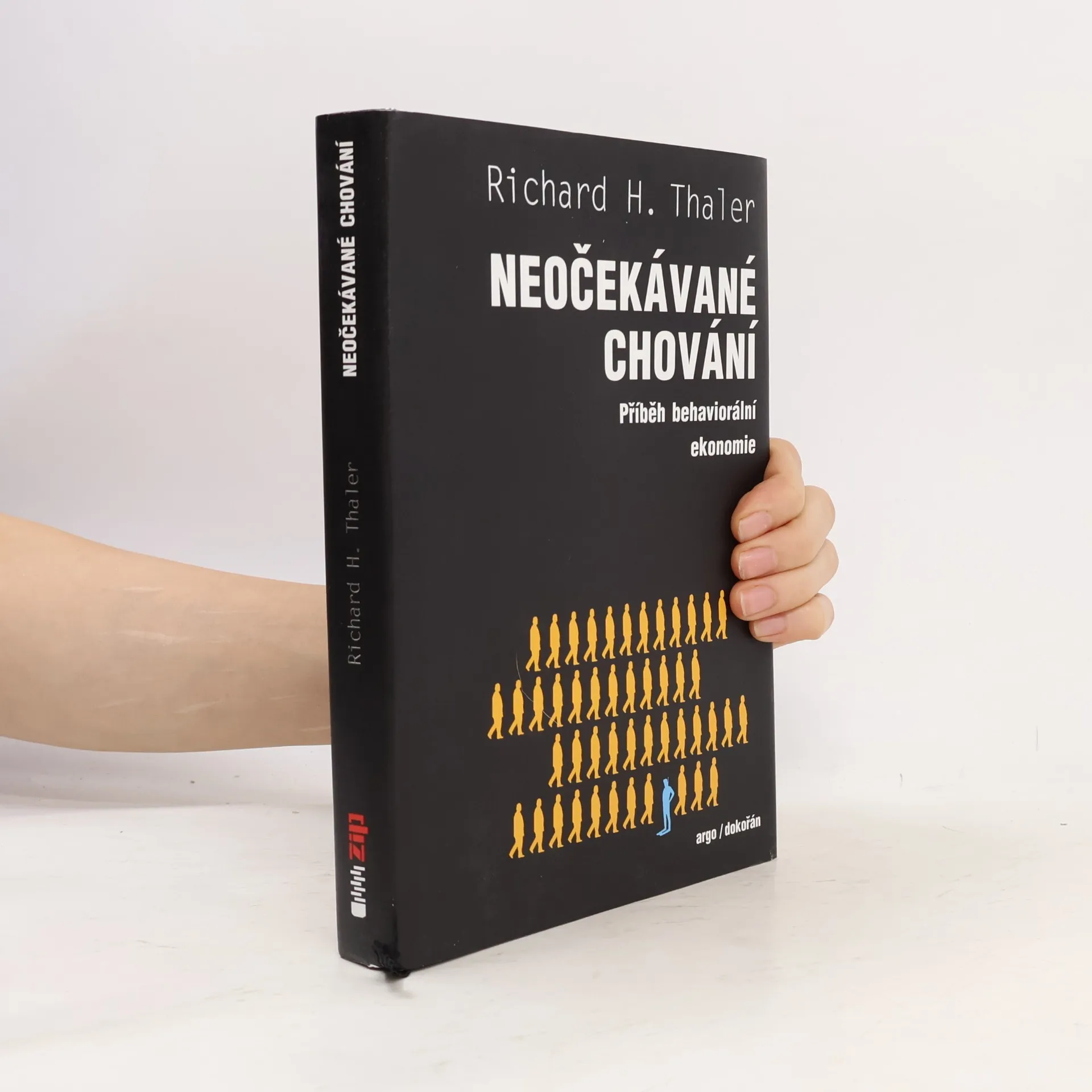
Podtitul: Příběh behaviorální ekonomie. Anglický titul Misbehaving znamená zhruba „nesprávné chování“, tj. takové, které neodpovídá ústřední ekonomické teorii, podle které se člověk chová a rozhoduje tak, aby po racionální úvaze maximalizoval svůj prospěch. Autor ukazuje, že se to zaprvé neděje, a taky proč se to ani dít nemůže, a jaké to má důsledky pro ekonomickou teorii i pro konkrétní fungování ekonomiky. Kniha je mapováním geneze nového přístupu k ekonomii, oboru behaviorální ekonomie, která zohledňuje lidskou iracionalitu, neinformovanost i lenost – na příkladech i s teoretickým výkladem.
- 2017
Neočekávané chování
- 380 Seiten
- 14 Lesestunden
Podtitul: Příběh behaviorální ekonomie. Anglický titul Misbehaving znamená zhruba „nesprávné chování“, tj. takové, které neodpovídá ústřední ekonomické teorii, podle které se člověk chová a rozhoduje tak, aby po racionální úvaze maximalizoval svůj prospěch. Autor ukazuje, že se to zaprvé neděje, a taky proč se to ani dít nemůže, a jaké to má důsledky pro ekonomickou teorii i pro konkrétní fungování ekonomiky. Kniha je mapováním geneze nového přístupu k ekonomii, oboru behaviorální ekonomie, která zohledňuje lidskou iracionalitu, neinformovanost i lenost – na příkladech i s teoretickým výkladem.
- 2016
"Coupling recent discoveries in human psychology with a practical understanding of incentives and market behavior, Thaler enlightens readers about how to make smarter decisions in an increasingly mystifying world. He reveals how behavioral economic analysis opens up new ways to look at everything from household finance to assigning faculty offices in a new building, to TV game shows, the NFL draft, and businesses like Uber"--Amazon
- 2016
Inside the Nudge Unit : how small changes can make a big difference
- 383 Seiten
- 14 Lesestunden
Using the application of psychology to the challenges we face in the world today, the Nudge Unit is pushing us in the right direction. This book presents the unconventional, multi-million pound saving initiative that makes a big difference through influencing small, simple changes in our behaviour.
- 2016
Misbehaving : the making of behavioural economics
- 432 Seiten
- 16 Lesestunden
When economics meets psychology, the implications for individuals, managers and policy makers are both profound and entertaining. Coupling recent discoveries in human psychology with a practical understanding of incentives and market behaviour, the author enlightens readers about how to make smarter decisions in an increasingly mystifying world.
- 2015
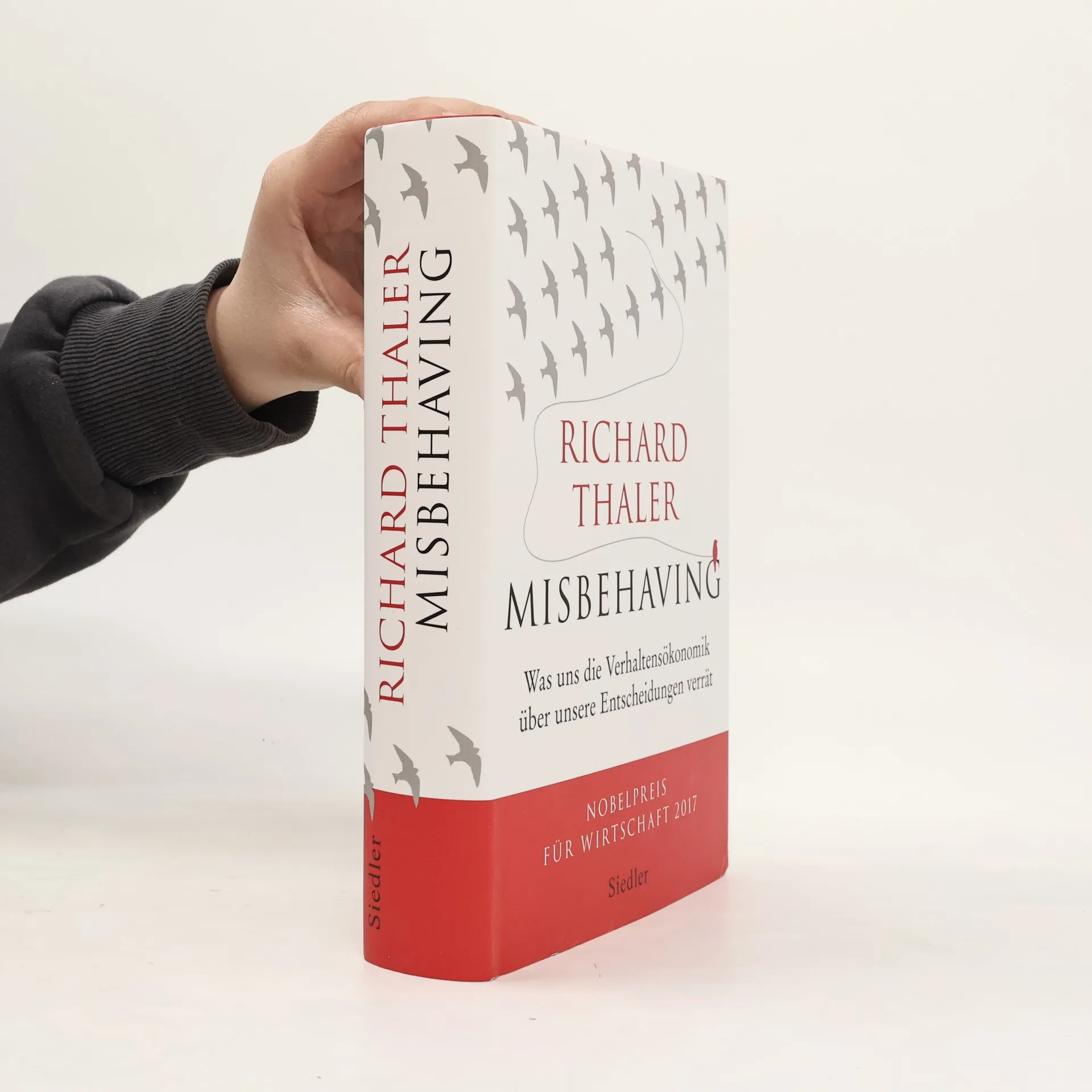
Wenn Wirtschaft auf den Menschen trifft: Ein Nobelpreisträger zeigt, warum wir uns immer wieder irrational verhalten Warum fällt es uns so schwer, Geld fürs Alter zurückzulegen, obwohl dies vernünftig wäre? Warum essen wir zu viel fettige Speisen, obwohl wir wissen, dass es uns schadet? Warum sind unsere Neujahrsvorsätze fast immer zum Scheitern verurteilt? Nobelpreisträger Richard Thaler hat als erster Ökonom anschaulich gezeigt, dass unser Handeln in Wirtschaft und Alltag zutiefst irrational und unberechenbar ist – und hat damit die traditionellen Grundannahmen der Ökonomie auf den Kopf gestellt. In diesem Buch fasst er die Forschungen der Verhaltensökonomik zusammen und zeigt anhand vieler Beispiele aus Beruf und Alltag, warum das Konzept des rational handelnden Homo Oeconomicus ein fataler Irrglaube ist. Ein ebenso kluger wie amüsanter Blick auf die psychologischen Grundlagen unserer Entscheidungen - der unsere Sicht auf die Wirtschaft, auf die Welt und nicht zuletzt uns selbst für immer verändern wird. Ausstattung: mit Abb.

