Die grossen Kulturen der Welt. Archaeologia Mundi Zypern
- 255 Seiten
- 9 Lesestunden


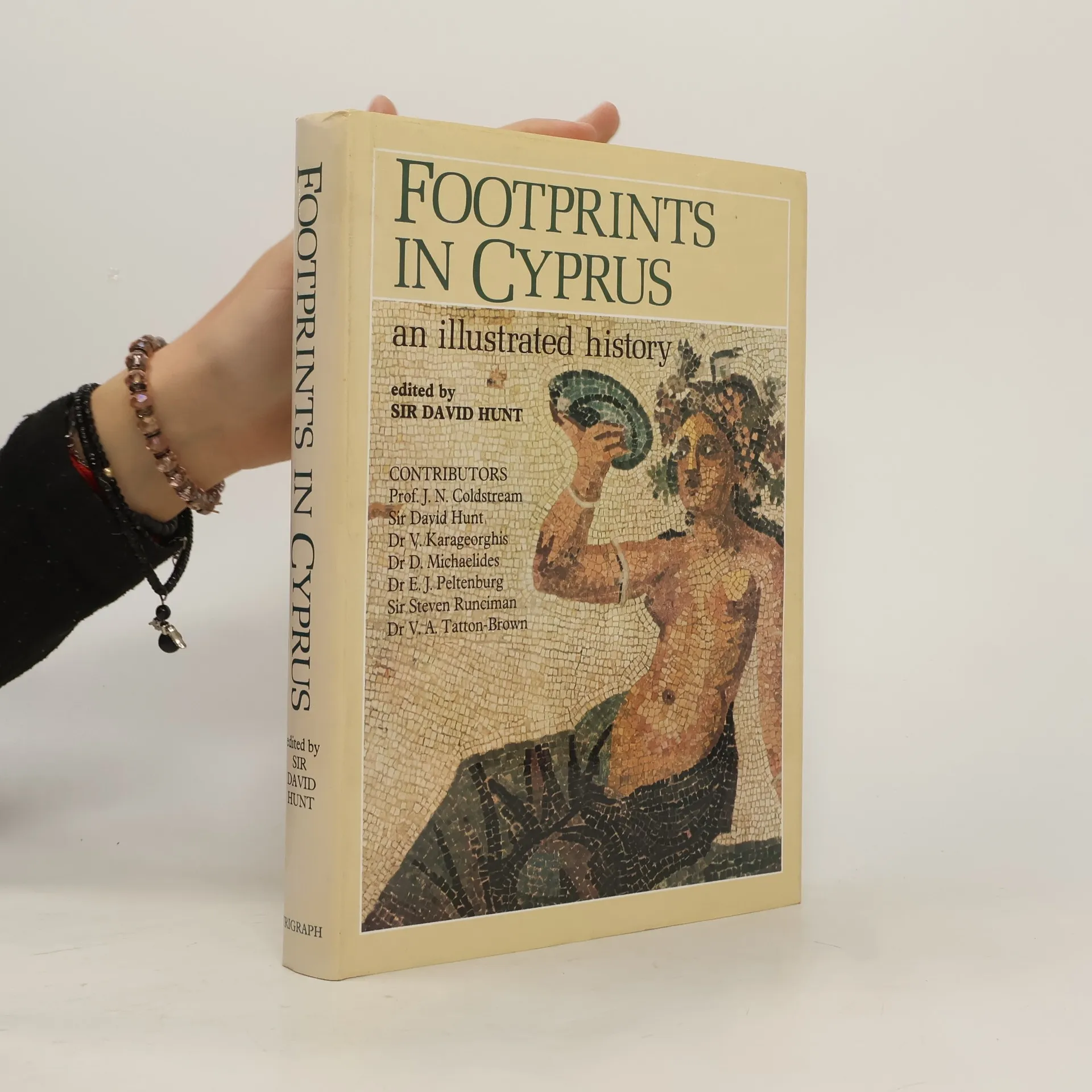
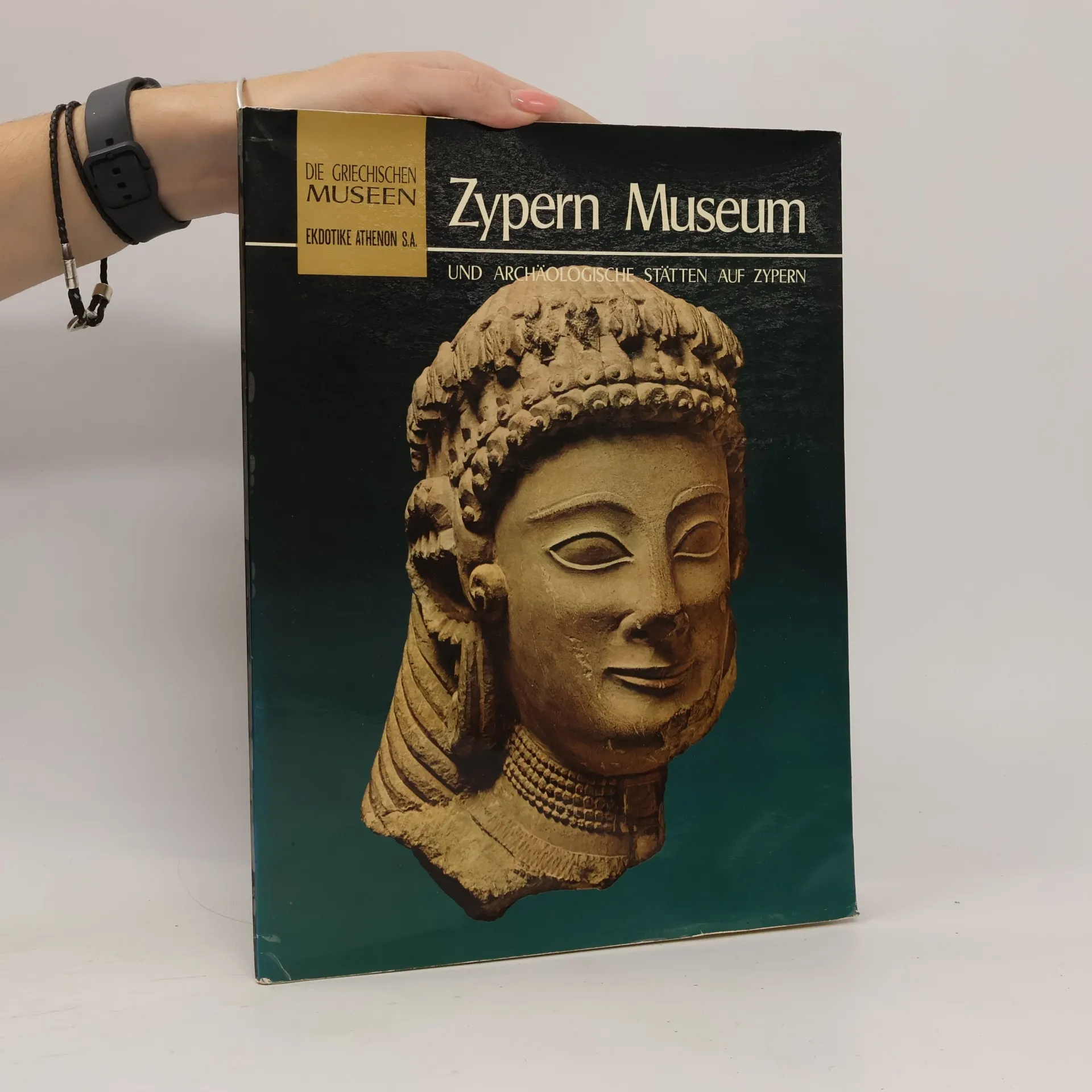
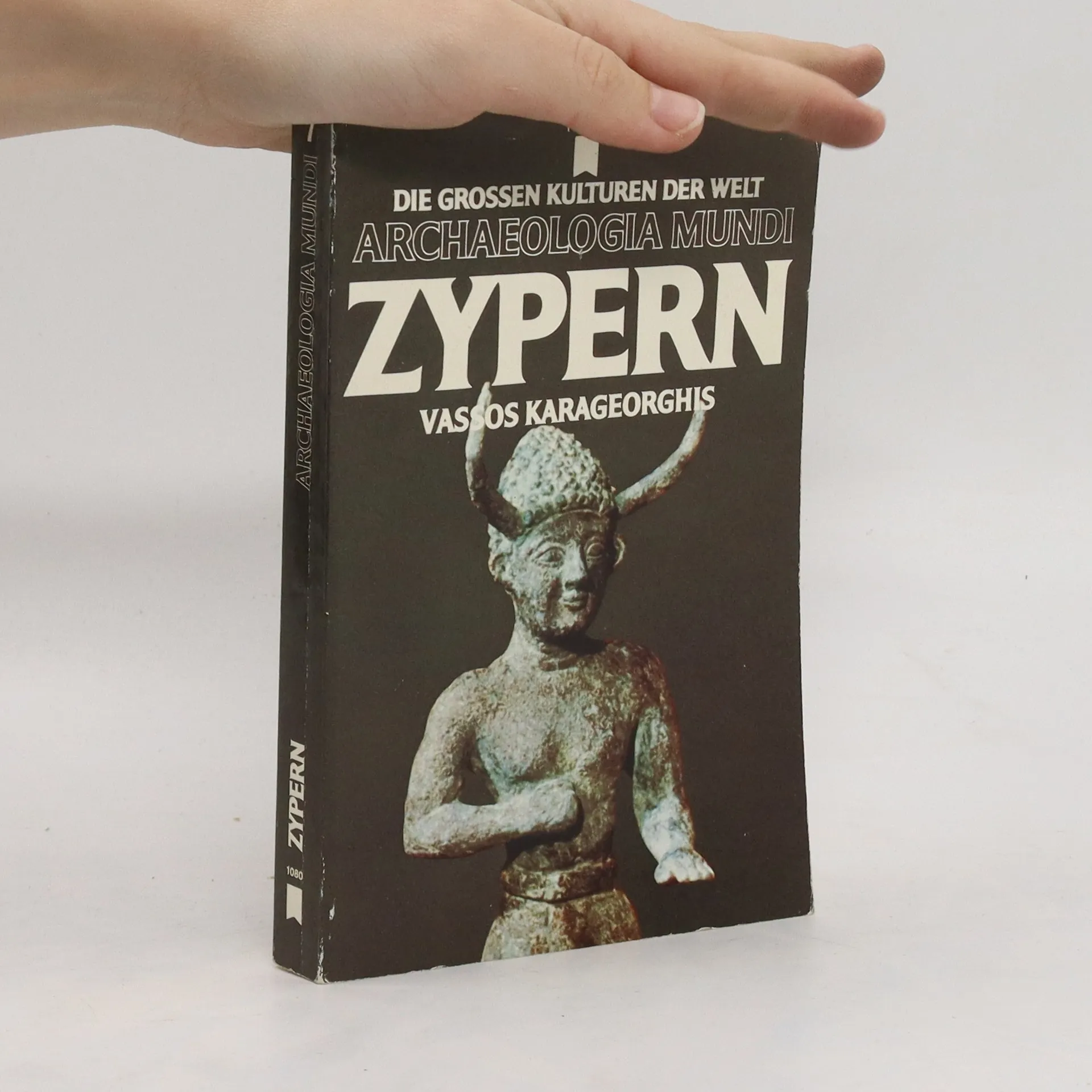
From the time the first Greeks arrived, over 3,000 years ago, the island has been the centre of a vigours and creative artistic culture. Many treasures survive from the 1st millennium before Christ which illustrate vividly the fact that Cyprus can rival in achievement the best art in the Mediterranean world. In Footprints of Cyprus these achievements are not only fully depicted in colour and in black and white but also related to their historical context.
English, Greek (translation)
A detailed survey of the history, culture, and everyday life of Cyprus examines how archeology reveals the political and social development of the island
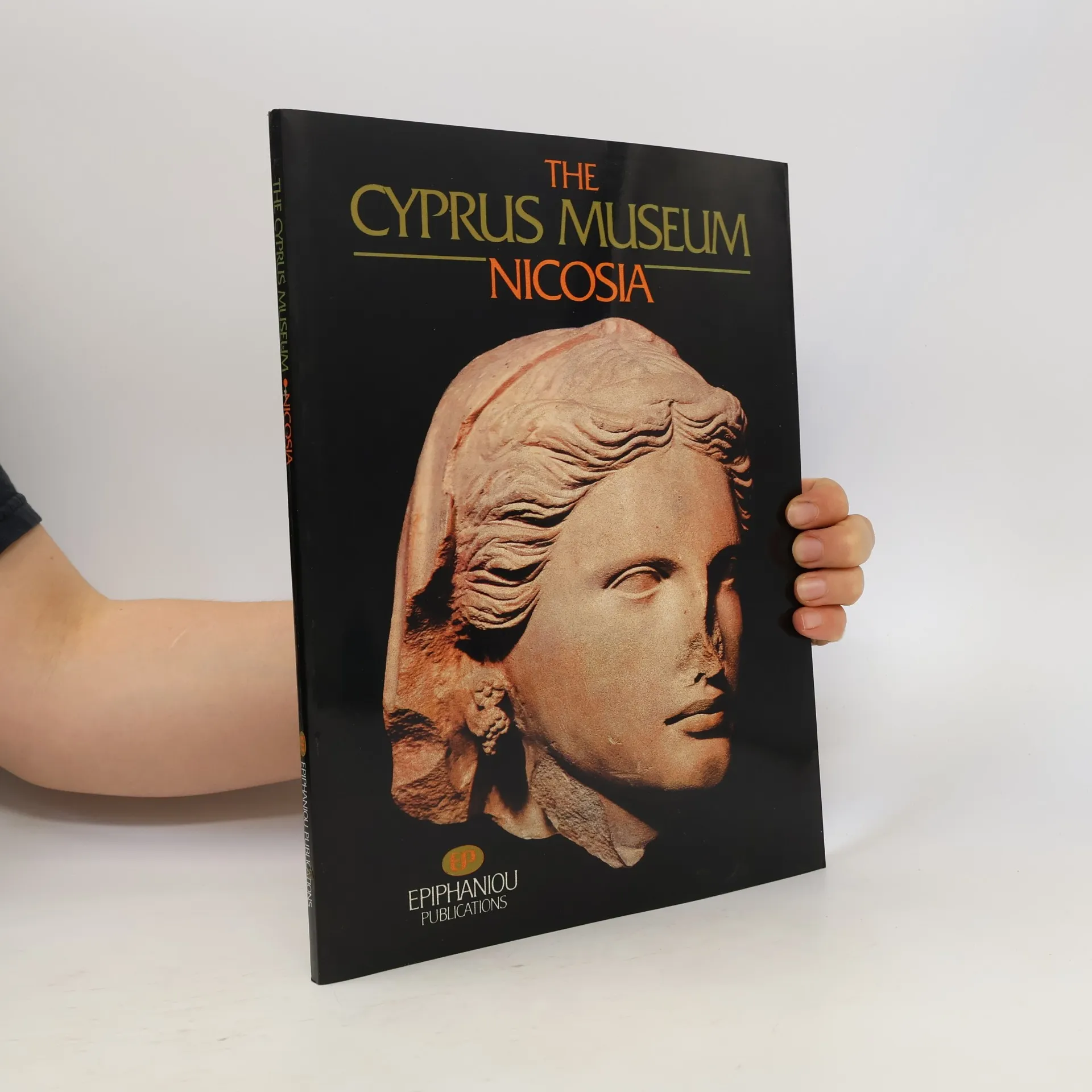
The Cyprus Museum, Nicosia
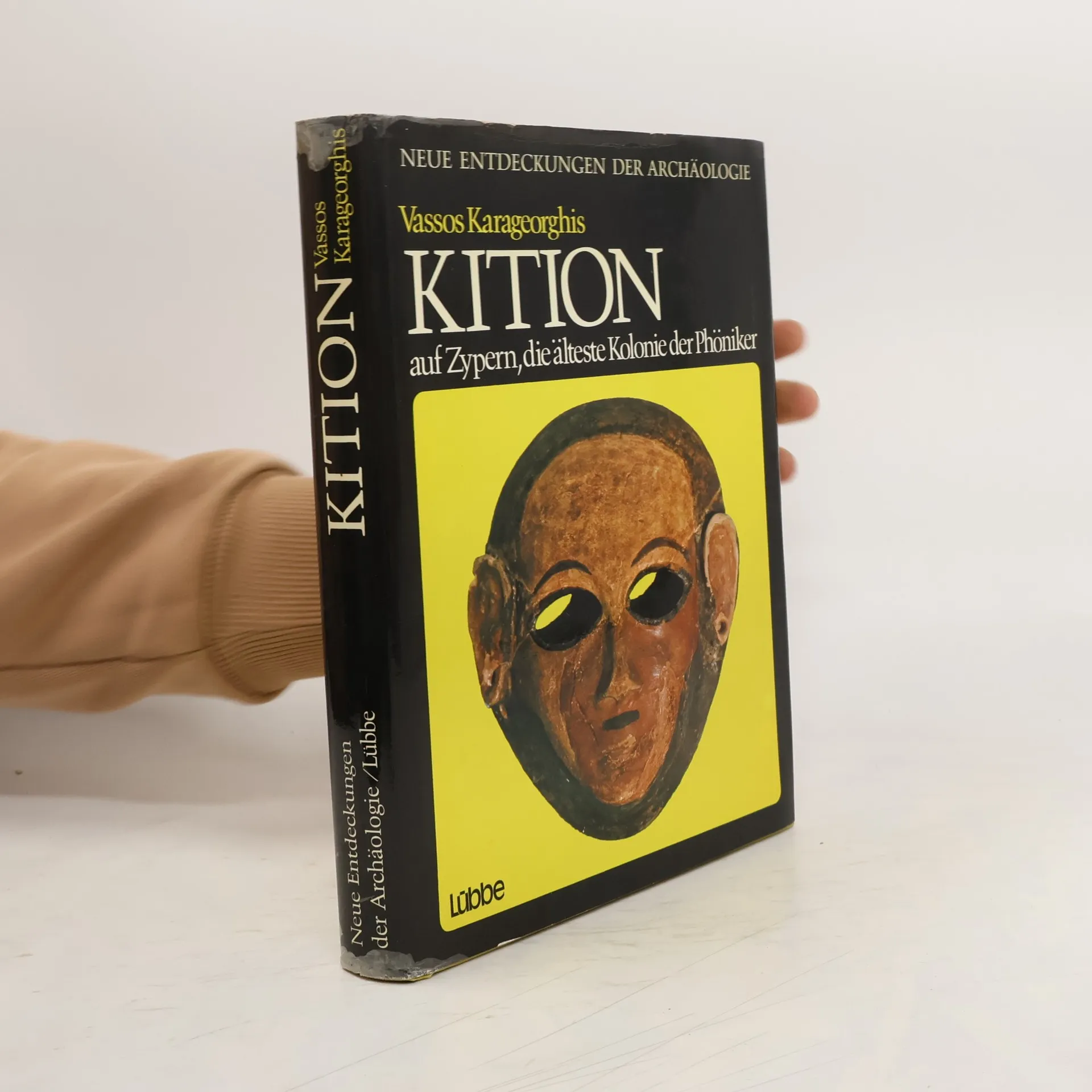
English, German (translation)
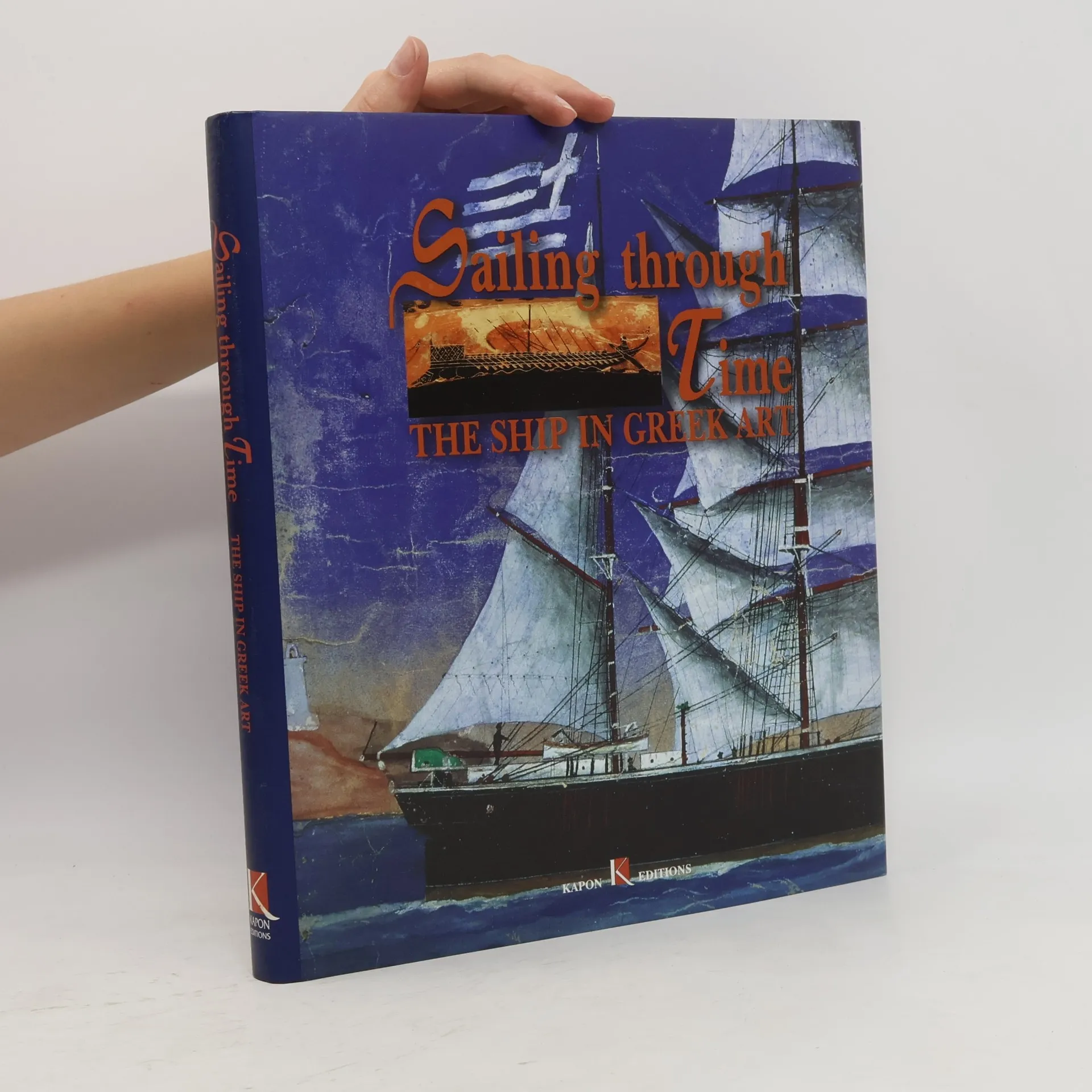
The most important phases of Greek civilization are connected with the sea, through voyages of discovery, naval campaigns and ocean trading. Over the years, and due to its leading role as a means of communication, the ship also became a subject for artistic creations. The history and the evolution of the Greek ship from prehistoric times to the present day are presented through the work of known artists and anonymous craftsmen, executed in a variety of different materials. Ships were carved in stone and marble, incised on bronze, painted on clay or wood, depicted in paintings and murals, embroidered on cloth, printed on paper, offered as votives or worn as amulets. The rich illustrative material has been selected from museums and collections both in Greece and abroad.
Proceedings of an International Conference Organized by the Anastasios G. Leventis Foundation, Nicosia in Honour of Malcolm Wiener, Nicosia 29th-30th October 1998
White Slip vessels, with their pale, thin walls and their linear and geometric painted designs, are an important source for creating a chronological sequence for the Aegean and East Mediterranean in the 2nd millennium BC.
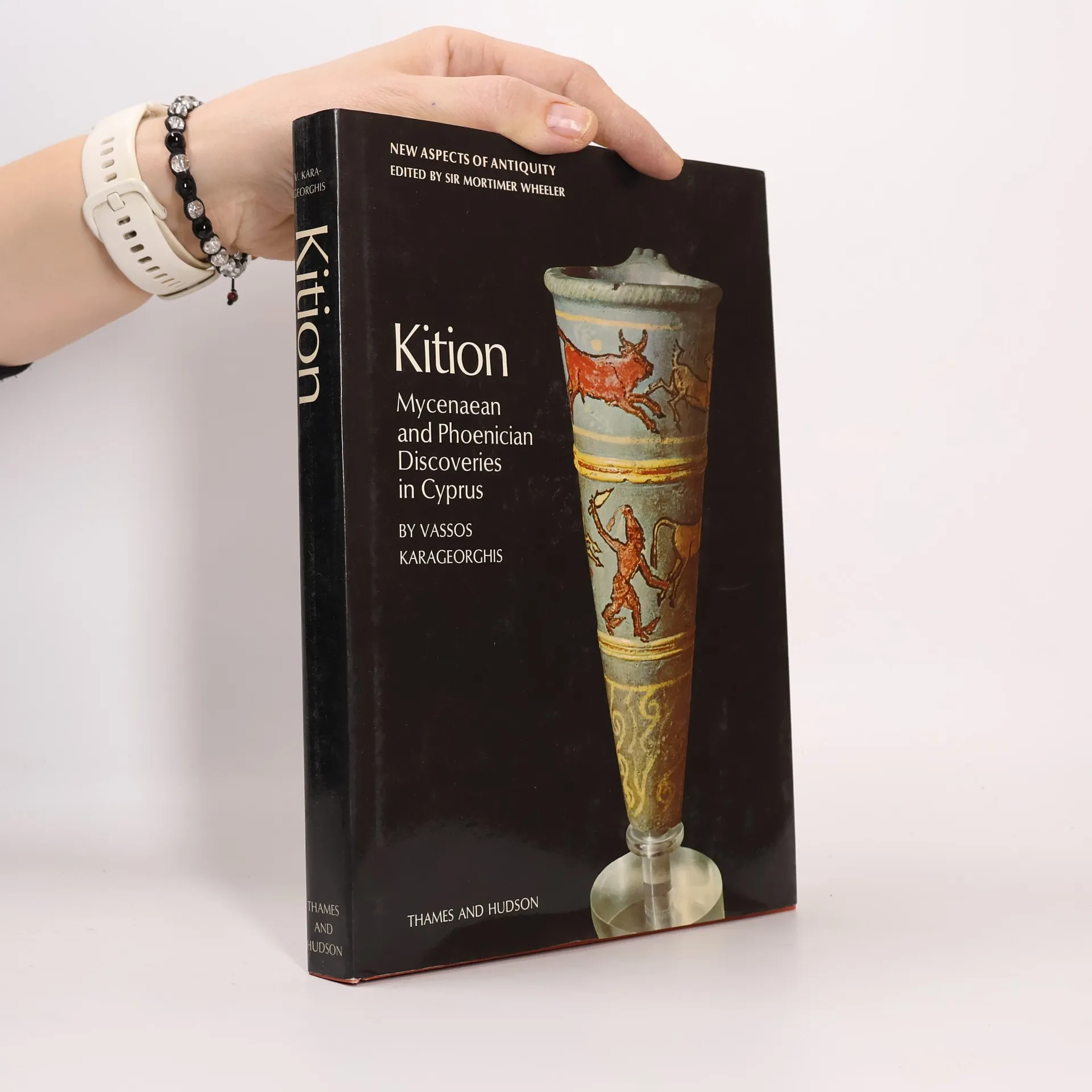
Mycenaean and Phoenician Discoveries in Cyprus