


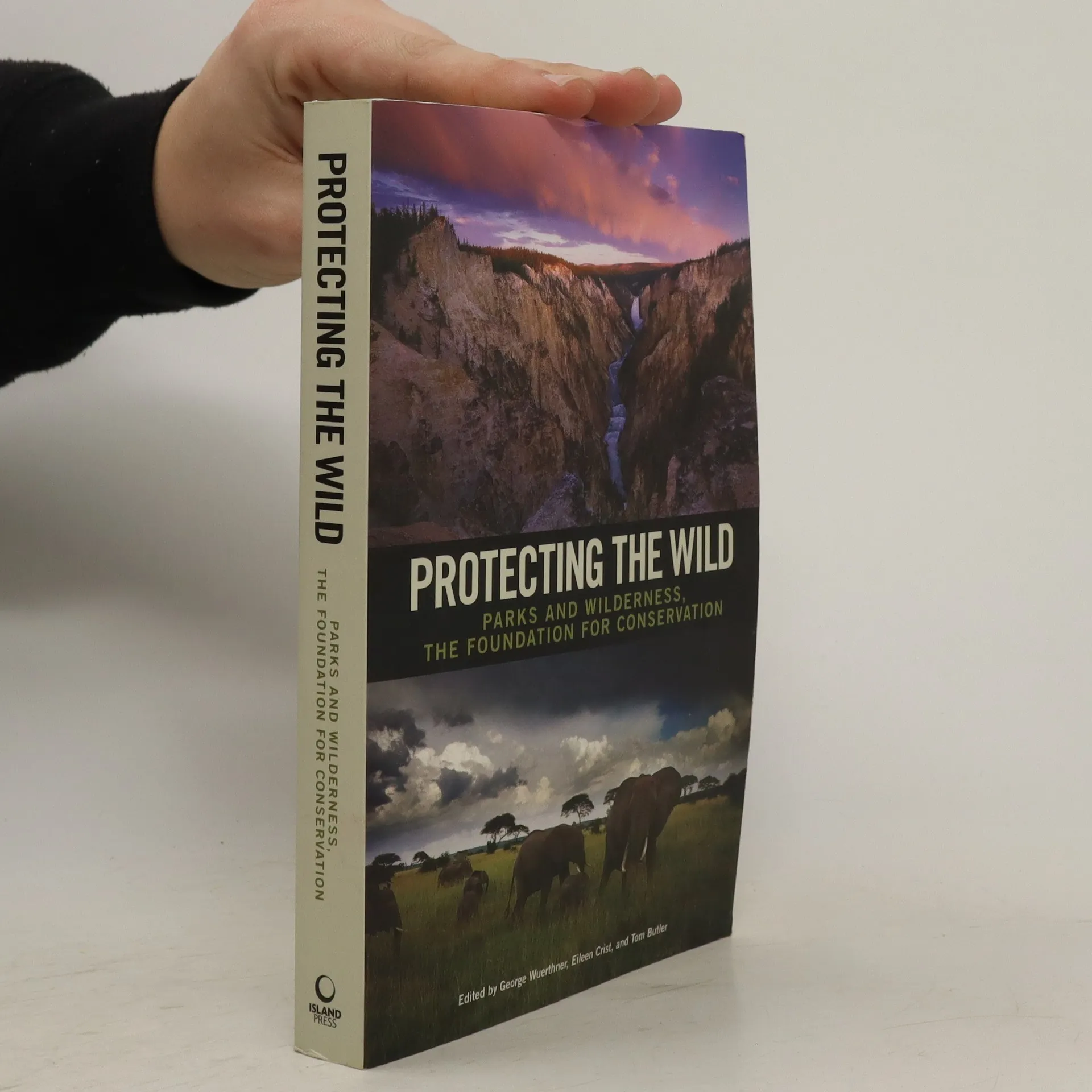
Protecting the Wild
- 362 Seiten
- 13 Lesestunden
Protected natural areas have historically been the primary tool of conservationists to conserve land and wildlife. These parks and reserves are set apart to forever remain in contrast to those places where human activities, technologies, and developments prevail. But even as the biodiversity crisis accelerates, a growing number of voices are suggesting that protected areas are pass. Conservation, they argue, should instead focus on lands managed for human useworking landscapesand abandon the goal of preventing human-caused extinctions in favor of maintaining ecosystem services to support people. If such arguments take hold, we risk losing support for the unique qualities and values of wild, undeveloped nature. Protecting the Wild offers a spirited argument for the robust protection of the natural world. In it, experts from five continents reaffirm that parks, wilderness areas, and other reserves are an indispensablealbeit insufficientmeans to sustain species, subspecies, key habitats, ecological processes, and evolutionary potential. A companion volume to Keeping the Wild: Against the Domestication of Earth, Protecting the Wild provides a necessary addition to the conversation about the future of conservation in the so-called Anthropocene, one that will be useful for academics, policymakers, and conservation practitioners at all levels, from local land trusts to international NGOs.