

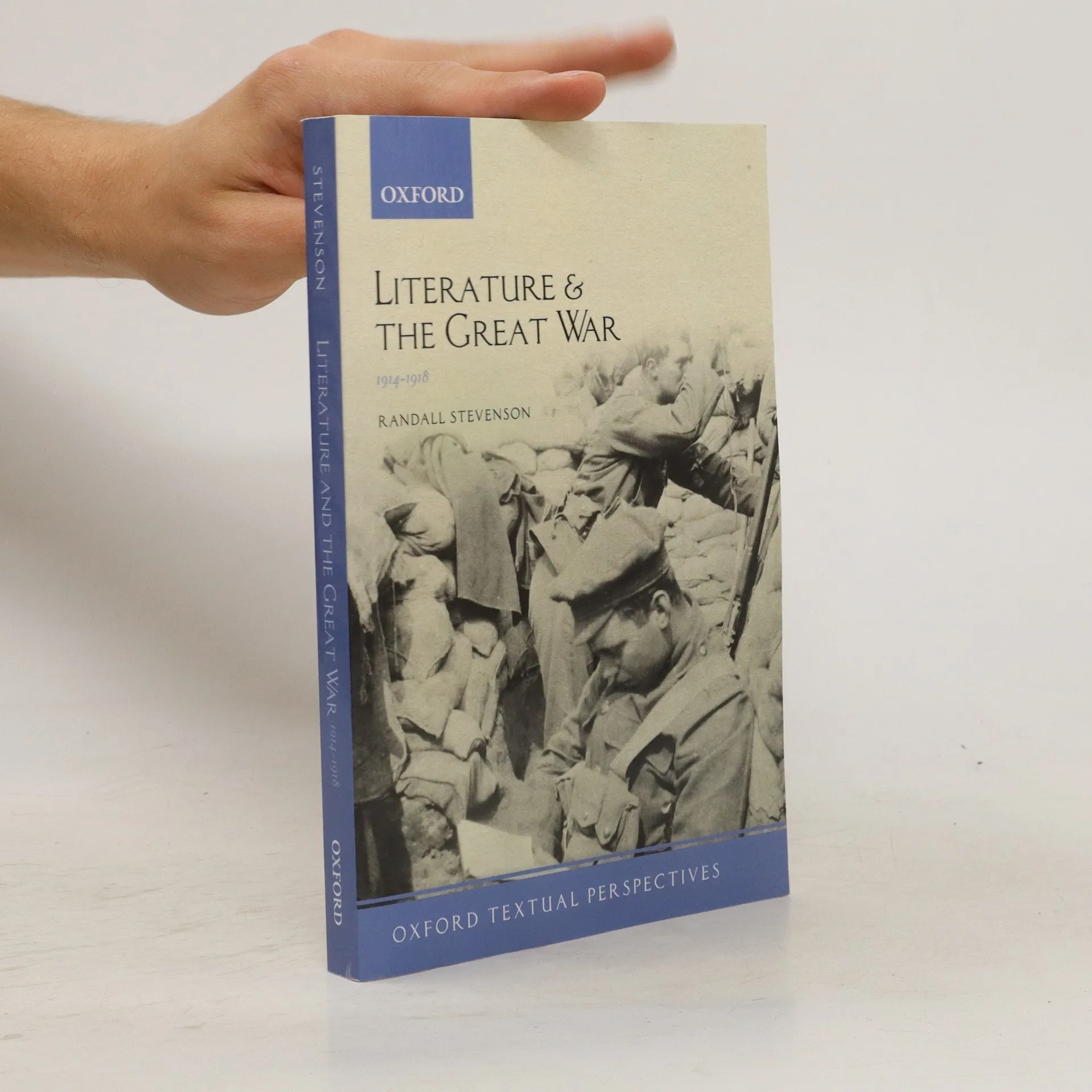
Literature and the Great War offers a fresh, challenging interpretation of the literature of the period, reappraising the settled assumptions through which war writing has come to be read in recent years.
Randall Stevenson Reihenfolge der Bücher (Chronologisch)
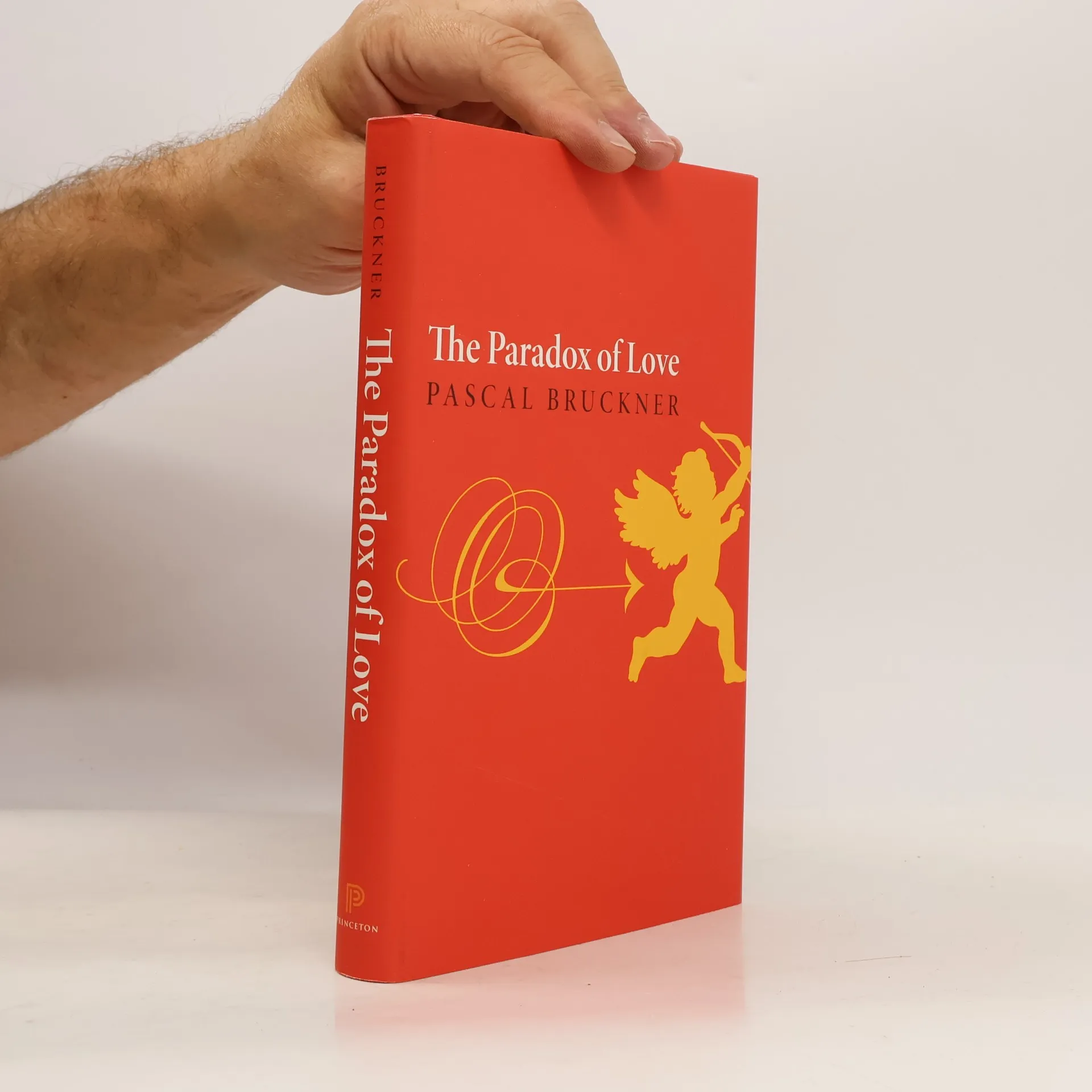
The Paradox of Love
- 272 Seiten
- 10 Lesestunden
The sexual revolution is celebrated for its freedoms, including birth control, decriminalized abortion, and greater gender equality. However, Pascal Bruckner, a prominent French writer, argues that these new freedoms have introduced additional burdens and rules, without eliminating the old ones—such as marriage, jealousy, and fidelity. This complexity makes love, sex, and relationships today confusing and paradoxical. Drawing from history, politics, psychology, literature, and current events, Bruckner dissects these contradictions, tracing the roots of sexual liberation back to the Enlightenment. He highlights the paradox of "free love," which embodies the tension between freedom and attachment. As we grapple with the inadequacies of our sex lives compared to liberated ideals, we shift from neuroses of repression to those of inadequacy, leading to a culture of dishonesty about our desires. Bruckner mixes irony with optimism, suggesting that we should not align strictly with revolutionaries or reactionaries. Instead, he encourages embracing love as it is, recognizing that its messiness and surprises are sources of both pain and joy, ultimately revealing the enduring complexities of human relationships.
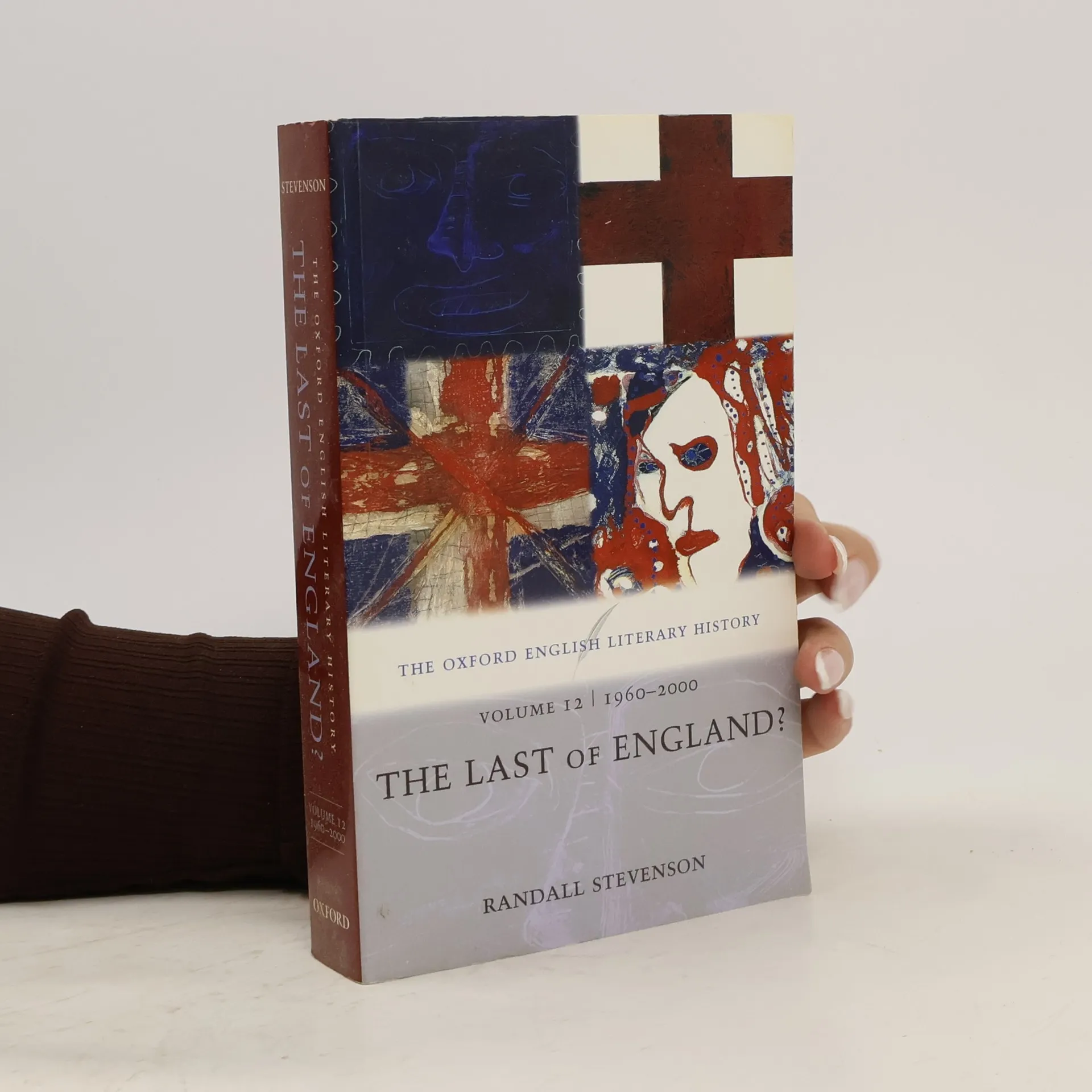
Charting the evolution of literature since 1960, this volume examines the interplay between historical, social, and intellectual forces shaping literary change. It explores themes such as the impact of war, the decline of class influence, gender relations, and the rise of minority cultures, all contributing to the democratization of contemporary life. With clarity and engagement, it offers a comprehensive overview of an era that readers are beginning to understand, establishing a foundation for future discussions on late twentieth-century literature.
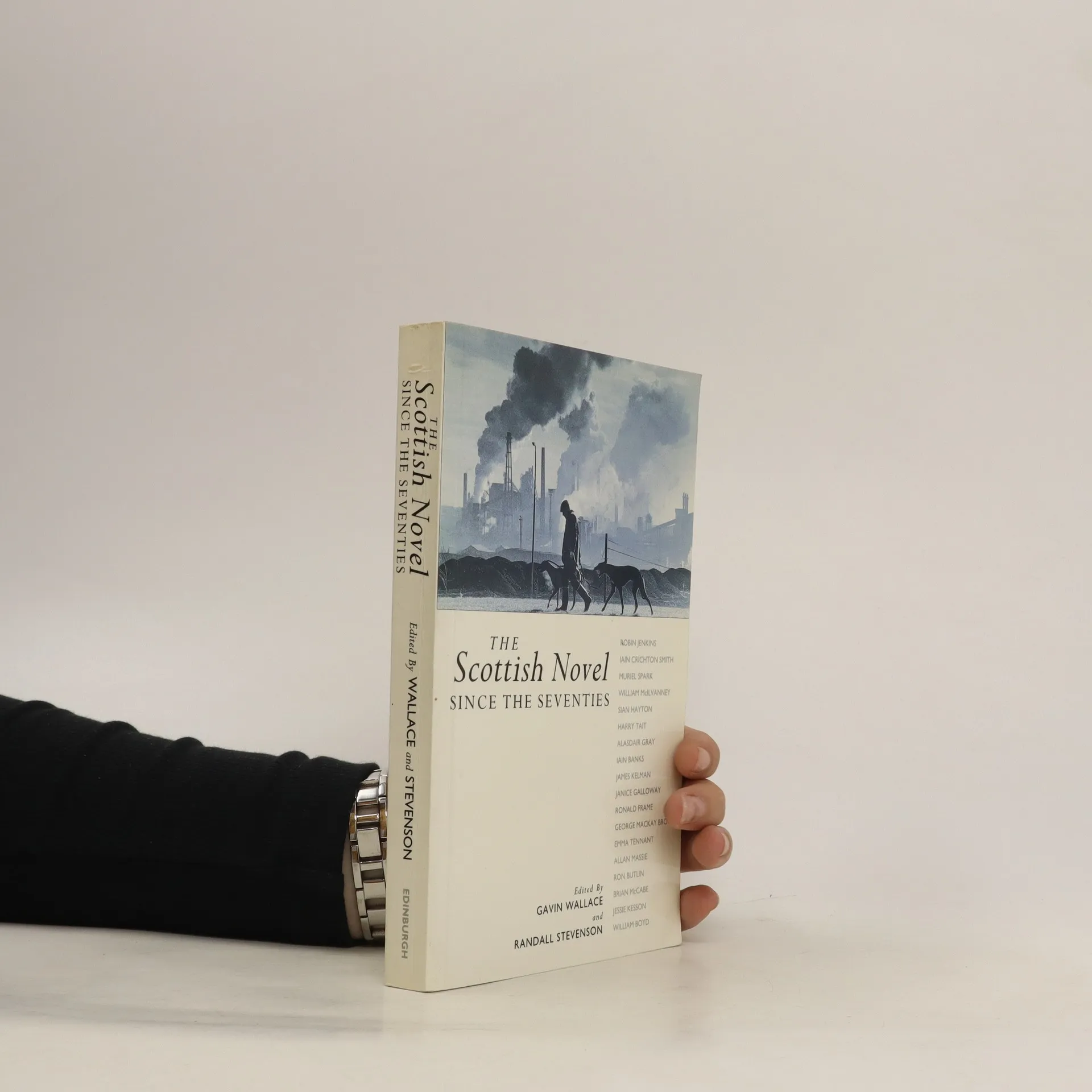
The Scottish Novel Since the Seventies
- 256 Seiten
- 9 Lesestunden
The last two decades have seen a new renaissance in Scottish literary culture in which the Scottish novel has attained new heights of maturity, confidence and challenge. The Scottish Novel since the Seventies is the first major critical reassessment of the developments in this period.Ranging from the work of longer-established authors such as Robin Jenkins, Muriel Spark and William McIlvanney to the more recent experiments of Alasdair Gray, James Kelman and Janice Galloway, it provides a new critical focus on the intriguing relationship between continuity and innovation which characterises the novel's response to the complex changes in Scottish culture and society during the past twenty years. The contributors assess the work of an extensive number of writers in the context of a correspondingly wide range of issues: gender, postmodernism, political identity, archaism and myth, and the theme of disintegration. There are also chapters on the continuing growth of the 'Glasgow novel' and film adaptations.