

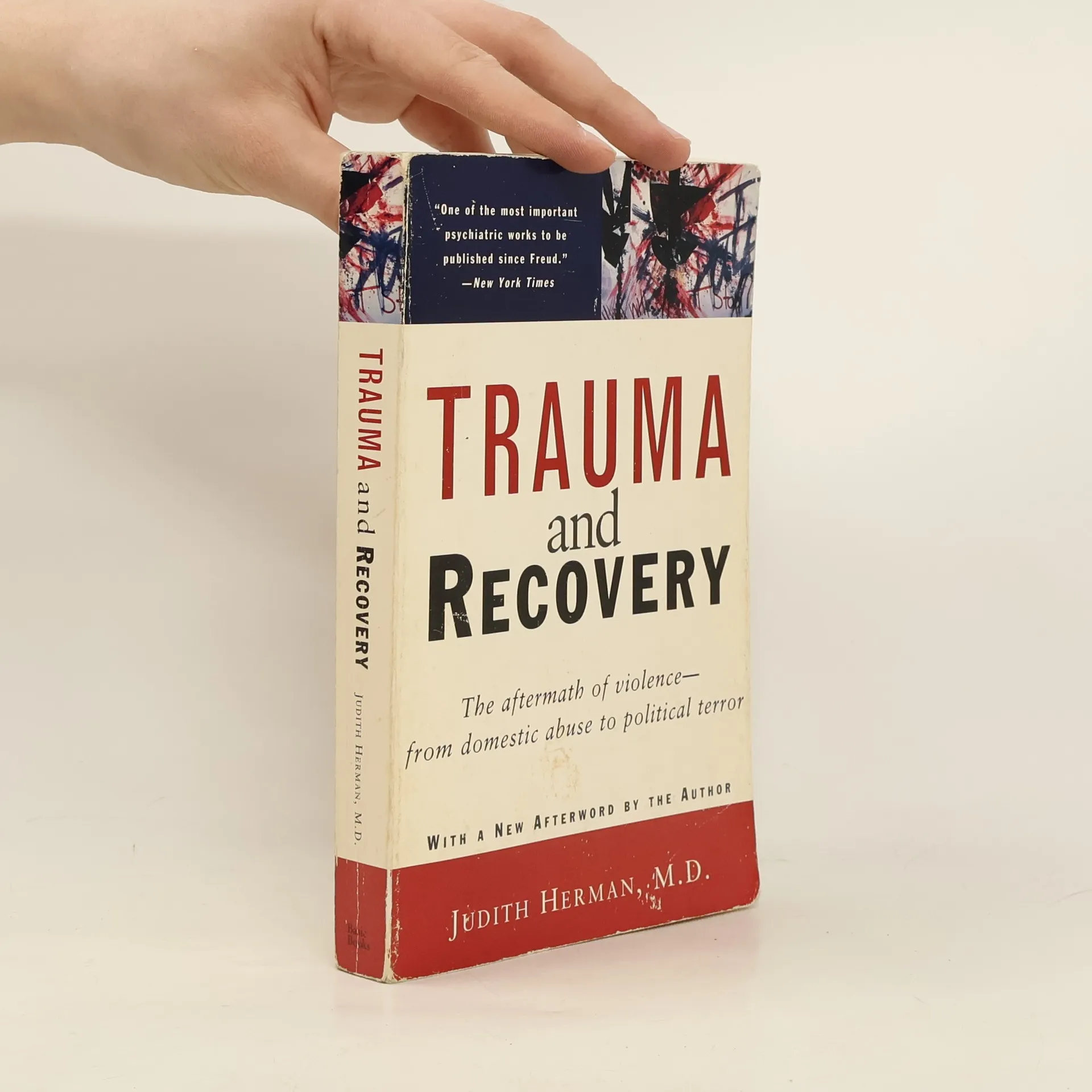
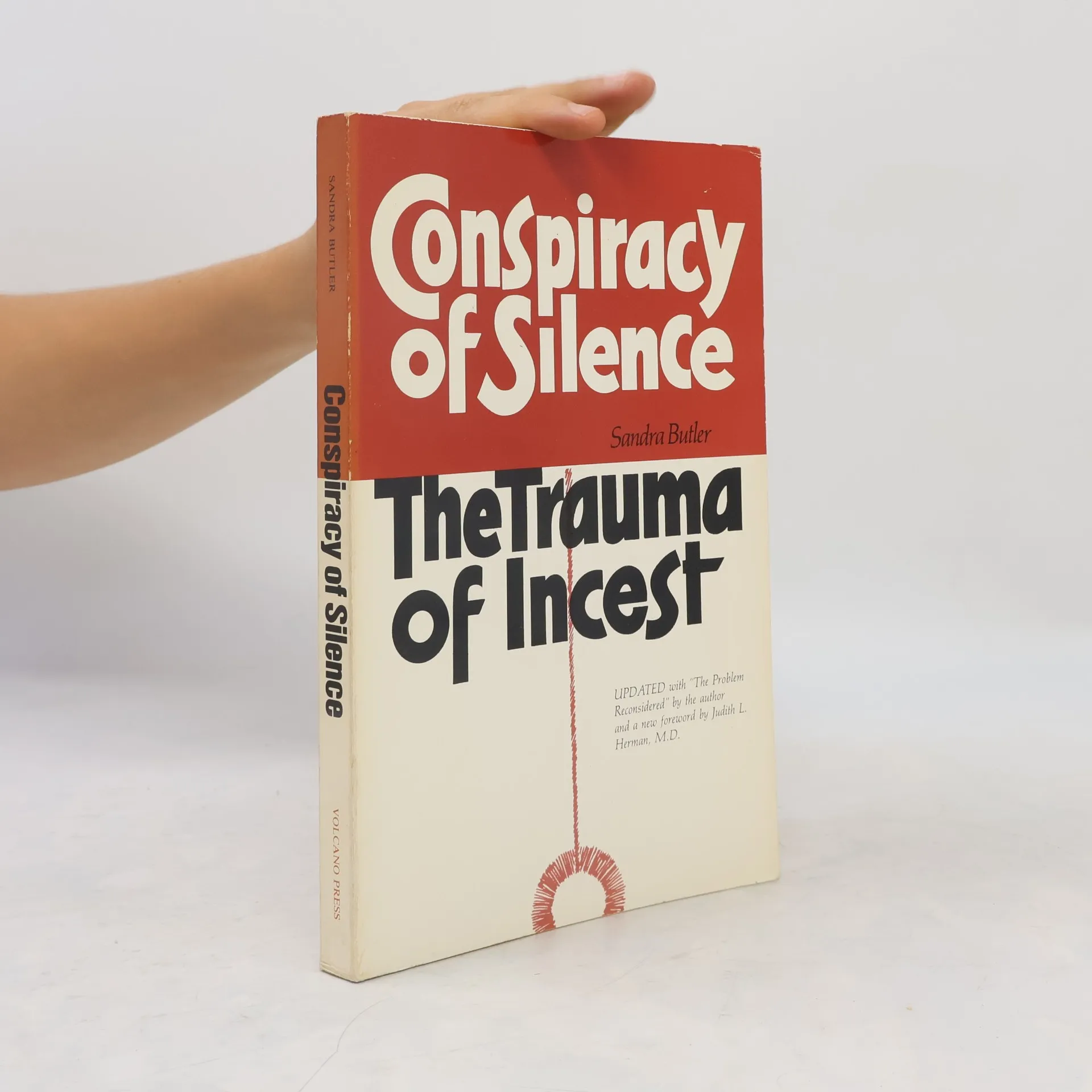
Judith Lewis Herman ist eine Autorin, Psychiaterin, Forscherin und Lehrerin, deren Werk sich auf das Verständnis und die Behandlung der Auswirkungen von traumatischem Stress und Inzest konzentriert. Ihre Forschung befasst sich mit den tiefgreifenden psychologischen Folgen von Missbrauch und den Wegen zur Heilung. Sie hat wesentlich zum Verständnis der Natur von Traumata und ihres allgegenwärtigen Einflusses auf die menschliche Psyche beigetragen. Ihre Schriften betonen die entscheidende Bedeutung der Bereitstellung von Sicherheit und Unterstützung für Überlebende traumatischer Erlebnisse.
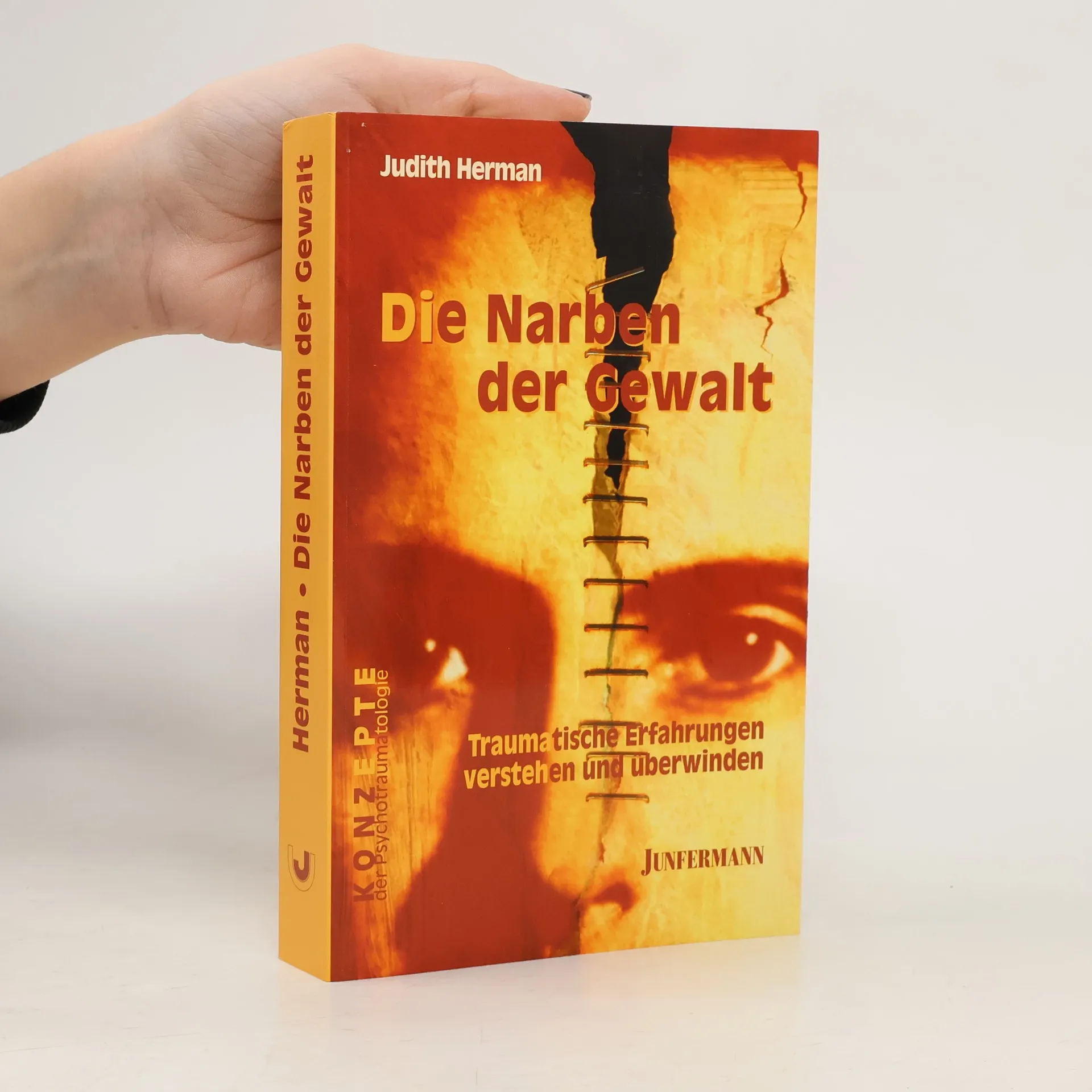
In diesem Buch zieht Judith Lewis Herman die Bilanz aus 20 Jahren Forschung und therapeutischer Arbeit mit den Opfern häuslicher, sexueller und politischer Gewalt. Sie analysiert traumatische Erfahrungen und die entsprechenden Symptome in ihrer ganzen schrecklichen Vielfalt, und sie zeigt Wege und Methoden der Behandlung auf.
'A magnificent and inspiring contribution with profound implications' Bessel van der Kolk MD, author of The Body Keeps the Score 'Celebrates survivors' wisdom and their power to heal themselves and the world we live in' Anita Hill A powerful manifesto for reimagining justice, based on the testimony of trauma survivors. The #MeToo movement brought worldwide attention to sexual violence, but while the media focused on the fates of a few notorious predators who were put on trial, we heard far less about the outcomes of those trials for the survivors of their abuse. The conventional retributive process fails to serve most survivors because it was never designed for them. Renowned trauma expert Judith L. Herman argues that the first step toward a better form of justice is simply to ask survivors what would make things as right as possible for them. In Truth and Repair, she commits the radical act of listening to survivors. Recounting their stories, she offers an alternative vision of justice as healing for survivors and their communities. Deeply researched and compassionately told, Truth and Repair envisions a new path to justice for all.
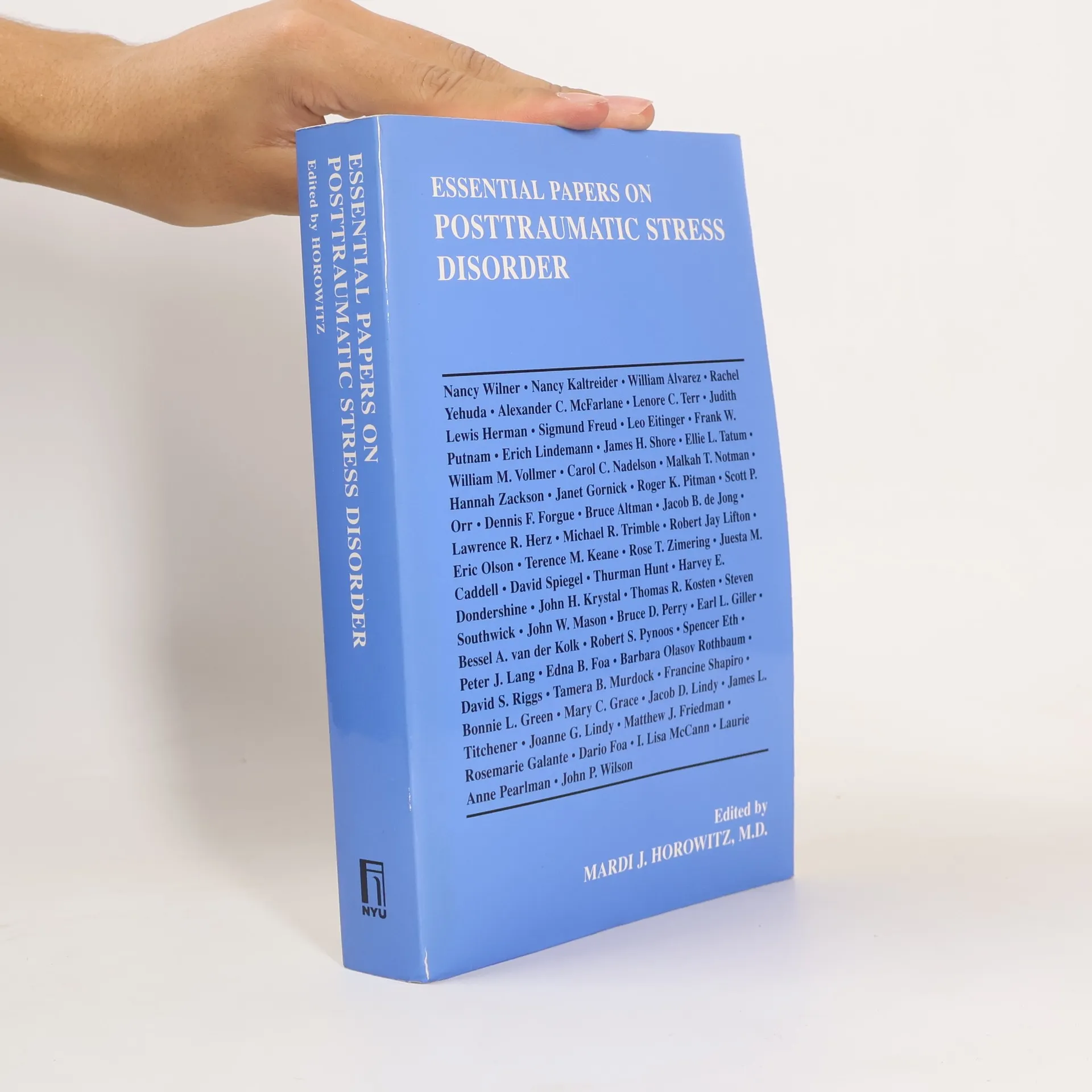
This collection presents key writings on understanding and treating Post Traumatic Stress Disorder (PTSD). Editor Mardi J. Horowitz introduces the evolution of our comprehension of PTSD, establishing the necessary conceptual framework and terminology. The essays that follow offer a comprehensive exploration of the disorder's complexities, addressing individual and cultural responses, as well as pre- and post-traumatic causative factors and the evolving nature of diagnostic categories.
Organized into sections on diagnosis, etiology, and treatment, the collection features both classic and more controversial essays. Notable contributors include Freud, Lindemann, Eitinger, Nadelson, Notman, Zackson, Gornick, Green, Grace, Lindy, Titchener, Lindy, Terr, Galante, Foa, Rothbaum, Riggs, Murdock, Shore, Tatum, Vollmer, Pittman, Orr, Forgue, Altman, de Jong, Herz, Herman, Yehuda, McFarlane, Putnam, Lifton, Olson, Wilner, Kaltrider, Alvarez, Trimble, Epstein, Keane, Zinering, Caddell, Krystal, Kosten, Southwick, Mason, Perry, Giller, Spiegel, Hunt, Dondershire, van der Kolk, Lang, Pynoos, Eth, Friedman, Shapiro, Wilson, Lindy, McCann, and Pearlman. This anthology serves as an essential resource for those seeking to deepen their understanding of PTSD and its treatment.