

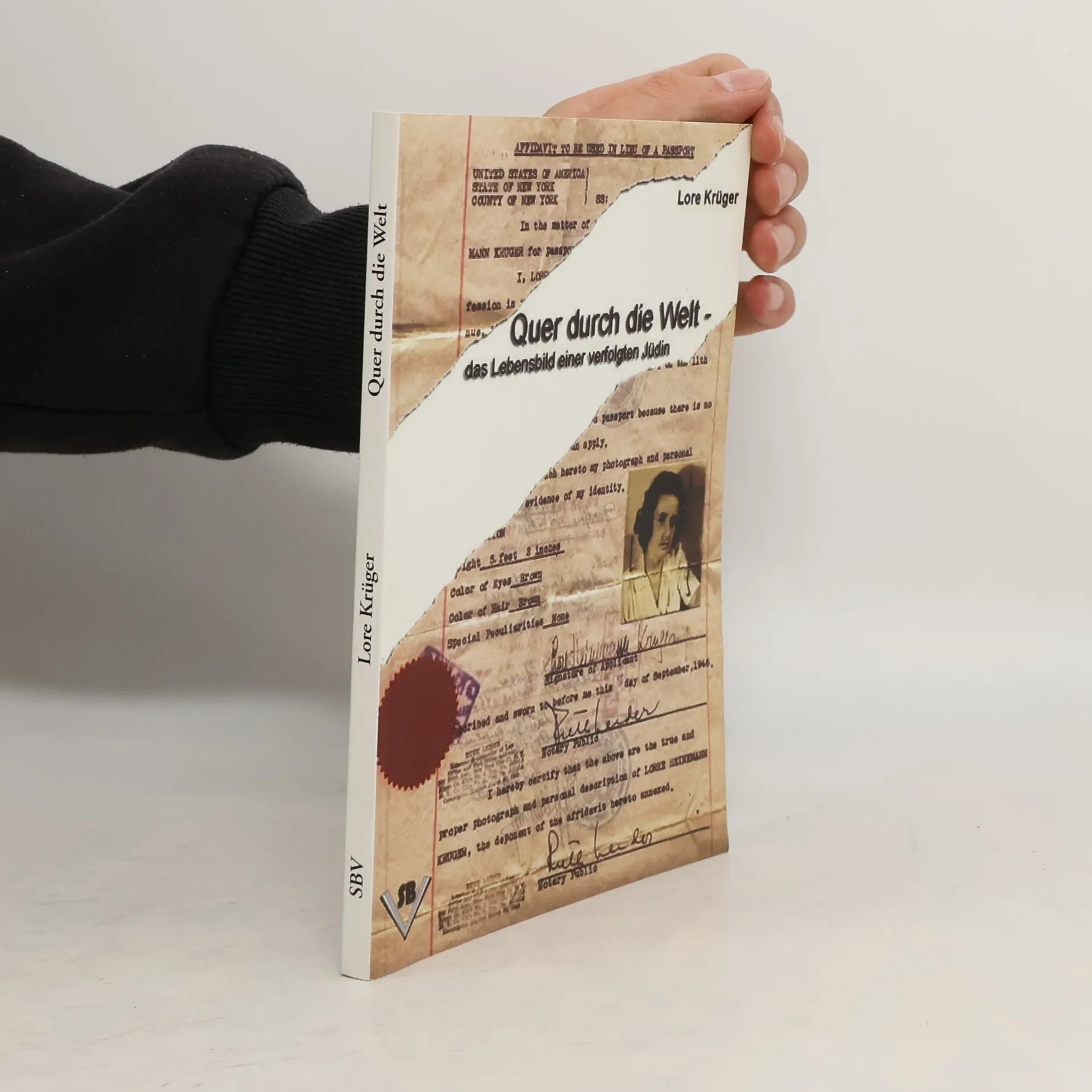
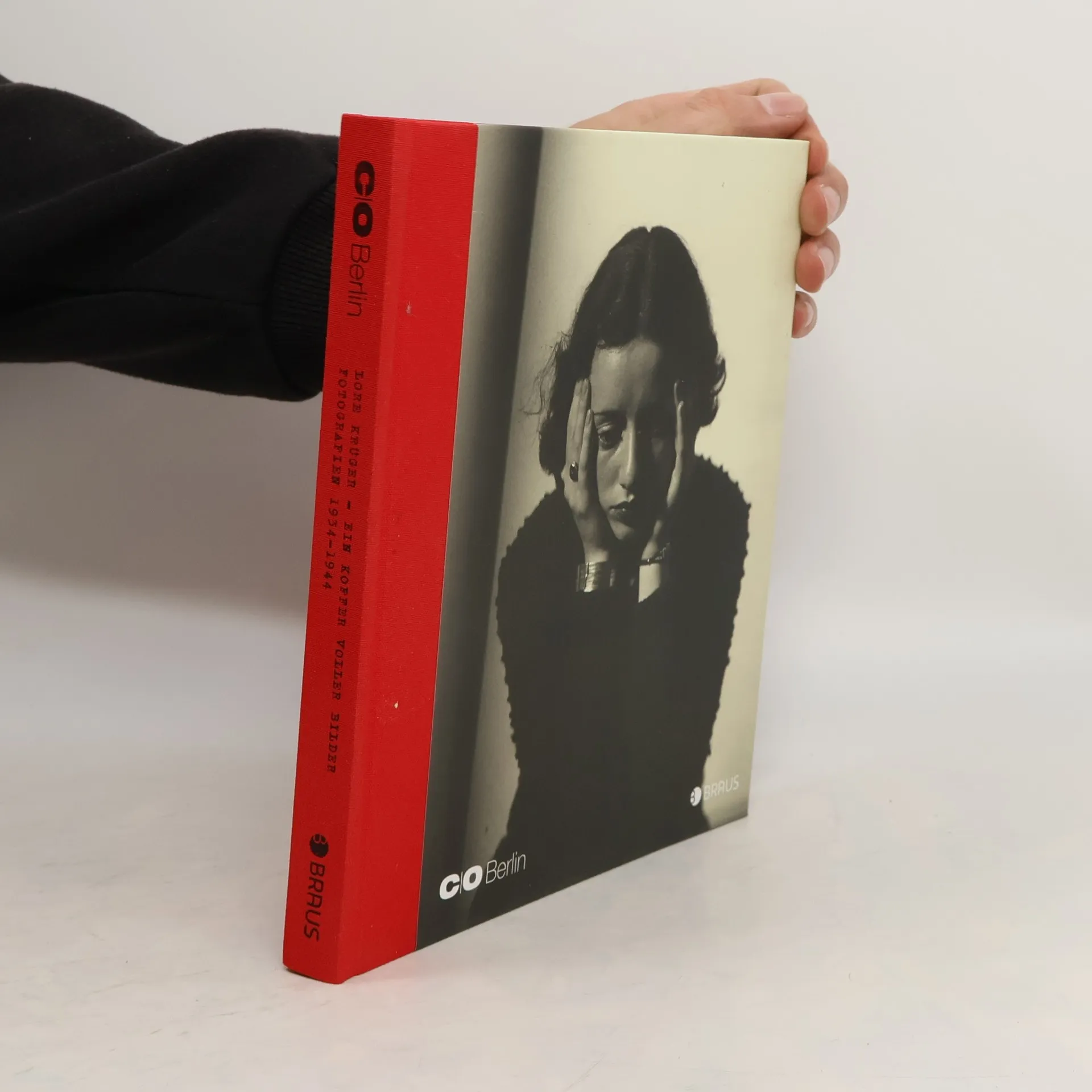
Magdeburg, London, Mallorca, Barcelona, Paris, Marseille, Trinidad, New York, Wisconsin, Berlin: these locations mark the journey of German-Jewish photographer Lore Krüger, who navigated emigration, resistance, persecution, imprisonment, internment, and exile during the rise of the National Socialists and World War II, all while capturing her experiences through photography. Her work spans various genres, including private and commissioned photography, social documentary, and experimental abstract styles. Krüger's impressive collection provides profound insights into the lives of European intellectuals in exile and offers a personal perspective on the political events of her time, transcending typical journalistic and propagandistic imagery. The discovery of her photographic estate grants new access to contemporary history. Influenced by the “New Seeing” movement from the Bauhaus, as well as Cubism, Dadaism, and Surrealism, Krüger was part of a group of Parisian artists who aimed to elevate photography from mere reproduction to a creative medium. Studying under Florence Henri, she honed her skills and adopted a free, experimental approach, moving beyond traditional studio photography to capture the realities of street life. This shift led to her notable series “Gitans” and sociological reportage on provincial life in France.
Lore Krüger Bücher
"Life on the Mississippi" is a memoir by Mark Twain that recounts his experiences as a steamboat pilot on the Mississippi River before and after the American Civil War. The book opens with a brief history of the river, beginning with its discovery by Hernando de Soto in 1542. Twain shares anecdotes from his training as a steamboat pilot, affectionately detailing the science of navigating the ever-changing waters. The narrative shifts in the second half as Twain returns years later to journey from St. Louis to New Orleans. He reflects on the competition from railroads, the emergence of new cities, and offers keen observations on themes of greed, gullibility, tragedy, and poor architecture. Interwoven are stories that likely draw from tall tales, enriching the narrative with humor and insight. This work is notable for being one of the first to be submitted to a publisher as a typewritten manuscript.