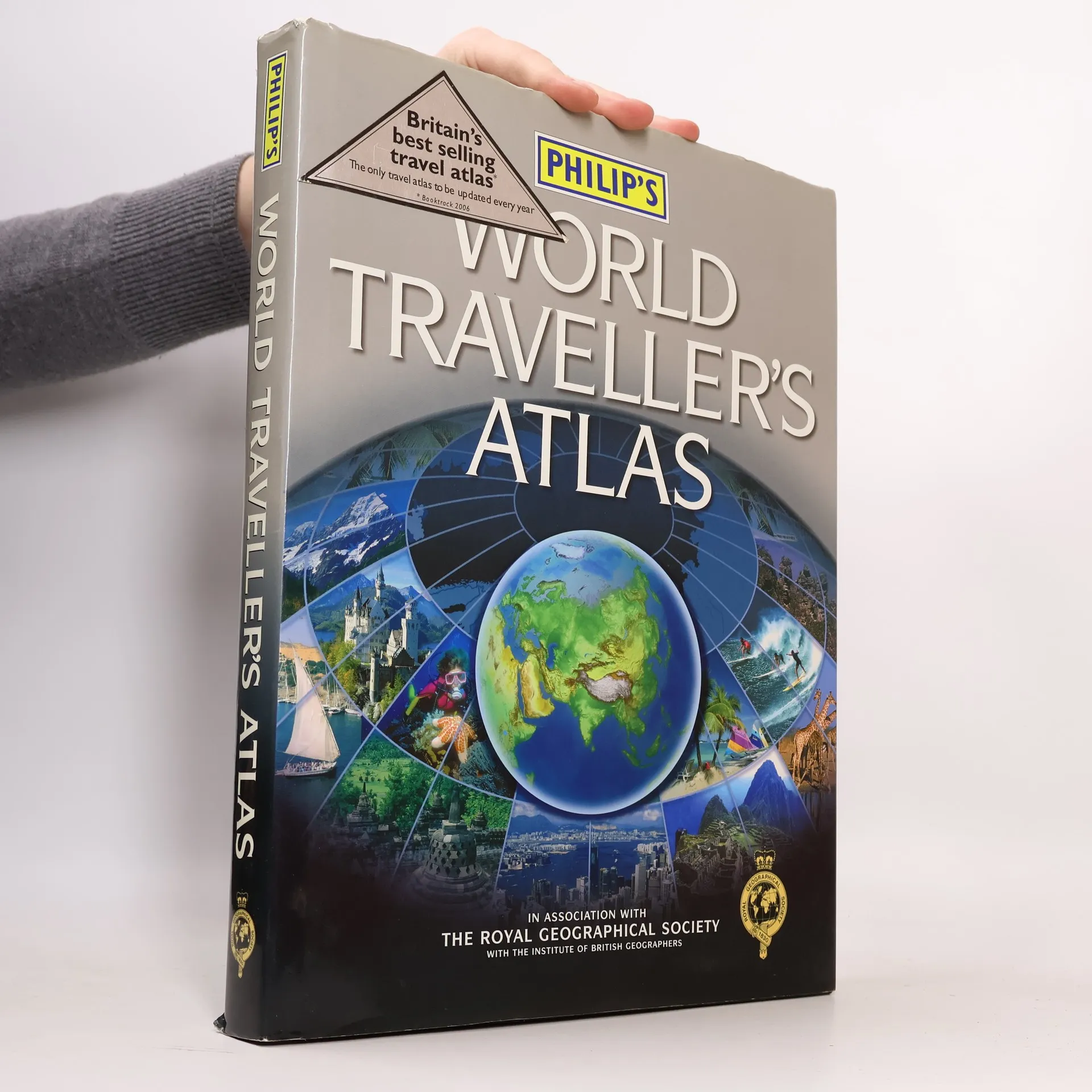
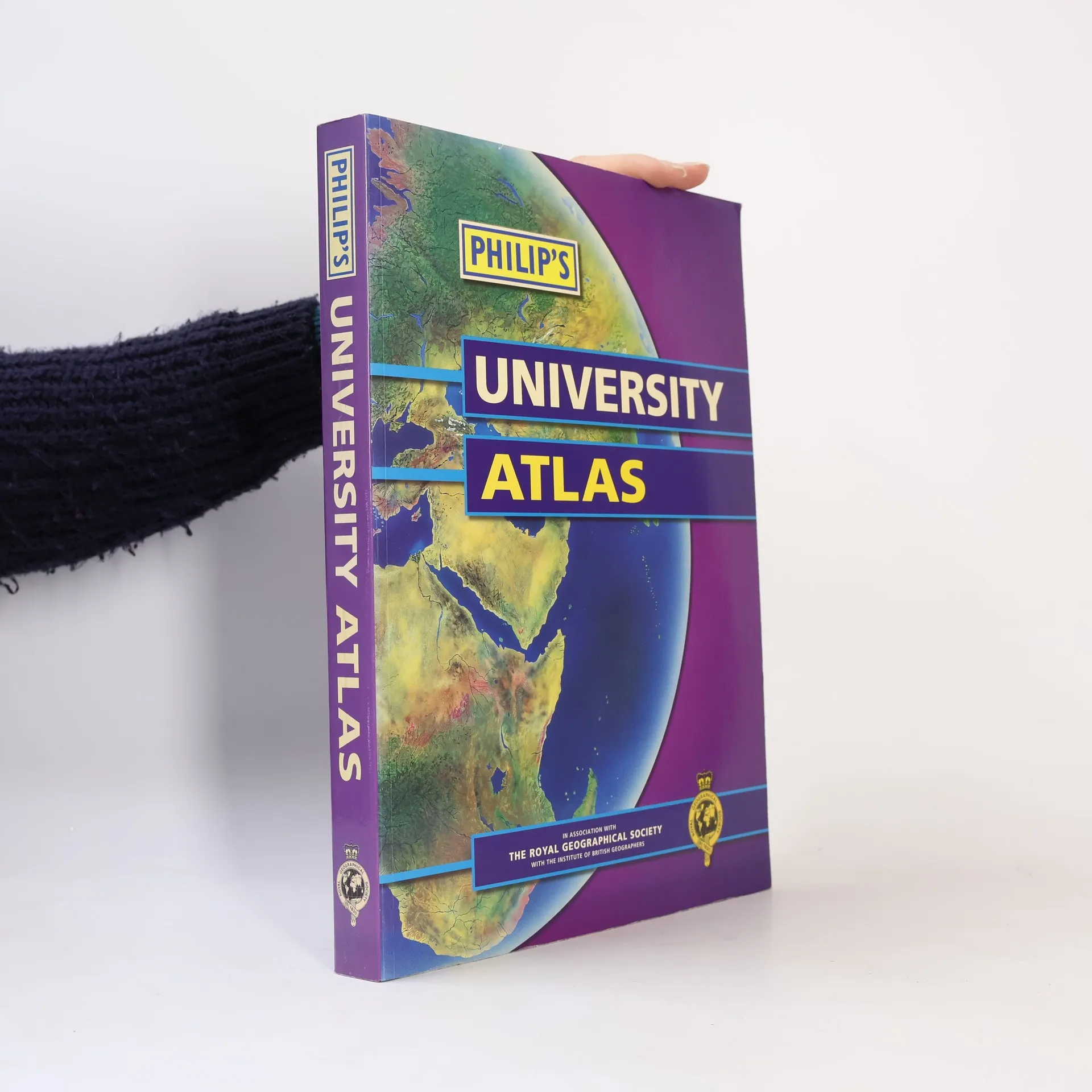
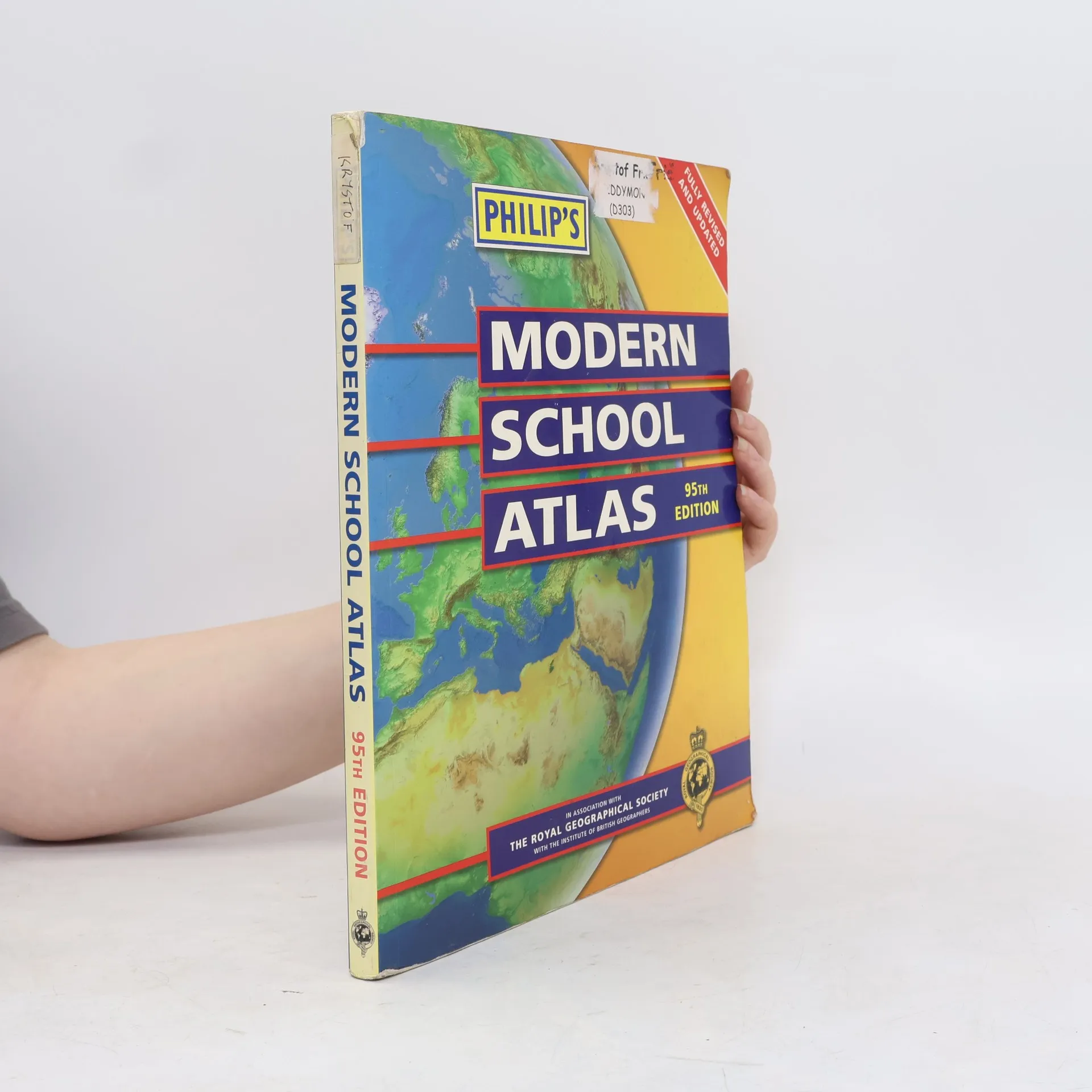
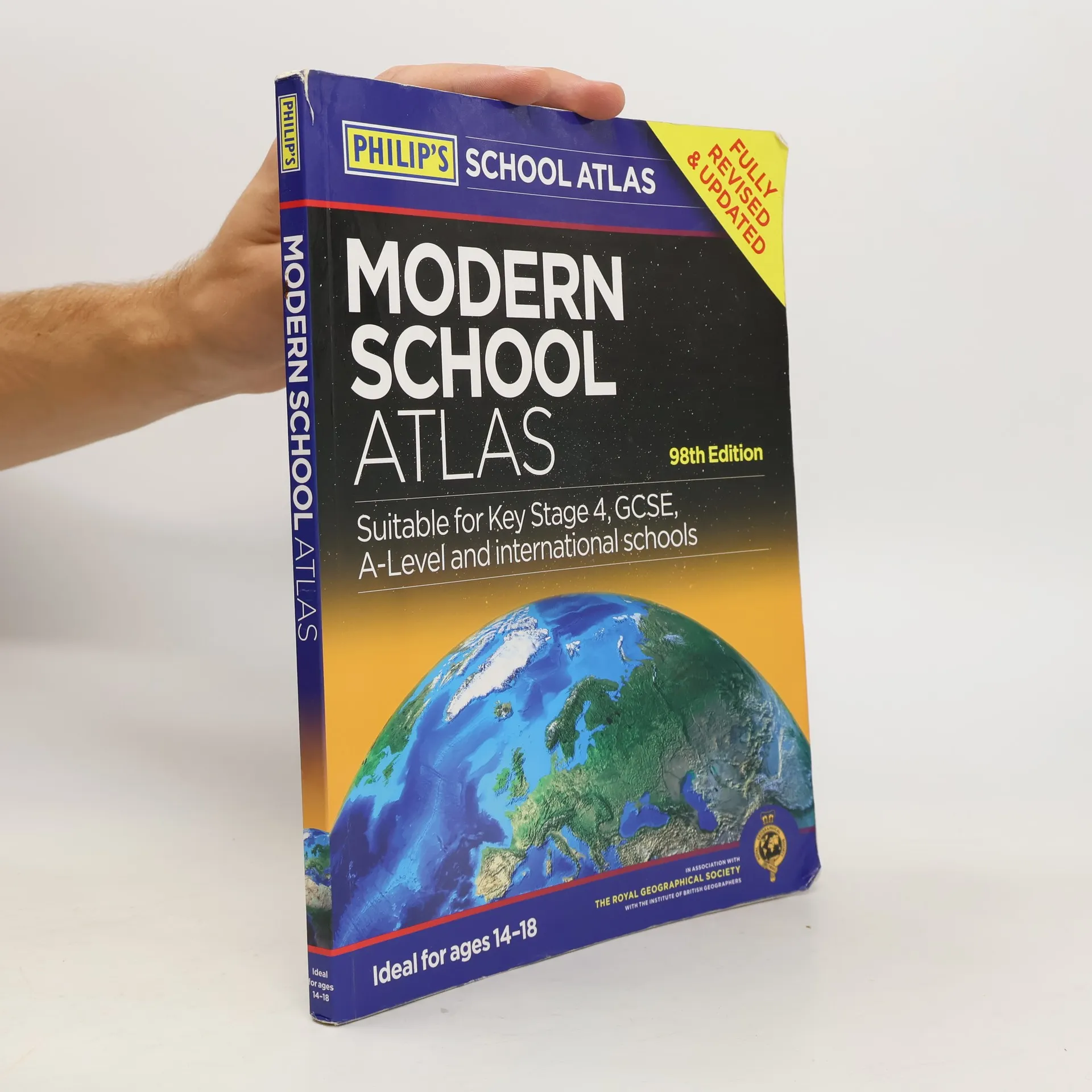
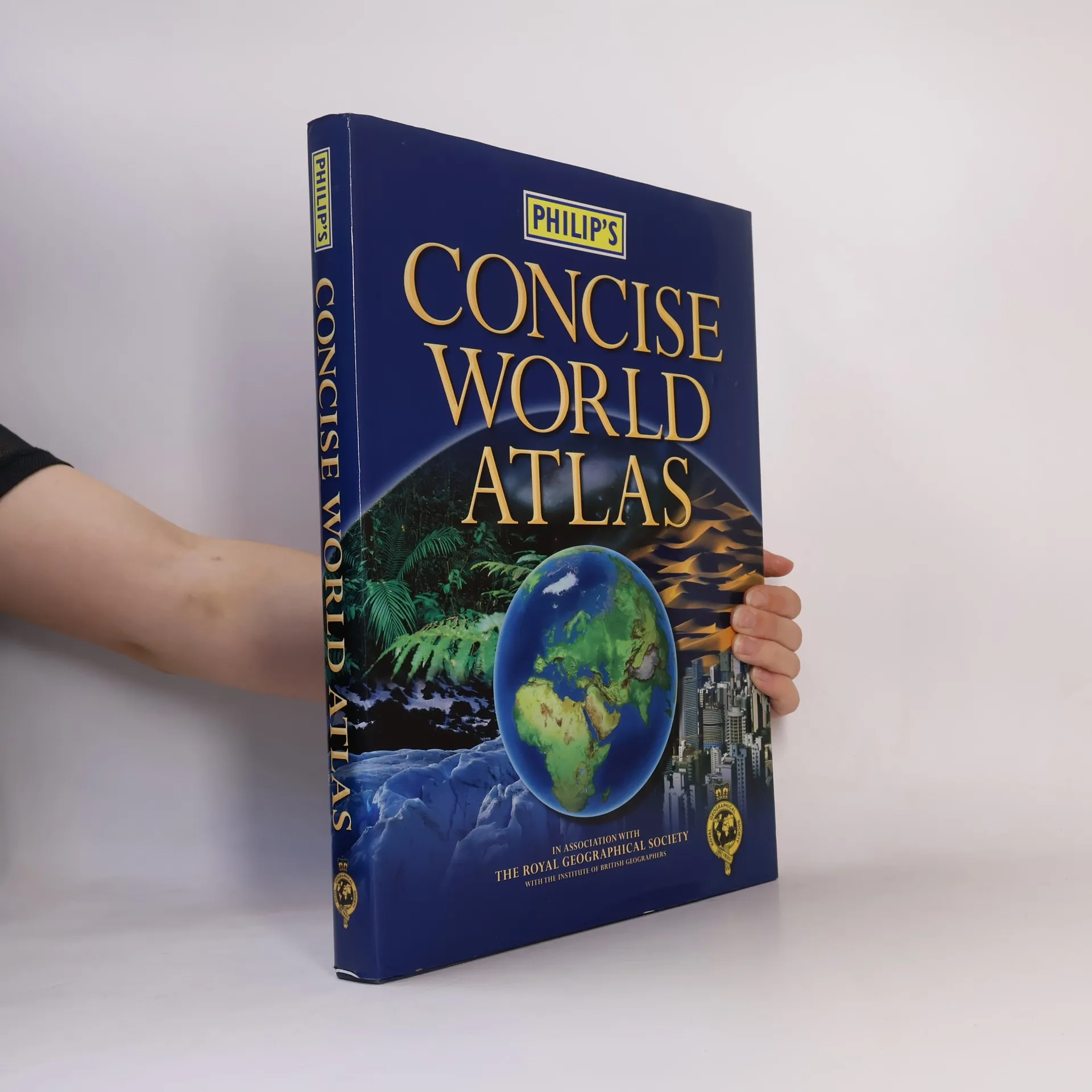
'Philip's Concise World Atlas' is suitable for home and family reference and contains 128 pages of fully revised topographic and political maps. Also included are six pages of world statistical data, plus a 48-page section, 'The Earth In Space'.
This fully updated, easy-to-use atlas is for lower secondary pupils (11-14 year olds). The British Isles section covers basic atlas skills and features satellite imagery and aerial photographs. The World Maps section includes larger scale maps of Russia, Japan, Nigeria, Ghana and the USA for special project-work. A Regional Studies section, illustrated with satellite images, maps and charts, focuses on areas of special curriculum interest; the regions covered include Italy, Japan, Kenya, South Africa, Brazil, the Arctic and Antarctica.
The 'Philip's Modern School Atlas' is an essential reference work for secondary education. It includes country-by-country statistics, providing up-to-date figures on population, land use, trade, health, education and economic performance.
This reference atlas of the world contains 160 pages of physical and political mapping, selected to provide balanced coverage of the continents while giving prominence to densely populated areas. It also includes an introduction to world geography, containing maps, charts, graphs and diagrams.
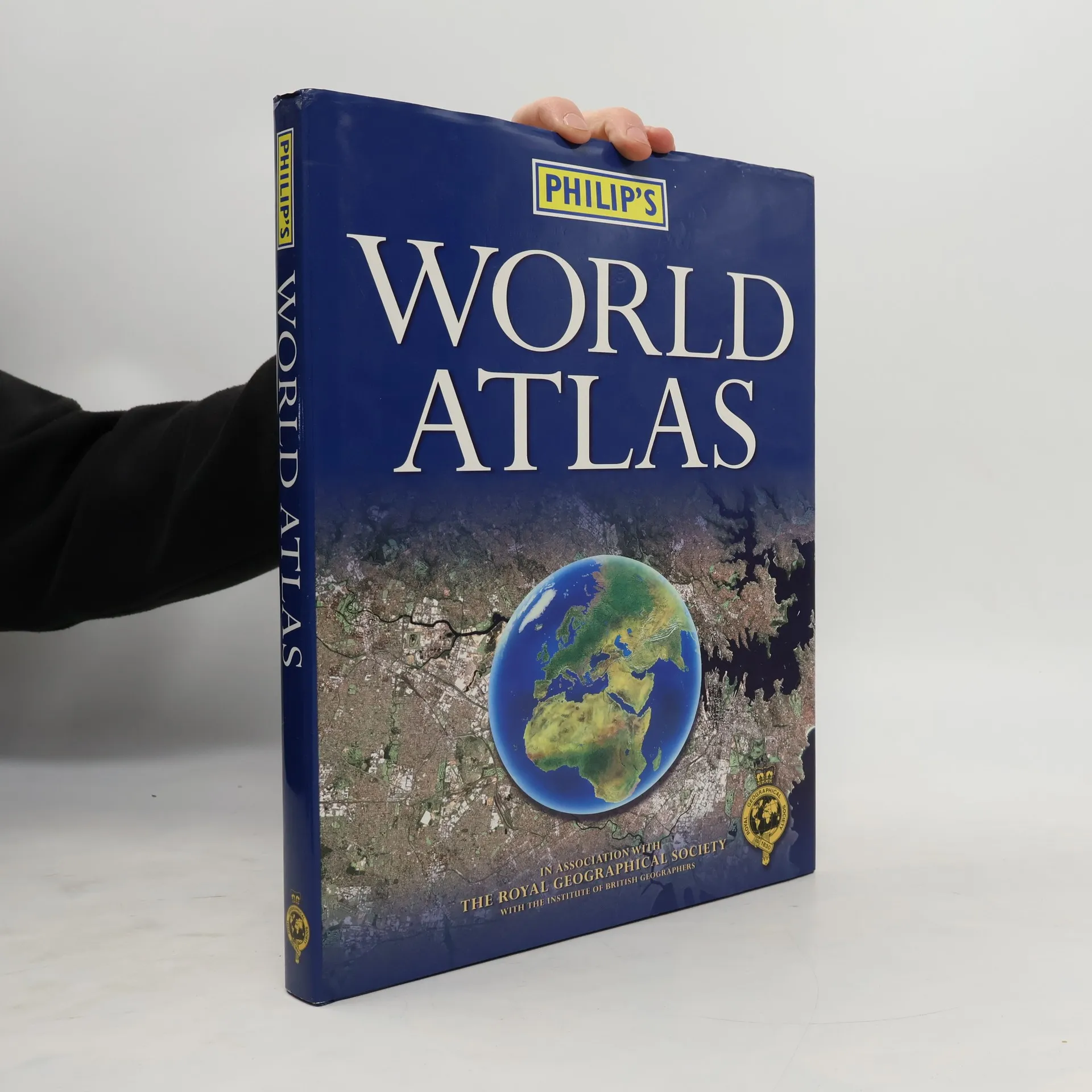
"Philip's World Atlas" is designed as a family atlas, suitable for junior and lower secondary school work, with a 32-page illustrated thematic section providing information on topics such as the Solar System, the structure of the Earth, climate and weather, the environment, population, resources, economics, politics and many others. This atlas also includes a special "World Cities" section, which provides urban area and city centre maps marking tourist sites for 67 of the world's most important cities, backed up by a comprehensive index. Full-page satellite images for 9 of the cities featured complete this section. The 96 pages of physical and political maps aim to give a balanced coverage of the world. Each map is accompanied by a locator diagram and adjoining pages indicator. The 35,000-name index includes geographical features as well as towns and cities, with both letter-figure grid references and latitude and longitude co-ordinates.