

Bookbot

Christophe Rico

    Unos, Duo, Tres: Latine loquamur per scaenas et imagines
    Polis Institute Conference Proceedings - 2: The Library of Alexandria
    The Mother of the Infant King, Isaiah 7
    Polis
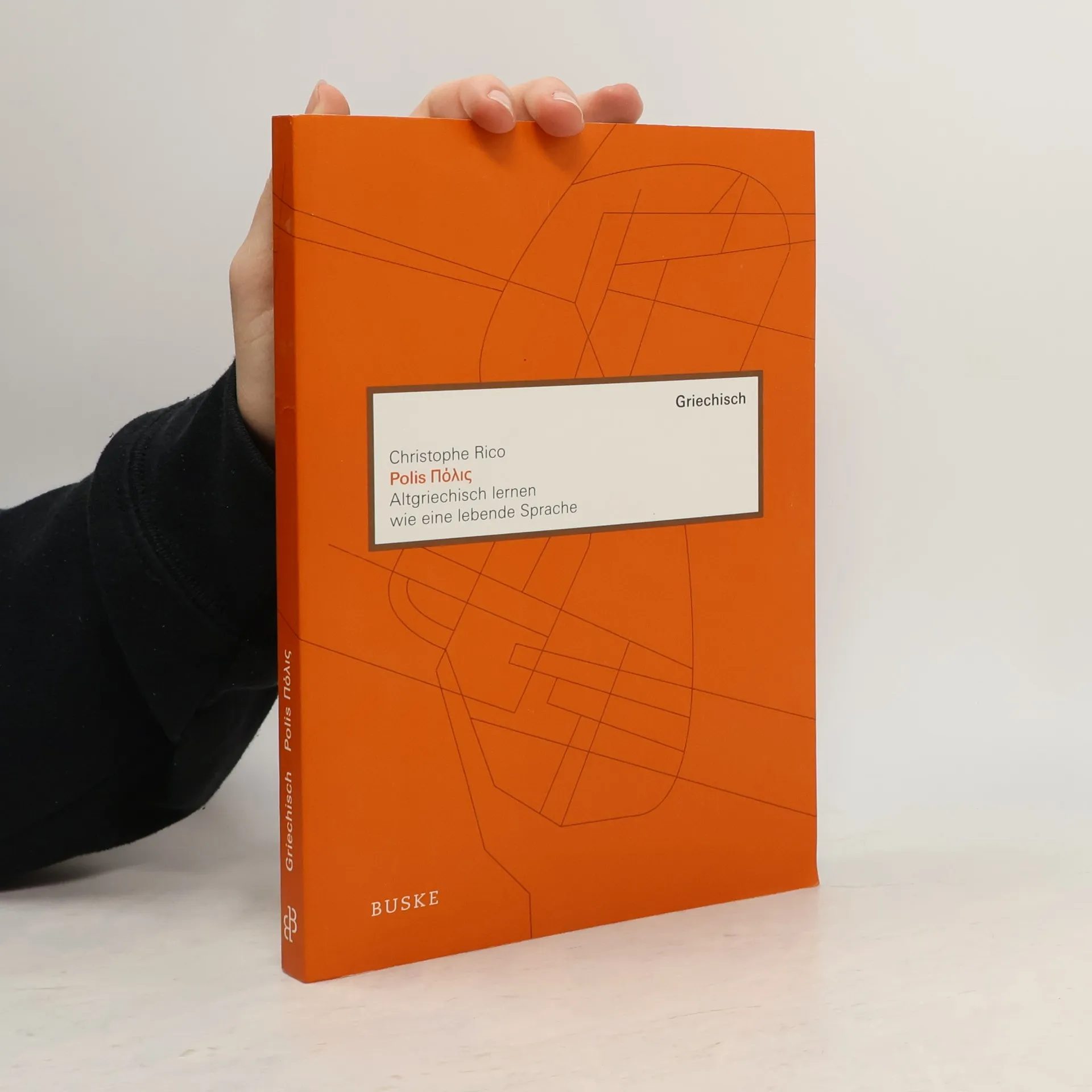
    Polis. Altgriechisch lernen wie eine lebende Sprache
    • Quomodo primum gradum in lingua Latina facilius fieri potest? Quomodo linguam illam sine impedimentis discere possumus? Possibile estne gaudium in discendo linguam antiquam invenire? Haec liber quaestiones has tractare conatur. Est resultat multorum annorum investigationis, reflexionis, officinarum, classium, et dialogorum cum studentibus, magistris linguarum, illustratoriis, et designatoribus. Unus, Duo, Tres novam technicam ad acquisitionem linguarum adhibet, quae in Instituto Polis Ierusalem evoluta est, Expressio Sequentialis Vivens (LSE), quae a duabus ideis Francois inspirata est: influentia sequentiae in processum discendi et necessitas exprimendi experientiam humanam fundamentalem per linguam quam discimus. Ideo pleraque paginae Unus, Duo, Tres seriem actionum ostendunt, quae audiuntur et videntur, ut a discipulo agantur et narretur. Hae series structuram internam et dynamicas linguae destinatae observant. Faciendo hoc, processus internitionis linguae celerior et efficacior fit, cum proprietates linguisticae secundum ordinem naturalem acquiri possint, cum proprietates pragmaticae specificae naturaliter alias praecedunt. Hoc est quod progressio pragmatica Unus, Duo, Tres reflectere intendit.

      Unos, Duo, Tres: Latine loquamur per scaenas et imagines2022
      4,0
    • Set in Jerusalem during a time of political turmoil, the story revolves around King Ahaz of Judah, who is plagued by fear as two armies approach to challenge his rule. Amidst this tension, the prophet Isaiah brings a pivotal message of hope, proclaiming the miraculous birth of a child named Emmanuel, symbolizing divine presence and reassurance during a crisis. The narrative intertwines themes of prophecy, faith, and the struggle for survival in a besieged city.

      The Mother of the Infant King, Isaiah 72020
      3,8
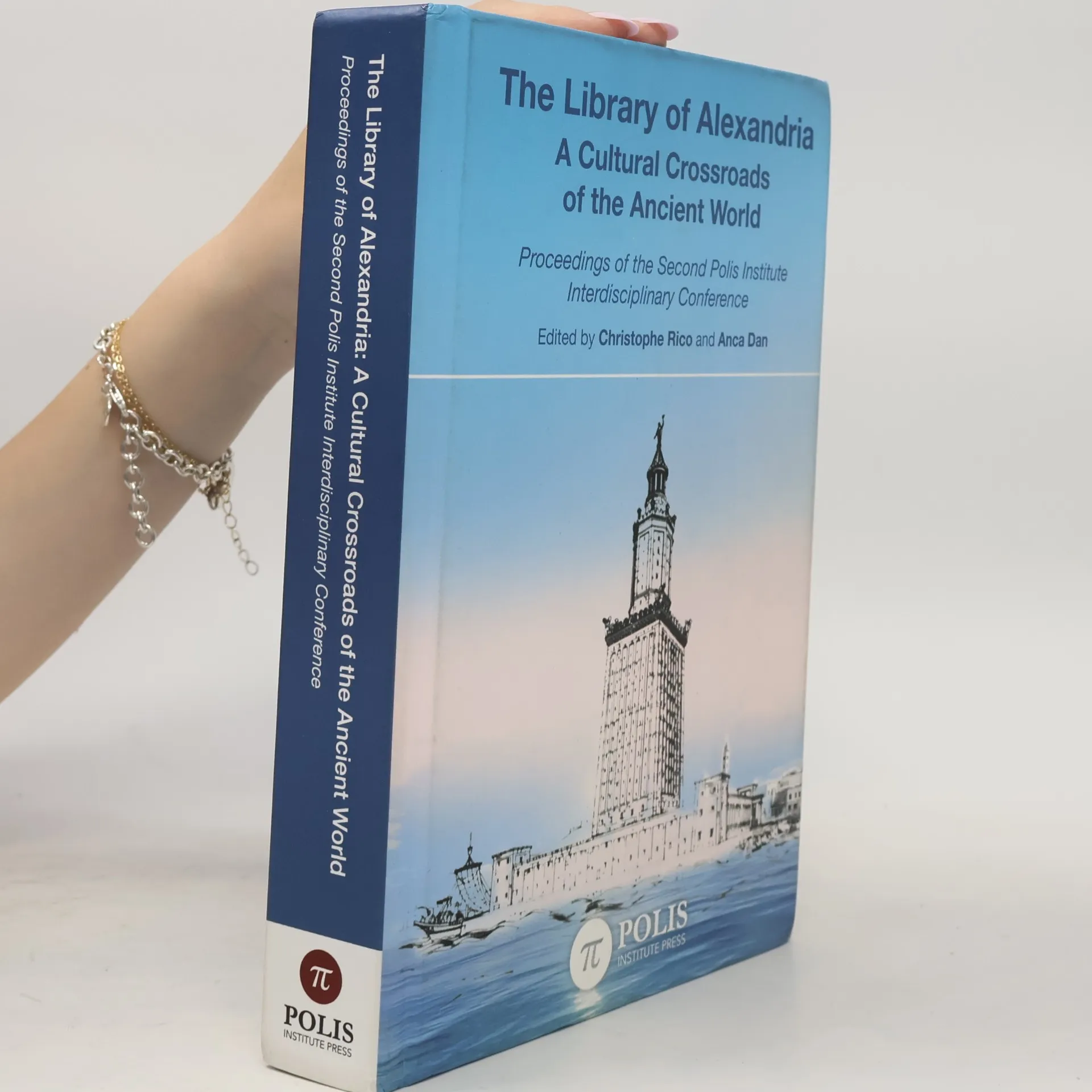
    • Polis Institute Conference Proceedings - 2: The Library of Alexandria

      A Cultural Crossroads of the Ancient World

      • 440 Seiten
      • 16 Lesestunden

      Created and developed by the Ptolemaic kings, the Library of Alexandria was regarded as the world’s main center of scholarship from the 3 rd century BC until at least the reign of Cleopatra (48–30 BC). The dream to establish a gigantic library that could assemble all known texts of the Hellenistic period, the outstanding achievements of the scholars who worked inside its walls, and, finally, the mysteries surrounding its disappearance, have bestowed an almost mythic status on this monumental library. Where was the Royal Library exactly located? What kind of texts were kept in that library? To what extent did the Library of Alexandria become a meeting point for different languages and cultures? Should we distinguish between the Museum and the Library from an institutional point of view? Were the book collections housed in separate buildings? What caused the destruction of those collections and how much was lost? Why do some ancient authors remain silent about the Library’s disappearance? Polis—The Jerusalem Institute of Languages and Humanities held an international conference to seek answers to these question. The 2015 conference on the Library of Alexandria gathered historians, archaeologists, and linguists, as well as specialists on the Septuagint and on Greek literature. This book presents the proceedings of the interdisciplinary conference.

      Polis Institute Conference Proceedings - 2: The Library of Alexandria2017
    • Polis

      Speaking Ancient Greek As A Living Language, Level One, Teacher's Volume.

      • 96 Seiten
      • 4 Lesestunden

      Focusing on fluency, this book aims to teach students to read ancient Greek effortlessly, akin to reading modern languages like French or Spanish. By treating ancient Greek as a living language, it encourages learners to engage with the text directly, eliminating the need for dictionaries or translations. This approach fosters a deeper understanding and appreciation of the language in its historical context.

      Polis2015
      4,7
    • „Polis“ eröffnet den Zugang zur altgriechischen Sprache über aktive Aneignung und das Sprechen des elementaren Alltagsgriechischen der Zeit der Koiné, d. h. der nachklassischen Sprachform. Das Lehrwerk ist in griechischer Sprache gehalten, nur wo notwendig, werden deutsche Übersetzungen erhänzt. Alle 12 Lektionen haben häufig dialogischen Charakter. Protagonisten sind im Kern Schüler / Studierende und ihr Griechischlehrer. Abschnitte aus dem Neuen Testament (als dem bekanntesten, sprachlich volkstümlichen Text der Koiné) ergänzen den Inhalt. In die Hauptelemente der Sprache wird in behutsamer Progression eingeführt. Alle verwendeten Wörter werden im Vokabelteil in einem Satzkontext erläutert und übersetzt. Methodisch und inhaltlich vielseitig angelegten Übungen vertiefen gezielt Grammatik und Vokabeln.Der Anhang umfasst die deutsche Übersetzungen sämtlicher Texte sowie den Übungsschlüssel.Eine Audio-CD mit den Lehrbuchtexten bildet einen zusätzlichen methodischen Ausgangspunkt des Unterrichts. Hierfür wurde eine rekonstruierte Aussprache des 4. Jhds. v. Chr. verwendet, die mit der hiesigen Schulaussprache kompatibel ist.

      Polis. Altgriechisch lernen wie eine lebende Sprache2011
      5,0