

This book is a reproduction of an original historical work, published by Megali, a company dedicated to making literature accessible for individuals with impaired vision. The large print format enhances readability, ensuring that important historical texts are available to a wider audience.
Zitkala-Sa Reihenfolge der Bücher (Chronologisch)
22. Februar 1876 – 28. Januar 1938

Old Indian Legends
- 60 Seiten
- 3 Lesestunden
Focusing on Sioux oral tradition, this collection features fourteen traditional legends curated by Yankton Dakota writer Zitkála- á. Aimed at preserving her people's cultural heritage, these stories reflect the rich tapestry of Native American folklore. Published early in her career as an artist and activist, Zitkála- á's work serves to popularize and safeguard these invaluable narratives for future generations, highlighting the importance of storytelling in maintaining cultural identity.
Drawing from her personal experiences, Zitkála-Šá shares her journey as a young woman from the Yankton Indian Reservation, contrasting her upbringing with her education at a Quaker school. Through vivid memories of her mother, cultural legends, and everyday moments like making coffee, she powerfully amplifies the voices and stories of her people, blending traditional storytelling with her unique perspective.
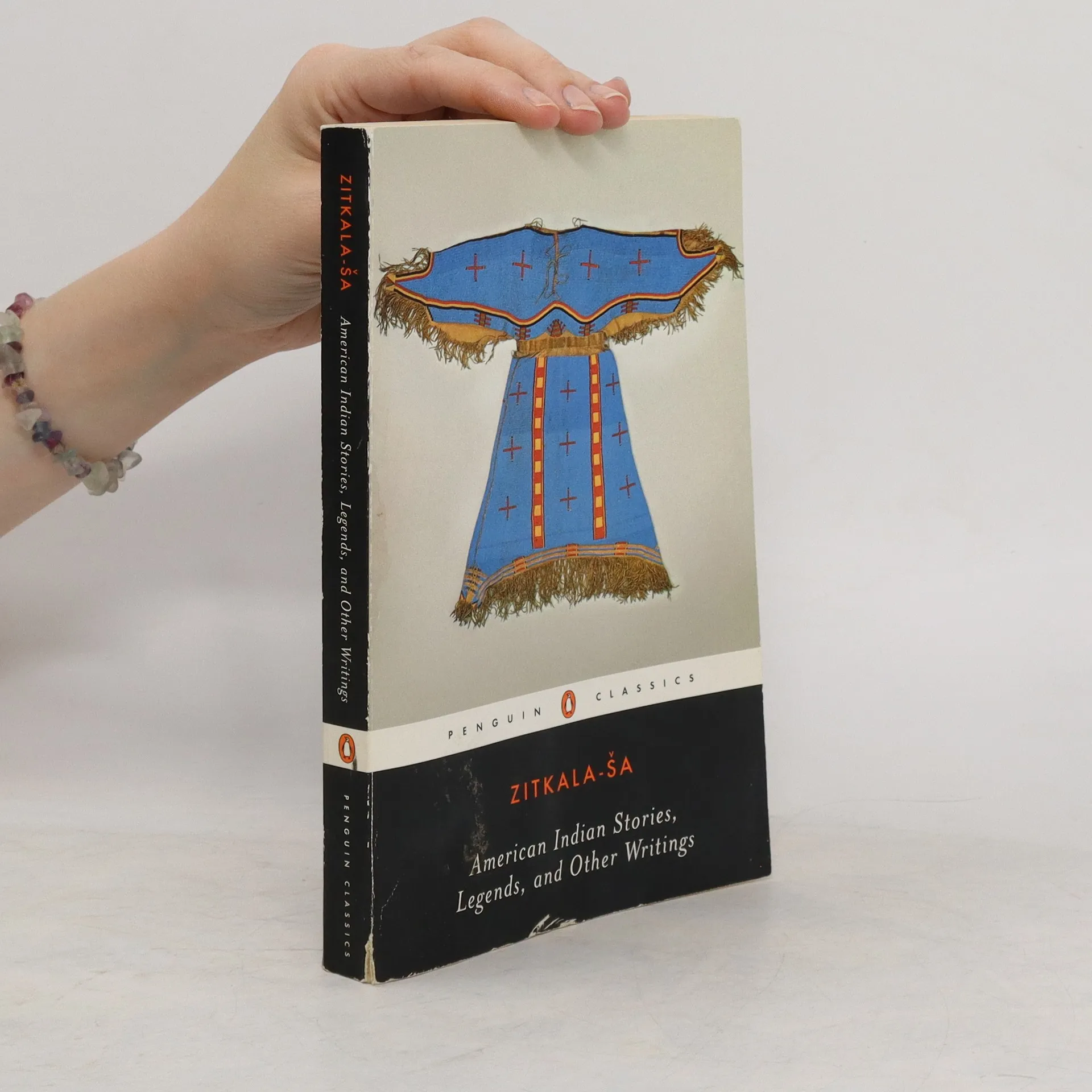
American Indian Stories, Legends, and Other Writings
- 320 Seiten
- 12 Lesestunden
A thought-provoking collection of searing prose from a Sioux woman that covers race, identity, assimilation, and perceptions of Native American cultureZitkala-Sa wrestled with the conflicting influences of American Indian and white culture throughout her life. Raised on a Sioux reservation, she was educated at boarding schools that enforced assimilation and was witness to major events in white-Indian relations in the late 1800s and early 1900s. Tapping her troubled personal history, Zitkala-Sa created stories that illuminate the tragedy and complexity of the American Indian experience. In evocative prose laced with political savvy, she forces new thinking about the perceptions, assumptions, and customs of both Sioux and white cultures and raises issues of assimilation, identity, and race relations that remain compelling today.