Spinoza
- 422 Seiten
- 15 Lesestunden
Complete biography of Spinoza based on detailed archival research. schovat popis


Steven Nadler ist ein Philosophieprofessor, dessen Werke sich mit der Ideengeschichte und dem Einfluss wichtiger Denker befassen. Seine Schriften untersuchen oft die Schnittstelle zwischen Geistesgeschichte und den kulturellen Auswirkungen philosophischer Ideen. Nadler konzentriert sich darauf, wie diese Ideen das säkulare Zeitalter prägen und welche skandalösen Auswirkungen sie auf die Gesellschaft haben können. Seine Werke beleuchten einen komplexen, aber zugänglichen Blick auf die Entstehung des säkularen Denkens.


Complete biography of Spinoza based on detailed archival research. schovat popis
From Pulitzer Prize-finalist Steven Nadler comes an engaging exploration of what Spinoza can teach us about life's profound questions. In 1656, Baruch Spinoza was excommunicated from Amsterdam's Portuguese-Jewish community for his controversial beliefs, leading him to abandon his family's business to pursue philosophy. His radical views on God, the Bible, and free thought made him notorious across Europe. However, Spinoza's primary motivation was to address a pressing human concern: how to lead a good life and find happiness in a world without a providential God. Nadler connects Spinoza's ideas with his life and historical context, illustrating how the philosopher serves as a guide to living well. In his work, Spinoza describes the "free person," who, driven by reason, leads a joyful life focused on self-improvement and the well-being of others. Free individuals rise above negative passions like hate and envy, treating others with kindness and justice. They appreciate the pleasures of life, practicing moderation. As Spinoza notes, "The free person thinks least of all of death," emphasizing that true wisdom lies in a focus on life itself. This introduction to Spinoza's moral philosophy reveals how his insights remain relevant for living today.
"In this book the philosophers Steve Nadler and Lawrence Shapiro will explain why bad thinking happens to good people. Why is it, they ask, that so large a segment of public can go so wrong in both how they come to form the opinions they do and how they fail to appreciate the moral consequences of acting on them."--Publisher's description.
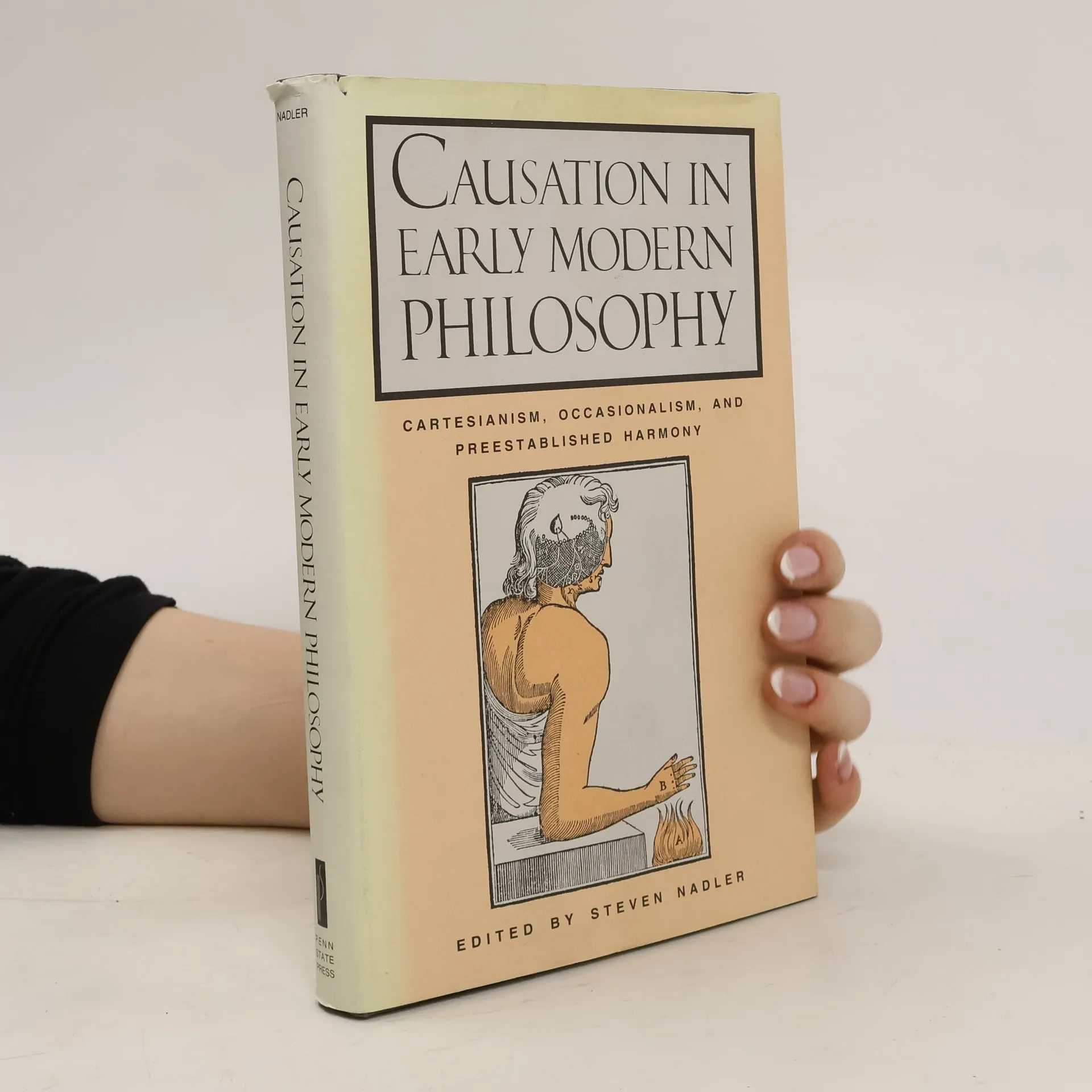
Three general accounts of causation stand out in early modern Cartesian interactionism, occasionalism, and Leibniz's preestablished harmony. The contributors to this volume examine these theories in their philosophical and historical context. They address them both as a means for answering specific questions regarding causal relations and in their relation to one another, in particular, comparing occasionalism and the preestablished harmony as responses to Descartes's metaphysics and physics and the Cartesian account of causation. Philosophers discussed include Descartes, Gassendi, Malebranche, Arnauld, Leibniz, Bayle, La Forge, and other, less well-known figures.
Spinoza's Scandalous Treatise and the Birth of the Secular Age
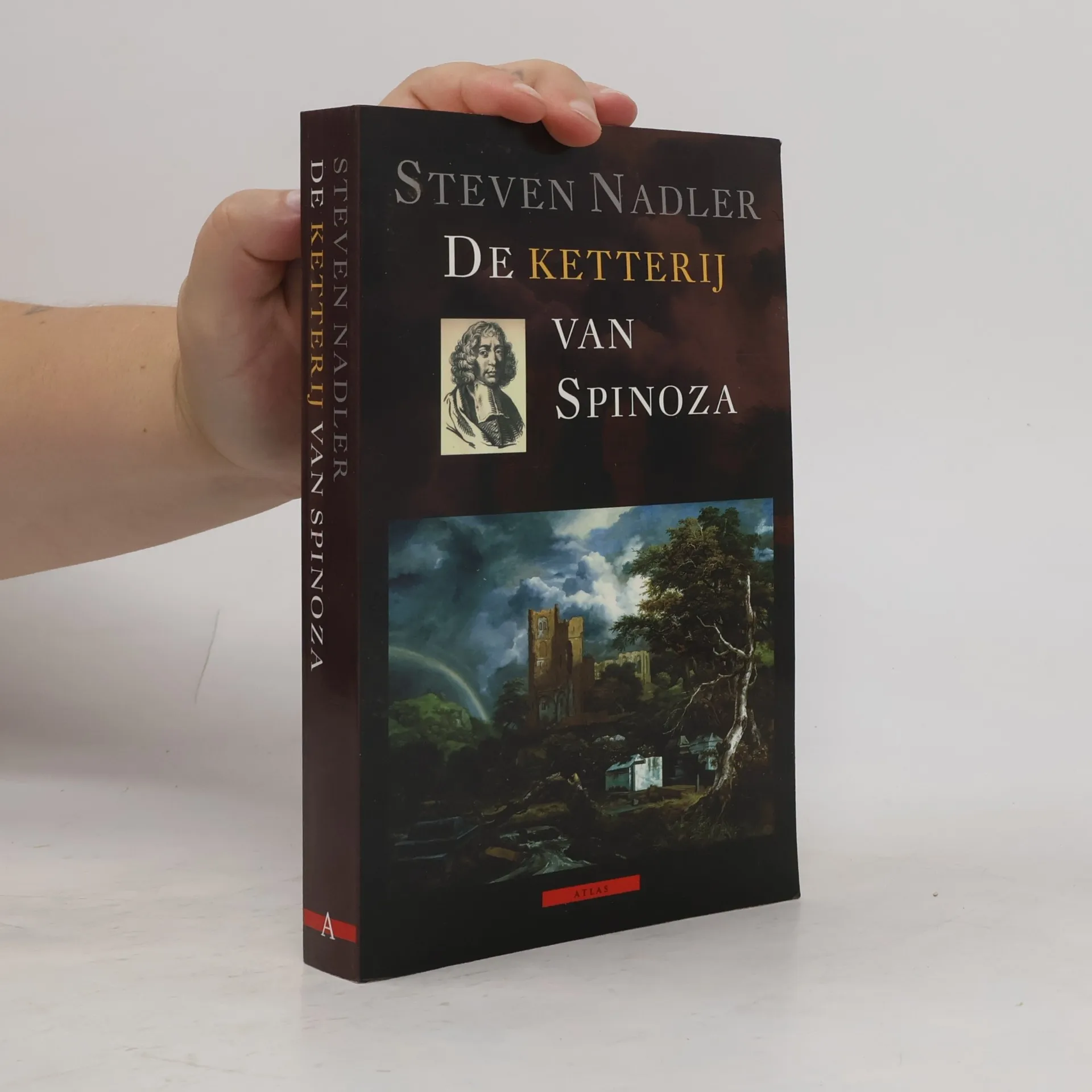
When it was published in 1670, Baruch Spinoza's work was condemned as "godless" and a threat to faith and morality, with its author labeled a religious subversive. Despite this, the book has significantly influenced modern liberal, secular, and democratic thought, akin to the Declaration of Independence and Thomas Paine's writings. In this exploration, Steven Nadler delves into the book's radical ideas, rooted in the philosophical, religious, and political tensions of the Dutch Golden Age, and examines the intense backlash it provoked. Spinoza's work challenged the notion that the Bible is the literal word of God, asserting instead that it is a human literary creation. He argued that true religion is separate from theology and dogma, and that religious authorities should not govern a modern state. Additionally, he denied the existence of miracles and divine providence, reinterpreted prophecy, and advocated for toleration and democracy. This compelling narrative of provocative ideas and their repercussions offers insight into the origins of many of our cherished modern beliefs, making it a captivating read for those interested in intellectual history.
Onderzoek naar het denken van Spinoza (1632-1677) over onsterfelijkheid als mogelijke oorzaak van zijn verbanning uit de joodse gemeenschap in Amsterdam in 1656.