
Bookbot

William McDonough

    20. Februar 1951

    William McDonough ist ein visionärer Designer und Berater, der das Design der Welt grundlegend verändert. Er ist Mitbegründer des Konzepts „Cradle to Cradle“ und Autor einflussreicher Publikationen. Seine Arbeit konzentriert sich auf die Schaffung nachhaltiger und regenerativer Systeme. Er widmet sich seit langem Prinzipien, die zu einer positiven Auswirkung auf den Planeten führen.

    De upcycle - Voorbij duurzaamheid - Ontwerpen voor overvloed
    Božská příroda : duchovní pohled na krizi životního prostředí
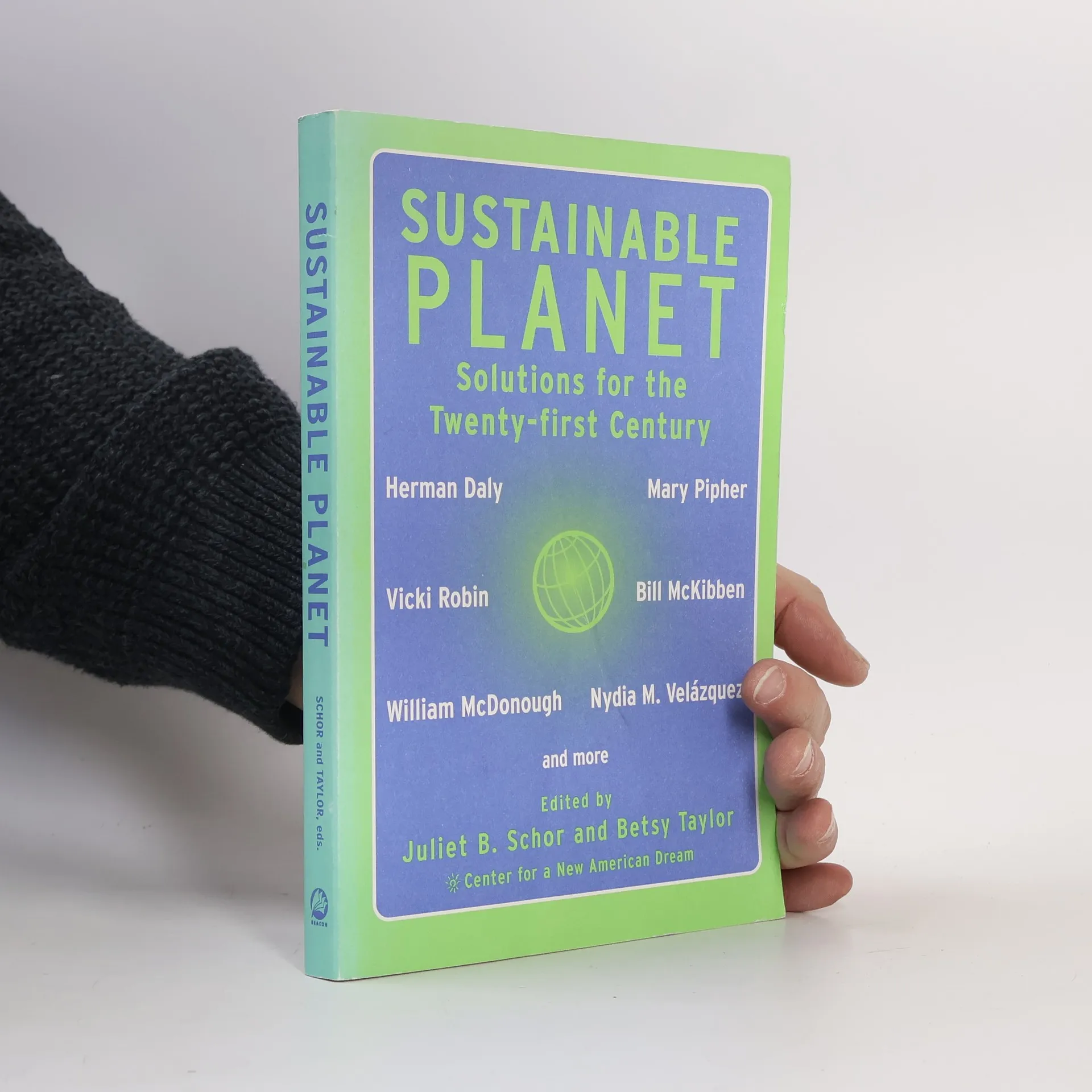
    Sustainable Planet
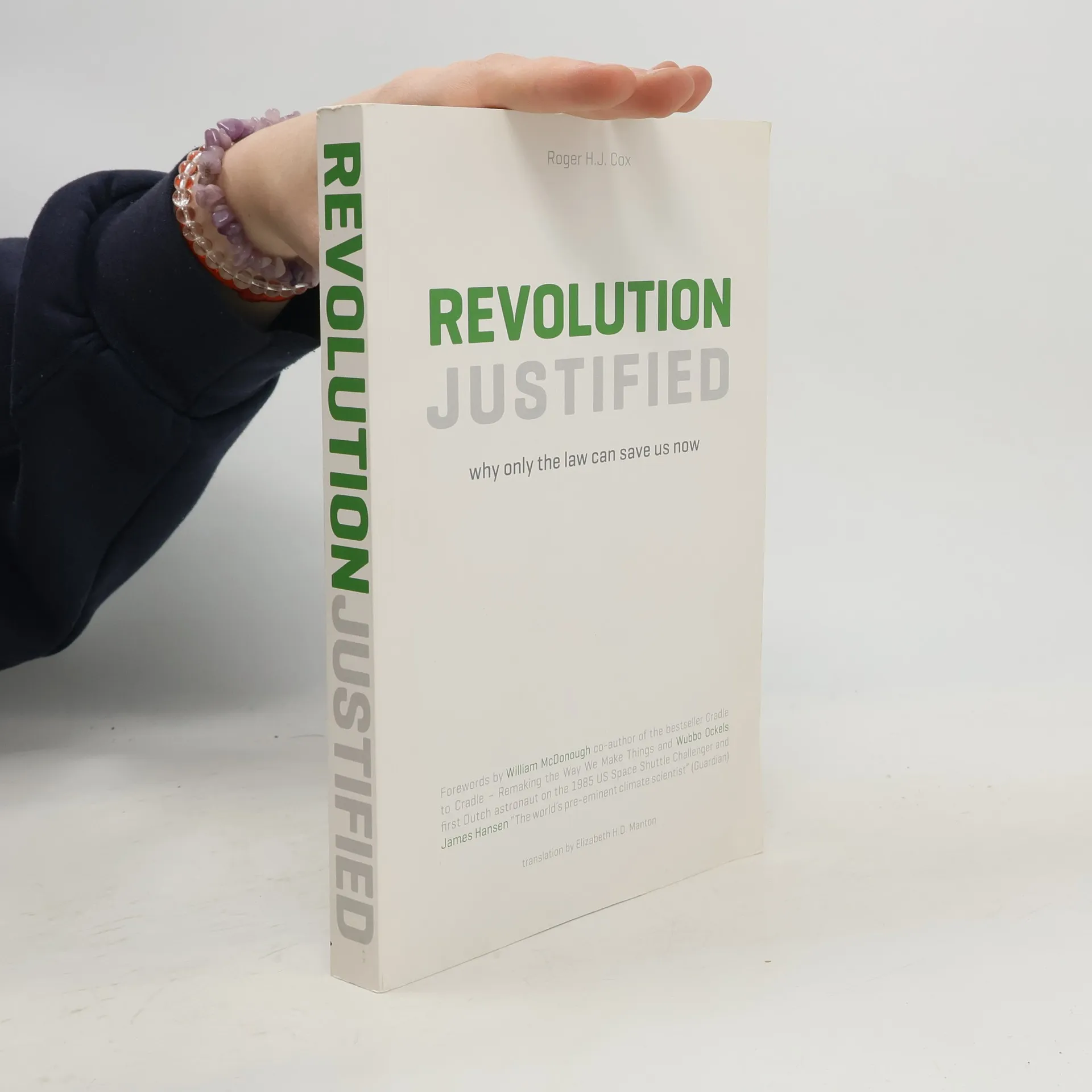
    Revolution Justified
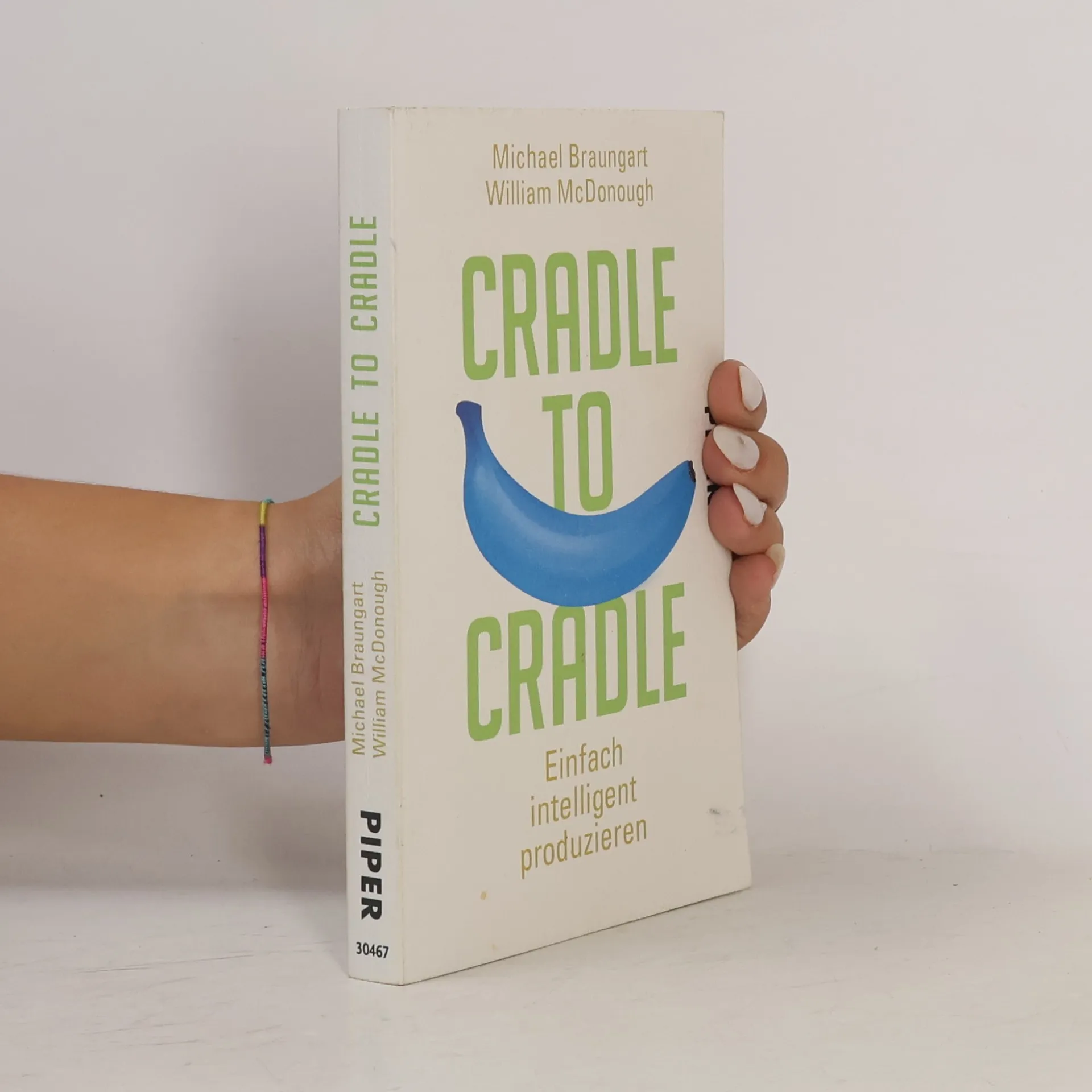
    Einfach intelligent produzieren
    Intelligente Verschwendung
    • De upcycle - Voorbij duurzaamheid - Ontwerpen voor overvloed

      voorbij duurzaamheid - ontwerpen voor overvloed

      • 287 Seiten
      • 11 Lesestunden

      <b>From the authors <i>Cradle to Cradle</i>, the next step, in which we improve the resources we use</b> <i>The Upcycle</i> is the eagerly awaited follow-up to <i>Cradle to Cradle</i>, the most consequential ecological manifesto of our time. Now, drawing on the lessons gained from ten years of putting the cradle-to-cradle concept into practice with businesses, governments, and ordinary people, William McDonough and Michael Braungart envision the next step in the solution to our ecological crisis: We don't just reuse resources with greater effectiveness, we actually improve them as we use them. For McDonough and Braungart, the questions of resource scarcity and sustainability are questions of design. And they are practical-minded visionaries: They envision beneficial designs of products, buildings, and business practices—and they show us these ideas being put to use around the world as everyday objects like chairs, cars, and factories are being reinvented not just to sustain life on the planet but to grow it. It is an eye-opening, inspiring tour of the next industrial revolution as it unfolds in front of us. <i>The Upcycle</i> is every bit as ambitious as such classics as Rachel Carson’s <i>Silent Spring</i>—but its mission is very different. McDonough and Braungart want to turn on its head our very understanding of the human role on earth: We should not just protect the plant from ourselves but should redesign our activity to improve the planet. And that goal is well within our reach.

      De upcycle - Voorbij duurzaamheid - Ontwerpen voor overvloed2013
    • Intelligente Verschwendung

      • 208 Seiten
      • 8 Lesestunden

      Abfall war gestern, ab sofort gibt es nur noch Nährstoffe. Alle Produkte verbleiben in einem steten Kreislauf, eingesetzt werden nur noch gesunde, unbedenkliche Materialien. Was wie eine Vision aus einer fernen Zukunft klingt, ist vielerorts bereits Realität, und das Konzept hat einen Namen: Cradle to Cradle. In ihrem aktuellen Buch gehen seine Begründer nun einen Schritt weiter: Im Fokus steht nicht mehr nur das kluge Design einzelner Produkte, beim »Upcycling« geht es um die Vervollkommnung unseres Lebensstils – um gesundes Wohnen, freudvolles Arbeiten und die Errichtung zukunftsfähiger Städte. Ein zutiefst positiver Zukunftsentwurf, eine überzeugende Einladung, Teil der »Aufwärtsspirale des Lebens « zu werden.

      Intelligente Verschwendung2013
      4,1
    • Revolution Justified

      Why Only the Law Can Save Us Now

      • 328 Seiten
      • 12 Lesestunden

      Military reports indicate that looming energy crises threaten Western society, potentially undermining democracy and the rule of law while escalating aggressive geopolitics and damaging essential ecosystem services. The dual challenges of climate change and oil decline pose significant risks, as explored in this insightful work by attorney Roger Cox. He argues that current market mechanisms and political models are inadequate to catalyze an energy revolution necessary to address these crises. This impasse could lead to severe domestic human rights violations reminiscent of post-World War II concerns. Cox suggests that the judiciary must intervene to guide Western governments out of this perilous situation. By examining cases from the US, UK, Netherlands, and the EU, he illustrates that existing legal frameworks can facilitate a more effective energy transition. He advocates for judicial action to combat climate change, asserting that government inaction on greenhouse gas regulation endangers societal well-being. Cox's landmark case against the Dutch government, resulting in a court order to reduce CO2 emissions by 25% by 2020, exemplifies this approach. He is also instrumental in establishing a network for climate litigation globally and leads initiatives in sustainable development through his law practice and the Planet Prosperity Foundation, earning recognition as a key figure in sustainable real estate.

      Revolution Justified2012
      3,7
    • Sustainable Planet

      Solutions for the Twenty-first Century

      • 286 Seiten
      • 11 Lesestunden

      Can we find ways of living that are sustainable and deeply satisfying, that ensure economic and political democracy, and are passionate about beauty, elegant design, and the wildness of nature? The contributors to Sustainable Planet say we can, and offer 16 remarkable visions of how to get from here to there, * Specific proposals from citizen and labor coalitions that articulate a positive alternative to the free-trade model of globalization* The emergence of local food systems that allow us to eat fresher, better tasting food while protecting family farms and conserving the environment* New thinking about industrial design and engineering that is leading to production systems which generate no waste* How we might create a fashion industry that weds aesthetic pleasure with social justice* Five economic policy recommendations that could move us toward a sustainable economy* What you can do to create a real sense of community where you live* A road map for building the political will to change the system before it's too late.This anthology grew out of the work of the Center for a New American Dream (CNAD), a nonprofit organization dedicated to helping Americans change the way they consume to improve quality of life, protect the environment, and promote social justice.

      Sustainable Planet2002
      3,8
    • "Autos aus Autos? Schuhe als Düngemittel für unsere Balkonblumen? Zukünftig gibt es nur noch zwei Arten von Produkten: Verbrauchsgüter, die vollständig biologisch abgebaut werden können, und Gebrauchsgüter, die sich endlos recyclen lassen. Die Devise lautet: Nicht weniger müssen wir produzieren, sondern verschwenderisch und in technischen und biologischen Kreisläufen. Eine ökologisch-industrielle Revolution steht uns bevor, mit der Natur als Vorbild. Und was die beiden Fachleute in anschaulicher Weise darbieten, ist keineswegs nur graue Theorie, sondern das Ergebnis eigener praktischer Erfahrungen: Michael Braungart und William McDonough erproben seit Jahren mit Firmen wie Ford, Nike, Unilever und BP erfolgreich die Realisierbarkeit ihrer Ideen." -- Herausgeber.

      Einfach intelligent produzieren2002
      4,1