Ray Simpson ist der Gründungsbeauftragte der internationalen Gemeinschaft von Aidan und Hilda und Autor, dessen Werk keltische Spiritualität erforscht. Er zieht Verbindungen zwischen alten klösterlichen Traditionen und zeitgenössischen Gemeinschaftsformen und zielt darauf ab, spirituelle Wege durch moderne Kommunikationskanäle für alle zugänglich zu machen.
Ready-to-use forms of prayer for morning, midday, evening, and night, seven
days a week, inspired by historic and contemporary Celtic Christian
spirituality and earthed in the activities of everyday living.
The narrative explores the revival of a myth about Saint Brendan's journey from Ireland to America, where he discovers that the Native Americans already embrace Jesus. This realization leads him to return home in humility. In stark contrast, the book critiques the colonial approach of U.S. missions, which often demand that Native American tribes abandon their cultural identities in favor of a Eurocentric version of Christianity. The themes of cultural respect and the true essence of evangelism are central to this exploration.
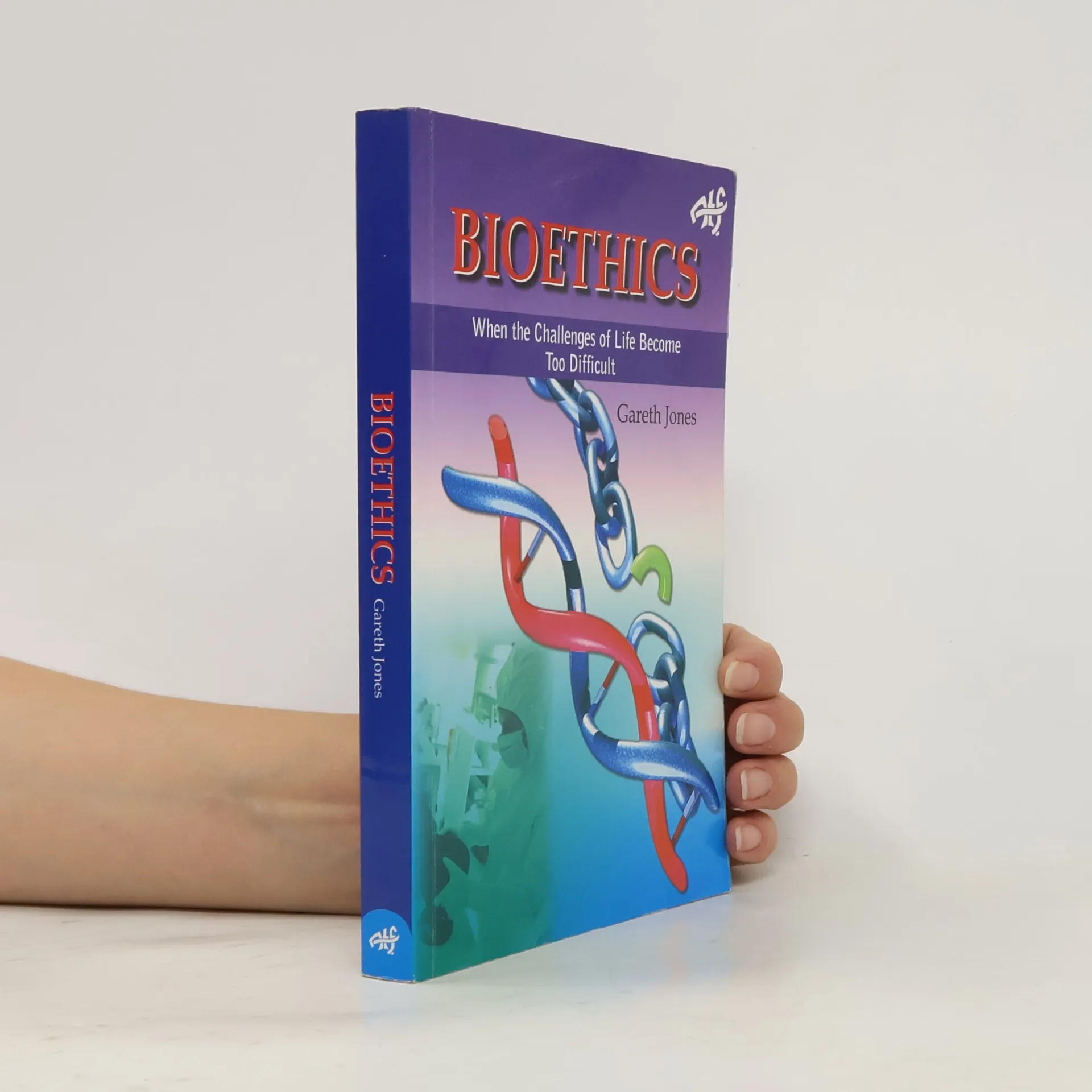
Gareth Jones serves as Deputy Vice-Chancellor (Academic and International) at the University of Otago, New Zealand, where he has been a Professor of Anatomy and Structural Biology since 1983. His previous roles include positions at the University of Western Australia and University College London. He is a Visiting Fellow at St Edmunds College, Cambridge, and an Adjunct Professor at Liverpool Hope University. In 2004, he was honored as a Companion of the New Zealand Order of Merit (CNZM) for his contributions to science and education. He holds DSc and MD degrees for his work in neuroscience and bioethics. Additionally, he is Deputy Chair of the New Zealand Government's Advisory Committee on Assisted Reproductive Technology.
Jones's research interests cover various bioethics topics from a biomedical scientist's perspective, focusing on embryology and neuroscience. His writings on bioethics are deeply informed by his scientific background, particularly regarding the dead human body and the use of human tissue. Key issues he explores include the moral status of the blastocyst, pre-implantation genetic diagnosis (PGD), and the ethical implications of research involving human embryos and embryonic stem cells. He also examines concepts such as brain birth and brain death, biomedical enhancement, and the relationship between genetic and environmental factors in ethical considerations.