
Tabish Khair makes the provocative argument that literature is an agnostic mode of thinking about language, reality, and their relationship to each other that can be an antidote to fundamentalism. The book concludes with an impassioned 'call to literature' as a means of remedying the current crisis in the humanities.
Tabish Khair Reihenfolge der Bücher
Tabish Khair ist ein Autor, der die komplexen Beziehungen zwischen Kulturen und Identitäten erforscht. Seine Werke beschäftigen sich oft mit Themen wie Migration, Entfremdung und der Suche nach Heimat. Khairs Stil zeichnet sich durch seine poetische Sprache und scharfsinnigen psychologischen Charakterporträts aus. Sein Schreiben bietet tiefe Einblicke in die menschliche Erfahrung vor dem Hintergrund einer globalisierten Welt.
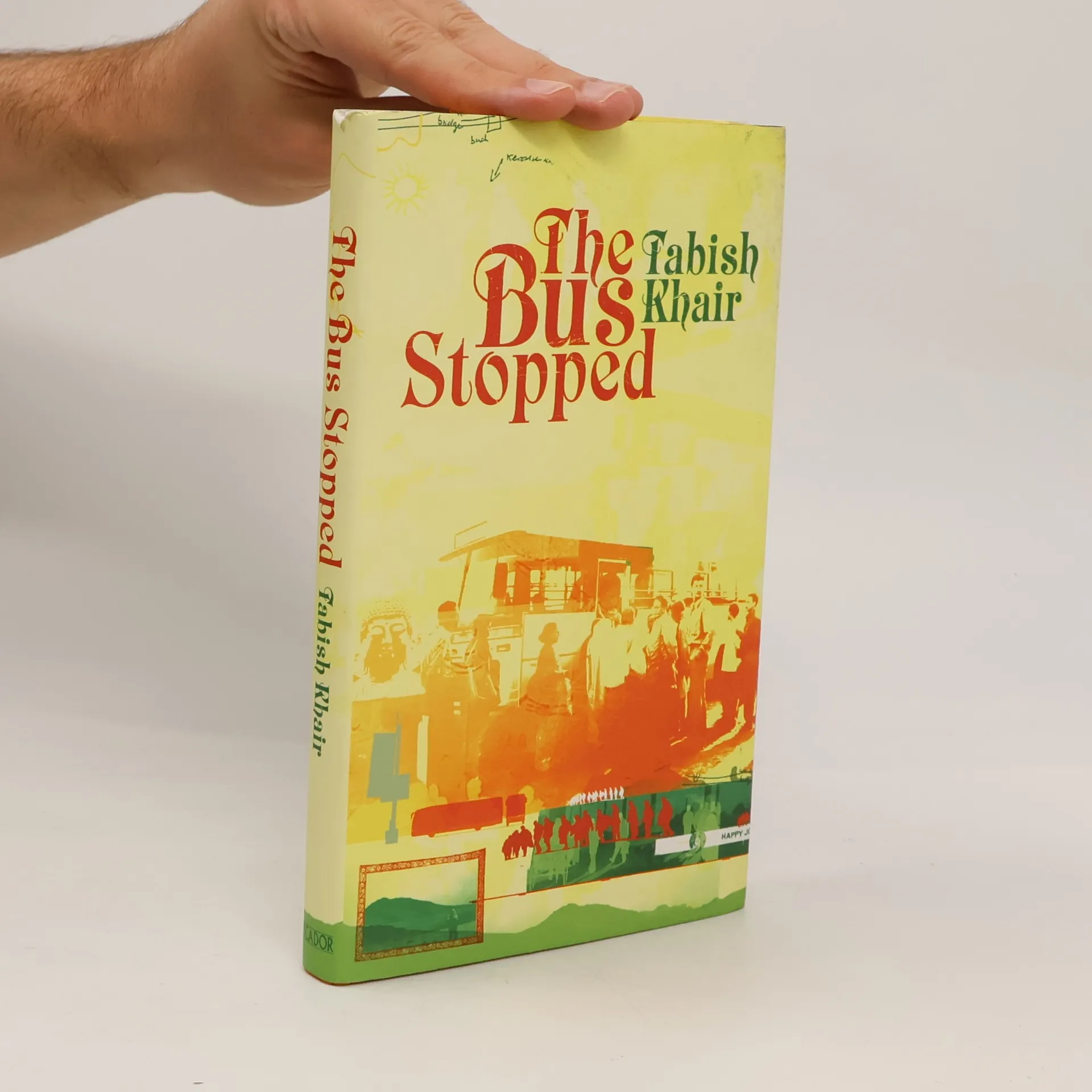


- 2024
- 2023
"The short story "Namaste Trump" starts in a deceptive domestic setting, where a servant from the hinterlands is patronized and exploited by an upwardly mobile urban family. But as the nation celebrates Trump's visit and copes with the pandemic, it ends up becoming a prophecy of endless haunting. This sets the agenda for a series of stories that delve into fracturing or broken lives in small-town India over the past fifty years. In the novella-length "Night of Happiness," pragmatic entrepreneur Anil Mehrotra has set up his thriving business empire with the help of his lieutenant, Ahmed, an older man who is different in more ways than one. Quiet and undemanding, Ahmed talks in aphorisms; bothers no one; and always gets the job done. But when one stormy night, Mehrotra discovers an aspect to Ahmed that defies all reason, he is forced to find out more about his trusted aide. What will he discover: madness or something worse? In a series of three linked stories, "The Corridor," "The Ubiquity of Riots" and "Elopement," Khair traces, through the eyes of an adolescent, the tensions of living as a liberal Muslim in India in the 1970s and 1980s, tensions that isolate families, break friendships, and point to the violence to come. The narrator of these stories, now a busy professional, returns in the third person in another story, "Olden Friends are Golden," about belonging and exclusion on WhatsApp. Then there is "Scam," a flippantly narrated story about a crime that can only be comprehended as a scam perpetuated by the victim, and in "Shadow of a Story" violence returns to a village family in an unimaginable shape. "The Thing with Feathers" is perhaps about hope, but it is hope beyond despair, hope perhaps gone mad: or, is all hope mad now? Finally, "The Last Installment" narrates two farmers, a father and a son, in a village of North India, caught in a corporate vice: the breathless sentences of the story making the reader sense the desperation of the central character as he finally fights to breathe, to live. By turns poetic, chilling, and heartbreaking, ranging from understated realism to gothic terror, this is a book of stories about precarious lives in a world without tolerance"-- Provided by publisher
- 2022
Harris Maloub, a killer with a hidden past, receives an unexpected assignment from someone presumed dead. In Aarhus, Denmark, Jens Erik, a police officer on pre-retirement leave, is haunted by the memory of a Black man’s body found in the sea years earlier. Meanwhile, on an abandoned oil rig in the North Sea, Michelle, a young Caribbean woman, discovers that the man she followed to the job is not who he claims to be. The rig, intended as a luxury resort, hides a secret laboratory revealing a terrifying entity that is neither human nor animal. This mystery connects to a 2007 seminar, where most participants are now dead or missing. Their obscure research on plants, fungi, and microbes holds vital secrets. What weapon are powerful syndicates seeking to obtain or create? Set against a post-pandemic backdrop in 2030 while weaving through the 21st century and glimpses of the 19th and 20th centuries, the narrative explores the complexities of life and the earth. It delves into themes of reason and emotion, love and despair, greed and hope, and the relationship between humans and microbes. As the storylines converge, a world of profound terror and beauty unfolds.
- 2014
CAN THE GLASS EVER REALLY BE MORE THAN HALF-FULL? A young Pakistani academic relives his days sharing a cramped apartment in Aarhus, Denmark, with two unlikely bedfellows. They are Ravi, his incorrigible best friend and a wry observer of the human condition; and Karim, their fundamentalist Muslim landlord, whose apparent double life soon intrigues his tenants. While Ravi finds his jaded world outlook challenged when he falls for an unlikely Danish girl, and our narrator embarks upon a complicated love affair of his own, Karim's bizarre and secretive behaviour leads to creeping suspicions that something might, indeed, be rotten in the state of Denmark . . . By turns hilarious and heartbreaking, How to Fight Islamist Terror from the Missionary Position is a sparkling account of strangers in strange lands, told with wit and humanity.