Emily G. Thompson nutzt ihre Erfahrung als investigative Reporterin, um die Feinheiten von True Crime zu erforschen. Durch ihre Schriften und ihren beliebten Podcast taucht sie in die dunkleren Aspekte der menschlichen Natur ein. Ihre Arbeit beleuchtet die Psychologie hinter kriminellem Verhalten und die tiefgreifenden Auswirkungen von Verbrechen auf Opfer.
Discover the shocking truth about some of the most disturbing cults that have ever existed--cults led by psychopaths such as Charles Manson, David Koresh, and Jim Jones that have exploded into acts of appalling savagery and evil. Explores these and many more bizarre and frightening cases to reveal terrifying stories of manipulation, coercion, abuse, and murder.
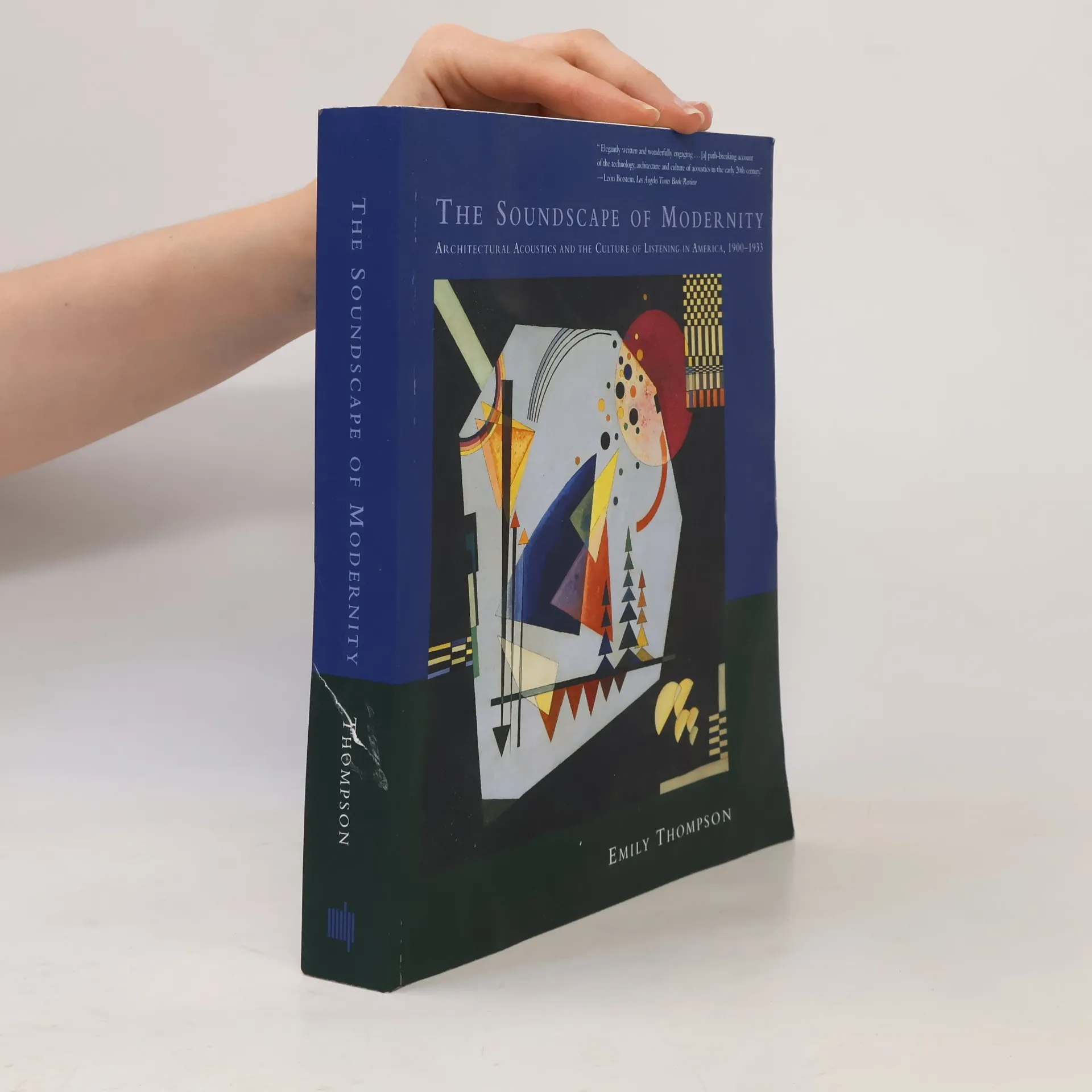
Architectural Acoustics and the Culture of Listening in America, 1900-1933
510 Seiten
18 Lesestunden
A vibrant history of acoustical technology and aural culture in early-twentieth-century America.In this history of aural culture in early-twentieth-century America, Emily Thompson charts dramatic transformations in what people heard and how they listened. What they heard was a new kind of sound that was the product of modern technology. They listened as newly critical consumers of aural commodities. By examining the technologies that produced this sound, as well as the culture that enthusiastically consumed it, Thompson recovers a lost dimension of the Machine Age and deepens our understanding of the experience of change that characterized the era.Reverberation equations, sound meters, microphones, and acoustical tiles were deployed in places as varied as Boston's Symphony Hall, New York's office skyscrapers, and the soundstages of Hollywood. The control provided by these technologies, however, was applied in ways that denied the particularity of place, and the diverse spaces of modern America began to sound alike as a universal new sound predominated. Although this sound--clear, direct, efficient, and nonreverberant--had little to say about the physical spaces in which it was produced, it speaks volumes about the culture that created it. By listening to it, Thompson constructs a compelling new account of the experience of modernity in America.