"In The Drudge Revolution, investigative journalist and author of Newtown: An American Tragedy Matthew Lysiak pulls back the curtain on the world's most powerful journalist, for the first time telling the inside story of how one man's visionary belief in the potential of the internet, coupled with the post-Fairness Doctrine growth of conservative talk radio and the rise of cable news and social media, created the perfect storm that seized the narrative from the mainstream media and ushered in the presidency of Donald Trump"-- Provided by publisher
A determined crime reporter, Hilde Lysiak, is known for her relentless pursuit of the truth. With a knack for uncovering stories that others overlook, she dives into the world of journalism, showcasing her investigative skills and fearless attitude. The narrative highlights her adventures as she navigates challenges, revealing her passion for reporting and the importance of community in understanding crime. Through Hilde's experiences, readers are drawn into the excitement of breaking news and the responsibility that comes with it.
In a thrilling investigation, crime reporter Hilde Lysiak and her sister Izzy delve into a UFO sighting in Selinsgrove, where the community is buzzing with alien invasion theories. Doubting the claims, they interview witnesses and uncover what appears to be spaceship wreckage. As they piece together the mystery, Hilde's journalistic skills are put to the test in a case that promises to be unlike any she has tackled before.
Mięsowstręt, czyli dlaczego mamy jeść płatki kukurydziane?
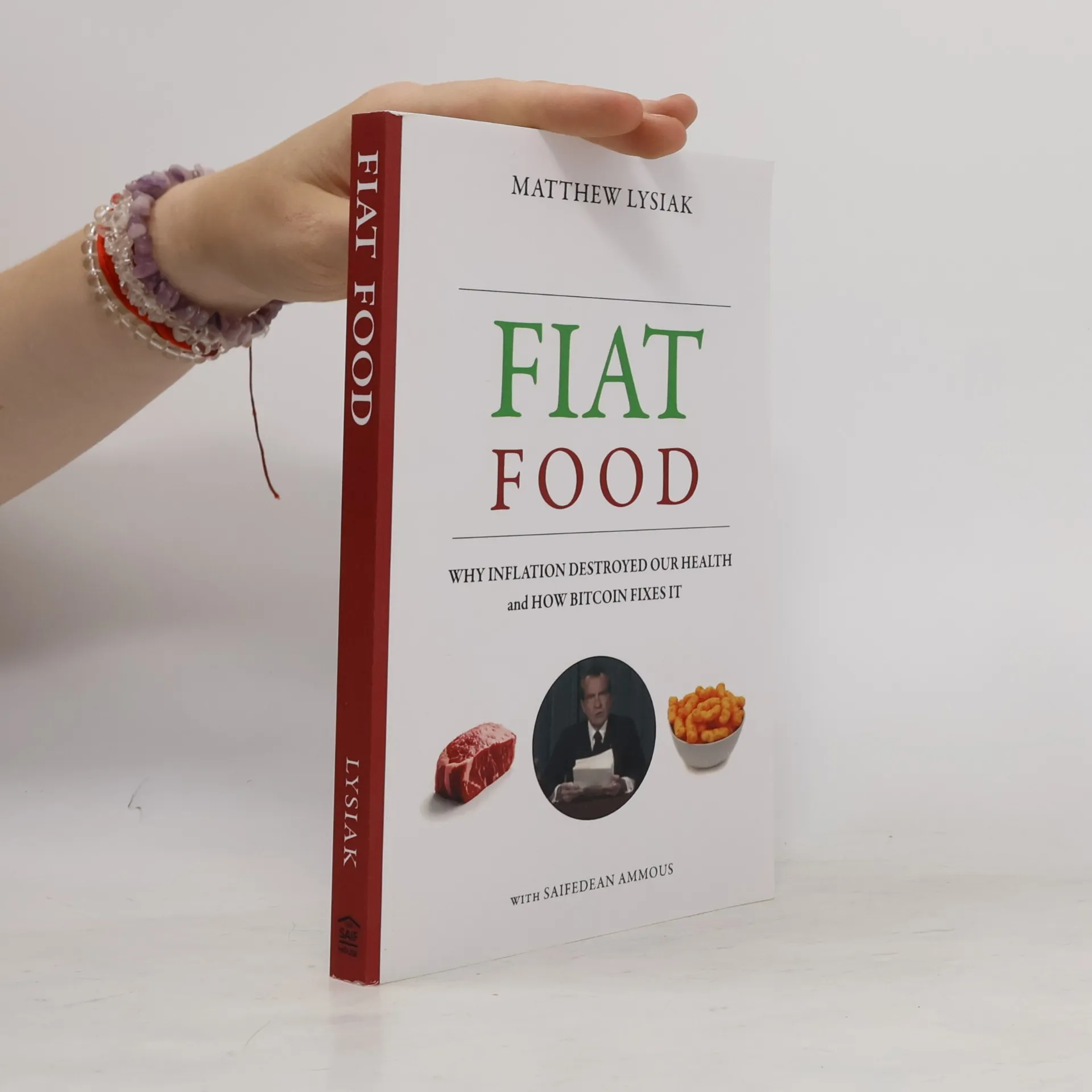
Rodzina Johnsonów, dotąd wydająca na jedzenie sto wymienialnych na złoto, musiała zmierzyć się z inflacją. Przed nią mogli kupować 50 kg rostbefu miesięcznie, ale z czasem ta ilość spadła do 30 kg. Panie Johnson zaczęły zamieniać brakującą wołowinę na kurczaka, podczas gdy mężczyźni upierali się przy stekach. W miarę wzrostu cen mięsa, mężczyźni również musieli zaakceptować kurczaka, który zresztą także drożał. Zarobki rodziny rosły, ale wolniej niż inflacja, co skutkowało coraz większymi trudnościami w zakupie ulubionych mięs. Po uwolnieniu dolara od złota w 1971 roku inflacja przyspieszyła, co doprowadziło do ograniczenia konsumpcji nie tylko wołowiny, ale także drobiu. Ostatecznie rodzina przeszła na dietę opartą na węglowodanach, co negatywnie wpłynęło na ich zdrowie. Wydatki na leki wzrosły do 12% dochodów. Społeczeństwo zaczęło protestować, a rząd, zaniepokojony, podjął działania przeciwko inflacji. Ceny żywności zaczęły się stabilizować, ale koszyk żywnościowy zmieniał się, a udział mięsa malał. W mediach zaczęto promować diety wegetariańskie i wegańskie, a białko roślinne zastąpiło zwierzęce. W ten sposób ludzie zaczęli jeść to, co rząd chciał, zamiast tego, co naprawdę chcieli.