Shadow Empires
- 384 Seiten
- 14 Lesestunden



A Cultural and Political History
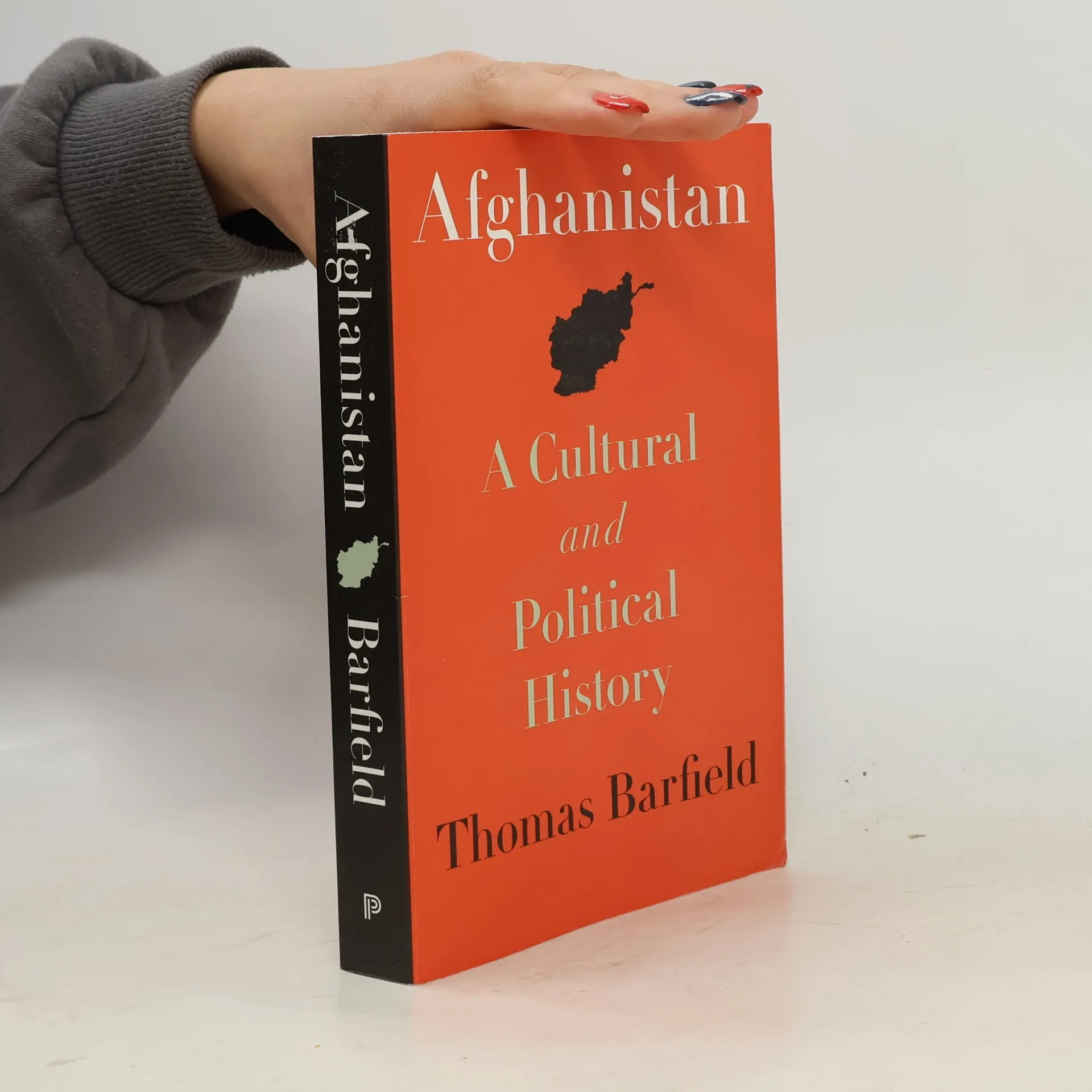
This major history explores Afghanistan's tumultuous political landscape from the sixteenth century Mughal Empire to the current Taliban resurgence. The author delves into the country's complex tapestry of tribal and ethnic groups, highlighting their shared identity as Afghans despite significant regional and cultural differences. The text illustrates how governance was manageable under a concentrated dynastic elite, but this stability eroded in the nineteenth and twentieth centuries as rulers mobilized rural militias against British and Soviet forces. While armed insurgency effectively expelled foreign occupiers, it simultaneously weakened the Afghan government's authority, complicating governance over time. The narrative vividly recounts the descent into civil war, leading to Taliban rule and Afghanistan's global isolation. It also analyzes the swift American invasion post-September 11, which toppled the Taliban and misled the U.S. into believing that establishing a stable state would be straightforward. This examination is crucial for understanding how Afghanistan, long dominated by foreign powers, became a graveyard for empires and offers insights into what the United States must consider to avoid a similar outcome.
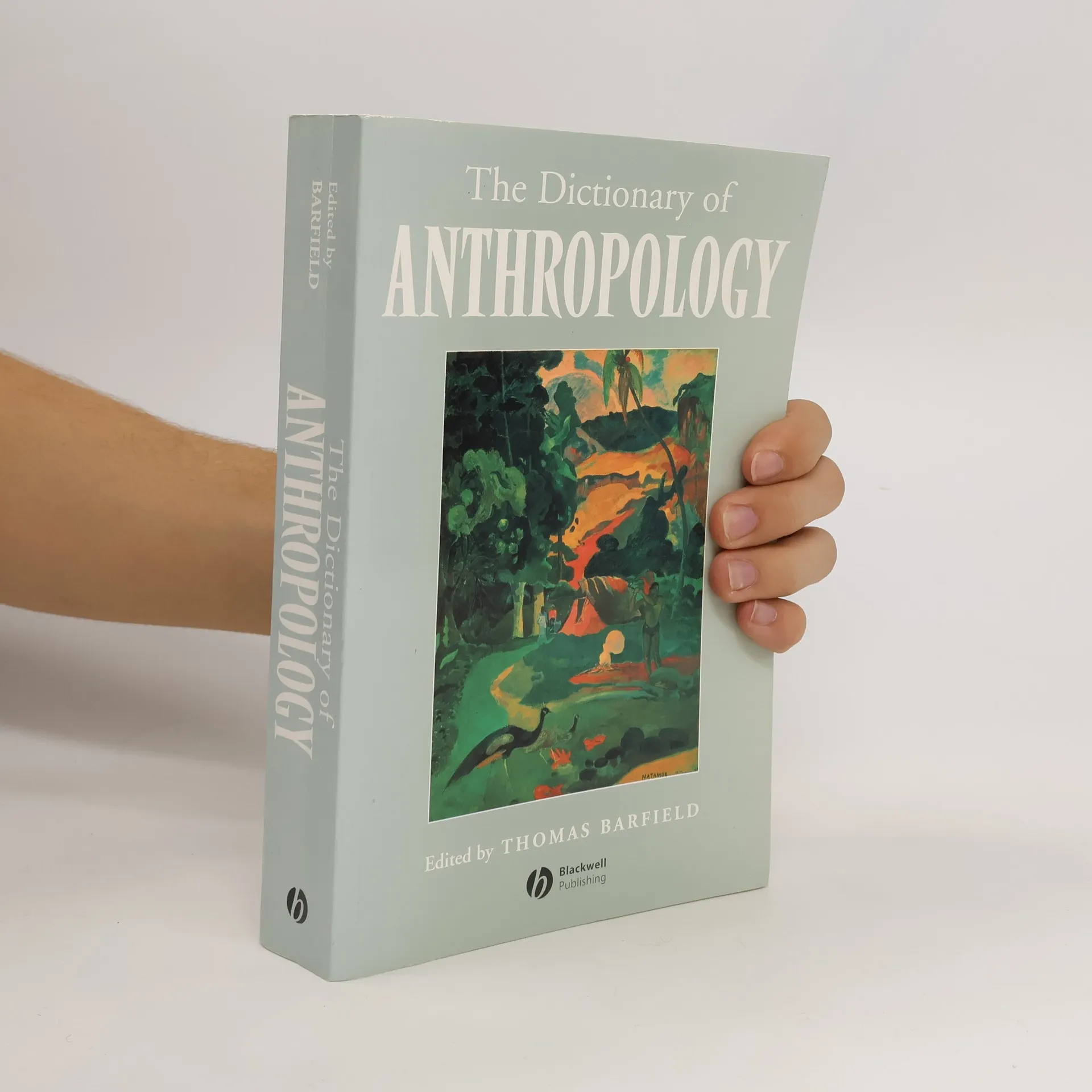
Designed to become the standard reference guide to the discipline of social and cultural anthropology, this dictionary consists of substantial analytical articles focusing on key anthropological concepts, theories and methodologies. It draws on contributions from some 120 distinguished American and British anthropologists.
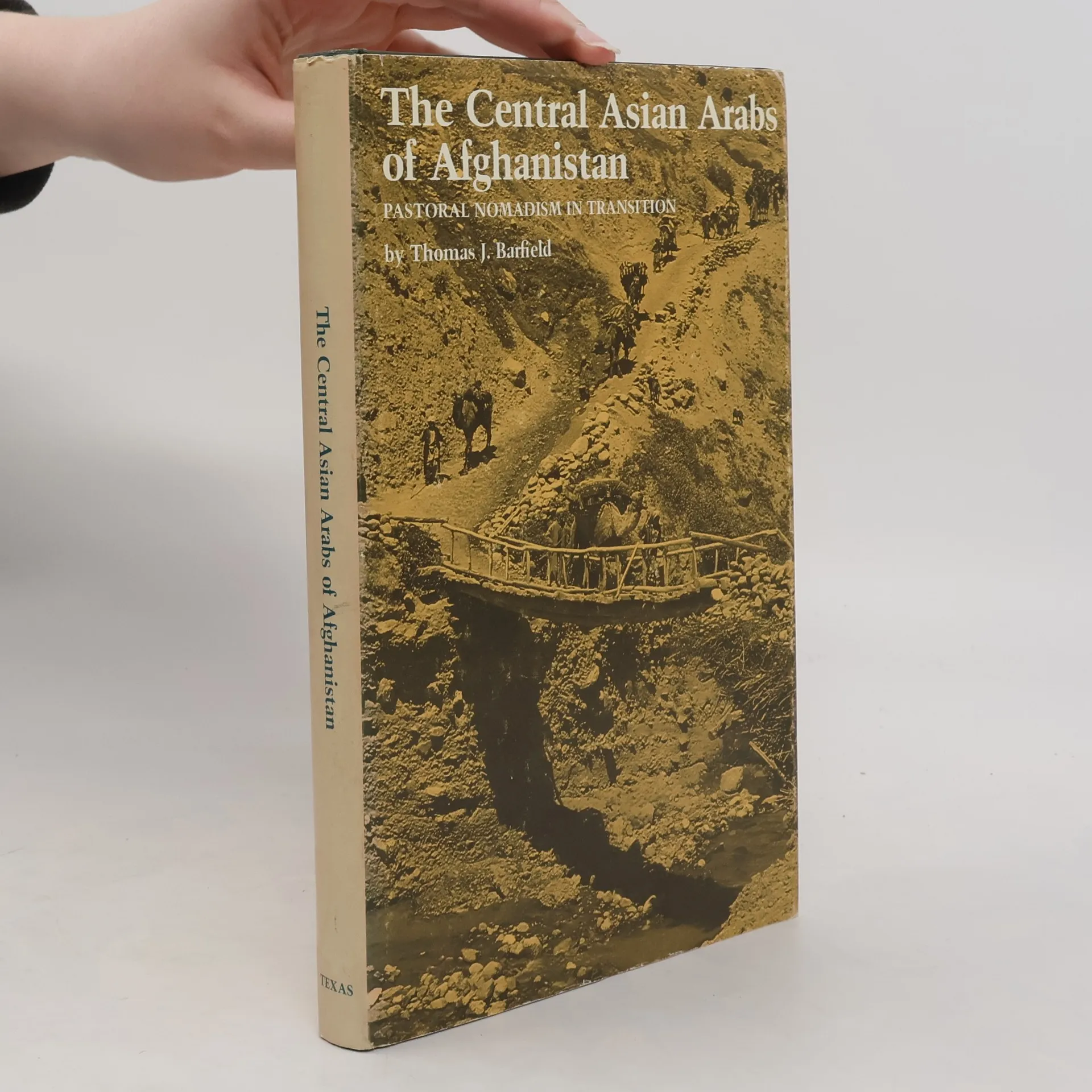
The Soviet invasion of Afghanistan in 1979 focused international attention on this country for the first time in nearly a century. The need for reliable information has only become been greater. Because of their traditional xenophobia toward the West, successive Afghan governments have restricted the number of scholars permitted to undertake extensive fieldwork. For this reason Thomas Barfield's study of the Central Asian Arabs of Afghanistan is a welcome addition to the literature, a literature which is not likely to grow in the coming years as war, domestic unrest and restrictive travel policies continue to make the research environment in Afghanistan unfavorable. The Central Asian Arabs are a little-known people of northeastern Afghanistan. This book is an account of the changes that have taken place in their way of life over the twentieth century as they switched from a form of subsistence pastoralism to a cash economy. Barfield's research constitutes a substantial revision of the standard hypothesis on the economic and social status of nomadic pastoralists, as originally posited by Fredrik Barth. One of Barfield's main purposes is to provide a case study that illustrates the wide-ranging complexity of pastoral nomadism, its integration into a regional economy, and how structural changes have occurred within the pastoral economy itself.