We, Me, Them & It
- 256 Seiten
- 9 Lesestunden
John Simmons, in this stimulating and readable book, demonstrates how we can write and use words more creatively and persuasively in business today.
John M. Simmons ist ein preisgekrönter Autor, dessen Werke auf tiefgreifenden persönlichen Erfahrungen mit der Adoption von Kindern aus Russland basieren. Sein Schreiben befasst sich mit den Herausforderungen und Freuden der Elternschaft, insbesondere im Hinblick auf Kinder mit besonderen Bedürfnissen, und bietet den Lesern einen aufschlussreichen Einblick in die Stärke familiärer Bindungen. Nach einer erfolgreichen Karriere in der High-Tech-Industrie widmet sich Simmons nun dem Schreiben und der Vormundschaft für Waisenkinder und nutzt seine Stimme, um wichtige soziale Anliegen zu fördern.


John Simmons, in this stimulating and readable book, demonstrates how we can write and use words more creatively and persuasively in business today.
Building a Brand from Nothing But Fruit (Great Brand Stories)
No Marketing Blurb
Although the balance sheet may not even put a value on it, a company's brand or its portfolio of brands is in many cases its most valuable asset, accounting for as much as 70% of a firm's market value in some cases. This book argues that because of this and because of the power of not-for-profit brands like Oxfam, all organisations should make the brand their central organising principle, guiding every action and decision.Divided into three parts and written by eighteen experts on the subject, this fully revised and updated guide to brands and branding examines the case for brands, outlines best practice and the future for brands. It includes chapters on brand valuation, what makes a brand great, brand strategy, brand experience, visual and verbal identity, brand communications, brand protection and new chapters on branding in India and brands in a digital world.
The book explores the journey of personal transformation necessary to become a leader and guide for others. It emphasizes the importance of self-discovery and navigating one’s own path before helping others find theirs. Through practical insights and reflective exercises, readers are encouraged to embrace their unique experiences and challenges, ultimately fostering their ability to inspire and lead within their communities.
The narrative delves into the author's introspective journey, exploring personal reflections and memories. It captures the essence of inner thoughts, revealing a deep connection to past experiences and emotions. Through this exploration, the book invites readers to contemplate their own lives and the significance of their memories, fostering a sense of shared humanity and understanding.
This comprehensive history of museums begins with the origins of collecting in prehistory and traces the evolution of museums from grave goods to treasure troves, from the Alexandrian Temple of the Muses to the Renaissance cabinets of curiosities, and onto the diverse array of modern institutions worldwide.
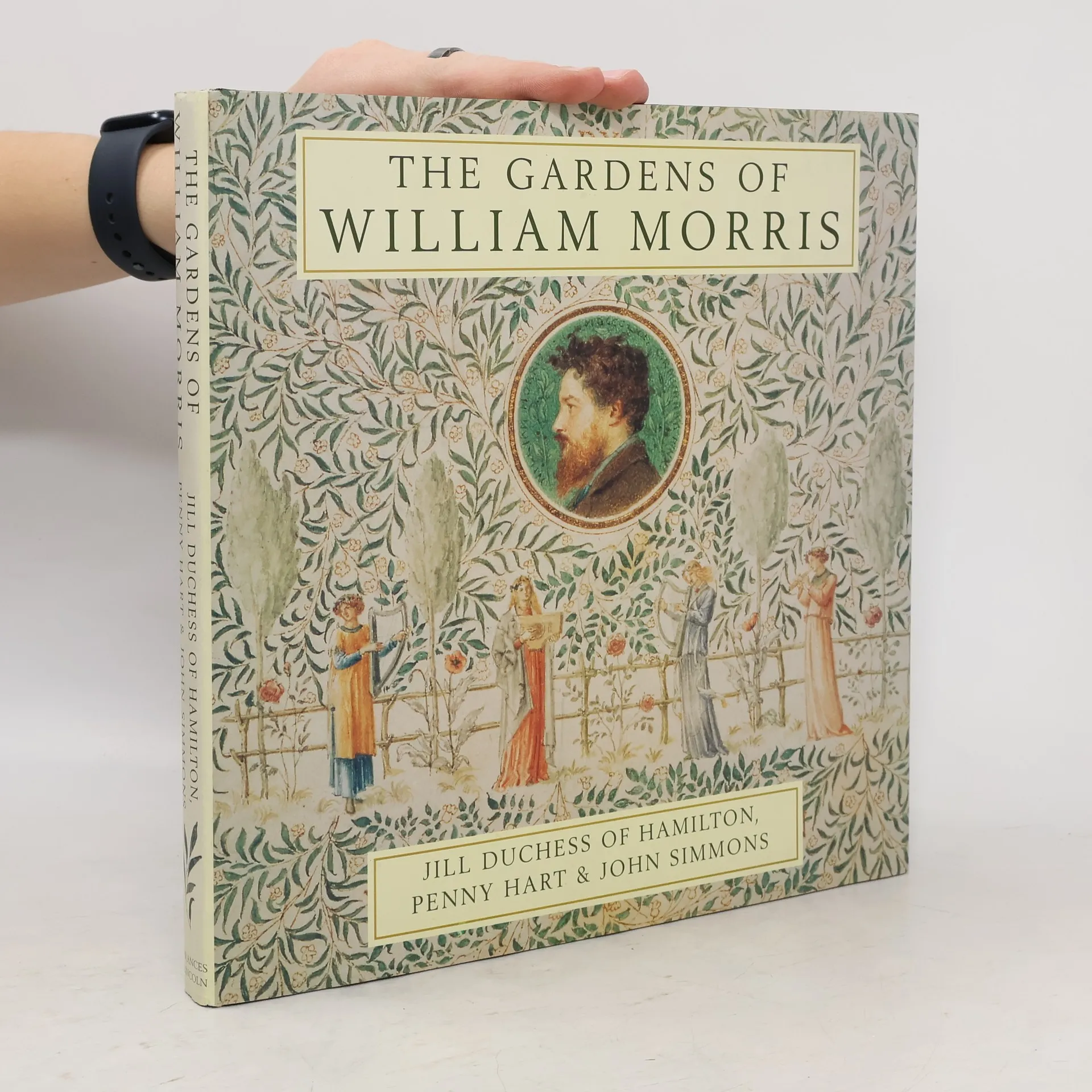
The founder of the Arts & Crafts movement, William Morris drew enormous inspiration from nature in the creation of his intricate patterns. Yet until the publication of this book, few people have realized the enormous impact he had on the evolution of the English garden. In fact, it was Morris who so inspired Gertrude Jekyll that she tamed her attention to the garden.Exploring the gardens Morris designed at his three homes and his factory, this lively mix of biography, anecdote and horticultural information details Morris's influence on garden design from the nineteenth century to today. The text draws greatly on Morris's lectures, poetry, and prose to illuminate his thoughts on gardening. The book also describes the native plants Morris included in his designs. Over forty plants -- all of which are readily available in the United States and Canada -- are pictured, and their growing habits defined in full.The interplay of nature and art is a highlight of the book which features over fifty examples of Morris's works, as well as paintings by Burne-Jones, Millais, and Rossetti shown side-by-side with the plants that inspired them.