
Gratis Versand ab 16,99 €. Mehr Infos.
Bookbot

Duane W. Roller

    N/A

    New Directions in the Study of Ancient Geography
    Library of Classical Studies - 9: Ancient Geography
    A Historical and Topographical Guide to the Geography of Strabo
    Three Ancient Geographical Treatises in Translation
    The Empire of the Black Sea
    • The Empire of the Black Sea

      • 292 Seiten
      • 11 Lesestunden

      What is commonly called the kingdom of Pontos flourished for over two hundred years in the coastal regions of the Black Sea. At its peak in the early first century BC, it included much of the southern, eastern, and northern littoral, becoming one of the most important Hellenistic dynasties not founded by a successor of Alexander the Great. It also posed one of the greatest challenges to Roman imperial expansion in the east. Not until 63 BC, after many violent clashes, was Rome able to subjugate the kingdom and its last charismatic ruler Mithridates VI. This book provides the first general history, in English, of this important kingdom from its mythic origins in Greek literature (e.g., Jason and the Golden Fleece) to its entanglements with the late Roman Republic. Duane Roller presents its rulers and their complex relationships with the powers of the eastern Mediterranean and Near East, most notably Rome. In addition, he includes detailed discussions of Pontos' cultural achievements--a rich blend of Greek and Persian influences -- as well as its political and military successes, especially under Mithridates VI, who proved to be as formidable a foe to Rome as Hannibal. Previous histories of Pontos have focused almost exclusively on the career of its last ruler. Setting that famous reign in its wide historical context, Empire of the Black Sea is an engaging and definitive account of a powerful yet little-known ancient dynasty.

      The Empire of the Black Sea
      3,6
    • Three Ancient Geographical Treatises in Translation

      Hanno, the King Nikomedes Periodos, and Avienus

      • 202 Seiten
      • 8 Lesestunden

      Focusing on ancient geography, this volume presents translations and commentaries on three significant figures: Hanno of Carthage, known for his exploration around 500 BC; the Periodos, dedicated to King Nikomedes from the late second century BC; and Avienus from the fourth century AD. Each work offers insights into the geographical knowledge and exploration of the Greco-Roman world, highlighting the evolution of cartography and the cultural context of these historical figures.

      Three Ancient Geographical Treatises in Translation
    • This commentary provides an in-depth analysis of Strabo's Geography, a crucial text in understanding the history of Greek geography. It offers insights into Strabo's observations and interpretations of various regions, cultures, and historical events. By presenting the first English translation, the book makes Strabo's work accessible to a broader audience, enhancing the study of ancient geography and its relevance to contemporary scholarship.

      A Historical and Topographical Guide to the Geography of Strabo
    • Library of Classical Studies - 9: Ancient Geography

      The Discovery of the World in Classical Greece and Rome

      • 304 Seiten
      • 11 Lesestunden

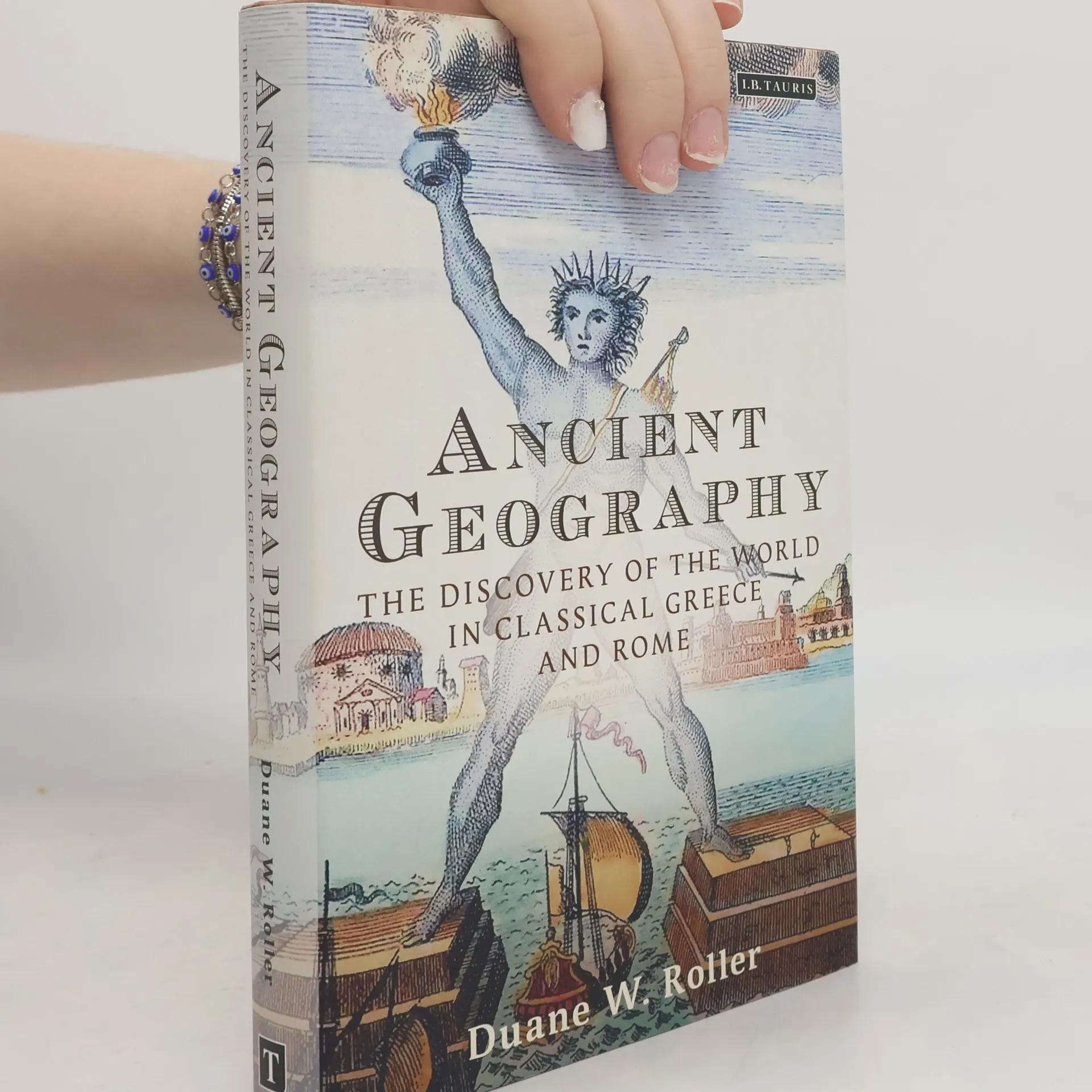
      The last dedicated book on ancient geography was published more than sixty years ago. Since then new texts have appeared (such as the Artemidoros palimpsest), and new editions of existing texts (by geographical authorities who include Agatharchides, Eratosthenes, Pseudo-Skylax and Strabo) have been produced. There has been much archaeological research, especially at the perimeters of the Greek world, and a more accurate understanding of ancient geography and geographers has emerged. The topic is therefore overdue a fresh and sustained treatment. In offering precisely that, Duane Roller explores important topics like knowledge of the world in the Bronze Age and Archaic periods; Greek expansion into the Black Sea and the West; the Pythagorean concept of the earth as a globe; the invention of geography as a discipline by Eratosthenes; Polybios the explorer; Strabo's famous Geographica; the travels of Alexander the Great; Roman geography; Ptolemy and late antiquity; and the cultural reawakening of antique geographical knowledge in the Renaissance, including Columbus' use of ancient sources

      Library of Classical Studies - 9: Ancient Geography
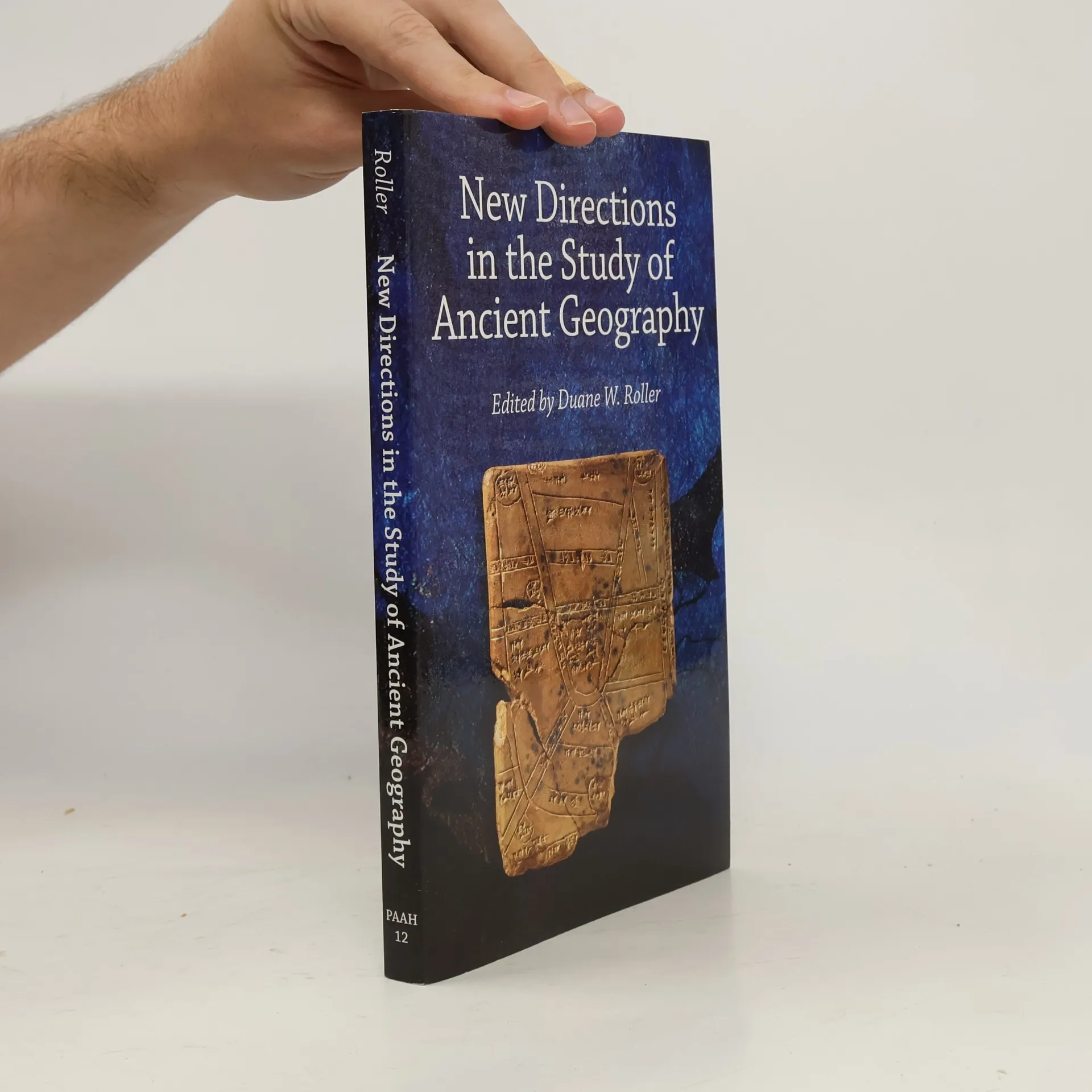
    • This volume brings together five essays that represent the latest directions in the study of geography in classical antiquity. Arranged chronologically, these contributions cover several hundred years of ancient geographical scholarship, ranging from ancient Mesopotamia and the prehistoric New World to the Roman Empire, and deal with topics such as ancient cosmology, literary interpretations of geography, ancient navigation, and geography in the Roman Imperial world. Beginning in the ancient Near East, Paul T. Keyser's essay considers how Greek scholars--whose views on the cosmos are still relevant today--were influenced by early Near Eastern beliefs about the universe. Moving to the Hellenistic period, Duane W. Roller presents a text of and commentary on a navigational guide for Ptolemaic seamen written by Ptolemy II's chief of naval staff, Timosthenes of Rhodes. Georgia L. Irby provides an analysis of a literary map--the Shield of Aeneas from Vergil's <i>Aeneid</i>--as well as a detailed study of Pomponius Mela and his <i>Chorographia</i>, the earliest surviving Greco-Roman geographical treatise and the only extant independent geographical work in Latin. An essay by Molly Ayn Jones-Lewis completes the volume by describing how Tacitus's <i>Germania</i>, of the early second century AD, is a work heavily reliant on environmental determinism, an issue that is still relevant today. Together, these essays demonstrate the great diversity of ancient geographical scholarship, both in antiquity and in modern times. This volume will be greeted with enthusiasm by ancient historians and classical studies scholars, particularly those interested in the cultural and political facets of geography.

      New Directions in the Study of Ancient Geography