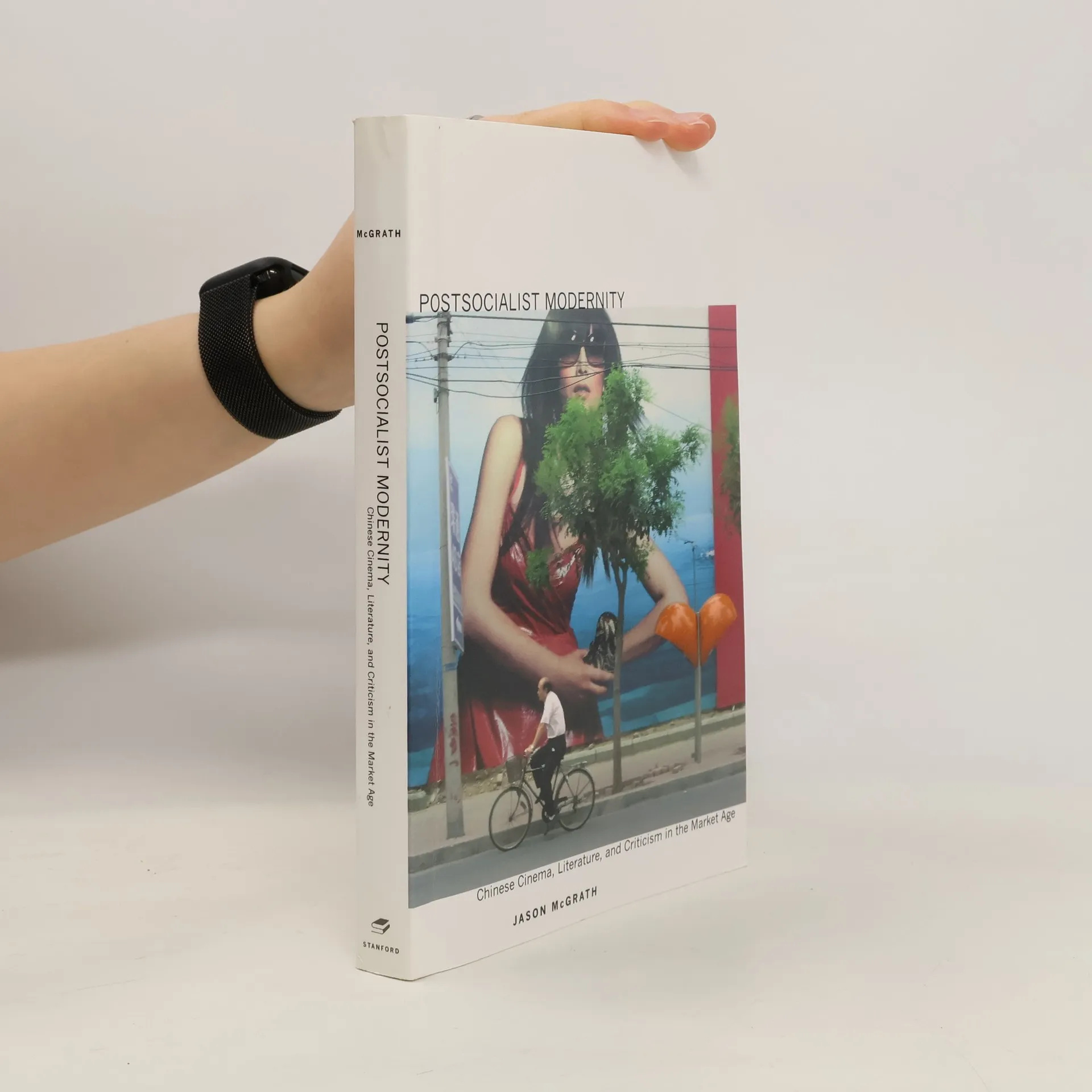
Chinese Cinema, Literature, and Criticism in the Market Age
314 Seiten
11 Lesestunden
This book examines Chinese culture under the condition of postsocialist modernity, in which market reforms have fundamentally altered the fields of film, literature, and cultural debate.
Chinese Cinema and Society at the Turn of the Twenty-First Century
447 Seiten
16 Lesestunden
Since the early 1990s, as mainland China’s state-owned movie studios faced financial and ideological challenges, a vibrant alternative cinema known as the “Urban Generation” has emerged. This movement is driven by young filmmakers influenced by the aftermath of the Tiananmen Square events in 1989. These directors share a creative engagement with the significant economic and social changes in China, serving as interpreters of the confusion and anxiety stemming from rapid urbanization. This collection features original research on this emerging cinema and its ties to Chinese society. Contributors analyze the historical and social contexts that birthed the Urban Generation, its aesthetic innovations, and its complex relationship with both the mainstream film industry and the international market. The essays emphasize the Urban Generation’s sense of social urgency, documentary style, and portrayals of gender and sexuality, focusing on characters like aimless bohemians, petty thieves, and migrant workers, often depicted by non-professional actors. Some essays examine specific films, such as Shower and Suzhou River, or filmmakers like Jia Zhangke and Zhang Yuan, while others address broader themes. Together, the thirteen essays provide a multifaceted account of this significant cinematic and cultural phenomenon.
The Chinese Cinema Book provides an essential guide to the cinemas of the People’s Republic of China, Hong Kong, Taiwan and the Chinese diaspora, from early cinema to the present day. With contributions from leading international scholars, the book is structured around five thematic sections: Territories, Trajectories, Historiographies; Early Cinema to 1949; The Forgotten Period: 1949–80; The New Waves; and Stars, Auteurs and Genres. This important collection addresses issues of film production and exhibition and places Chinese cinema in its national and transnational contexts. Individual chapters examine major film movements such as the Shanghai cinema of the 1930s, Fifth Generation film-makers and the Hong Kong New Wave, as well as key issues such as stars and auteurs. The book will be an invaluable resource for students and scholars, as well as for anyone wanting to deepen their understanding of the cinemas of Greater China.