

Santayana George Bücher
George Santayana war ein Philosoph, Dichter und Literaturkritiker, dessen Werk wichtige intellektuelle Wendungen auf beiden Seiten des Atlantiks vorwegnahm. Sein Naturalismus und seine Betonung der schöpferischen Vorstellungskraft beeinflussten maßgeblich das moderne Denken. Santayana erforschte multiple Vollkommenheiten, bevor Multikulturalismus zu einem Thema wurde, und verstand Philosophie als Literatur, bevor dies zu einem Thema in wissenschaftlichen Kreisen wurde. Es gelang ihm, den Platonismus zu naturalisieren, Aristoteles zu aktualisieren und eine einfühlsame Darstellung des spirituellen Lebens ohne religiösen Glauben zu bieten. Seine hispanische Herkunft und sein Gefühl, ein Außenseiter in Amerika zu sein, ermöglichten es ihm, Qualitäten des amerikanischen Lebens einzufangen, die von Insidern übersehen wurden.


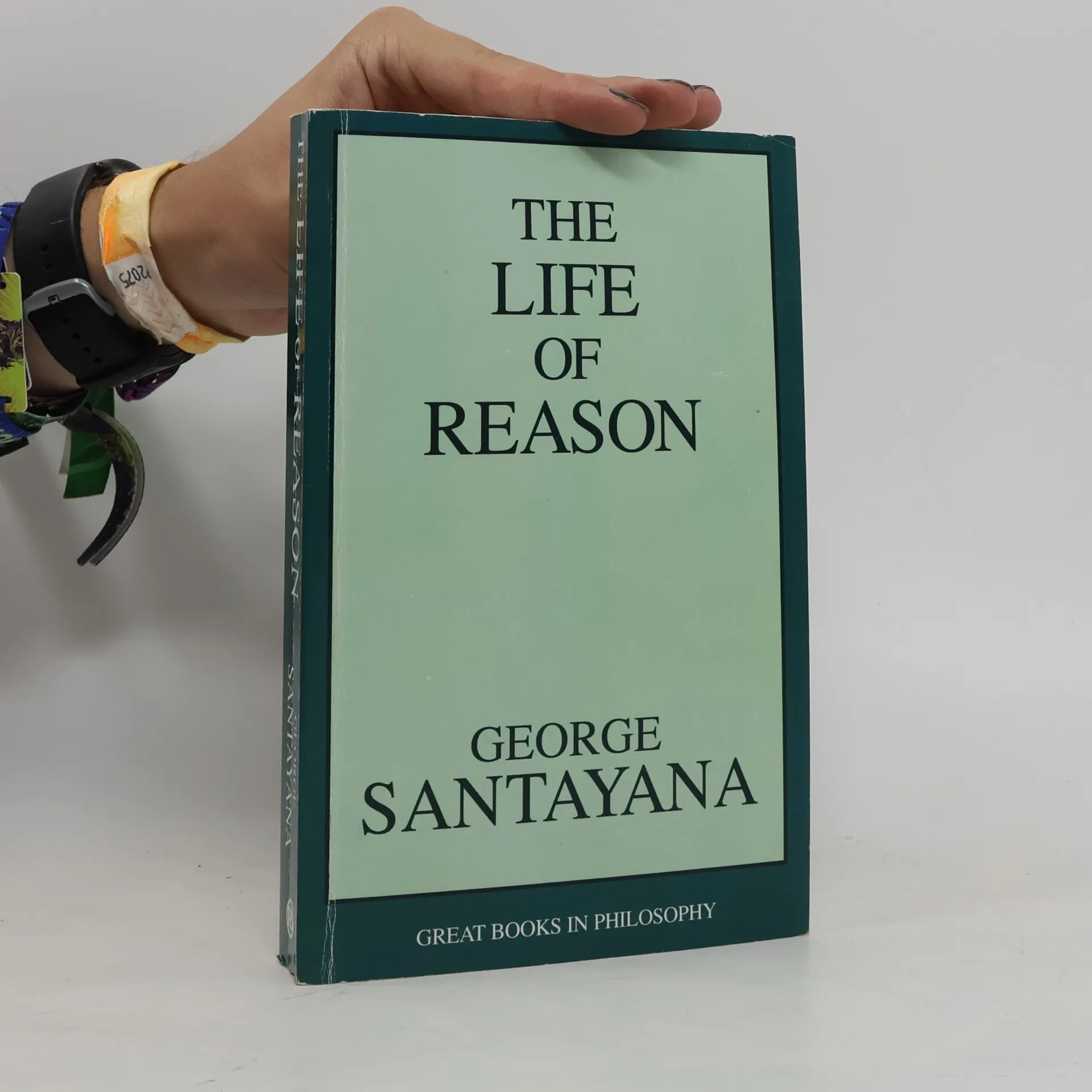
Influential philosopher, poet, and literary critic George Santayana (1863-1952) was a thorough naturalist, concerned with the ideal factors in human experience. He held that everything possesses a natural basis and that everything natural has an ideal development. In this one-volume edition of his early work, The Life of Reason (originally published 1905-6), Santayana argues that rational life is embodied in various ideal forms, including religion, and that religion may be embodied in reason. However, this is not to say that religion is grounded in science; rather, religion is poetic, a rendering of natural events in a dramatic form. Hence, to take so-called religious truths as literal claims is preposterous
The great philosopher, essayist, poet, and novelist masterfully offers his fascinating outline of Aesthetics Theory. Drawing on the art, literature, and social sciences involved, Santayana discusses the nature of beauty, form, and expression.
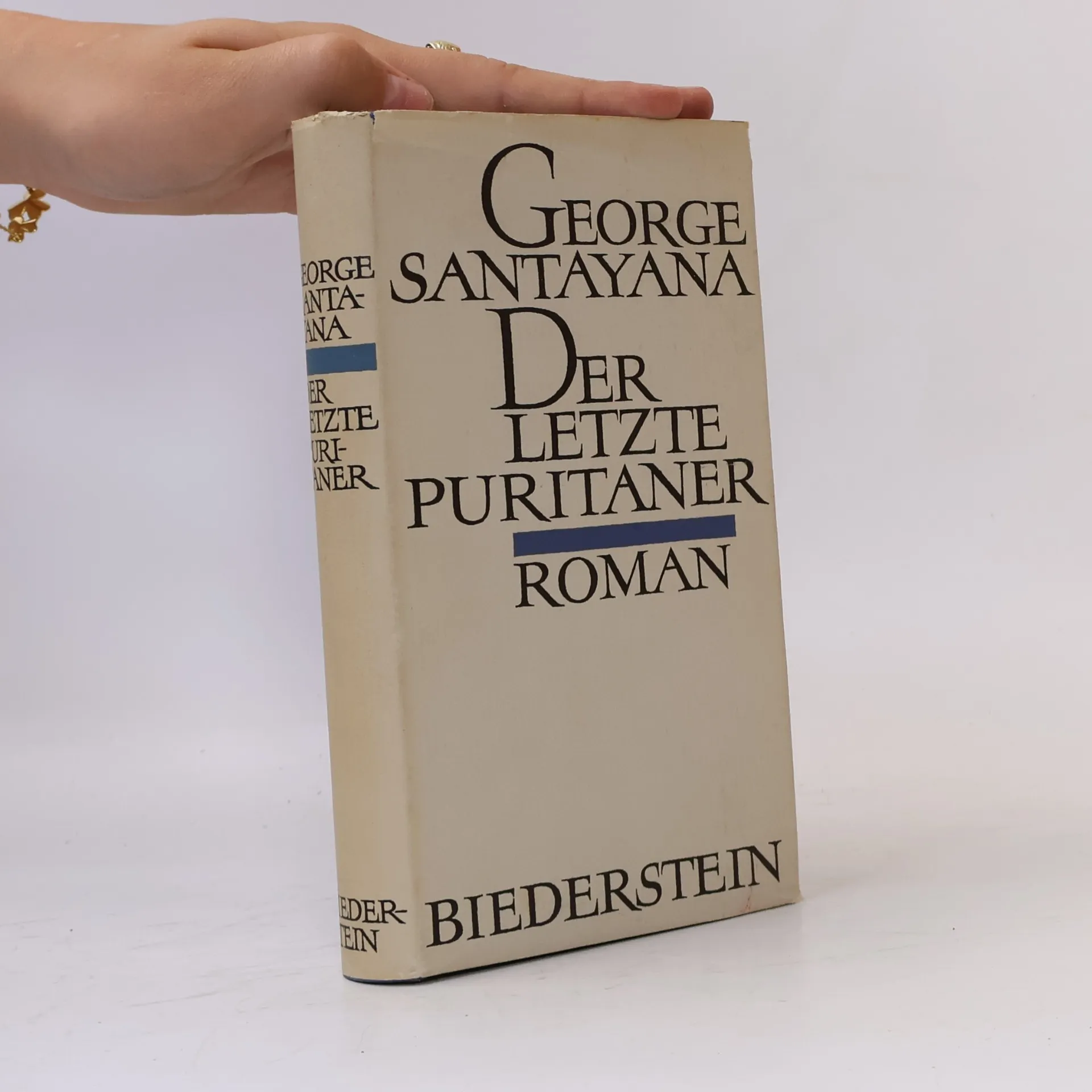
Published in 1935, George Santayana's The Last Puritan was the American philosopher's only novel and it became an instant best- seller, immediately linked in its painful voyage of self-discovery to The Education of Henry Adams. It is essentially a novel of ideas expressed in the birth, life, and early death of Oliver Alden. In Oliver's case the puritanical self-destruction that prevented him from realizing his own spirituality is transcended by his attainment of the type of self-knowledge that Santayana recommends throughout his moral philosophy.The Last Puritan is volume four in a new critical edition of George Santayana's wroks that restores Santayana's original text and provides important new scholarly information. Books in this series - the first complete publication of Santayana's works - include an editorial apparatus with notes to the text (identifying persons, places, and ideas), textual commentary (including a description of the composition and publication history, along with a discussion of editorial methods and decisions), lists of variants and emendations, and line-end hyphenations.