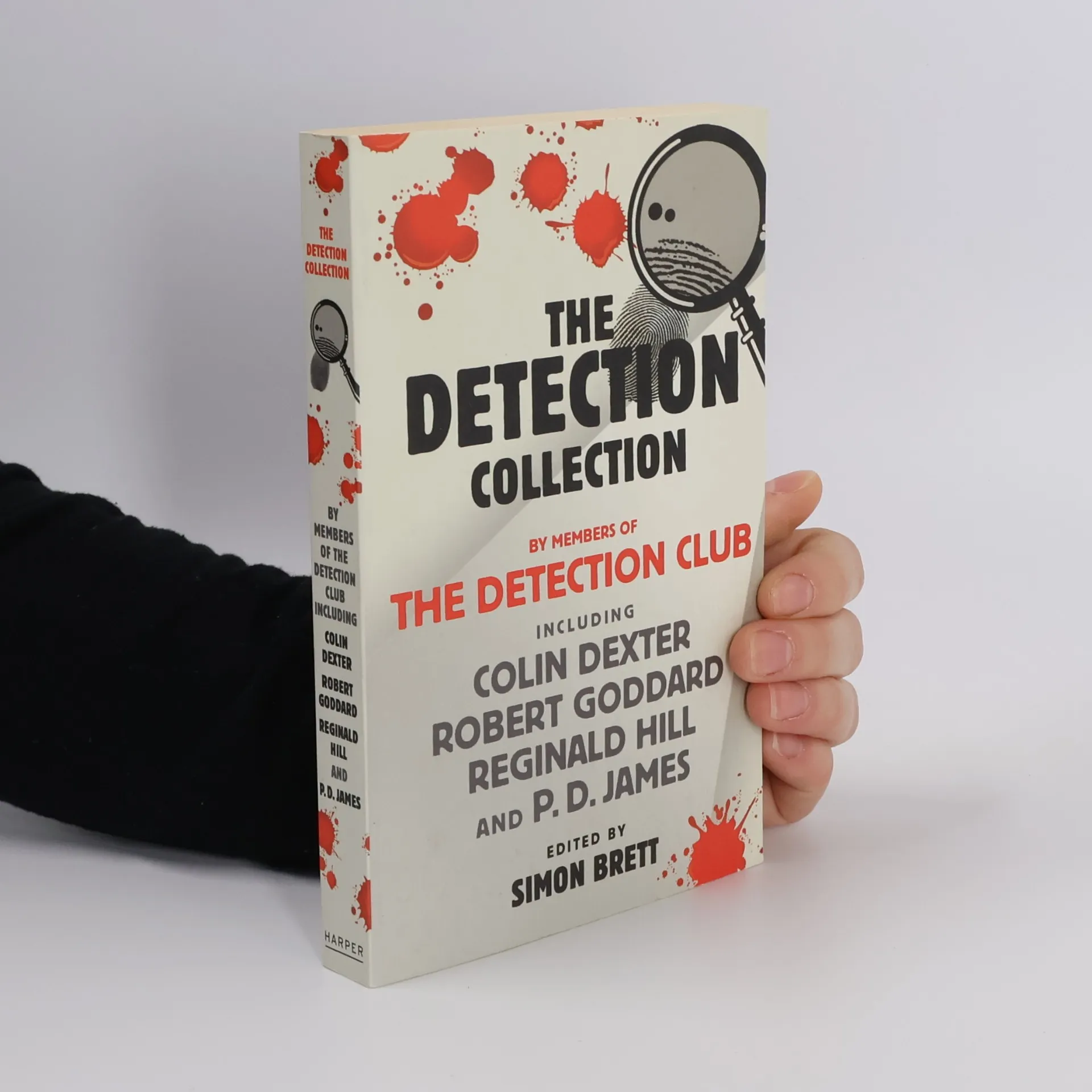
Diese Autoren, Mitglieder des neu gegründeten Detection Club, arbeiteten 1931 gemeinsam an einem Roman, wobei jeder ein Kapitel beisteuerte und andere den Prolog und Epilog schrieben. Ihr gemeinsames Ziel war es, eine originelle Kriminalhandlung zu entwickeln, die die Grenzen des Genres auslotet. Diese Zusammenarbeit spiegelt das Streben nach kollektiver Innovation und Meisterschaft in der Kunst des Mysteriösen wider. Werke von Autoren wie G.K. Chesterton und Agatha Christie gelten bis heute als Klassiker des Kriminalgenres.
The Floating Admiral was the first of the Detection Club's collaborative
novels, in which twelve of its members wrote a single novel. Eighty-five years
later, fourteen members of the club have once again collaborated to produce
The Sinking Admiral.
Ten years since it was first published in hardback, and now for the first time
in mass market paperback, this volume of short stories by the cream of British
crime writing talent celebrates 75 years of the quintessential Detection Club.
This classic crime novel by six different authors is introduced by Martin
Edwards, archivist of the Detection Club, and includes a never-before-
published Preface by Agatha Christie, `Detective Writers in England', in which
she discusses her approach to writing and her fellow writers in the Detection
Club.
In the quiet seaside town of Whynmouth, Inspector Rudge seldom faces murder cases. However, his routine is shattered when an old sailor arrives with a rowing boat carrying a fresh corpse, stabbed in the chest. The investigation reveals multiple challenges; the vicar, owner of the boat, seems to be hiding crucial information, and the victim's niece has mysteriously vanished. The case grows increasingly complex, raising doubts about the victim's identity and the number of people involved in this extraordinary crime. Inspector Rudge grapples with the intricacies of the situation, questioning whether he will ever uncover the truth.
In 1931, a group of crime writers, including Agatha Christie and Dorothy L. Sayers, collaborated on a unique literary project under the Detection Club. Each author contributed a chapter in a game of literary consequences, with G.K. Chesterton providing a paradoxical prologue and Anthony Berkeley resolving the story. The authors also submitted their own solutions in sealed envelopes, revealed at the book's conclusion, with Agatha Christie's clever resolution noted as particularly outstanding. The contributors included notable figures such as Canon Victor Whitechurch, G.D.H. Cole, and Ronald Knox, among others.
Dorothy L. Sayers, 1893 - 1957, legte als eine der ersten Frauen an der Universität ihres Geburtsortes Oxford ihr Examen ab. Mit ihren mehr als zwanzig Detektivromanen schrieb sie Literaturgeschichte, und sie gehört neben Agatha Christie und P. D. James zur Trias der großen englischen «Ladies of Crime». Schon in ihrem 1923 erschienenen Erstling «Ein Toter zu wenig» führte sie die Figur des eleganten, finanziell unabhängigen Lord Peter Wimsey ein, der aus moralischen Motiven Verbrechen aufklärt. Dieser äußerst scharfsinnige Amateurdetektiv avancierte zu einem der populärsten Krimihelden des Jahrhunderts.

Nel 1931 Agatha Christie e altri dodici celebri scrittori di gialli, soci del cosiddetto "Detection Club", nel quartier generale di Kingly Street a Londra, decisero di collaborare alla stesura di una detective story unica. Ogni partecipante doveva mettersi all'opera, continuando la storia che un altro membro del Club aveva precedentemente imbastito. Nessuno sapeva cosa ne sarebbe venuto fuori, né quale soluzione al giallo avessero in mente gli altri. Questa la storia che scrissero... Nella tranquilla cittadina sul mare in cui vive, l'ispettore Rudge non ha spesso occasione di trattare casi di omicidio. Ma quando un vecchio marinaio trascina a riva una barca che trasporta un cadavere da poco pugnalato al petto, l'ispettore non può perdere tempo e fa partire immediatamente le indagini. La vittima sembra essere l'ammiraglio Penistone che, in pensione ormai da qualche anno, viveva da poco più di un mese in una villa nella campagna circostante, insieme alla nipote Elma e a tre domestici. Ma la vicenda si rivela fin da subito molto più intricata di quanto l'ispettore pensasse: troppe le persone coinvolte e quasi nessuna disposta a parlare. Il proprietario della barca sta evidentemente nascondendo qualcosa, la nipote della vittima è scomparsa dal paese e l'identità stessa dell'uomo assassinato è tutto fuorché certa.