

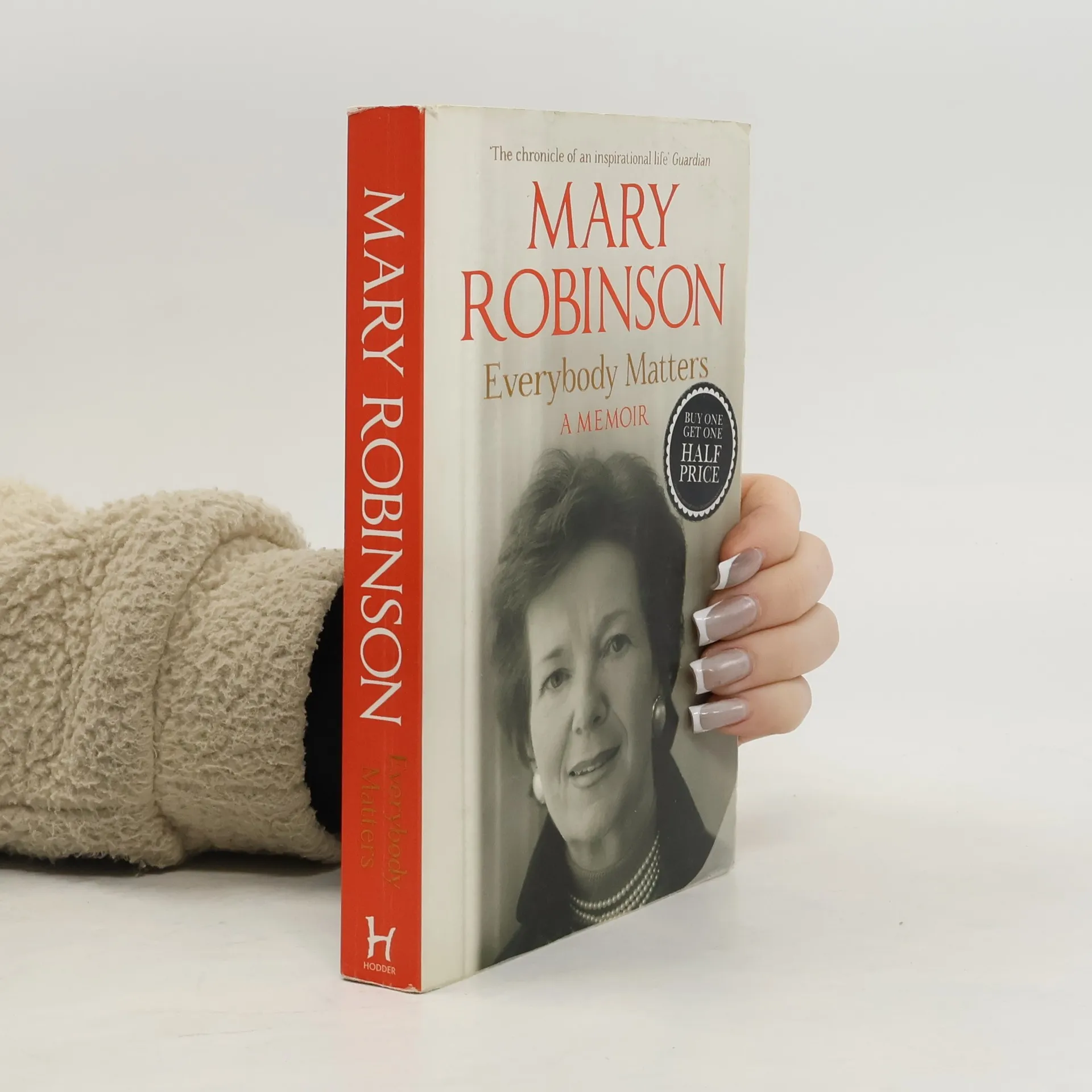
Mary Robinson, a remarkable figure in the fight for human rights, has dedicated her life to creating a fairer world. In her narrative, she shares the vision, strength, and determination that propelled her to prominence. Born in 1944 into a devout Catholic family as the only girl among five children, she initially considered becoming a nun before discovering her true calling. Throughout her life, Robinson has challenged societal norms in her quest for justice, whether within the Church, politics, or her own family. As an activist lawyer, she achieved significant victories for women and marginalized groups, and during her two decades in the Irish Senate, she championed progressive legislation, including the legalization of contraception. In 1990, she made history as Ireland's first female president, transforming the role and elevating Ireland's global presence. Her tenure as UN High Commissioner for Human Rights starting in 1997 presented new challenges; while she gained recognition for advocating for victims, she faced frustrations with bureaucratic inertia and compromises that hindered real change. Now leading the Mary Robinson Foundation-Climate Justice, she focuses on supporting the world's most vulnerable populations affected by climate change. Her story, conveyed with calm conviction and modest pride, inspires readers to believe in their potential to effect positive change in the world.
Mary Robinson Bücher
Mary Robinson war eine englische Dichterin und Romanautorin, die zu ihrer Zeit als 'die englische Sappho' gefeiert wurde. Ihr literarisches Schaffen umfasst Lyrik, sechs Romane, zwei Theaterstücke und eine feministische Abhandlung. Obwohl oft von ihrem öffentlichen Leben überschattet, bietet Robinsons Werk durch ihre stilistisch ausgefeilten Arbeiten Einblicke in weibliche Erfahrungen und gesellschaftliche Rollen.


Praise for Mary Robinson: 'As an advocate for the hungry and the hunted, the forgotten and the ignored, Mary Robinson has not only shone a light on human suffering, but illuminated a better future for our world President Barack Obama
Sierra Leone, Kosovo, East Timor, the Bronx. The nightly news brings images of mistreatment around the world, prompting sympathy but also a sense of distance. A question from a radio host, "What does this have to do with a person in east Tennessee?" inspired William Schulz to explore this connection. In this insightful work, Schulz shares compelling stories from across the globe, illustrating how our prosperity in the United States is linked to human rights violations worldwide. He highlights the costs of indifference, emphasizing not just ethical implications but also political, economic, environmental, and public health repercussions at home. For instance, the instability in the Balkans has profound effects on U.S. military personnel and their families, costs that could have been mitigated through a commitment to human rights. Similarly, systemic corruption in Asia impacts U.S. businesses economically, while environmental hazards from nuclear leaks in Russia and drug-resistant tuberculosis pose serious threats. Each issue is rooted in the abuse of basic human rights. Through the stories of individuals like Natasa Kandic, Alexander Nikitin, Samia Sarwar, and Jaime Garzon, Schulz sheds light on the international struggle for rights. He builds a compelling case that defending human rights globally is essential not only for ethical reasons but also for our own national interests.
Beloved
- 103 Seiten
- 4 Lesestunden
Including: Live and background of the author -- Introduction to the novel -- A brief synopsis -- List of characters -- Map -- Chronology of the events in Beloved -- Critical commentaries -- Critical essays -- Morrison's published works -- Review questions and essay topics -- Selected bibliography.
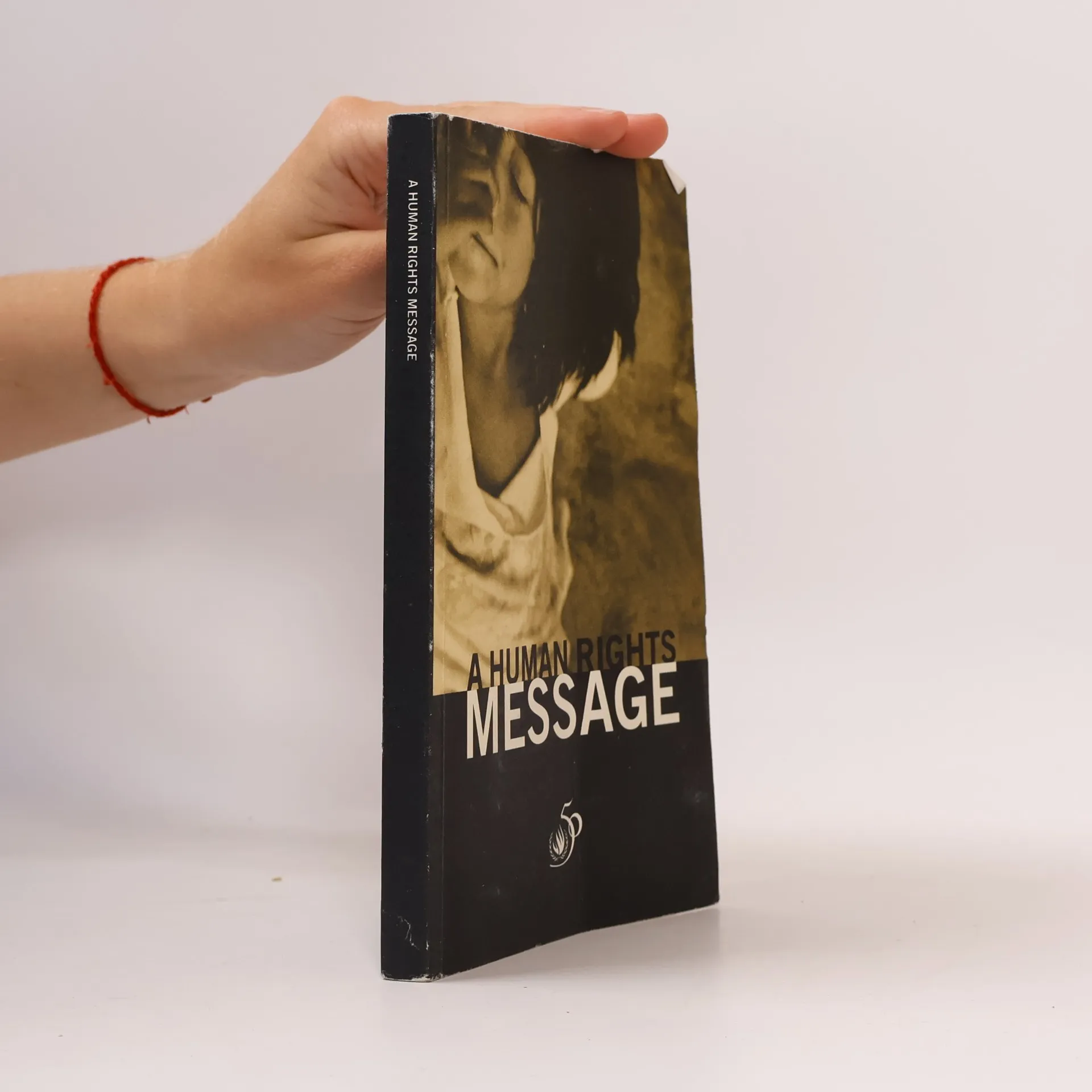
A Human Rights Message
- 173 Seiten
- 7 Lesestunden
In this book, 25 people from various parts of the world tell us about their work to promote human rights. They all have different experiences. Some fight a constant battle, not infrequently putting their own liberty or life at stake. Others have an acknowledged standing internationally or in the countries in which they work. But one thing unites them: a deep and personal commitment to human rights. Mary Robinson, the Dalai Lama, Thomas Hammarberg, Václav Havel, Binyan Liu, Rigoberta Menchú Tum, Bacre N'diaye, Albie Sachs and many others have contributed to this book. They write about their own personal experiences and cover a wide variety of subjects-rights in Africa, the Americas, Asia and Europe; civil and political, economic, social and cultural rights; the rights of women, children and minorities; the death penalty and many other vital issues. This book is being published to commemorate the 50th anniversary of the Universal Declaration of Human Rights.