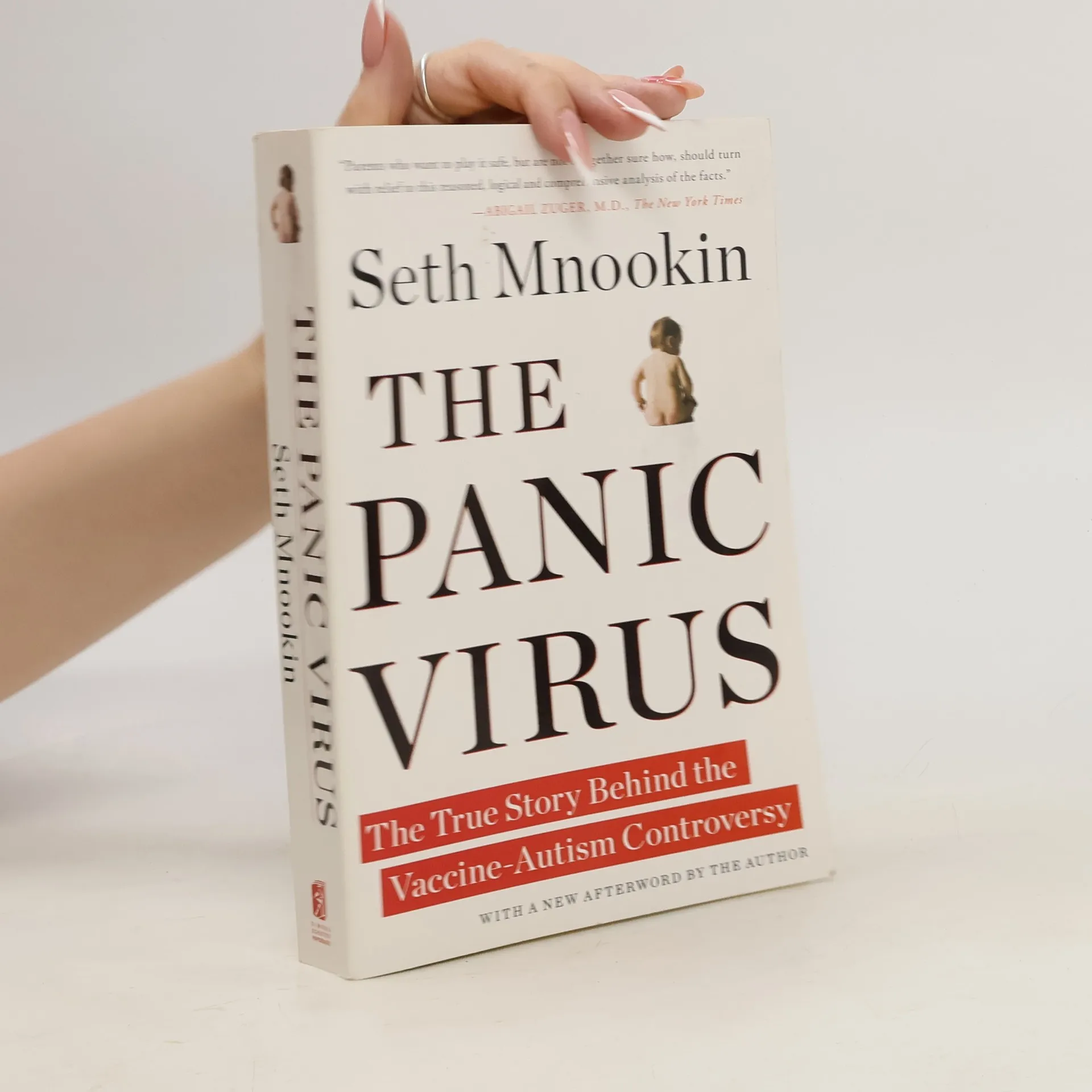
The Panic Virus: The True Story Behind the Vaccine-Autism Controversy
- 439 Seiten
- 16 Lesestunden
A searing account of how vaccine opponents have used the media to spread their message of panic, despite no scientific evidence to support them.

Dieser Autor bietet einen tiefen Einblick in die amerikanischen Medien und ihre Rolle in der heutigen Gesellschaft. Seine Arbeit zeichnet sich durch scharfe Beobachtung und einen analytischen Ansatz zu Themen aus, die von Politik bis Popkultur reichen. Durch seine Texte bietet er den Lesern eine einzigartige Perspektive auf die Informationslandschaft und ihre Auswirkungen. Sein Stil ist sowohl informativ als auch fesselnd und zieht die Leser in die Komplexität der von ihm untersuchten Themen.


A searing account of how vaccine opponents have used the media to spread their message of panic, despite no scientific evidence to support them.
In 1998, Andrew Wakefield, a British gastroenterologist known for self-promotion, published a controversial paper claiming a link between the measles-mumps-rubella vaccine and autism. This allegation ignited a media frenzy, leading to one of the most damaging health scares in history. Wakefield was later exposed as a profiteer working with class-action lawyers, ultimately losing his medical license. Despite numerous studies disproving any connection between childhood vaccines and autism, the myth persists, fueled by media figures like Oprah Winfrey and Jenny McCarthy, as well as journalists who claim to present both sides of a largely settled debate. This misinformation has diverted millions from autism research, led families to spend on ineffective "miracle cures," and caused a decline in vaccination rates, resulting in outbreaks of diseases like Hib, measles, and whooping cough. Tragically, an increasing number of children are dying from vaccine-preventable illnesses. Through interviews with parents, public health advocates, scientists, and anti-vaccine activists, the narrative explores how we discern truth in an age of misinformation. The insights provided shed light on the persistence of conspiracy theories and the allure of sensationalist media, making this a vital cautionary tale for contemporary society.
Najmroczniejsze śledztwo Mocka. Breslau, 1928, szpital psychiatryczny przy Kletschkau Strasse. Eberhard Mock staje twarzą w twarz ze swą dawną kochanką. Jej córka i syn zostali porwani, a ślad po nich zaginął. Po stracie ukochanej Sophie nic nie wstrząsnęło Mockiem równie mocno jak to spotkanie. Hedwig postradała zmysły: o morderstwo dzieci oskarża własnego męża. Krok po kroku Mock odkrywa upiorne powiązania między tajnym stowarzyszeniem okultystycznym a budowniczymi miasta przyszłości w centrum Wrocławia. Nawet nie domyśla się, jak potężne siły śledzą każdy jego krok. Cmentarne czarne msze, wyuzdane praktyki seksualne i ludzie, którzy nie cofną się przed niczym. Tajne śledztwo zaprowadzi Mocka wprost przed przerażające oblicze prawdy. Czy istnieje granica, której Mock nie przekroczy? Marek Krajewski - autor bestsellerowych powieści kryminalnych. Laureat prestiżowych nagród literackich i kulturalnych. Filolog klasyczny. Miłośnik filozofii stoickiej, pilny czytelnik Marka Aureliusza.